

Learn how to tell the difference between statin-induced myopathy and peripheral neuropathy, including symptom locations, diagnostic tests, and management options.
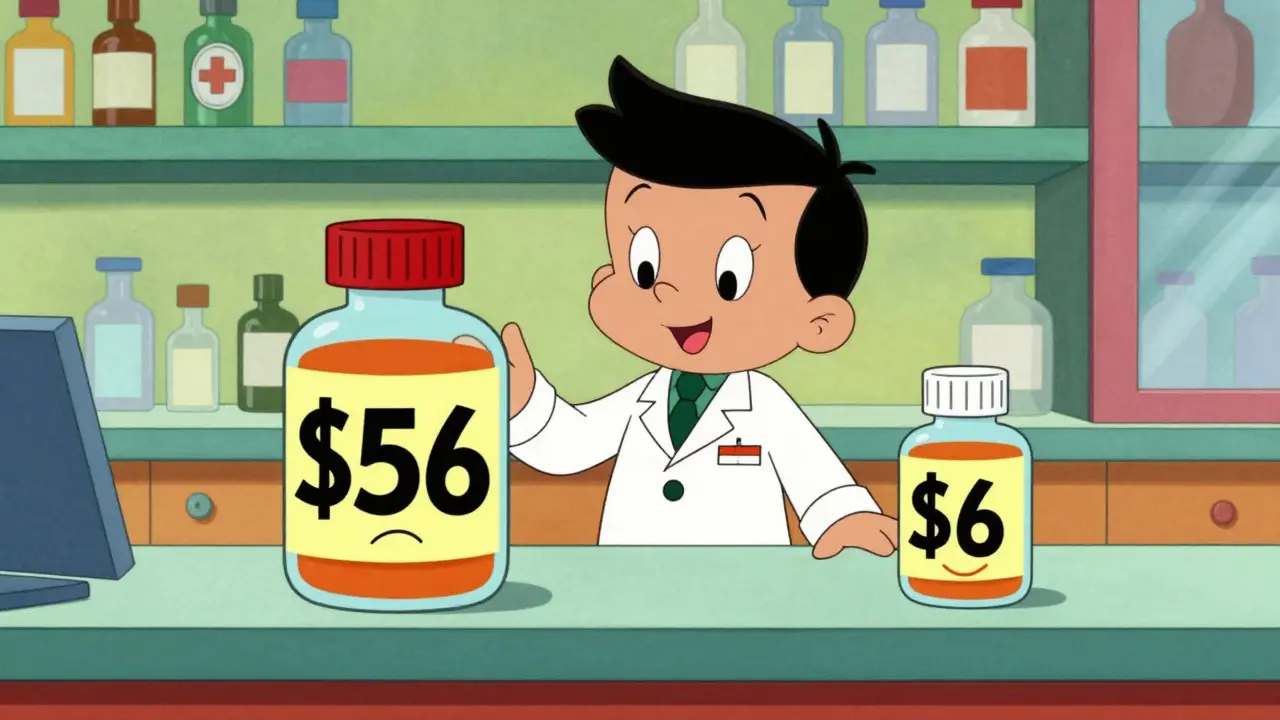
Discover how Medicaid uses generic drugs and rebate programs to lower prescription costs for low-income patients, and tips for managing copays and approvals.
Discover the latest 2025-2026 updates in drug safety monitoring, including new ISMP pharmacy standards, NIOSH hazardous drug lists, and WHO global safety goals.
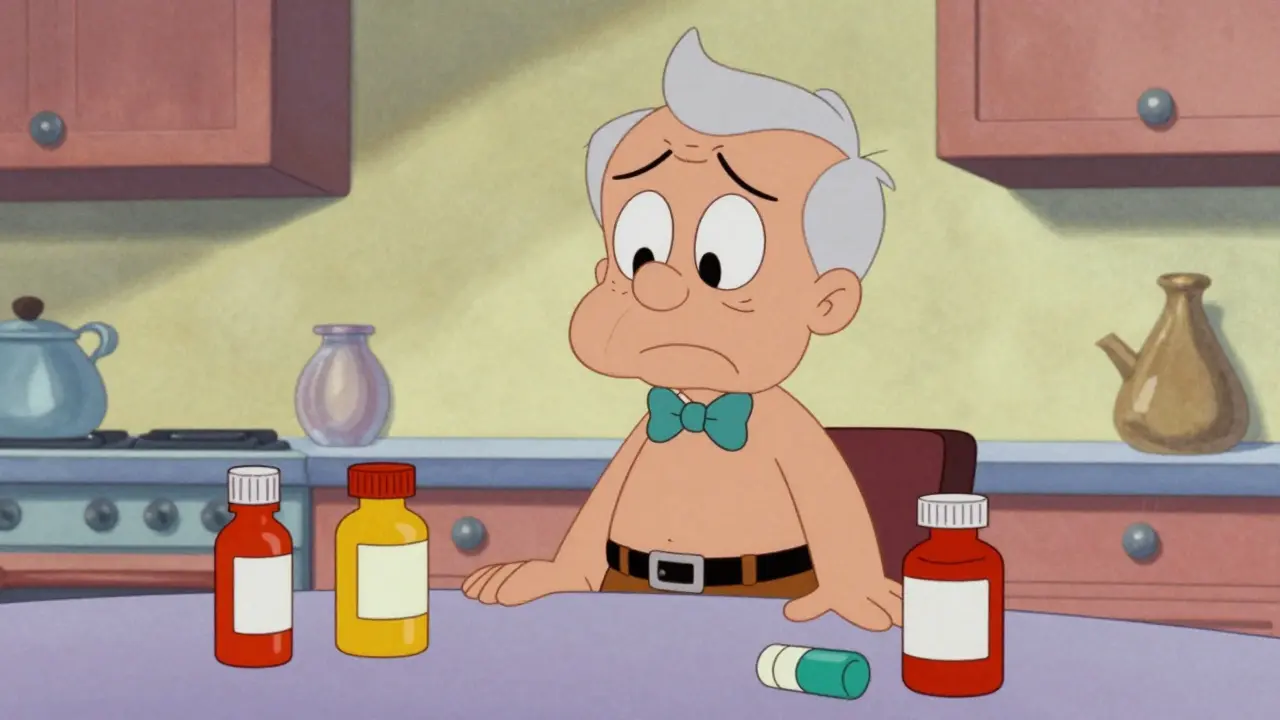
Learn how to coordinate multiple prescriptions to avoid dangerous drug interactions and polypharmacy risks using med sync, master lists, and single-pharmacy care.
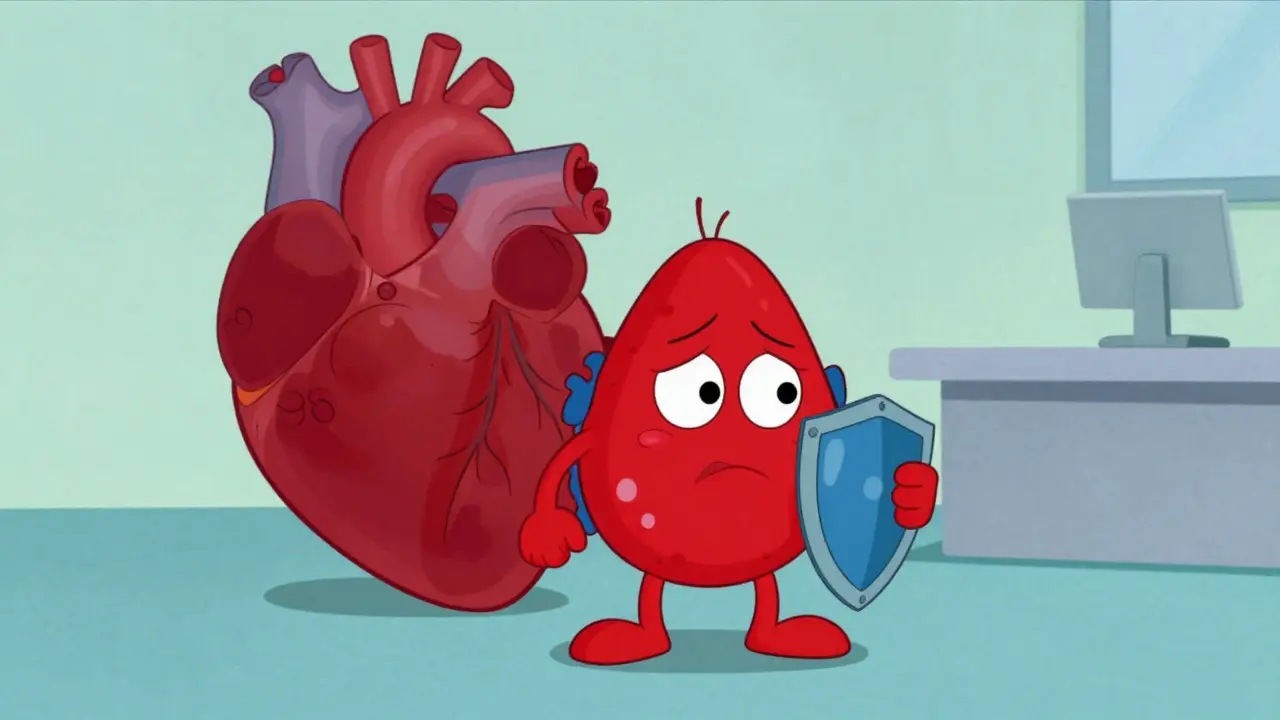
Compare the side effects, bleeding risks, and effectiveness of Clopidogrel, Prasugrel, and Ticagrelor. Learn which blood thinner fits your health profile best.
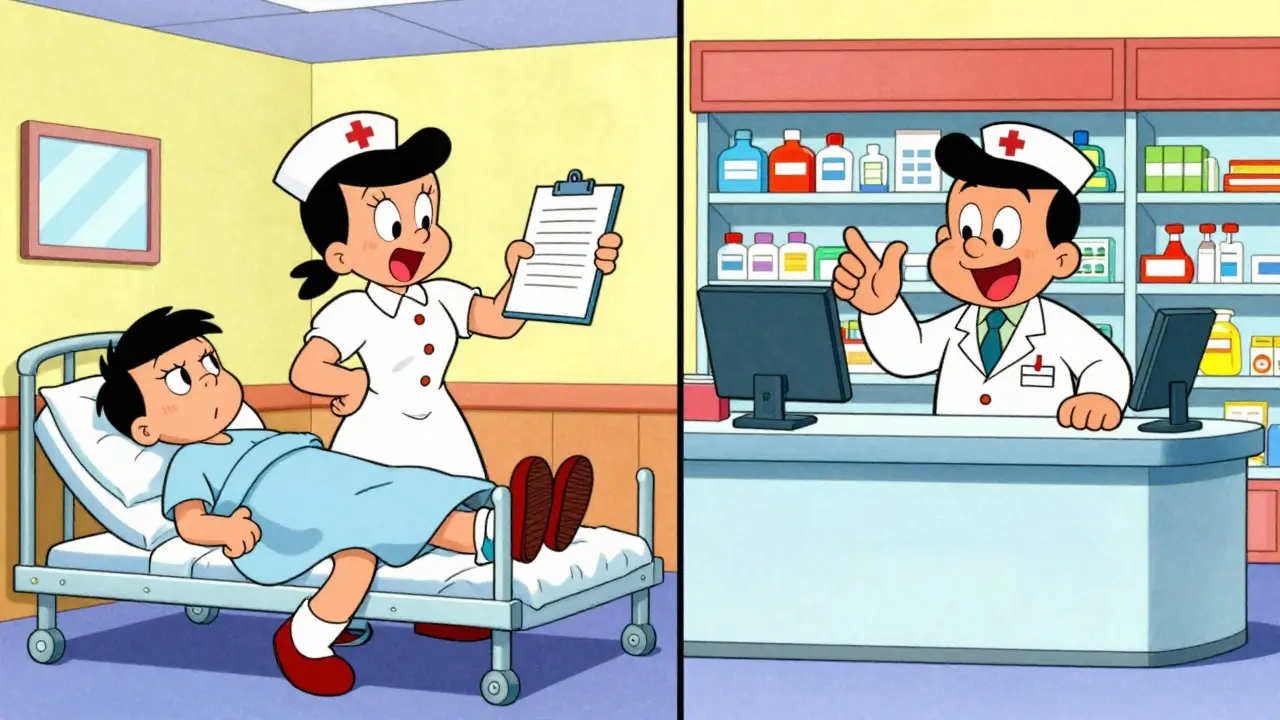
Compare medication error rates and causes in hospitals versus retail pharmacies. Learn why retail errors are more likely to reach patients and how technology is fixing it.
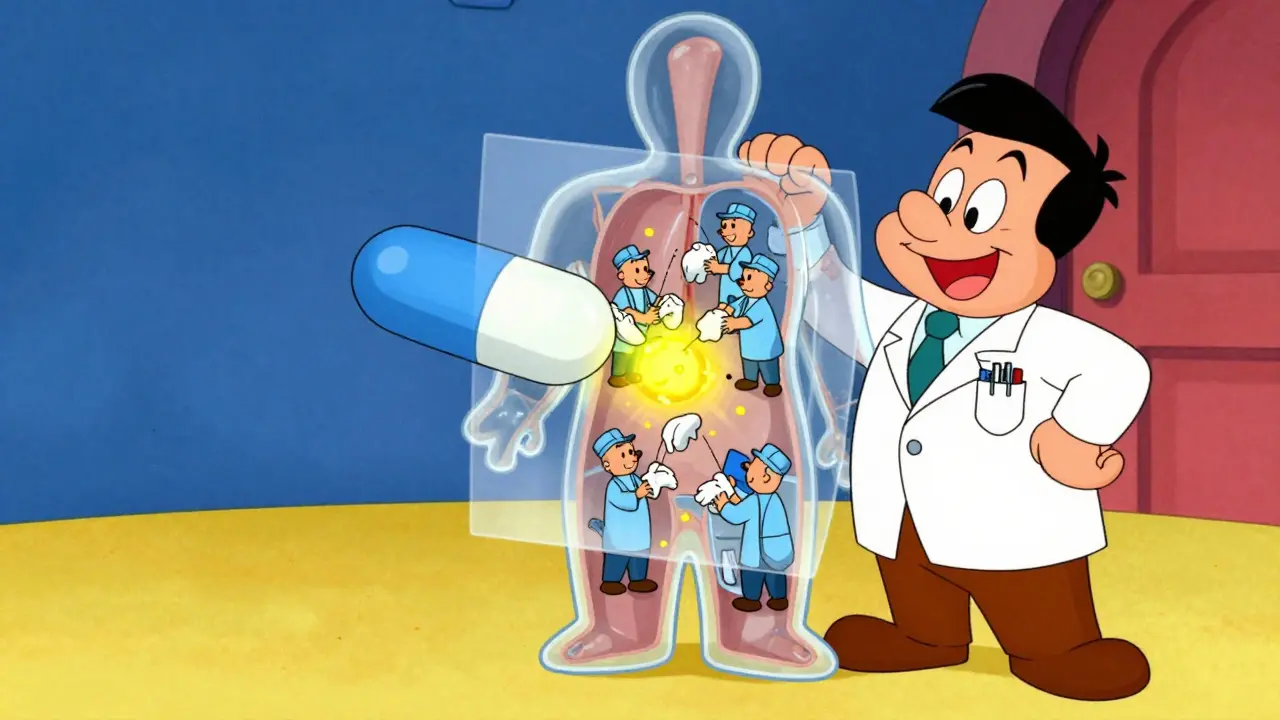
Learn why combining linezolid with tyramine-rich foods causes dangerous blood pressure spikes. Get a complete list of foods to avoid and how long to maintain dietary restrictions.
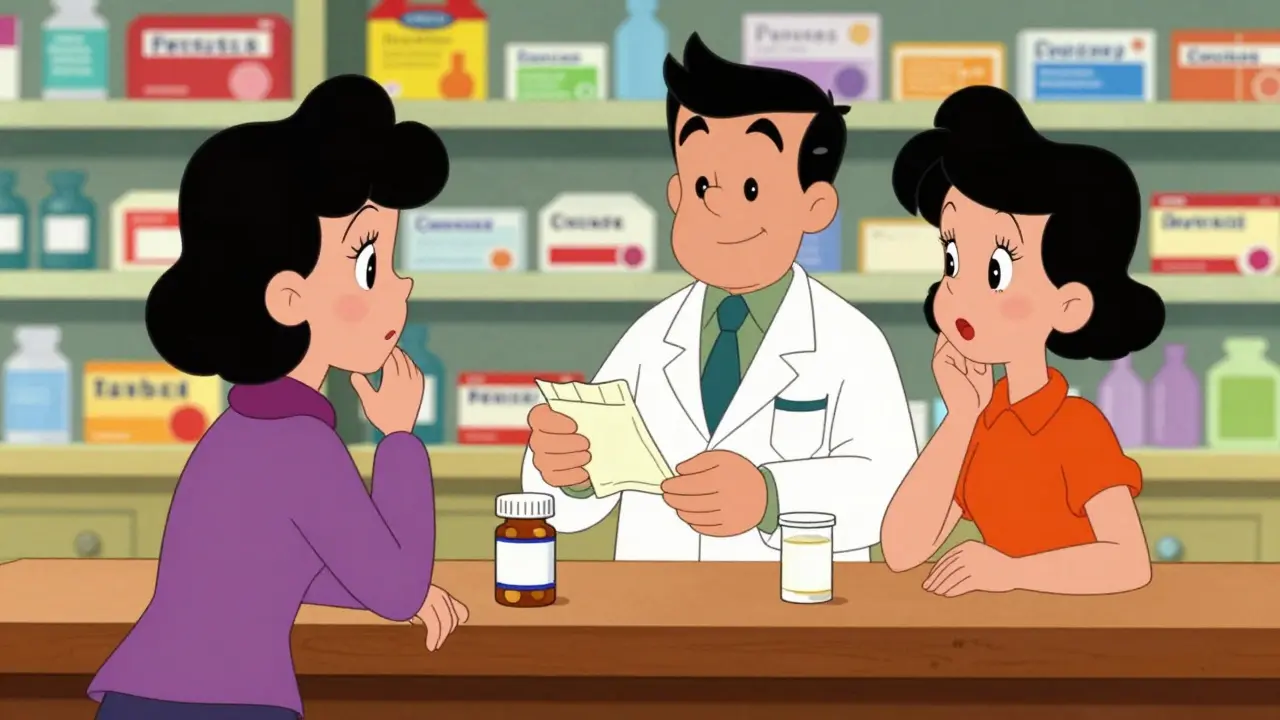
Explore how bioequivalence testing ensures generic drugs are safe and effective compared to brand-name medications, protecting patient health while lowering costs.
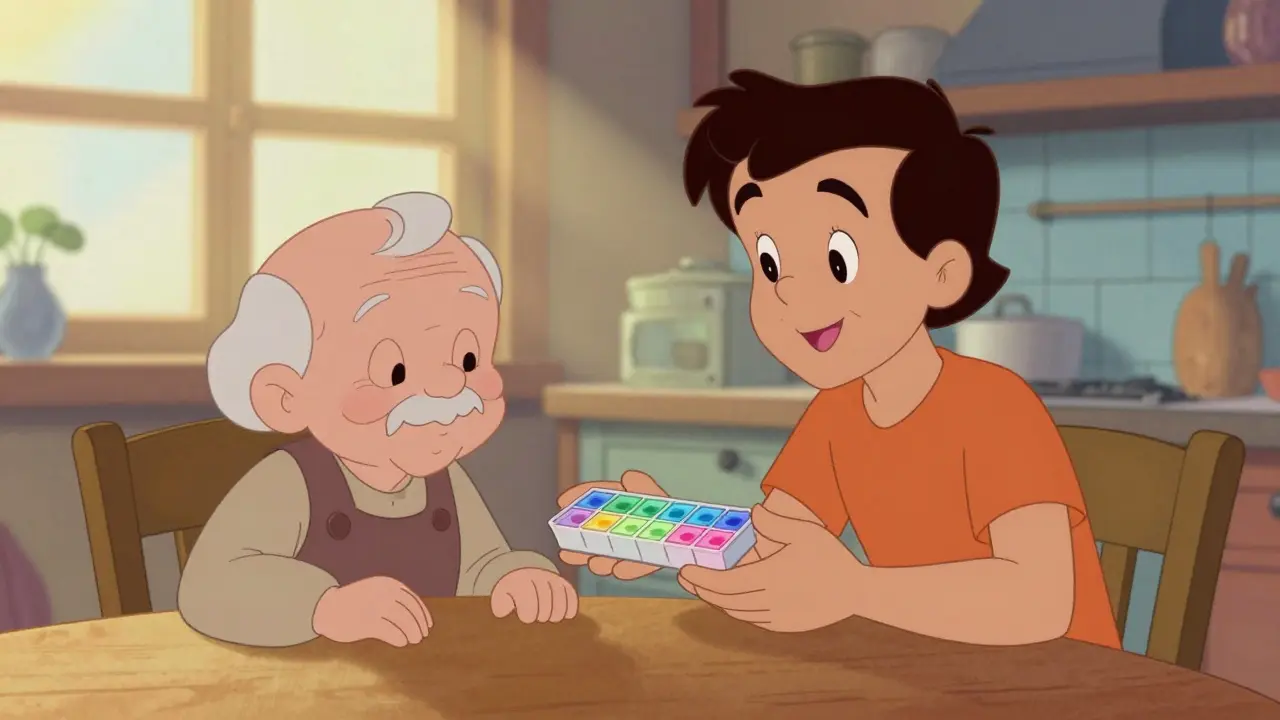
Learn how to involve family in medication support using master lists, habit stacking, and safety tools. Reduce errors and improve adherence.
Explore the severe drowsiness and anticholinergic risks of first-generation antihistamines. Learn why they affect the brain, compare them to safer alternatives, and understand safety warnings for driving and elderly use.
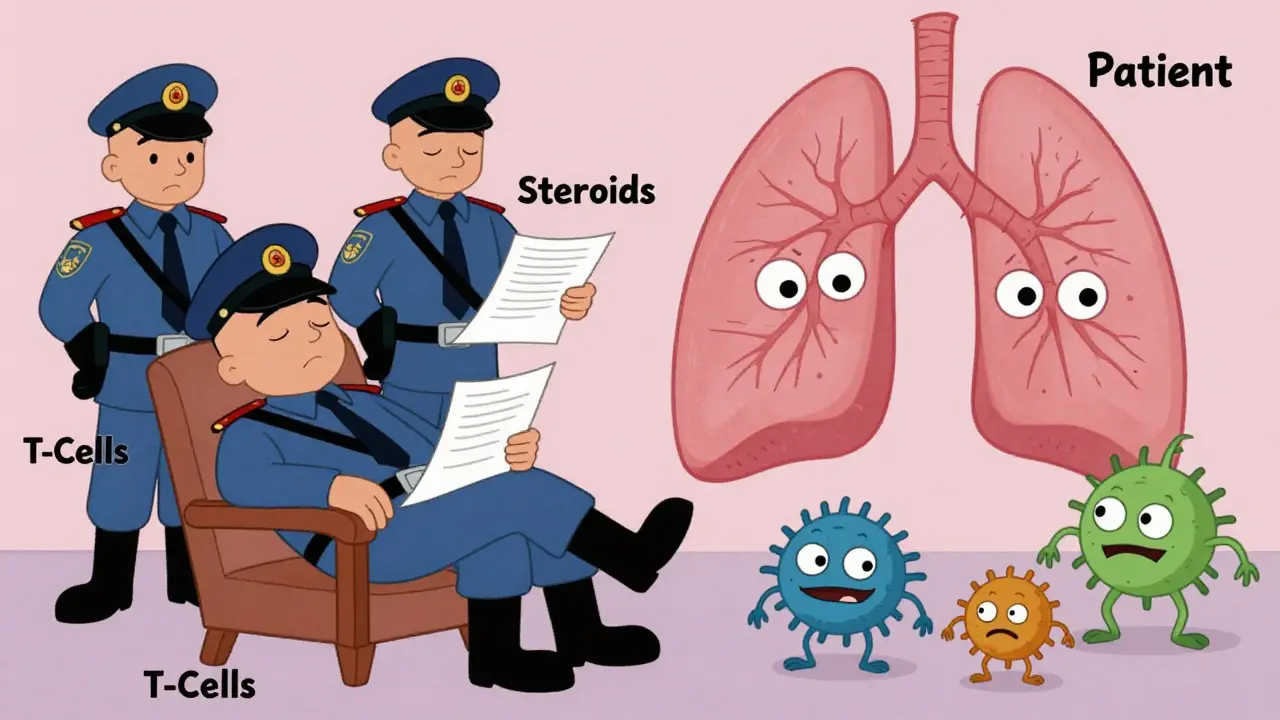
Immunosuppressed patients face deadly infections from rare organisms that don't affect healthy people. These infections often show no symptoms, making early testing crucial. Learn the unusual bugs, risks, and what to do if you're on steroids or transplant drugs.
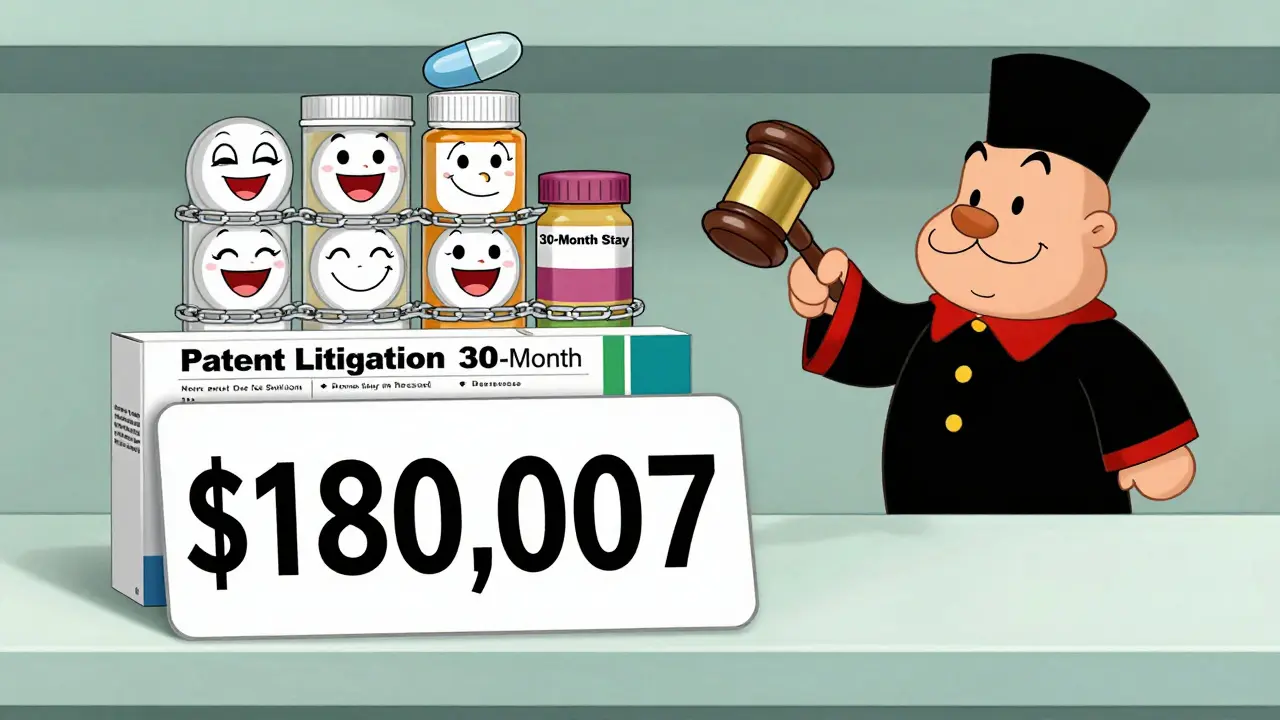
Patent litigation routinely delays generic drug launches by years, costing patients billions. Despite FDA approval, legal battles, pay-for-delay deals, and patent thickets keep cheaper drugs off the market. This is how the system works-and why reform is urgently needed.