
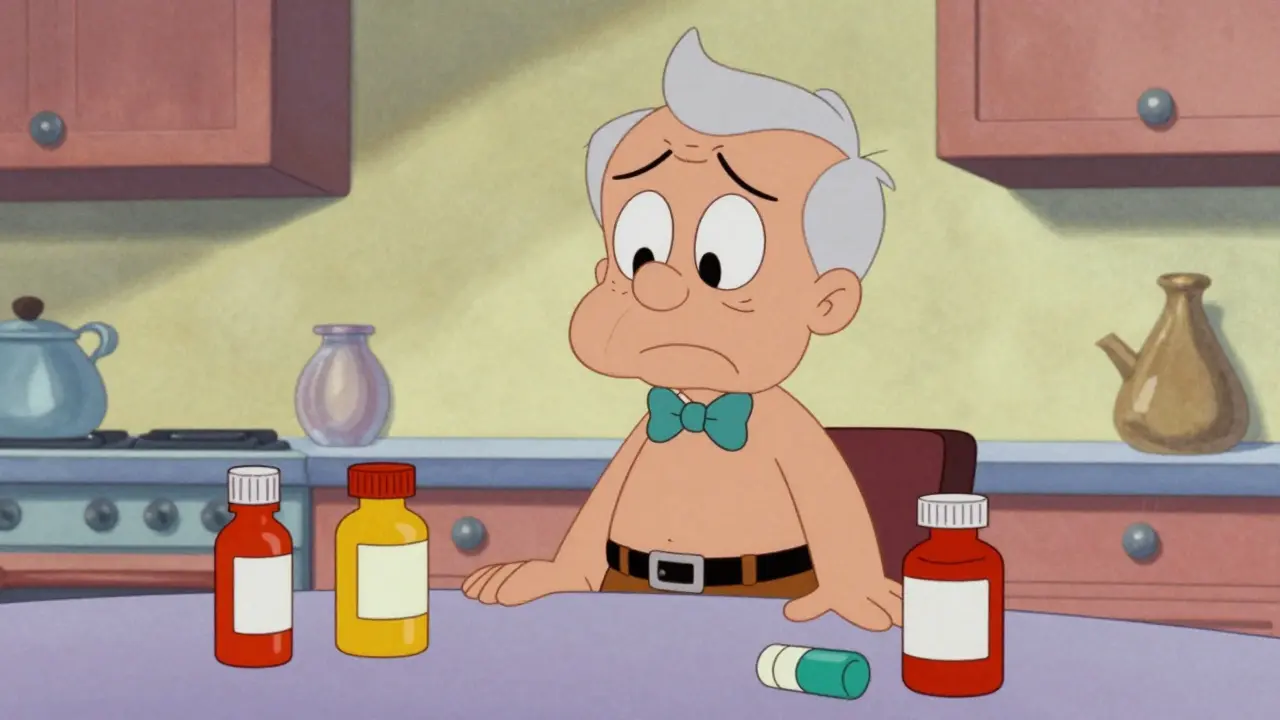
Taking five or more medications daily might seem like a standard part of managing health as we get older, but it creates a hidden danger known as polypharmacy is the simultaneous use of multiple medications by a single patient, often increasing the risk of adverse drug reactions. When you have a cabinet full of prescriptions from three different doctors, the chance of a dangerous conflict skyrockets. In fact, people who split their prescriptions across multiple pharmacies face a 58% higher risk of serious drug interactions. The goal isn't just to take your pills on time, but to ensure those pills aren't fighting each other inside your body.
Quick Summary: Managing Multiple Meds
- Consolidate: Use one single pharmacy to ensure a complete medication history.
- Synchronize: Enroll in a med sync program to align all refills to one date.
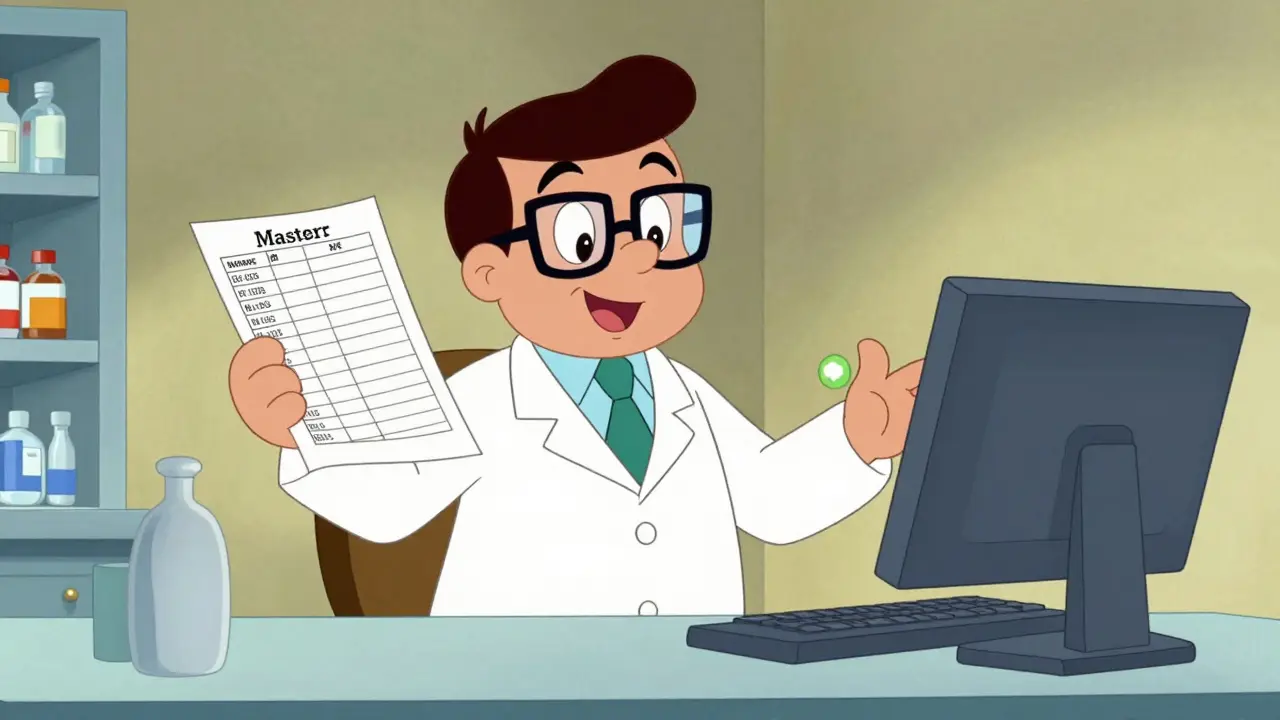
- Document: Keep a master list of every drug, dose, and supplement.
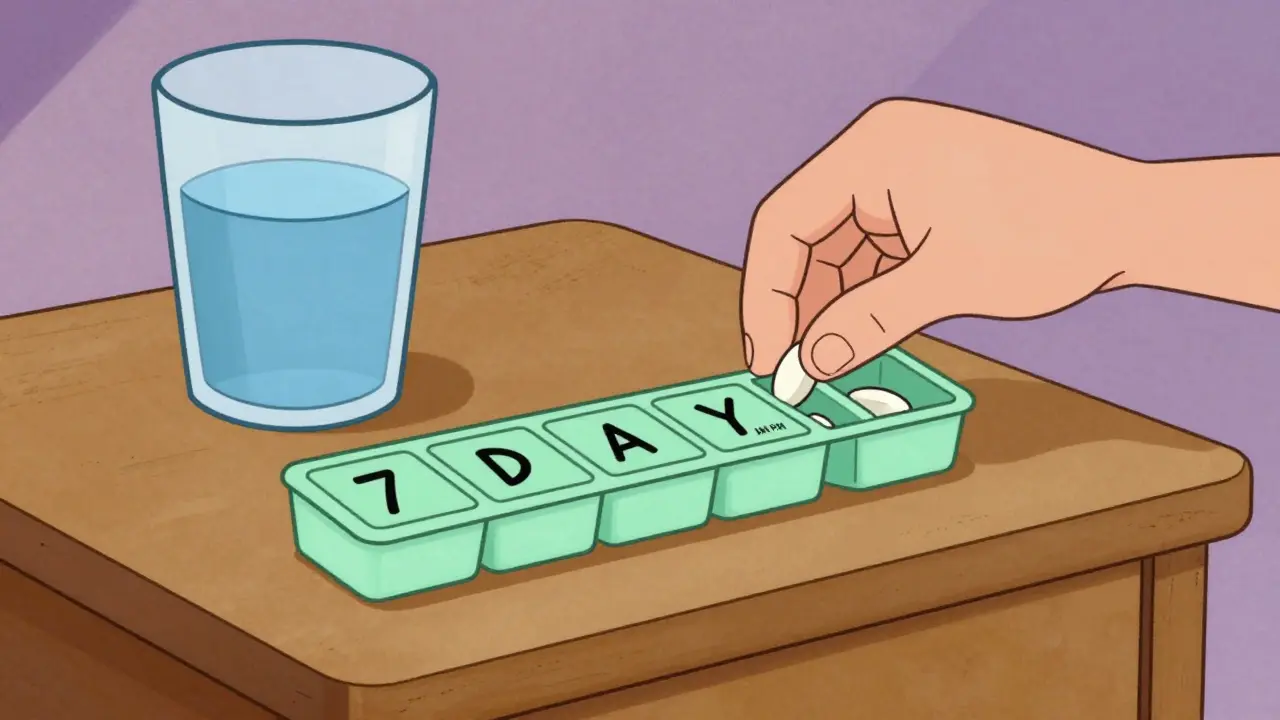
- Organize: Use a 7-day AM/PM pill organizer to boost adherence.
- Review: Schedule a comprehensive medication review with a pharmacist.
The Hidden Risks of "Prescription Pile-up"
When you're treating hypertension, diabetes, and arthritis all at once, the chemistry gets complicated. Some drugs can cancel each other out, while others can amplify a side effect into a medical emergency. For example, Nonsteroidal Anti-inflammatory Drugs (NSAIDs) is a class of medications used to reduce pain and inflammation that can cause kidney issues when mixed with certain blood pressure meds. According to data from NCBI, these specific combinations account for 22% of preventable hospitalizations among seniors.
It isn't just about the prescriptions from your GP. A massive gap in safety occurs when patients forget to mention over-the-counter (OTC) vitamins or herbal supplements. About 82% of dangerous interactions happen between a prescription and an OTC product that the doctor didn't know the patient was taking. If you're taking a supplement for sleep or a vitamin for energy, your pharmacist needs to know about it just as much as they know about your heart medication.
How to Build a Fail-Safe Medication List
A simple scrap of paper with drug names isn't enough. To truly avoid conflicts, you need a comprehensive master list. Think of this as your medical "source of truth" that you carry to every appointment. If a doctor asks what you're taking and you say "a few things for blood pressure," you're leaving a gap where an error can happen.
Your list should include these five specific data points for every single item:
- The Name: Write both the brand name and the generic name (e.g., Lipitor and Atorvastatin).
- The Exact Dose: Don't just write "blood pressure pill"; write "Lisinopril 10mg."
- The Timing: Specify exactly when you take it, such as "30 minutes before breakfast."
- The Reason: Note what the drug is for (e.g., "for high cholesterol").
- Special Warnings: Add notes like "avoid grapefruit juice" or "do not take with dairy."
The Power of a Single Pharmacy
Using different pharmacies for different prescriptions is a recipe for disaster. When one pharmacist handles your heart meds and another handles your anxiety meds, neither has the full picture. A 2023 study in Health Affairs found that utilizing a single pharmacy improves the identification of potential drug interactions by 47%.
When you consolidate, the pharmacist's software acts as a safety net. Modern systems can flag a conflict the moment a new prescription is entered. While these systems aren't perfect, they are far more reliable than relying on a patient to remember every pill they've taken over the last decade. The result is a much higher accuracy rate in spotting dangerous pairings-roughly 94% compared to less than half the accuracy seen in fragmented care.
Simplifying the Calendar with Medication Synchronization
Few things are more stressful than having four different pickup dates in one month. This is where Medication Synchronization is a pharmacy service that aligns all of a patient's maintenance medication refills to a single, convenient pickup date per month comes in. Instead of four trips, you make one.
| Method | Primary Benefit | Typical Adherence Boost | Main Barrier |
|---|---|---|---|
| Paper Logs | Low cost, no tech needed | Baseline | Easy to forget/lose |
| Digital Apps | Real-time reminders | +28% | Tech literacy |
| Pill Organizers | Visual confirmation | +25% | Manual filling time |
| Med Sync Programs | Reduced pharmacy trips | +31% | Initial setup time |
Getting started with a sync program usually takes two to three weeks. The pharmacy will first conduct a medication reconciliation to separate your daily "maintenance" meds from those you take only "as needed" (PRN). They might partially fill a prescription to get the timing right, but once you're on the schedule, the risk of missing a dose drops significantly.
Daily Tools for Better Adherence
Knowing what to take is one thing; actually taking it is another. For those managing complex regimens, a 7-day AM/PM pill organizer is a game-changer. Research shows these tools can bump adherence rates from 62% up to 87%. The trick is to make the filling process a ritual. Try doing it every Sunday evening while watching a show or listening to a podcast; this consistency makes it less of a chore and more of a habit.
If you're tech-savvy, apps like Medisafe provide a digital safety net with refill reminders 72 hours before you run out. For those who need more support, smart dispensers with alarms can be even more effective, though they come with a higher price tag. Regardless of the tool, the goal is to remove the "did I take that already?" guesswork that leads to dangerous double-dosing.
Timing Matters: Avoiding Absorption Conflicts
Even if your drugs don't have a chemical conflict, they can have a timing conflict. Some medications block the absorption of others if they hit your stomach at the same time. A classic example is calcium supplements and thyroid medication. If you take them together, the calcium can prevent your body from absorbing the thyroid hormone. The rule of thumb here is to keep them at least two hours apart.
Similarly, proton pump inhibitors (PPIs) for acid reflux usually need to be taken about 30 minutes before a meal to work correctly. If you take them after eating or alongside other medications that slow down digestion, you're wasting your medicine. Always ask your pharmacist: "Does this need to be taken on an empty stomach, or does it interfere with any of my other pills?"
What are the signs of a dangerous drug interaction?
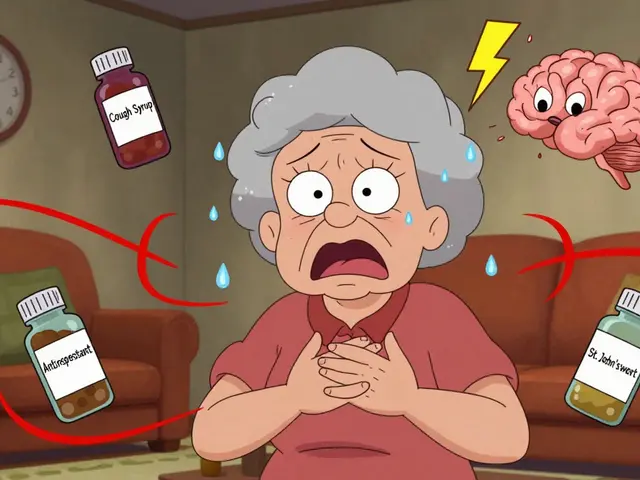
Common red flags include sudden drowsiness, severe dry mouth, unexplained upset stomach, or dizziness. If you notice these symptoms after starting a new medication or changing a dose, contact your provider immediately. Some interactions are more subtle, like a medication simply stop working because another drug is blocking its absorption.
Can I use multiple pharmacies if I have different insurance for different meds?
While possible, it is risky. It is better to coordinate with one pharmacy and have them handle the different insurance claims. The safety benefit of having one pharmacist oversee your entire regimen far outweighs the administrative hassle of managing multiple insurance providers at one location.
What is "deprescribing" and why is it important?
Deprescribing is the process-driven supervision of a patient's medications to identify those that are no longer needed or are causing more harm than good. As your health changes, a drug that was necessary five years ago might now be contributing to side effects or interacting with a newer prescription. Regular reviews allow doctors to safely remove unnecessary medications.
Are herbal supplements safer than prescriptions?
Not necessarily. Many herbal supplements have powerful active ingredients that can interfere with prescription drugs. For example, St. John's Wort can reduce the effectiveness of many heart and blood pressure medications. Always treat supplements as "drugs" on your master list.
How often should I have my medications reviewed?
A comprehensive medication review should happen at least once a year, or whenever you start a new medication, change a dose, or experience new symptoms. High-risk patients-those taking eight or more medications-should consider a more frequent review every six months.
Next Steps for Your Medication Safety
If you're currently taking medications from different pharmacies, your first step is to pick one and move all your prescriptions there. Once that's done, ask the pharmacist about a medication therapy management (MTM) program. This is a formal review where a pharmacist spends time analyzing your entire regimen to find gaps or risks.
For those struggling with timing, start with a simple AM/PM organizer. If you find you're still missing doses, look into digital reminder apps or a pharmacy sync program. The most important thing is to stop the fragmented approach; when your doctors and pharmacists are all looking at the same list, your safety increases exponentially.


Emily Wheeler
April 11, 2026 AT 06:46I find it quite fascinating how the act of organizing one's medications can actually become a meditative practice if you look at it from a certain perspective, and while the technical side of polypharmacy is certainly daunting, there is something profoundly human about the way we try to balance chemistry with the desire for a longer, healthier life, perhaps by viewing the pill organizer not as a reminder of illness but as a curated toolkit for wellness that we engage with daily in a rhythmic, almost spiritual cadence of self-care.
Ben hogan
April 11, 2026 AT 21:17Typical basic advice. Using a single pharmacy is just a way to feed your data into one corporate database for easier tracking. Truly mediocre suggestions for a systemic failure.
Sarina Montano
April 13, 2026 AT 02:48The mention of St. John's Wort is a total gem of a detail because people treat botanicals like they're candy when they're actually chemical powerhouses that can throw a wrench into your prescriptions. I've seen a kaleidoscope of weird reactions in clinical settings where a 'natural' tea completely neutralized a critical medication, so highlighting that gap is just brilliant.
Victor Parker
April 13, 2026 AT 07:29One pharmacy? lol. That just makes it easier for them to swap your meds for something else without you knowing 🙄 just big pharma trying to keep us in line! 💊
Franklin Anthony
April 14, 2026 AT 04:47the truth is they want us dependent on these systems so we dont look at the real causes of sickness and it is just sad how people trust the software over their own gut feeling
Will Gray
April 15, 2026 AT 15:43Exactly! The American healthcare system is a disaster, but at least we have the freedom to choose our pharmacies, even if it's dangerous. The deep state probably loves the idea of us all using one 'centralized' hub for our medical records. Total surveillance state move right there.
Camille Sebello
April 16, 2026 AT 00:04Do you have a list??!! What meds are you on??!! I need to know!!
Danny Wilks
April 17, 2026 AT 20:13It is interesting to note that in several other developed nations, the integration of electronic health records is far more seamless than the fragmented system we experience here in the States, which often shifts the burden of safety onto the patient rather than the provider, and while a pill organizer is a practical solution, it's a bit of a shame that such a rudimentary tool remains the gold standard for adherence in a digital age.
Peter Meyerssen
April 18, 2026 AT 11:02The ontological paradox of pharmacological homeostasis is just... wow 🙄. Basically, the synergy is a zero-sum game. 💊
Kelly DeVries
April 19, 2026 AT 13:02honestly just buy a cheap plastic box from the dollar store and stop overthinking it lol its not that deep
Suchita Jain
April 21, 2026 AT 03:48It is quite regrettable that some individuals lack the discipline to maintain a proper medical ledger. One must be absolutely meticulous with their health records to avoid such avoidable tragedies.
Simon Stockdale
April 21, 2026 AT 14:56I tried that one pharmacy thing and the wait times were absolutly ridicculous man like i was standing there for an hour just for a bottle of pills and it makes me think we need to bring back the local mom and pop shops before the whole country just turns into one big corporate line!
Ryan Hogg
April 23, 2026 AT 12:27I can't even deal with the stress of a medication list right now. My anxiety is peaking just thinking about the possibility of a drug interaction, and I've spent the last three hours staring at my pill bottle wondering if the drowsiness I feel is a side effect or just my soul leaving my body from sheer exhaustion. It's just so overwhelming to manage everything when you're already falling apart inside, and I feel like no matter how many lists I make, the chaos just wins in the end. I just want to feel normal for one day without worrying about whether my vitamins are fighting my prescriptions in a war inside my stomach, but that seems like an impossible dream at this point in my life. I'm just tired of fighting my own body every single morning.