
Linezolid Food & Safety Checker
Type a food name below to instantly check its safety profile regarding tyramine content.
Calculate when your dietary restrictions start and end based on your prescription schedule.
You might be prescribed a powerful antibiotic called Linezolid is an oxazolidinone-class antibiotic designed to treat serious bacterial infections. Also known by the brand name Zyvox, it tackles tough bacteria like methicillin-resistant Staphylococcus aureus., often when other medicines fail. While effective, there is a hidden danger that most patients overlook. If you eat certain foods while taking this drug, your blood pressure could spike dangerously high. We are talking about a hypertensive crisis, a medical emergency that demands immediate hospital care.
This isn't just a theoretical warning found in a footnote of a prescription leaflet. Real data shows that mixing linezolid with tyramine-rich foods creates a chemical storm in your body. You need to know exactly what triggers this reaction before you start treatment. Understanding this link can save your life.
The Science Behind the Reaction
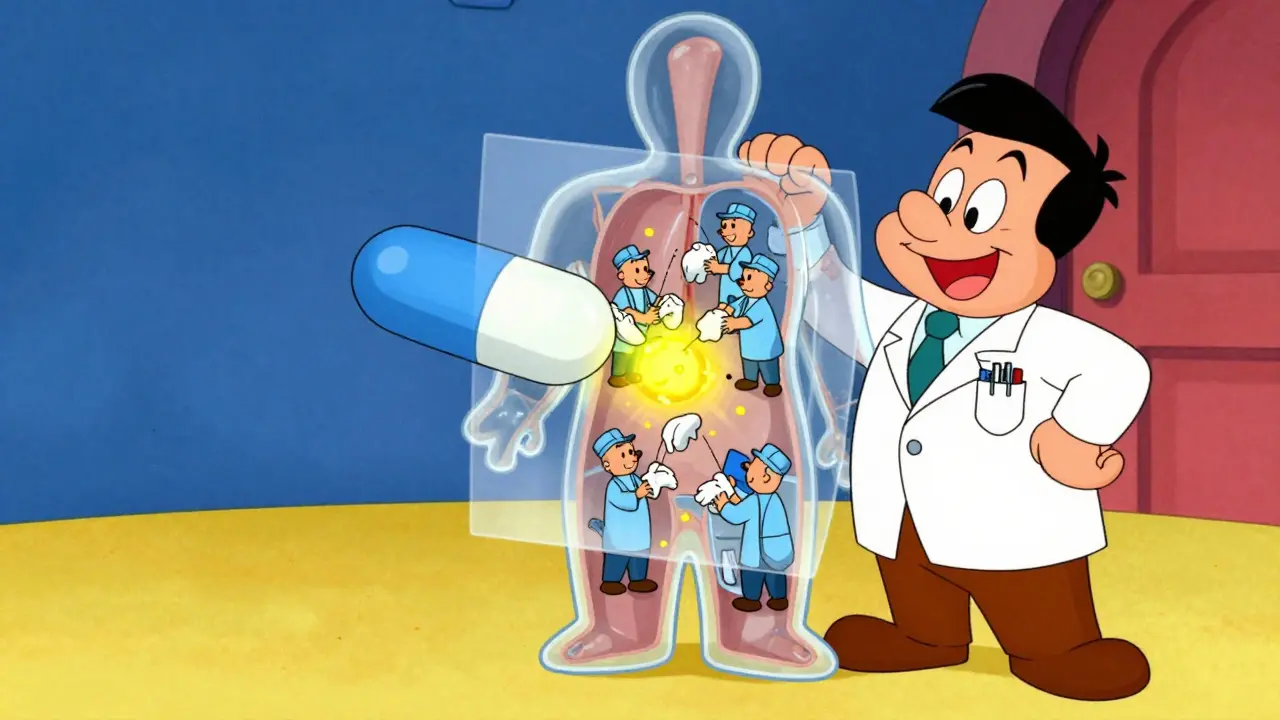
To understand why a slice of cheese or a glass of wine becomes dangerous, we need to look at how your body processes chemicals. There are enzymes in your gut called monoamine oxidases (MAOs). Think of these enzymes as cleanup crews. Their job is to break down neurotransmitters and certain food amines, including tyramine.
Tyramine is a naturally occurring amino acid derivative found in aged and fermented foods. When you eat yogurt or drink beer, tyramine enters your system. Normally, MAO enzymes destroy the tyramine quickly, keeping levels safe. However, linezolid has a secondary effect: it inhibits these same MAO enzymes.
When linezolid shuts down the cleanup crew, tyramine builds up. This excess tyramine forces your noradrenaline stores to release suddenly. That massive release causes blood vessels to constrict and your heart to pump harder. The result? A rapid surge in blood pressure.
While older antidepressants that inhibit MAO are notorious for this, many people assume antibiotics are safe from this rule. That is a mistake. Studies show linezolid acts as a reversible, non-selective MAO inhibitor. It does not bind as permanently as older drugs, but during therapy, its effect is potent enough to trigger severe reactions. Research from the University of Toronto demonstrated that linezolid produces about 80% of the pressor response seen with dedicated MAO inhibitors.
Foods to Avoid During Treatment
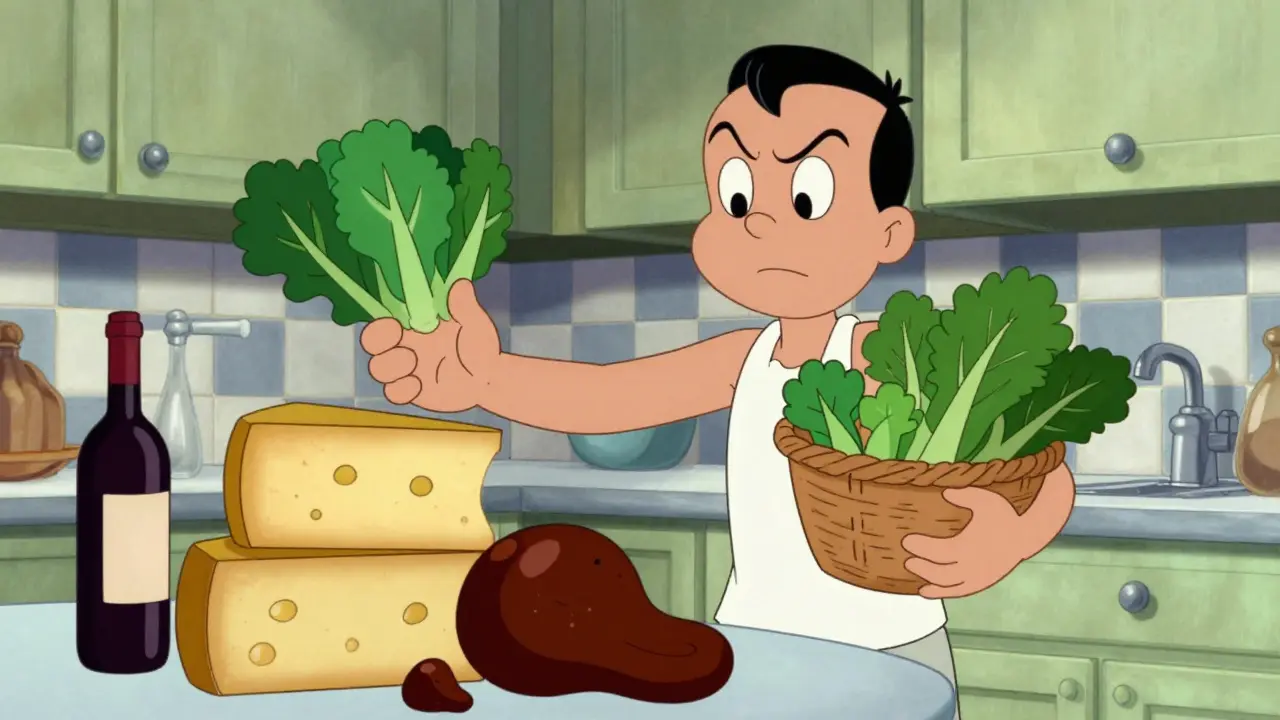
Knowing which foods contain tyramine is critical. You cannot rely on general advice like 'avoid aging.' Some fresh foods have low levels, while others skyrocket in age. Here is a breakdown of the specific categories you must monitor:
| Food Category | Specific Examples | Approximate Tyramine Level |
|---|---|---|
| Aged Cheeses | Cheddar, Blue Cheese, Parmesan, Swiss | 900-1500 mg per 100g |
| Alcohol | Tap Beer, Red Wine, Sherry | 50-200 mg per serving |
| Cured Meats | Salami, Pepperoni, Air-dried Beef | Variable, often high |
| Fermented Soy | Miso, Tempeh, Soy Sauce | Significant amounts |
| Overripe Fruits | Avocados, Bananas, Raspberries | Increases with ripeness |
You need to pay attention to the details. Fresh cheddar is relatively low in tyramine, but once it ages past three months, the levels become dangerous. Tap beer, especially from draft kegs, contains much higher levels than pasteurized bottled beer because fermentation continues in the tap lines. Even seemingly harmless items like fava beans or broad bean pods can pose a risk if they are cooked but stored improperly.
One common misconception is that canned foods are always safe. Canned meats can be risky depending on processing. The safest bet is to stick to fresh products and cook your own meals during the course of treatment. Frozen vegetables are generally safer than fresh ones that have started to spoil.
Duration of Dietary Restrictions
How long do you actually need to watch what you eat? Unlike permanent dietary changes, this is temporary but requires discipline. Because linezolid stays in your system, you must restrict tyramine intake starting 24 hours before your first dose. Continue these restrictions throughout the entire treatment period.
Crucially, you cannot relax your diet immediately after finishing the last pill. Your liver needs time to regenerate the MAO enzymes that were inhibited. Current clinical protocols suggest maintaining the diet for at least two weeks after stopping linezolid. Enzyme function usually returns to baseline within 48 hours of discontinuation, but allowing a buffer period prevents accidental exposure if metabolism varies.
For patients who require long-term therapy, such as those treating bone infections over six weeks, this can be challenging. Nutritional counseling helps immensely in these scenarios. Dietitians can create meal plans that provide adequate nutrition without triggering a hypertensive spike.
Beyond Diet: Drug Interactions
Diet isn't the only source of trouble. Other medications interact dangerously with linezolid via the same MAO pathway. If you are taking serotonergic drugs like SSRIs (selective serotonin reuptake inhibitors), the combination can lead to serotonin syndrome in addition to blood pressure issues.
Sympathomimetics are another major red flag. Decongestants like pseudoephedrine are commonly used for colds, but combining them with linezolid can precipitate a crisis even without tyramine ingestion. Dopaminergic agents used for Parkinson's disease also present significant risks. Always tell your doctor about every supplement and pill you take, not just the prescription antibiotics.
Hypertensive Crisis is defined as a medical emergency characterized by extremely high blood pressure, typically above 180/120 mmHg, accompanied by organ damage symptoms.If you experience a sudden severe headache, neck stiffness, nausea, sweating, or a pounding heartbeat while on this medication, seek emergency care immediately. Do not wait to see if it passes. Case reports document cases where systolic blood pressure reached over 200 mmHg, requiring ICU admission and aggressive treatment with vasodilators like nifedipine.
Implementation and Monitoring
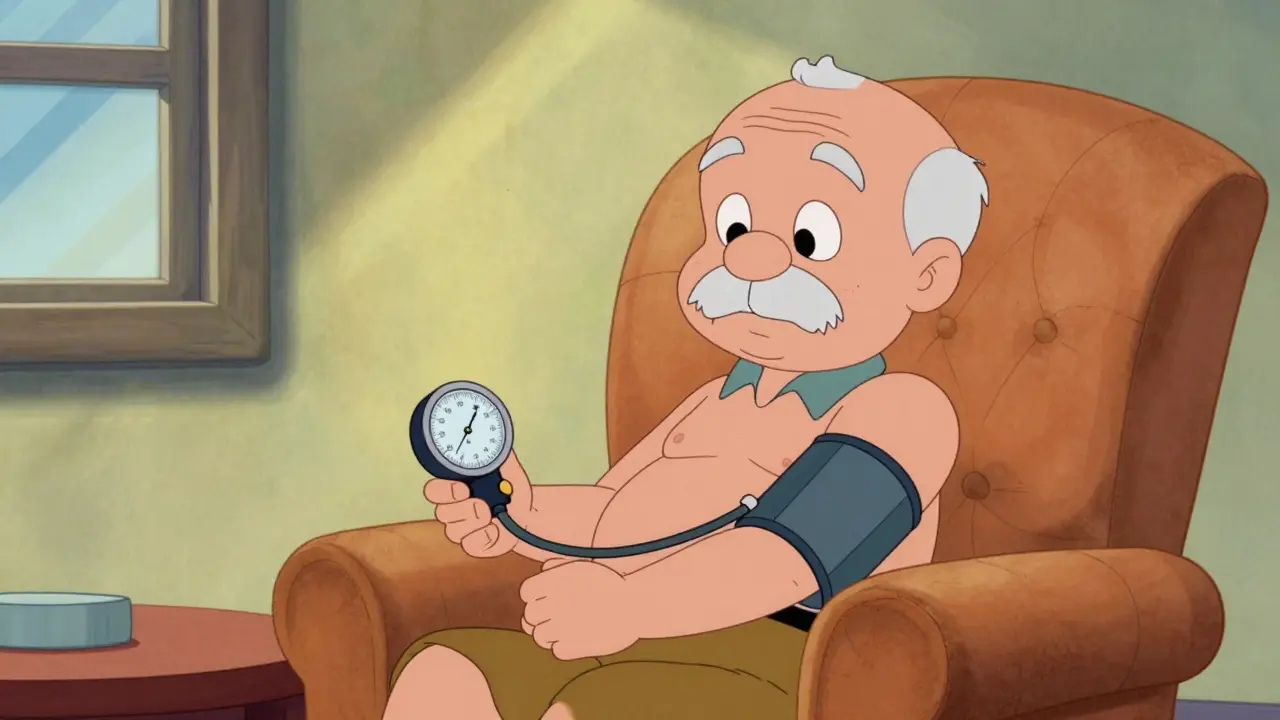
Managing these risks starts with preparation. Before starting therapy, check your blood pressure. Knowing your baseline is essential for identifying early spikes. During treatment, monitor blood pressure twice daily if possible, especially if you have pre-existing hypertension.
Healthcare systems vary in how well they educate patients. Surveys show that less than half of patients receive written instructions regarding food restrictions. Don't rely on memory. Ask your pharmacist specifically for a handout listing restricted foods. Many hospitals now use electronic alerts to flag these dietary needs, but self-advocacy remains your best defense.
Newer treatments are emerging. Antibiotics like contezolid are currently in development; they aim to offer similar antibacterial power against resistant bugs without the MAO inhibition issue. Until those are widely available, managing the tyramine risk remains a necessary step in staying safe.
Frequently Asked Questions
Can I eat chocolate while taking linezolid?
Small amounts of milk chocolate are generally considered safe, but dark chocolate can contain higher levels of tyramine. Since cocoa undergoes fermentation, it is best to limit dark chocolate consumption significantly or avoid it entirely until your treatment ends.
Is leftover food safe to eat?
Leftovers can be risky. Proteins break down over time, increasing tyramine levels. Meat left in the fridge for more than a day should be avoided. Cook fresh meals whenever possible and discard leftovers rather than eating them later.
Will drinking water affect my blood pressure with this drug?
No, plain water is perfectly safe. In fact, staying hydrated helps your kidneys flush out waste products. Just ensure the water does not contain additives that might include fermented ingredients.
What symptoms indicate a hypertensive reaction?
Warning signs include intense throbbing headaches, confusion, flushed skin, heavy sweating, and a racing pulse. If you notice any of these signs, stop eating the suspect food and call emergency services immediately.
Are pickles safe for me to eat?
Most commercially prepared pickles contain vinegar and are processed, making them lower risk compared to fermented veggies like sauerkraut. However, home-pickled items made through lacto-fermentation can be very high in tyramine. Stick to store-bought options in sealed jars.



Beth LeCours
April 2, 2026 AT 00:14Why do they tell us not to eat normal food when taking medicine because that sounds so dumb.
Divine Manna
April 3, 2026 AT 23:58The fundamental misunderstanding lies in patient education protocols.
Many individuals dismiss these warnings as mere bureaucratic caution.
Such dismissal ignores the physiological reality of monoamine oxidase inhibition.
Without proper enzymatic breakdown, tyramine accumulates to toxic levels.
This accumulation forces an uncontrolled release of noradrenaline stores.
The resulting vasoconstriction causes severe spikes in systolic pressure.
A simple headache becomes a life-threatening hypertensive crisis quickly.
We see similar mechanisms in older antidepressants like phenelzine.
Patients often assume modern antibiotics lack such potent side effects.
Research from Toronto confirms linezolid produces significant pressor responses.
Therefore you cannot rely on intuition regarding aged dairy products.
Even small amounts of cheddar pose a risk during therapy windows.
Dietary discipline is non-negotiable for those who value their health.
Self-medication risks are far greater than minor inconvenience with meals.
Education remains the primary defense against avoidable ICU admissions today.
Will Baker
April 5, 2026 AT 01:10Here we go again with the science lecture nobody asked for
You people love playing doctor instead of actually helping anyone
Sakshi Mahant
April 6, 2026 AT 18:10I find this really important for communities where fermented foods are daily staples
In India we use miso and soy sauce often without realizing the chemical impact
It is crucial to share this knowledge respectfully with family elders
We must balance tradition with modern medical requirements for safety
Thank you for writing this clear guide for everyone to read
It helps us understand why our grandparents recipes might need changes
Joey Petelle
April 7, 2026 AT 00:40Fascinating how global traditions clash with American pharmaceutical safety standards
Some cultures just don't appreciate the luxury of enzyme management
I suppose the old world ways are charmingly obsolete to modern chemistry
My diet is far superior and curated by elite nutritionists anyway
This serves as a reminder to keep imported goods out of our kitchens
Joseph Rutakangwa
April 7, 2026 AT 01:49Just listen to what the doctors say about your blood
Trust the medication plan and follow the rules
Small changes in eating habits save lives daily
We are here to help you stay strong and healthy together
angel sharma
April 8, 2026 AT 08:42I absolutely agree that staying strong requires belief in the medical path
Every single person can overcome these challenges with the right mindset
Your health journey deserves immense celebration and careful monitoring steps
Think of your body as a temple that needs protection from toxins
Maintaining discipline builds incredible character and physical strength for future days
Remember that temporary sacrifices lead to lasting wellness outcomes always
Positive thinking supports your immune system during recovery periods too
Keep moving forward and do not let fear dictate your daily actions ever
Support from friends makes the dietary restrictions much easier to handle
We should always encourage each other to prioritize safety above comfort
Stay motivated and reach out if you need someone to talk to
Knowledge is power and this information empowers your daily choices
Believe in your ability to navigate this treatment successfully alone
Together we create a community focused on healing and support systems
Rob Newton
April 9, 2026 AT 08:56Too many people think being nice means ignoring the hard truth
Safety matters more than feelings when dealing with high pressure
Stop making excuses for poor dietary choices right now
Ace Kalagui
April 10, 2026 AT 04:19It is wonderful to see people engaging so thoughtfully with this health topic
We need more compassion in discussions about medical restrictions online
Your experience with cultural foods highlights a real challenge for many
Please know that asking questions is better than guessing risks
Community support often bridges the gap between guidelines and daily life
I hope you all feel heard and supported in your health journeys ahead
Sharing stories like this builds stronger understanding among us all
Let us continue to lift each other up with accurate information
Your participation makes this space a safer place for learning too
Stay open minded and kind as we navigate these complex topics
Vicki Marinker
April 10, 2026 AT 07:11All this excitement about enzymes is rather tedious for a weekend read
People complain about cheese restrictions yet refuse to read labels properly
It seems basic logic is scarce in medical forums nowadays
I prefer keeping my dietary choices private and silent
Better to learn from mistakes than to preach endlessly about them