

First-Generation Antihistamine Driving Safety Calculator
When Can You Drive Safely?
First-generation antihistamines can cause cognitive impairment for up to 18 hours after taking a dose. This calculator helps you determine when it's safe to drive based on the time you took your medication.
Safe Driving Time
When to stop driving: Your ability to drive safely may still be impaired for up to 18 hours.
Your safe driving time:
Important: Studies show impairment similar to being legally intoxicated for at least 6 hours. The FDA strongly advises against operating machinery while impaired.
Caution: If you feel groggy the next morning, stop using these medications for daytime needs. Consider switching to a second-generation antihistamine like loratadine or cetirizine.
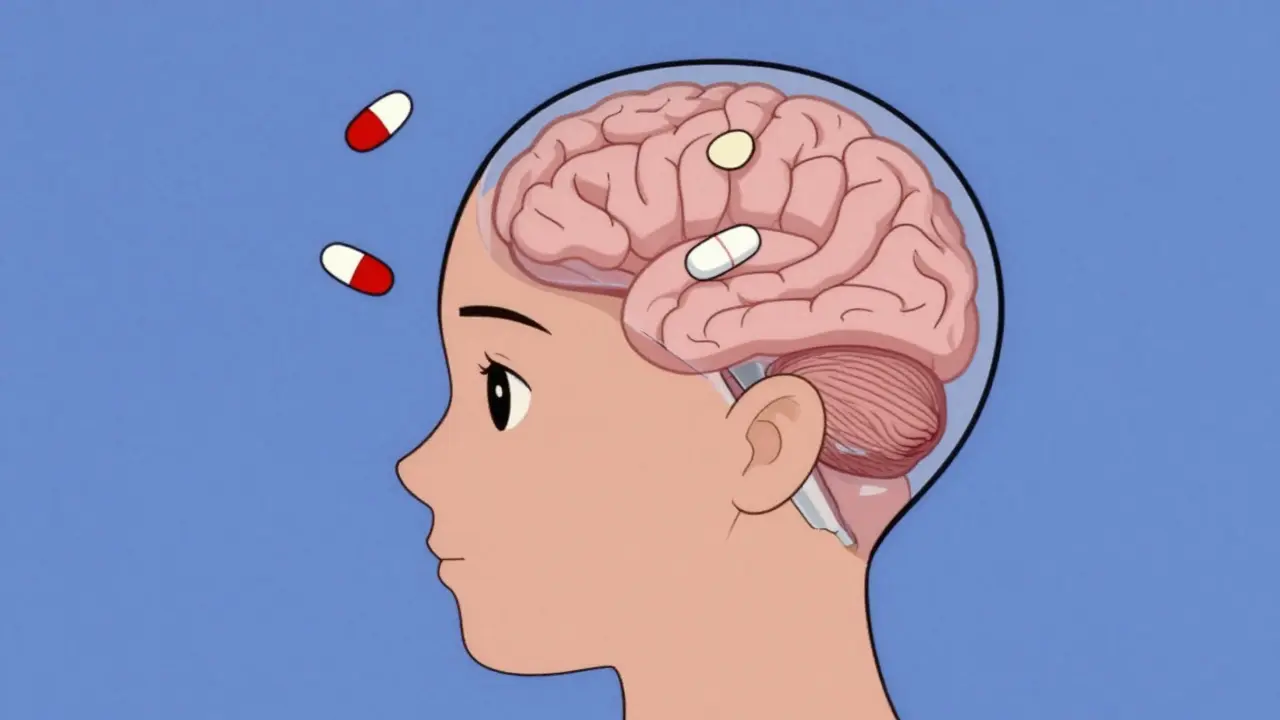
You take a pill for your allergies, and suddenly you feel like you've been hit by a truck. It happens to many people. You reach for that familiar box on the shelf, expecting relief from a runny nose, but instead, you get a heavy fog over your brain and a mouth so dry you can barely swallow. This isn't just a minor annoyance; it is the signature side effect profile of a specific class of drugs known as First-Generation Antihistamines is a class of H1 receptor antagonists developed primarily between 1937-1950 that readily cross the blood-brain barrier. These medications have been around since the 1940s, and while they work well to stop histamine, they come with a heavy price tag for your central nervous system.
Why Do These Medications Make You So Sleepy?
The reason behind the severe drowsiness comes down to chemistry and biology. Histamine is a chemical your body releases during an allergic reaction. These drugs block the H1 receptors that histamine uses to cause symptoms. However, the older versions of these drugs are not picky about where they go in your body. They are highly lipophilic, meaning they love fat. Since your brain is protected by a fatty layer called the blood-brain barrier, these drugs slip right through it.
Once inside the brain, they block histamine receptors there too. Histamine in the brain is responsible for keeping you awake and alert. When you block it, you induce sleep. Research shows that these compounds achieve brain concentrations of 15-25 ng/mL within just one to two hours of a standard dose. In contrast, newer medications stay mostly out of the brain. The sedation index for these older drugs ranges from 0.7 to 0.9, where 1.0 is maximum impairment. This means your ability to drive or focus is nearly as bad as being legally intoxicated.
It is not just about feeling tired. The effect lasts longer than you might think. Studies indicate that cognitive impairment can persist for up to 18 hours after taking a dose. If you take a pill at night for allergies, you might wake up feeling like you have a hangover the next morning. This is because the drug stays in your system while your liver works to break it down using the cytochrome P450 system, specifically the CYP2D6 and CYP3A4 enzymes.
Understanding Anticholinergic Side Effects
Beyond sleepiness, there is another major issue called anticholinergic effects. This happens because these drugs accidentally block other receptors in your body, specifically muscarinic receptors. These receptors control things like saliva production, bladder function, and eye focus. When you block them, you get a specific set of symptoms that can be quite uncomfortable.
Common signs include a dry mouth that feels like cotton is stuffed inside your cheeks. You might experience blurred vision because your pupils dilate and your eye muscles struggle to focus. Urinary retention is another serious risk, where you have trouble emptying your bladder. For older adults, this can lead to urinary tract infections or kidney issues. There is also a risk of constipation and increased heart rate. The binding constants for these muscarinic receptors range from 1-100 nM depending on the specific drug, which is high enough to cause noticeable physical changes.
The long-term risk is even more concerning. The American Geriatrics Society Beers Criteria specifically flags these medications as potentially inappropriate for older adults. Chronic use is associated with a 54% increased risk of cognitive decline and dementia. This is not a small statistic. If you are over 65, the cumulative exposure to these anticholinergic effects can damage your memory and thinking skills over time. Many people do not realize that a simple allergy pill could contribute to long-term brain health issues.
First-Generation vs. Second-Generation Antihistamines
It is helpful to understand how these older drugs compare to the newer ones available today. Second-generation antihistamines were designed specifically to fix the problems of the first generation. They are engineered to stay out of the brain while still blocking histamine in the rest of your body. This results in much less drowsiness and fewer side effects.
| Feature | First-Generation (e.g., Diphenhydramine) | Second-Generation (e.g., Loratadine) |
|---|---|---|
| Brain Penetration | High (15-25 ng/mL) | Low (Below 1 ng/mL) |
| Sedation Risk | Severe (0.7-0.9 index) | Minimal (0.1-0.3 index) |
| Duration of Action | 4-6 Hours | 12-24 Hours |
| Anticholinergic Effects | Common | Rare |
| Cost | Lower (~$4.99) | Higher (~$14.99) |
As you can see from the comparison, the newer options last much longer. You only need to take a second-generation pill once a day, whereas first-generation drugs often require dosing every 4 to 6 hours. This frequent dosing increases the chance of building up too much drug in your system. While the older drugs are cheaper, the cost of side effects like missing work or a car accident is far higher. However, the older drugs are not useless. They have specific strengths that the newer ones lack.
When Are These Older Drugs Actually Useful?
Despite the risks, there are specific scenarios where these medications shine. They are significantly more effective for motion sickness, with efficacy rates of 70-80% compared to 40-50% for newer options. If you are prone to car sickness or sea sickness, a first-generation antihistamine like dimenhydrinate or promethazine is often the better choice. They also have strong antiemetic properties, meaning they stop nausea effectively.
They are also commonly used for short-term insomnia. Because they knock you out so effectively, they reduce sleep onset latency by 30-40 minutes. Many people use them as a sleep aid rather than an allergy medication. However, using them for sleep every night is dangerous due to the cognitive risks mentioned earlier. They should be reserved for occasional use, such as when you have a bad night of allergies that keeps you awake, not as a nightly sleeping pill.
Another use case is acute allergic reactions where immediate relief is needed. These drugs work faster, often within 15 to 30 minutes. If you are having a sudden reaction and need to stop the itching right now, these are potent. But once the acute phase passes, switching to a non-drowsy option is safer for the rest of the day.

Safety Warnings and Who Should Avoid Them
Safety is the biggest concern with this class of drugs. The FDA has issued multiple warnings about operating machinery while taking them. Driving simulation studies show that impairment lasts for at least 6 hours. This means if you take a pill at 8 PM, you should not drive until 2 AM at the earliest, and likely not until morning. Yet, 35% of emergency department visits for drowsy driving involve these medications. People simply do not realize how long the effects linger.
Children are another group at risk. There has been a 27% increase in pediatric emergency visits related to misuse between 2018 and 2022. Young children are more sensitive to the sedative effects and can experience paradoxical reactions, becoming hyperactive instead of sleepy. Over-the-counter packaging often minimizes these risks, leading to 45% of users underestimating the impairment duration. Always follow the label, but be aware that the label might not tell the whole story about brain fog.
Alcohol is a major multiplier for these risks. Drinking alcohol while on these medications increases CNS penetration by 40-60%. This combination can lead to dangerous levels of sedation, respiratory depression, and loss of coordination. If you plan to have a drink, do not take these allergy meds. It is a dangerous mix that can lead to accidents or overdose.
Practical Tips for Safer Use
If you must use these medications, there are ways to minimize the harm. Start with the lowest effective dose. Many people take 50 mg, but 25 mg might work just as well for mild allergies with less side effect risk. Take the dose at bedtime so the peak sedation happens while you are sleeping. This helps you avoid the daytime fog.
Monitor your response carefully. If you feel groggy the next morning, stop using them for daytime needs. Consider switching to a second-generation option like cetirizine or loratadine for regular allergy management. Keep a log of how you feel after taking the medication. If you notice memory lapses or confusion, talk to your doctor immediately. For older adults, it is best to avoid them entirely unless a doctor explicitly says otherwise.
Finally, be aware of drug interactions. Since they are metabolized by the liver's CYP2D6 and CYP3A4 enzymes, other medications that use the same pathway can increase levels of the antihistamine in your blood. This includes some antidepressants and heart medications. Always check with a pharmacist before combining them.
Can first-generation antihistamines cause dementia?
Yes, chronic use is associated with a 54% increased risk of cognitive decline and dementia, particularly in older adults. This is due to the anticholinergic effects that accumulate over time.
How long does the drowsiness last?
Cognitive impairment can persist for up to 18 hours after dosing. Even if you feel awake, your reaction time may still be impaired the next day.
Is it safe to drive after taking Benadryl?
It is not recommended. Studies show impairment similar to being legally intoxicated for at least 6 hours. The FDA warns against operating machinery during this time.
What are common anticholinergic side effects?
Common effects include dry mouth, blurred vision, urinary retention, constipation, and increased heart rate. These occur because the drug blocks muscarinic receptors.
Are there safer alternatives for allergies?
Yes, second-generation antihistamines like loratadine or cetirizine do not cross the blood-brain barrier as easily and cause significantly less drowsiness.



Monique Ball
March 26, 2026 AT 20:39This is such important information to share with everyone!! It really makes you think about what you put in your body every single day... I have been taking these for years and I did not realize the brain fog was actually a side effect of the drug itself!! 😲 We need to be so much more careful about our health choices and listen to the science!! It is scary how many people are driving around impaired without knowing it!! 🚗💨 Please read the labels carefully and talk to your doctor!! I hope this helps everyone stay safe and healthy!! 💖
gina macabuhay
March 27, 2026 AT 12:43Oh sure, because everyone reads the label before swallowing a pill like candy. It is frankly irresponsible to continue using these outdated medications when safer options exist. People claim they need the sedation but they are just lazy about managing their allergies properly. You cannot expect to function normally after taking a chemical that mimics intoxication. The data is clear and yet the public ignores it completely.
Monique Louise Hill
March 29, 2026 AT 07:02You really need to stop doing this to yourself 😠 It is selfish to put others at risk when you are driving impaired. Your health is your responsibility and ignoring the warnings is just wrong. We should all be better than this 😤
Philip Wynkoop
March 29, 2026 AT 07:18I agree with that point :) The science is pretty solid on this one.
Richard Kubíček
March 30, 2026 AT 03:07Balance is key in all things. We seek relief but must accept the cost. The history of medicine is a story of trade offs and learning from our mistakes. This post highlights where we stand today in that journey. It is a reminder to stay aware of what we consume.
Devon Riley
March 30, 2026 AT 20:26So proud of you for learning this stuff 💪 It is so important to be informed about your medications. You are doing the right thing by looking into this deeper. Stay safe and keep asking questions 🌟
Tommy Nguyen
March 31, 2026 AT 00:27Glad to see this info shared so people can stay safe.
Kameron Hacker
April 1, 2026 AT 20:50This is an unacceptable level of negligence in the pharmaceutical industry. The public deserves better protection from known risks. We must demand stricter regulations on these over the counter products. The cognitive decline statistics are alarming and should trigger immediate action.
Poppy Jackson
April 3, 2026 AT 13:07My god the implications are terrifying. It feels like we are all walking time bombs. The damage is done and we can not undo it. We must act now before it is too late.
Jeannette Kwiatkowski Kwiatkowski
April 4, 2026 AT 14:53Honestly the data is pretty obvious to anyone with a brain. Most people just want the cheap fix and do not care about the long term consequences. It is a classic case of short term gain versus long term pain. The market should have fixed this years ago.
Aaron Olney
April 4, 2026 AT 15:28thats so scary for us all i cant believe peopl still take these meds. my mom was drving after taking one and she almost crashed. we need to stop this madness right now. its not just about allergies its about your life. 🚨
Paul Vanderheiden
April 6, 2026 AT 14:17I really think we need to look at this more closely because safety is paramount for everyone involved in healthcare decisions today. It is amazing how much information is out there but people still ignore the warnings on the bottle. You have to consider that your brain is a delicate organ that deserves protection from unnecessary chemicals. Many folks just grab the cheap stuff without realizing the long term damage it could cause to their memory. I have seen friends who take these every night and they are struggling to remember simple things later on. Switching to the newer generation meds might cost a bit more but your health is worth the extra few dollars. Think about the time you spend driving or working and how dangerous it is to be impaired. The statistics in the post are pretty scary if you stop to read them carefully. It is not just about feeling sleepy but about the cumulative effect on your cognitive function over years. We should all be advocating for better education on these medications so people know what they are putting into their bodies. Doctors need to push harder for the non drowsy options when they prescribe allergy relief. Pharmacists should also be warning customers more strongly about the interaction with alcohol. It is a collective responsibility to keep our communities safe from preventable accidents. If you are older you really need to listen to the advice about avoiding these specific drugs. Your family depends on you being sharp and present for as long as possible. Take the time to read the label and talk to a professional before you reach for the old standby pill.