
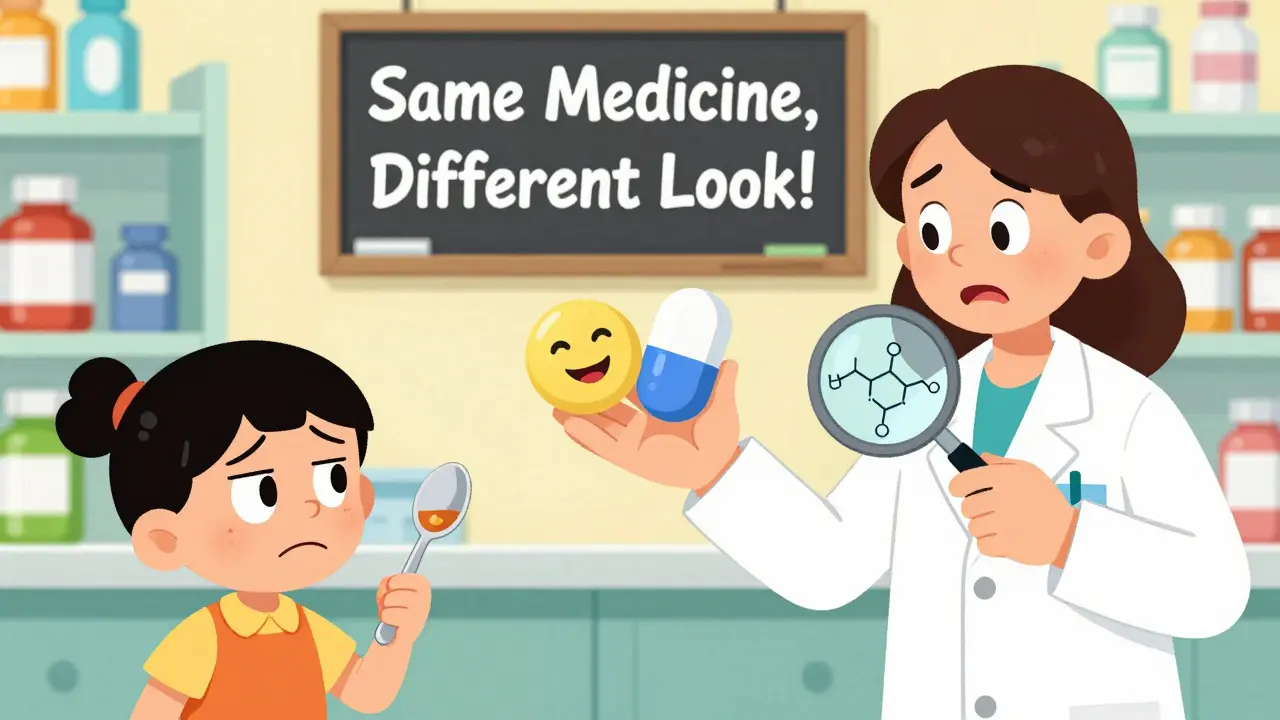
Learn how to explain generic drug substitutions to children and older adults in a way that builds trust, improves adherence, and prevents dangerous misunderstandings. Real strategies for parents and caregivers.
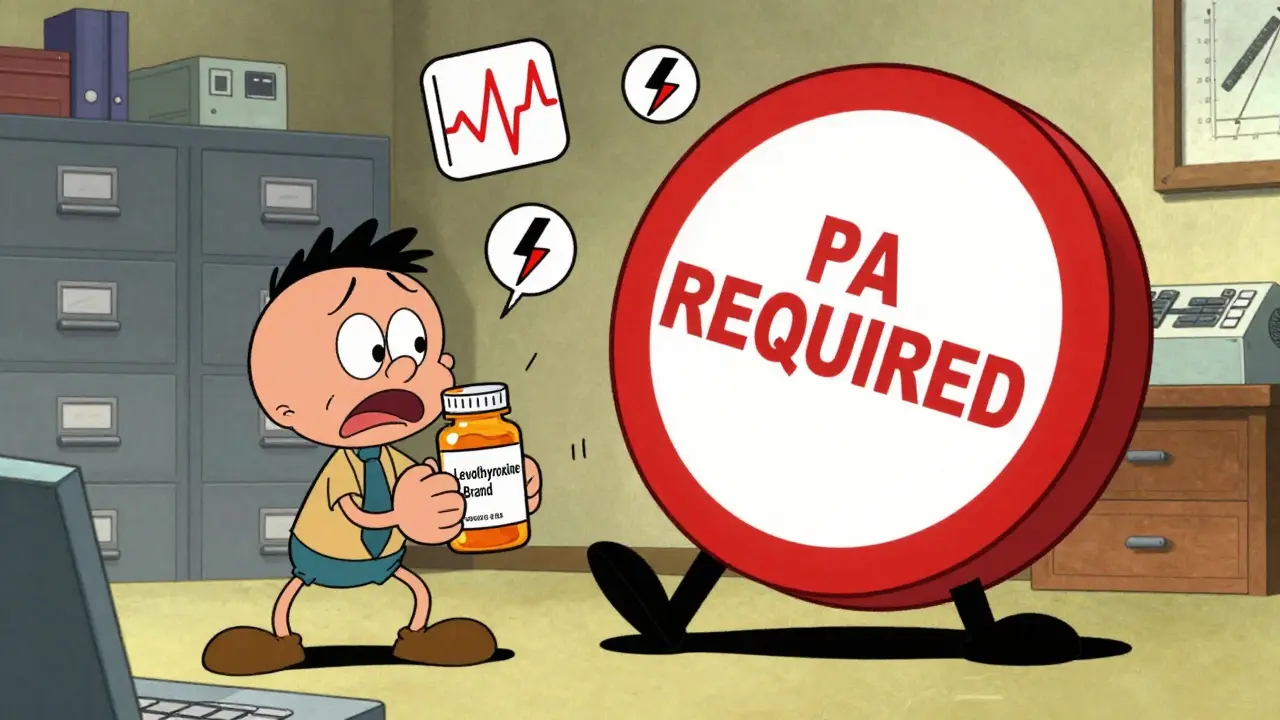
NTI drugs like levothyroxine and phenytoin require strict consistency to avoid life-threatening side effects. Yet many insurers still force patients through prior authorization to get the brand-name version they need - even when generics aren't safe substitutes.
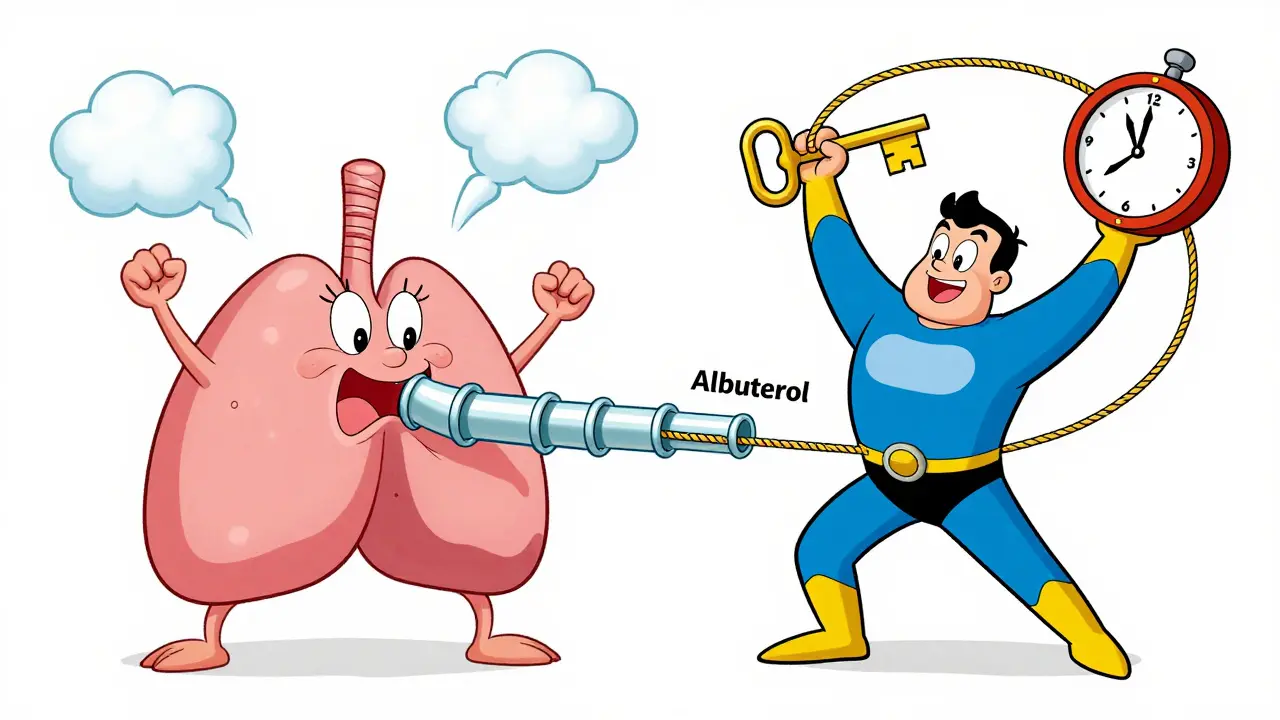
Bronchodilators open airways for immediate relief; corticosteroids reduce long-term inflammation. Used together and correctly, they control asthma and COPD-without them, symptoms worsen. Learn how they work, when to use each, and why timing matters.
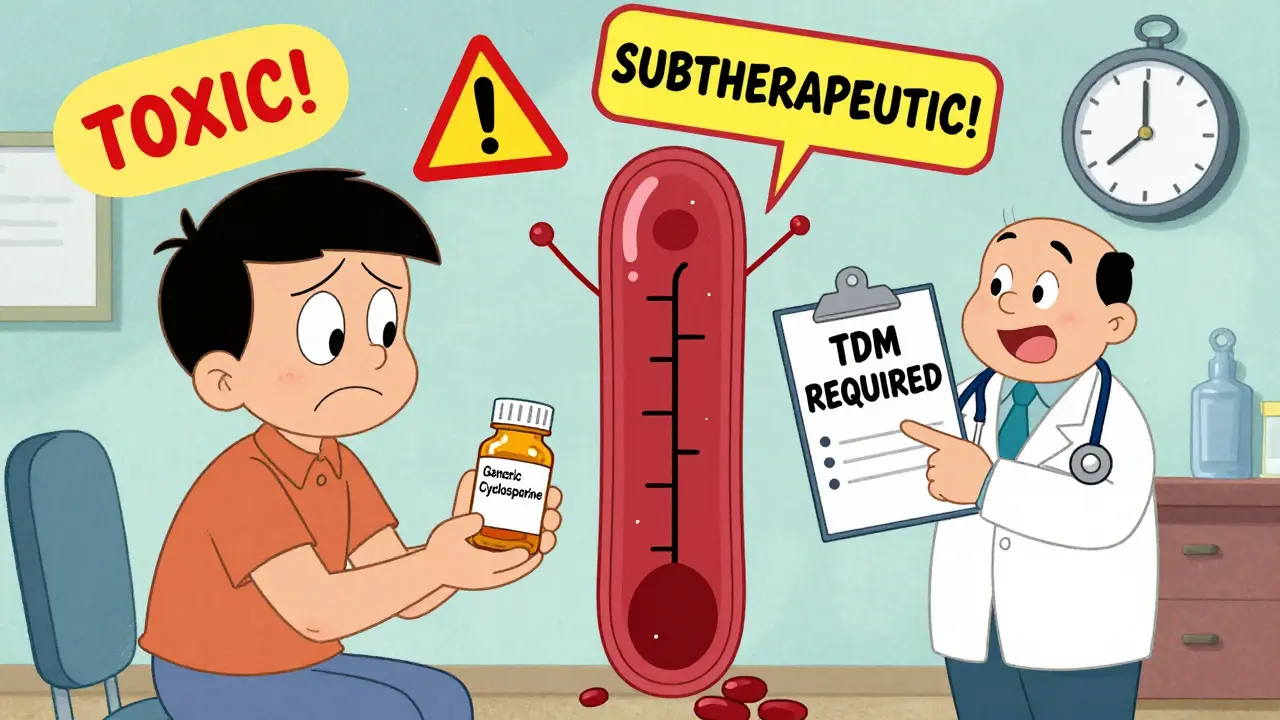
Therapeutic Drug Monitoring (TDM) is critical for patients taking generic narrow therapeutic index (NTI) drugs, where small changes in blood levels can cause serious harm. Learn when and why TDM saves lives.
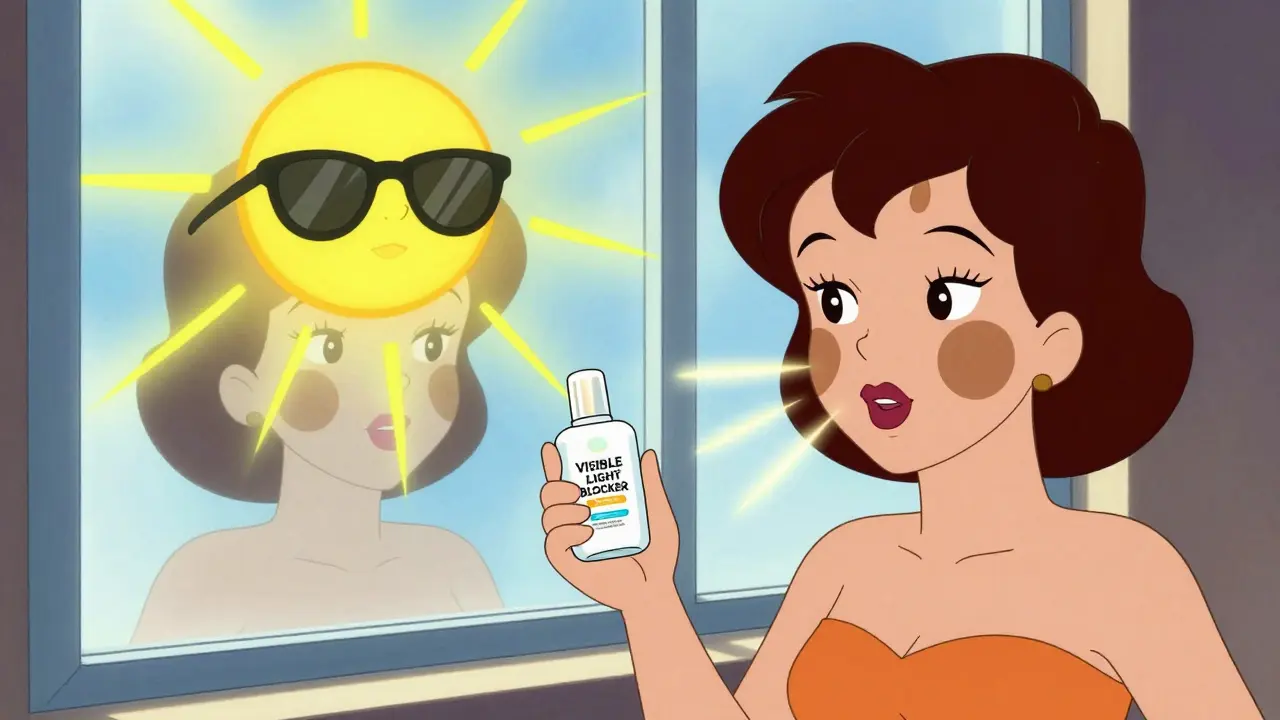
Learn the difference between melasma and sun damage, why standard sunscreen isn't enough, and which topical treatments actually work based on current dermatology research and clinical guidelines.
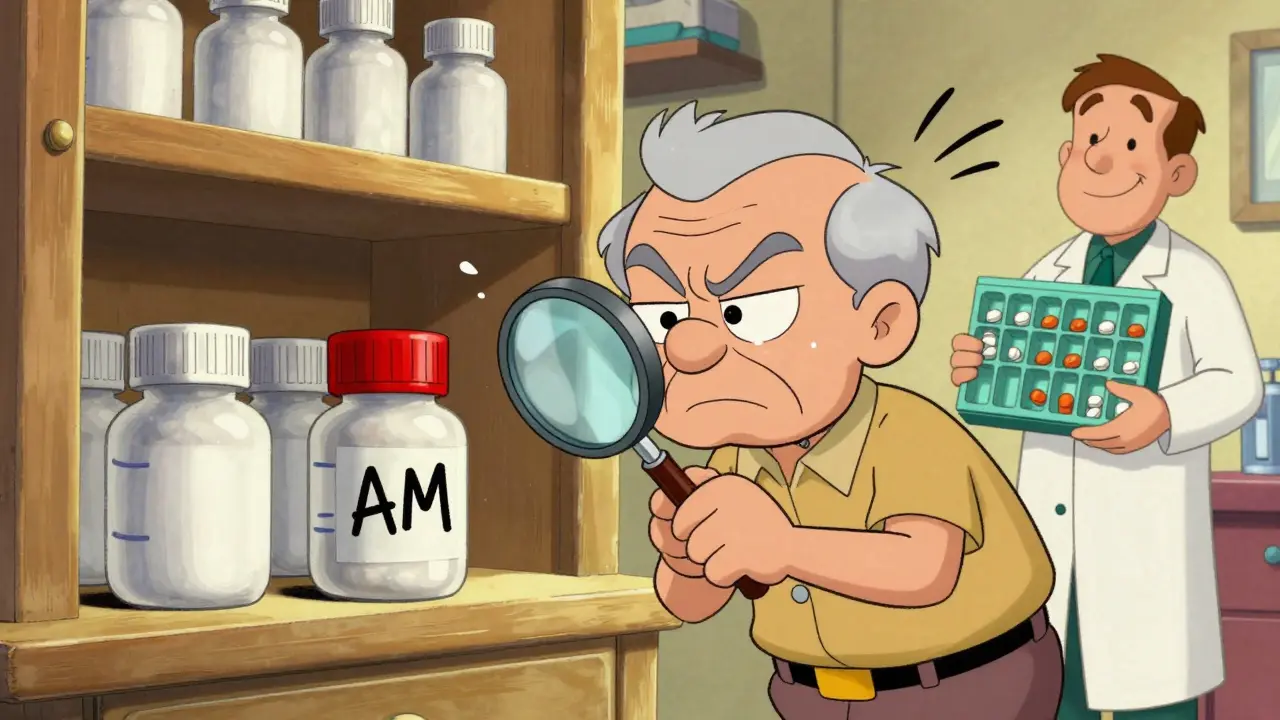
People with low vision or hearing loss face dangerous risks when managing medications. Learn practical, proven ways to prevent errors-from color-coding bottles to talking pill dispensers-and how to demand safer labeling from pharmacies.
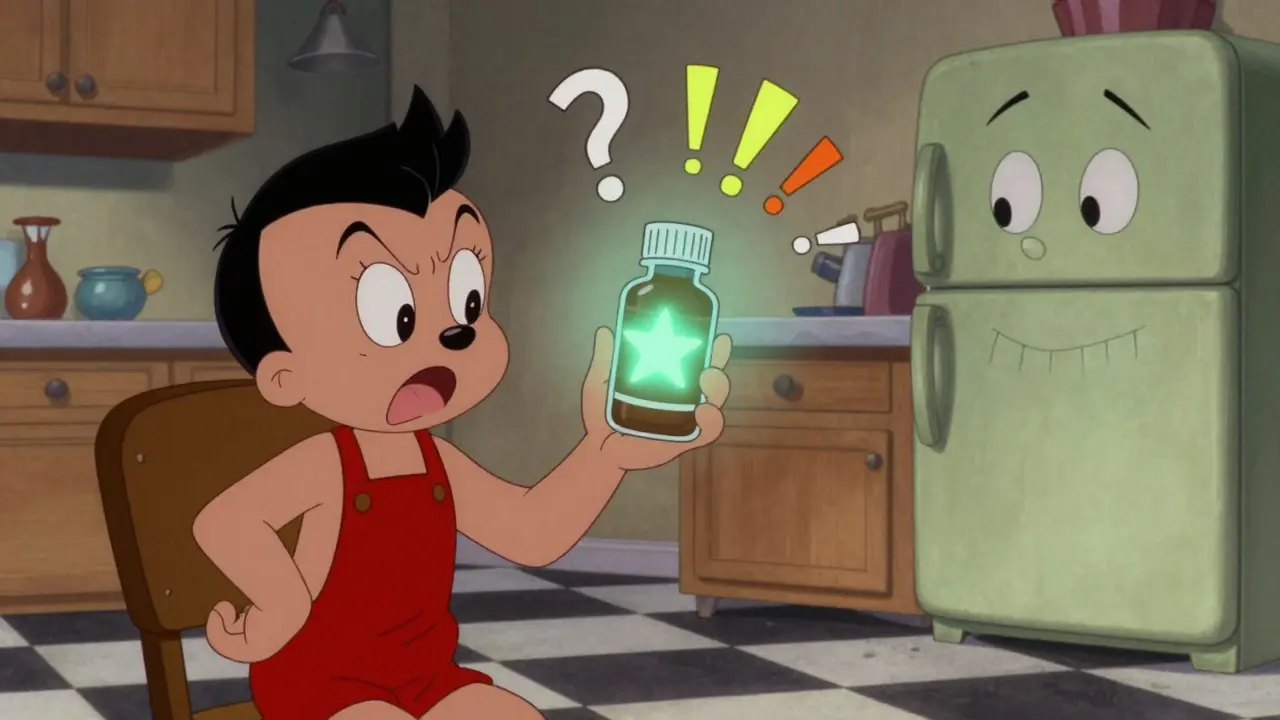
Learn how to spot fake medication packaging and seals with simple visual checks, UV light tests, and QR code verification. Know the signs of counterfeit drugs and how to report them.
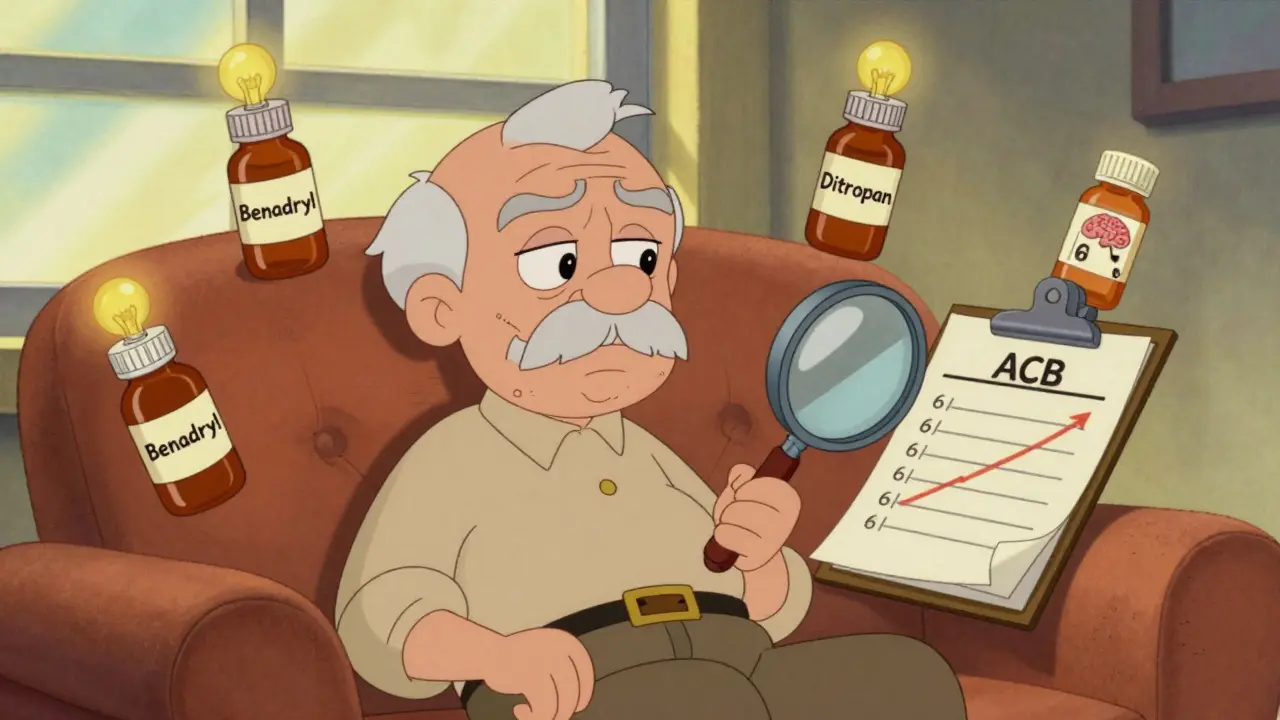
Anticholinergic burden from common medications like Benadryl and oxybutynin can accelerate memory loss and dementia risk in older adults. Learn which drugs are dangerous, how they affect the brain, and what safer alternatives exist.
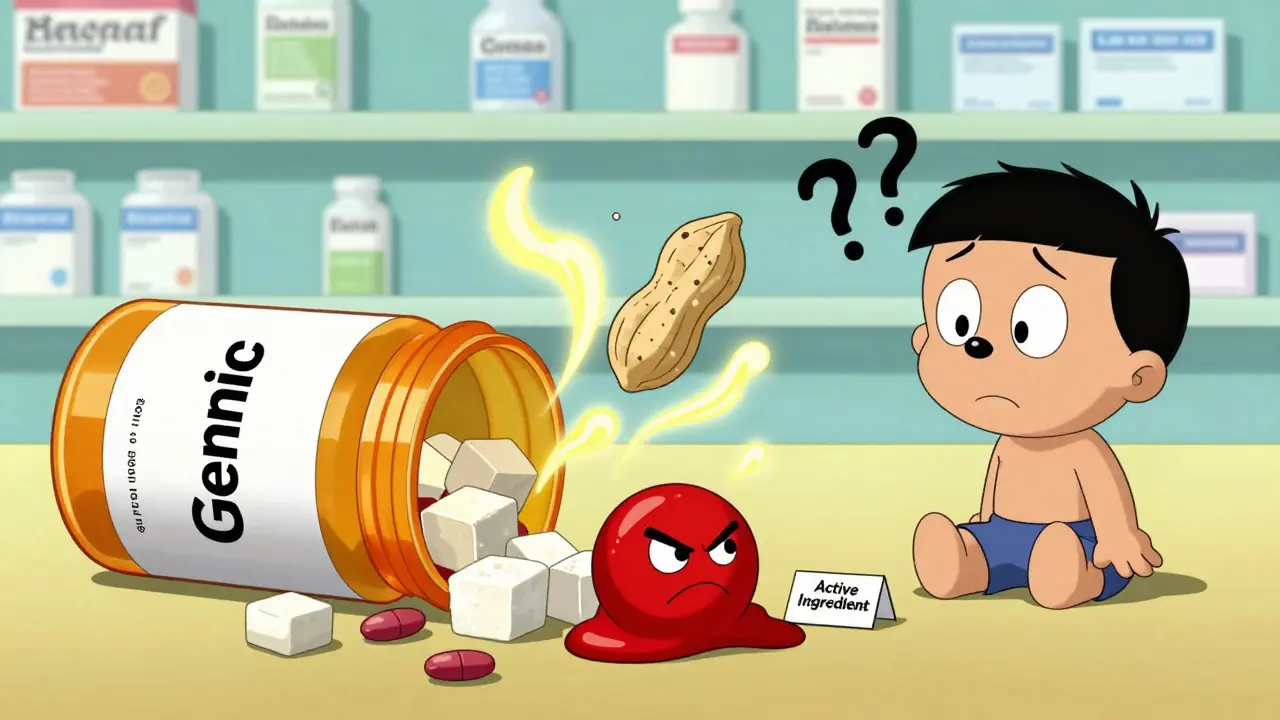
Generic medications save money but may contain different inactive ingredients than brand-name drugs. These fillers can trigger reactions in sensitive individuals-here's what to watch for and how to stay safe.

Herbal supplements in pregnancy are widely used but poorly studied. Ginger is safe for nausea, but many others like raspberry leaf and chamomile carry unknown risks. Always talk to your provider before taking anything.
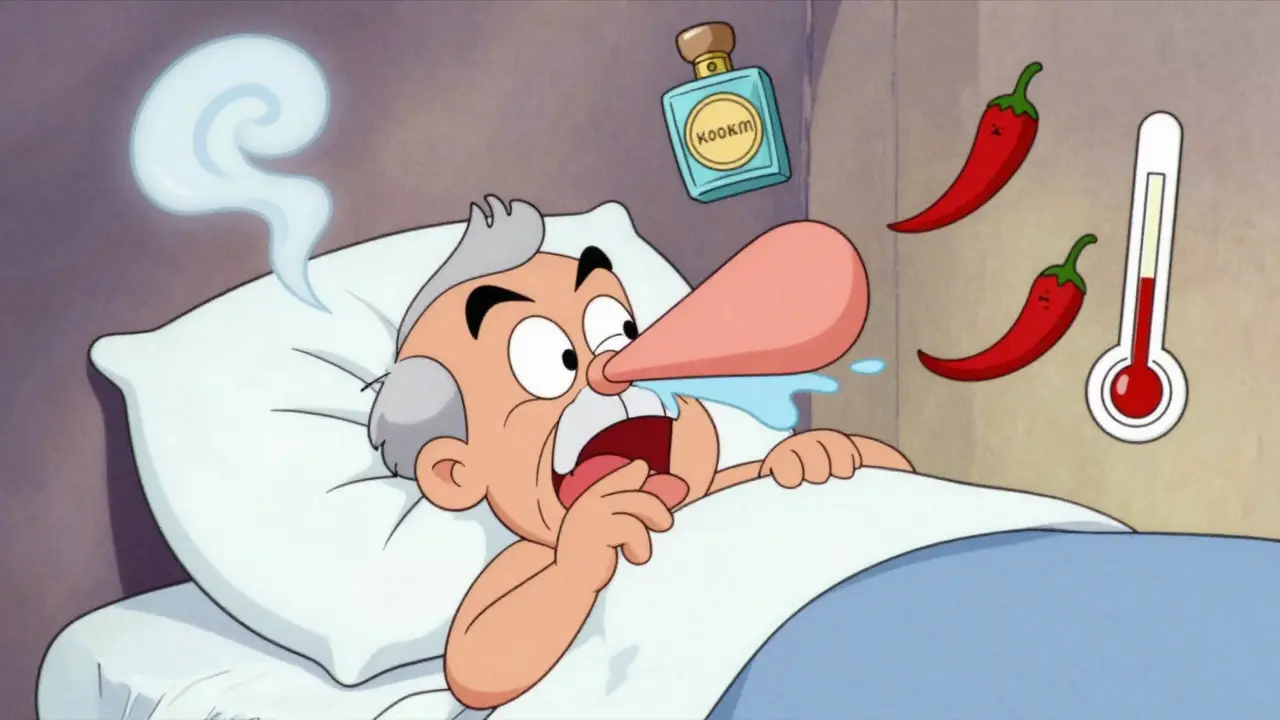
Nonallergic rhinitis causes chronic nasal symptoms without allergies. Learn the real triggers-like weather, food, and medications-and how saline, ipratropium, and nasal steroids can finally bring relief.
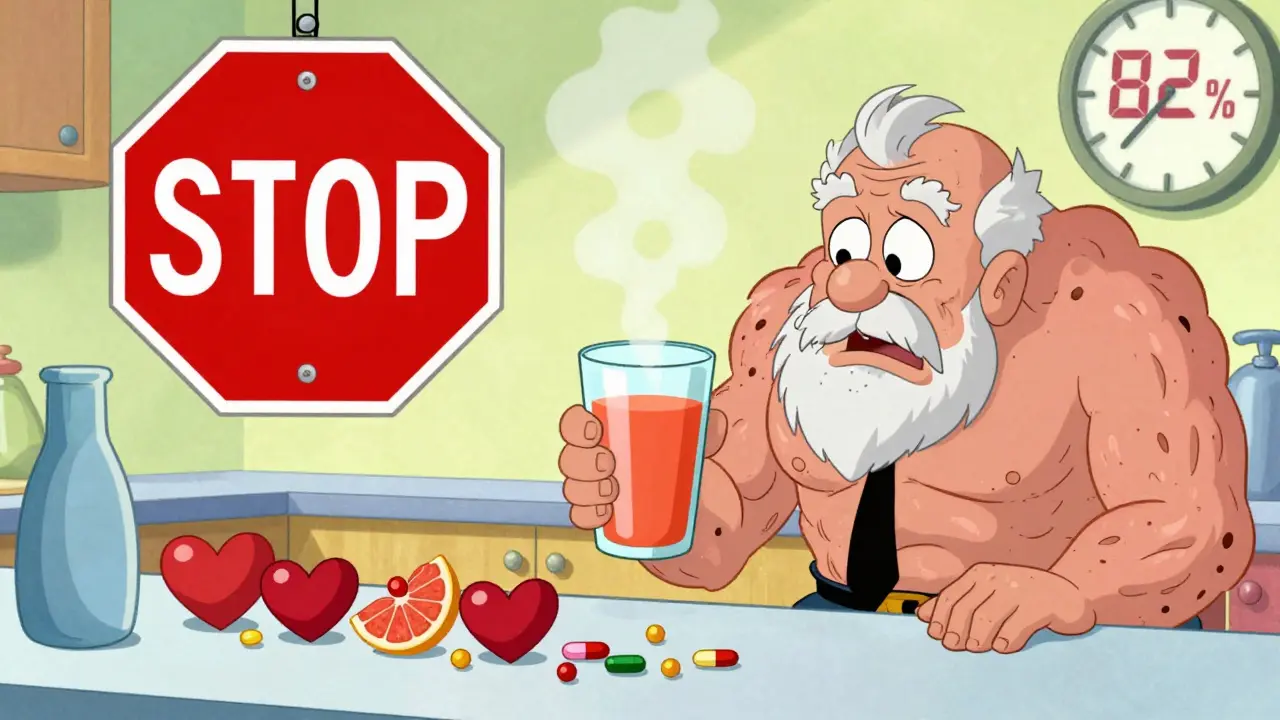
Combining multiple heart medications can lead to dangerous interactions. Learn which drug combinations are unsafe-like statins with grapefruit juice or NSAIDs with blood pressure meds-and how to protect yourself from life-threatening side effects.