
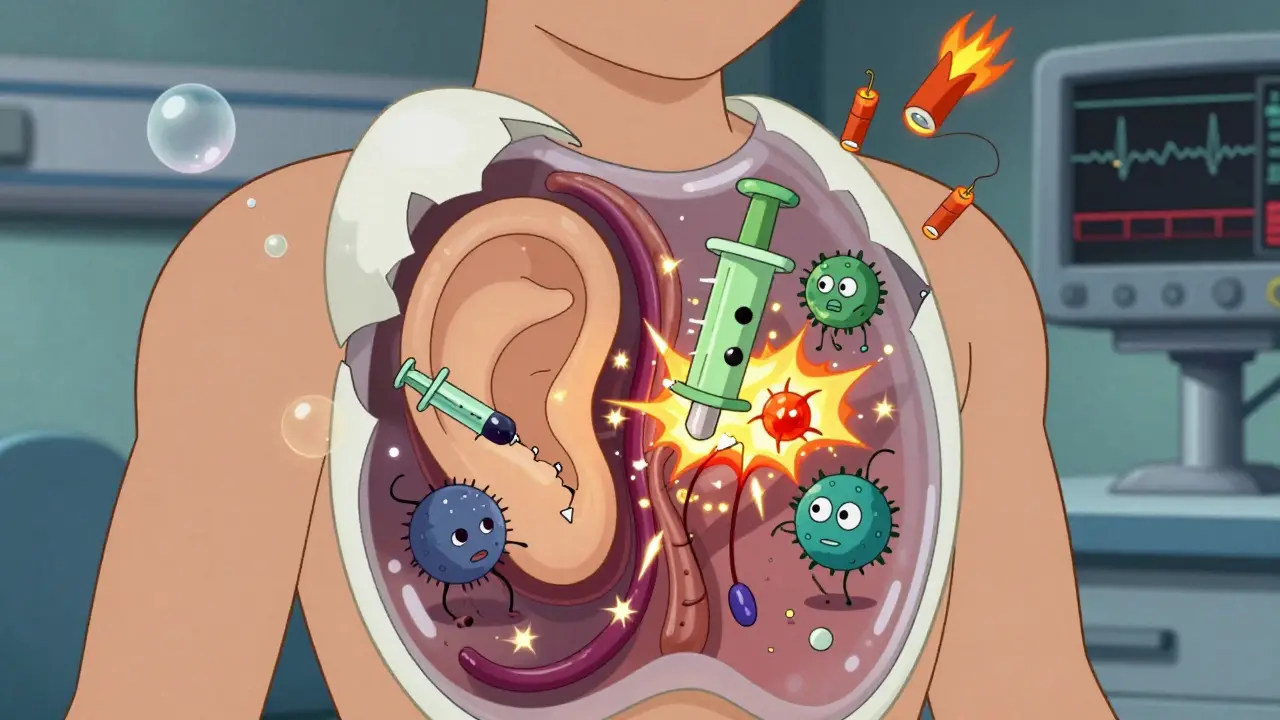
Aminoglycoside antibiotics can cause permanent hearing loss and balance damage in 20-47% of patients. Learn how these drugs destroy inner ear cells, who’s most at risk, and what you can do to protect yourself.
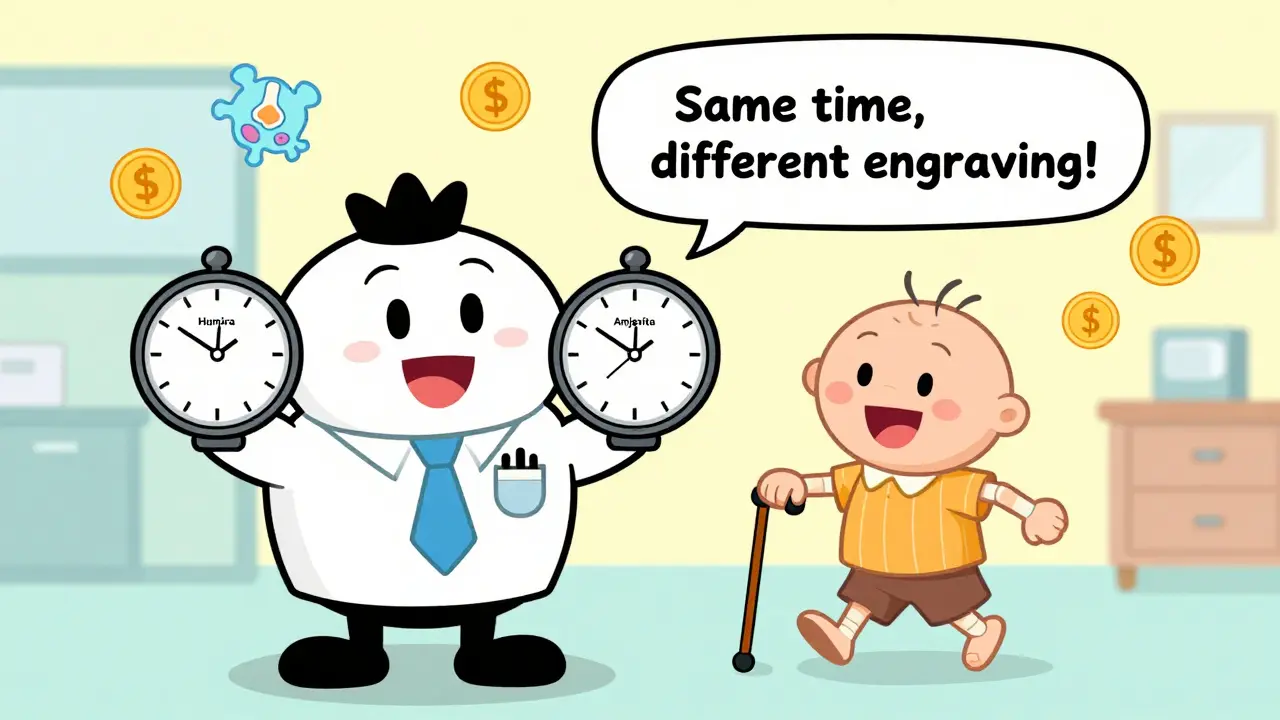
Biosimilar medications are scientifically proven to be as safe and effective as their brand-name biologics. With over a billion patient treatment days tracked, they offer major cost savings without compromising outcomes.
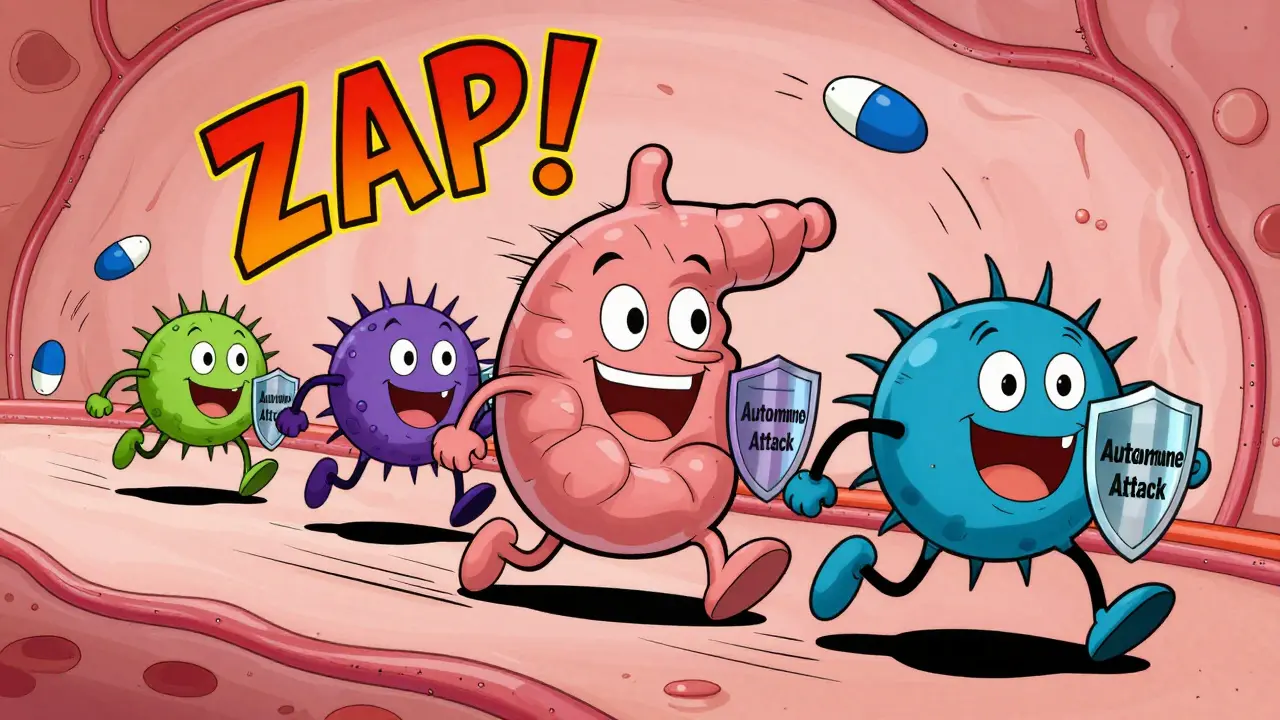
Type 1 diabetes is an autoimmune disease that destroys insulin-producing cells in the pancreas. Learn how immune attacks begin years before symptoms, why insulin alone isn't enough, and how new therapies like teplizumab and stem cell transplants are changing management.
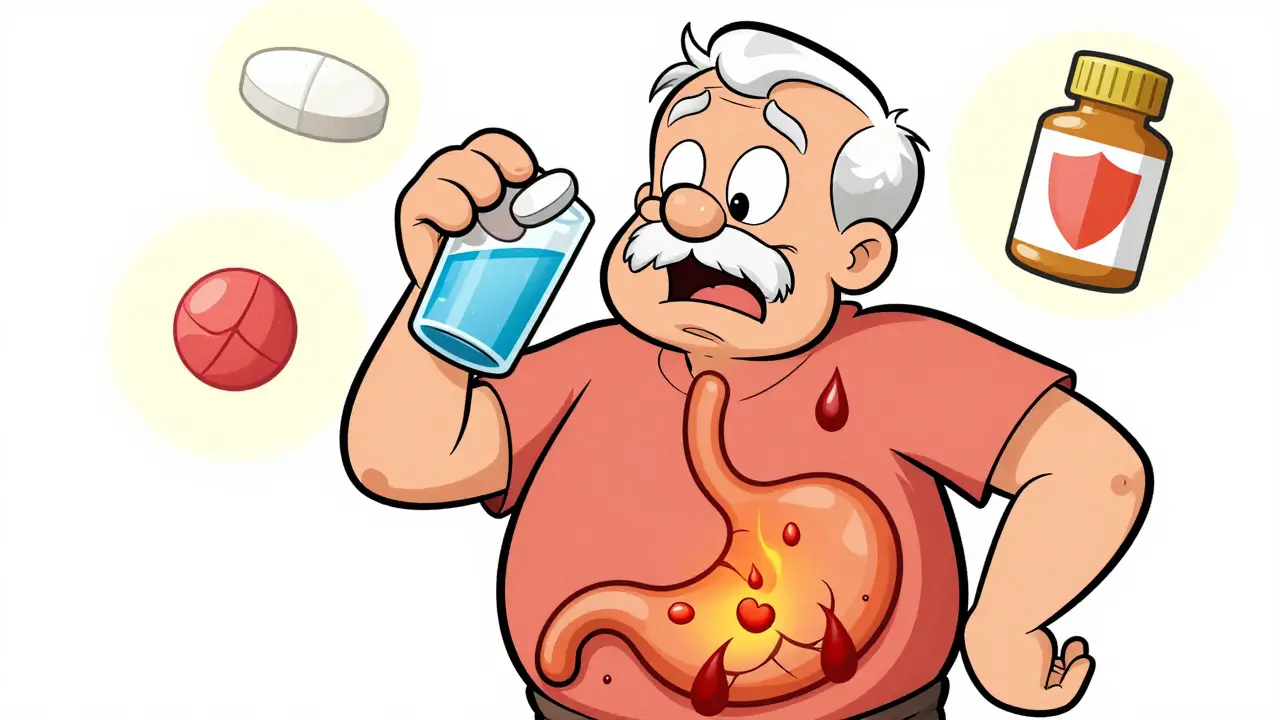
Antiplatelet medications like aspirin and clopidogrel prevent heart attacks but raise the risk of serious stomach bleeding. Learn who's most at risk, how to protect your gut with PPIs, and what to do if you bleed.
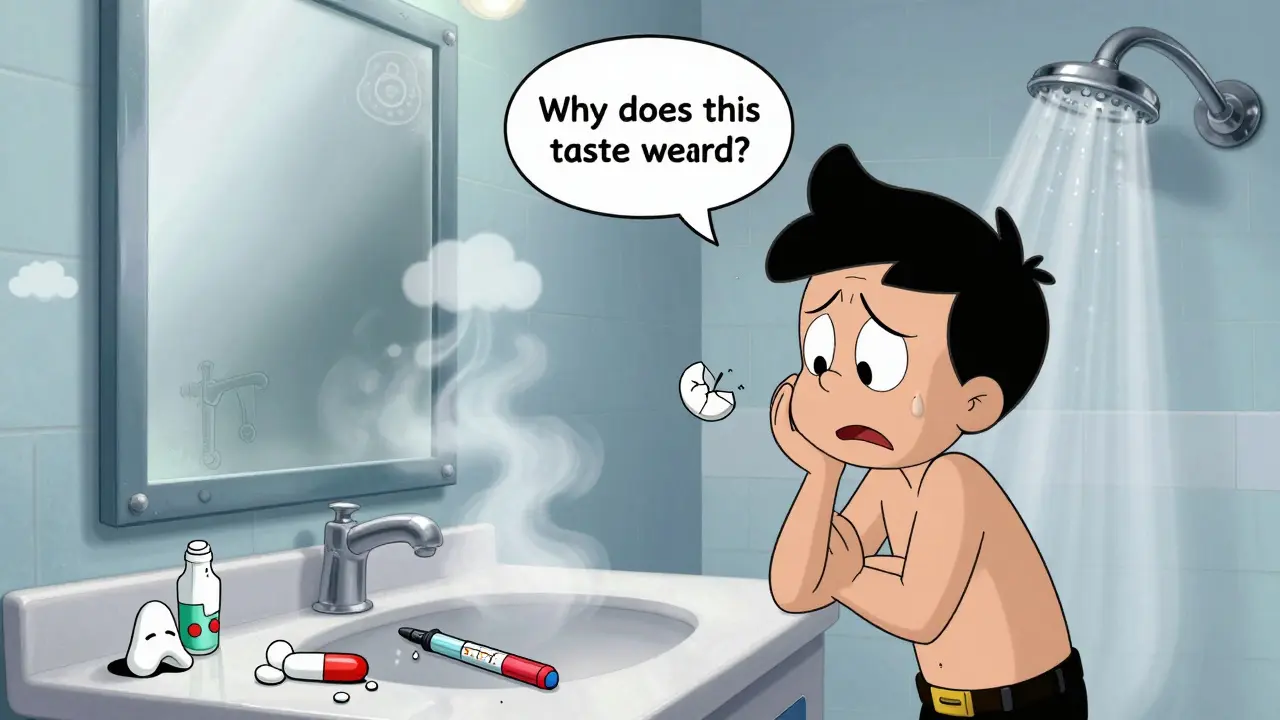
Storing medications in the bathroom can weaken their effectiveness and create safety risks. Learn why humidity, heat, and easy access make this common habit dangerous-and where to store your pills instead.
Black box warnings are the FDA's strongest safety alerts for prescription drugs, signaling serious or life-threatening risks. Learn what they mean, why they exist, and how to respond if your medication has one.
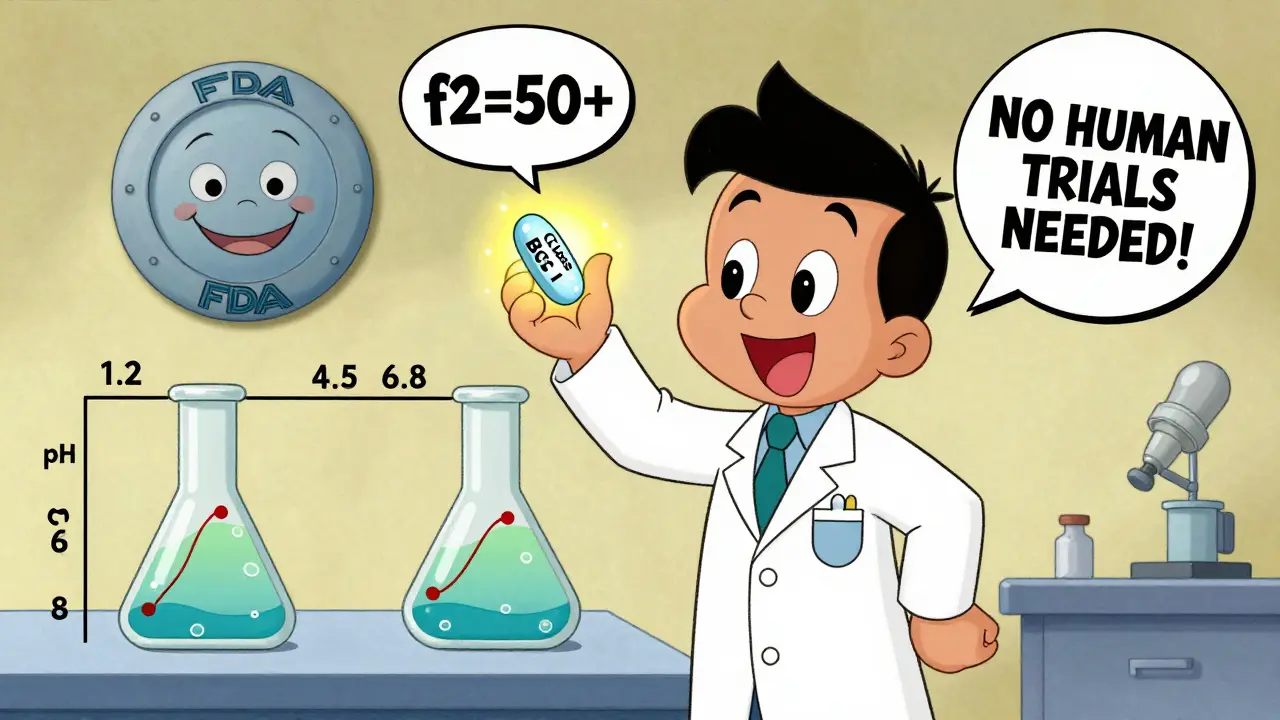
The FDA allows generic drugmakers to skip human trials for certain medications using bioequivalence waivers. Here's how science-based in vitro testing replaces costly clinical studies - and saves patients money.
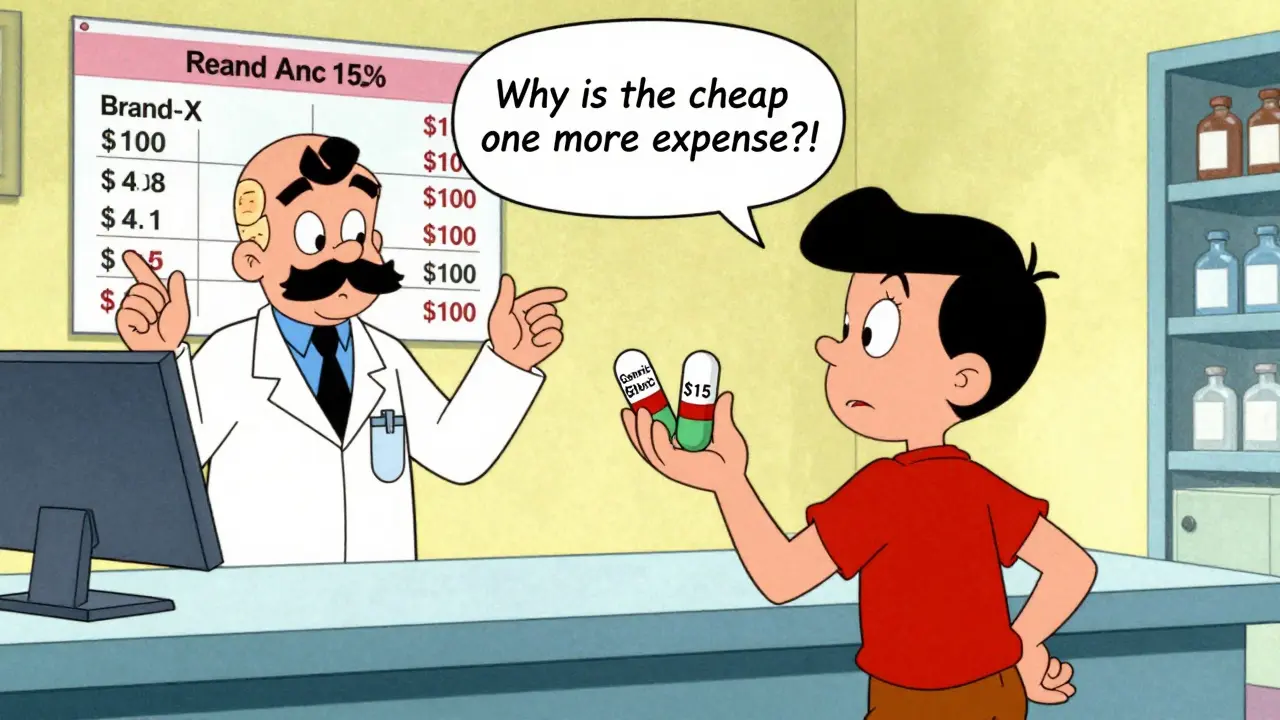
Generic drugs cost far less than brand-name versions, but out-of-pocket costs can be misleading - especially with Medicare Part D. Learn why sometimes generics cost more, how insurance design affects your bill, and how to save by paying cash.

Learn how to read expiration dates on medication packaging, understand the difference between manufacturer and pharmacy dates, and know which drugs are risky to use after they expire. Stay safe with clear, practical tips backed by FDA and Health Canada guidelines.
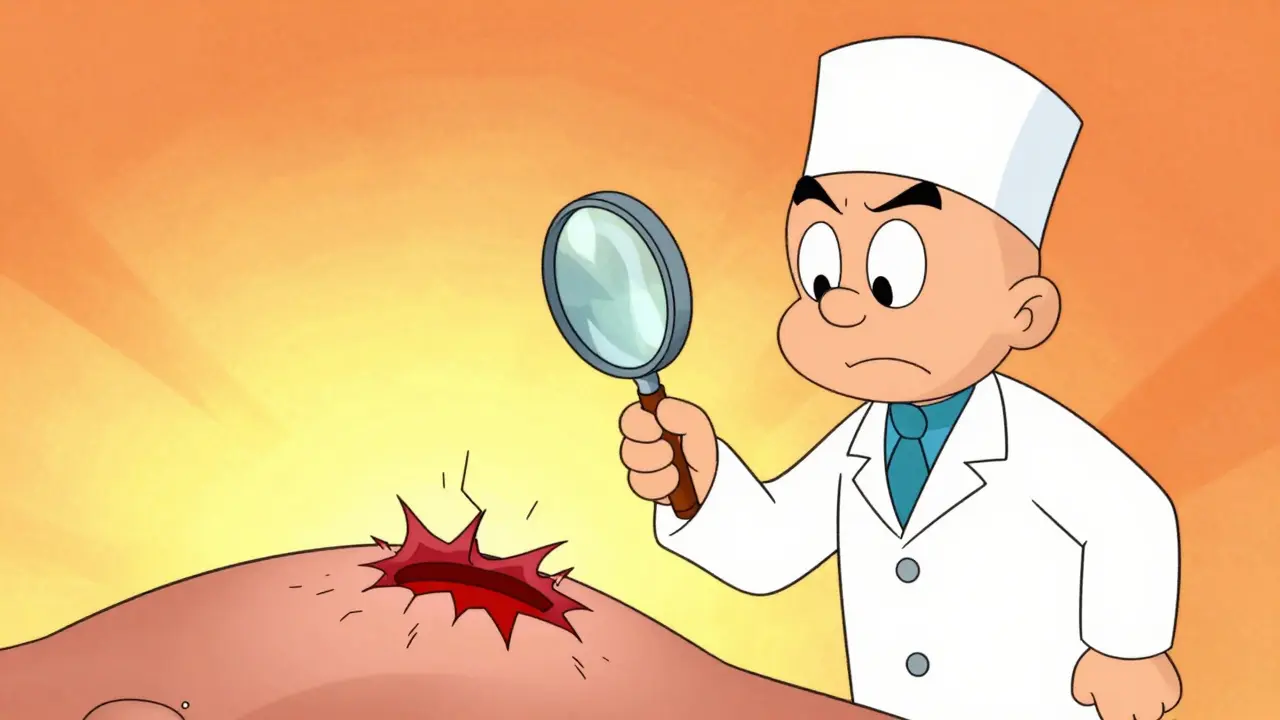
Sirolimus, a key immunosuppressant for organ transplants, can complicate wound healing if not timed properly. Learn how surgical risks, risk factors, and modern guidelines help balance benefits and complications. Practical strategies for safer use in transplant patients.

Understanding medication expiration dates ensures safety and effectiveness. Learn how to interpret date formats, spot high-risk medications, and store drugs properly. Health Canada and FDA guidelines help you avoid risks from expired medicines.
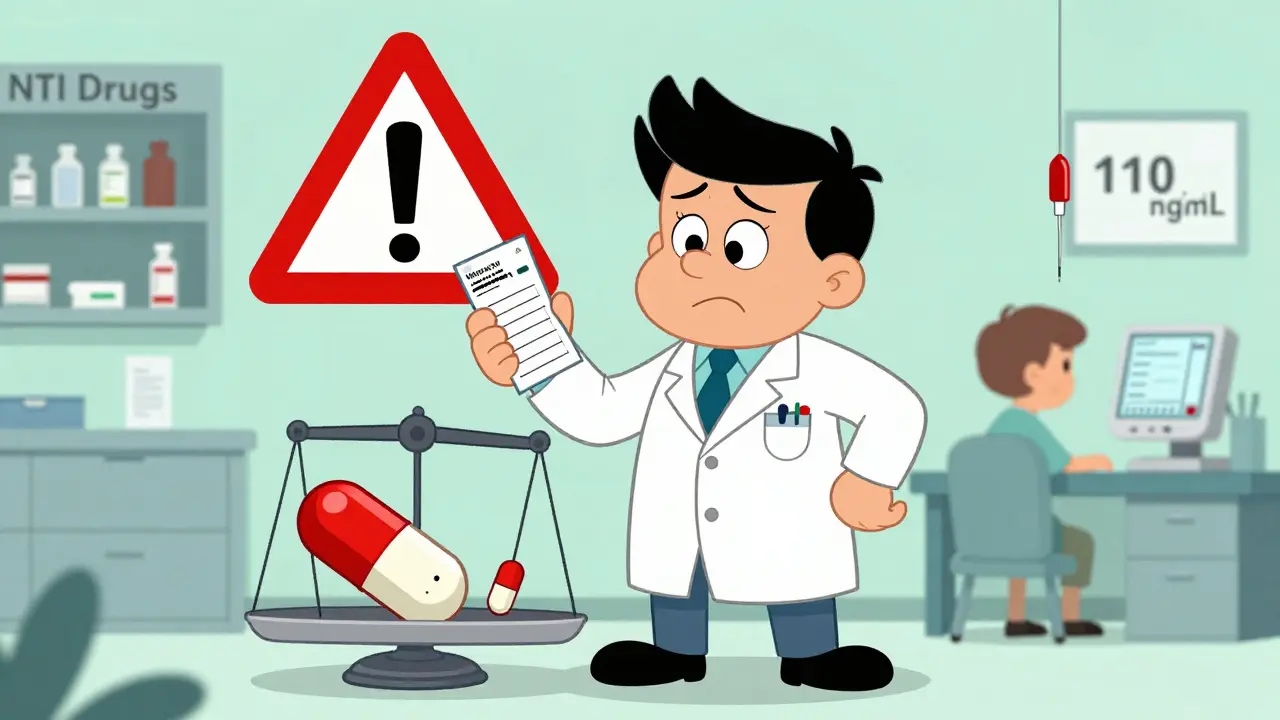
Prescribers remain cautious about substituting generic drugs for narrow therapeutic index (NTI) medications like warfarin and levothyroxine due to risks of instability. While the FDA affirms generic safety, real-world data shows prescribers prioritize patient stability, leading to state-level restrictions and ongoing debate over substitution practices.