

Sirolimus Timing Calculator
Surgical Procedure Type
Select the type of surgery to determine the optimal starting window for sirolimus
Risk Factors
Select applicable risk factors that may affect healing
Additional Considerations
Optimal Sirolimus Start Time
Sirolimus (rapamycin) is a critical immunosuppressant used after organ transplants to prevent rejection. But for surgeons and transplant teams, it's a double-edged sword: while it protects new organs, it can severely disrupt wound healing. A 2007 study in the Journal of the American Society of Nephrology found that Sirolimus reduces wound strength by up to 40% in animal models. This isn't just theoretical-real patients face higher risks of dehiscence, infections, and delayed recovery. The key question isn't whether to use sirolimus, but when and how to use it safely.
How Sirolimus Disrupts Wound Healing
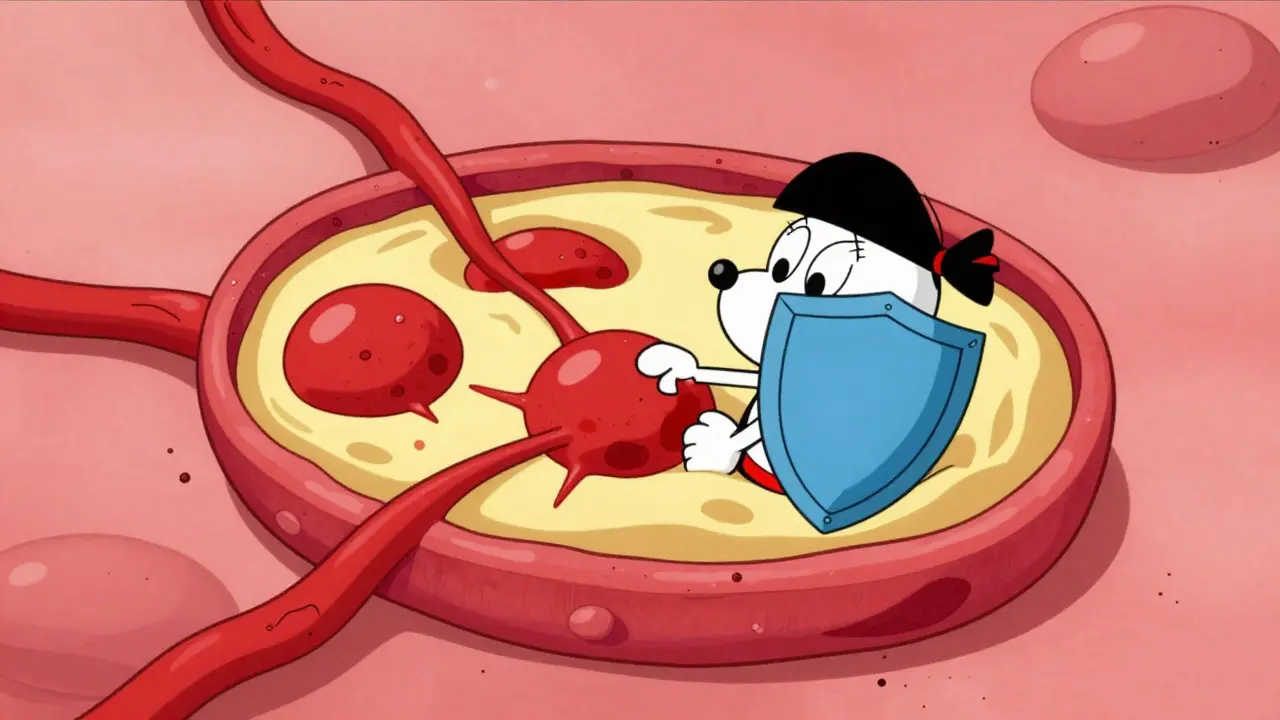
Sirolimus is an mTOR inhibitor that blocks a key cellular pathway involved in tissue repair. When patients take sirolimus, it interferes with several critical healing processes. For example, it suppresses vascular endothelial growth factor (VEGF), a protein essential for blood vessel formation in new tissue. Without enough VEGF, wounds can't get the oxygen and nutrients they need to heal properly.
Research from the University of California shows sirolimus concentrations in wound fluid can be 2-5 times higher than in the bloodstream. This means the drug directly targets healing tissues. Studies using rat models demonstrated that at therapeutic doses (2-5 mg/kg/day), sirolimus reduced wound breaking strength by 30-40% and cut collagen deposition by 25%. Collagen is the structural "glue" that holds wounds together, so less collagen means weaker healing.
Additionally, sirolimus slows down fibroblast and smooth muscle cell growth. Fibroblasts produce collagen and other matrix proteins, while smooth muscle cells help close wounds. When these cells can't multiply properly, wounds take longer to close and are more likely to reopen.
When to Start Sirolimus After Surgery
Timing is everything. Many transplant centers delay sirolimus initiation for 7-14 days after surgery to let wounds heal. This isn't arbitrary-it's based on solid evidence. A 2009 study in Frontiers in Pharmacology found that wounds are most vulnerable during the first week post-surgery. During this period, the body is actively rebuilding tissue, and sirolimus can severely disrupt that process.
However, blanket avoidance isn't always necessary. The American Society of Transplantation's 2021 guidelines emphasize personalized timing. For example, patients undergoing minor procedures like dental work or skin biopsies may safely start sirolimus sooner than those with major abdominal surgeries. Dr. Mabood Khalil's 2008 Mayo Clinic study on dermatologic surgery showed no statistically significant increase in wound complications for patients on sirolimus during minor procedures. But for complex surgeries like kidney transplants, waiting two weeks is still common practice.
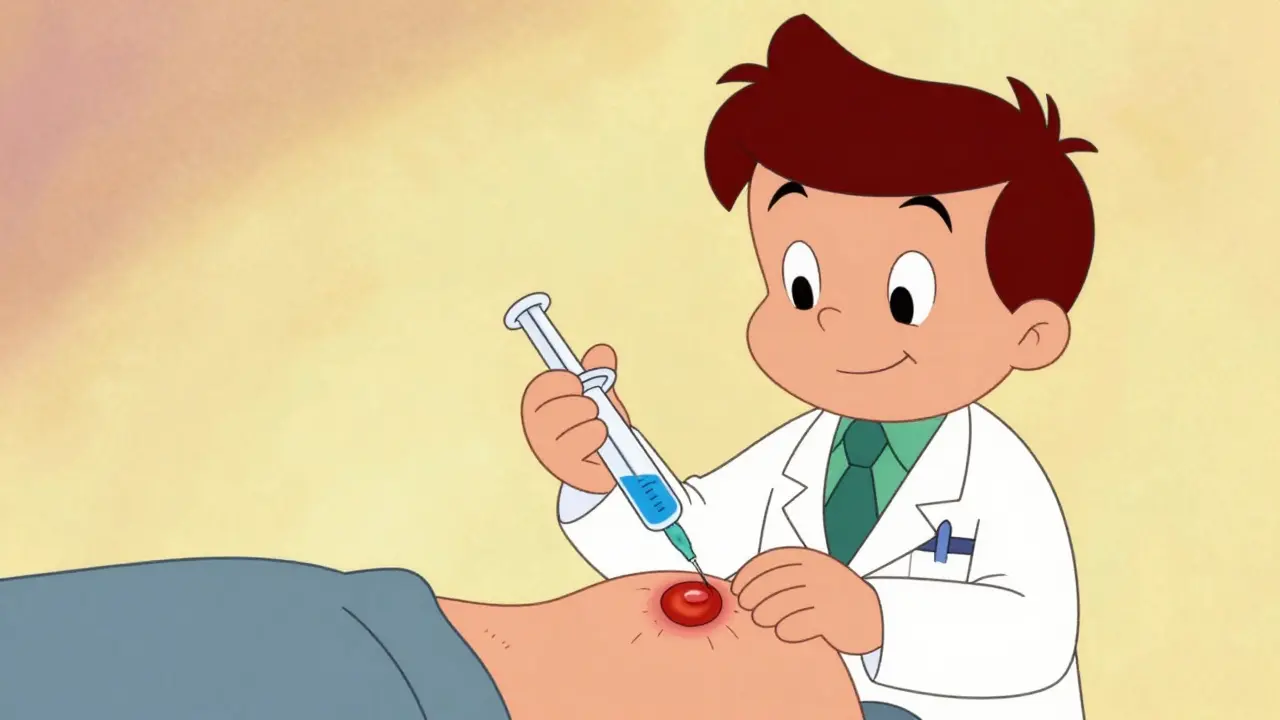
One critical factor is the patient's surgical wound type. Deep abdominal incisions or graft sites require more healing time than superficial cuts. Surgeons often check wound stability before starting sirolimus, looking for signs like intact sutures, minimal drainage, and no signs of infection.
Key Risk Factors That Impact Healing
Not all patients face the same risks. Some factors are modifiable-things you can change before surgery. Others are fixed, like age or genetics. Understanding these helps tailor sirolimus use.
| Risk Factor | Modifiable? | Management Strategy |
|---|---|---|
| Obesity (BMI >30) | No | Preoperative weight management; consider alternative immunosuppressants |
| Diabetes | Yes | Tight glucose control (HbA1c <7%) for at least 4 weeks pre-op |
| Smoking | Yes | Quit smoking at least 4 weeks before surgery |
| Protein-energy malnutrition | Yes | Nutritional supplementation with high-protein diet |
| Chronic kidney disease | No | Monitor creatinine levels; adjust sirolimus dose |
Dr. Abdul Al-Ghamdi's 2022 Wiley publication notes that "earlier concerns about wound complications were based on outdated practices." With better risk assessment, many patients can safely use sirolimus. For instance, a BMI over 30 significantly increases risk, but even in obese patients, optimizing other factors like blood sugar and nutrition can reduce complications.
Practical Strategies to Minimize Complications
Managing sirolimus requires proactive steps. Here's what works:
- Preoperative optimization: Address modifiable risks. For diabetics, ensure HbA1c is below 7% for at least a month before surgery. Smokers must quit for 4+ weeks-this isn't optional. Protein malnutrition is fixed by pre-op supplements; studies show 20-30g of daily protein can improve healing.
- Postoperative monitoring: Check wounds daily for signs of infection or dehiscence. If drainage increases or sutures loosen, hold off on sirolimus until the wound stabilizes.
- Dose adjustments: Keeping sirolimus trough levels between 4-6 ng/mL during the first 30 postoperative days reduces complications. Higher levels (above 8 ng/mL) increase risks significantly.
- Alternative immunosuppressants: For high-risk patients, some centers use calcineurin inhibitors like tacrolimus instead of sirolimus. However, this trade-off must be weighed against nephrotoxicity risks.
The 2022 Cambridge Media study explains that VEGF suppression is a major issue. By monitoring VEGF levels in wound fluid, doctors can predict healing issues. If VEGF is low, they might delay sirolimus or use topical treatments to boost VEGF.
Evolving Clinical Guidelines and Best Practices
What used to be strict avoidance is now nuanced. The American Society of Transplantation's 2021 guidelines say there's no one-size-fits-all timing. Instead, they recommend:
- Assessing surgical complexity: Major surgeries (e.g., kidney transplant) need longer delays than minor procedures.
- Checking patient risk factors: A diabetic smoker with high BMI needs more precautions than a non-smoking, healthy-weight patient.
- Using trough level monitoring: Maintaining sirolimus between 4-6 ng/mL in the first month lowers complication rates.
- Considering alternatives: For patients with high wound risk, switching to tacrolimus early may be safer.
Dr. Hideki Chong's team found that mTOR inhibitors like sirolimus remain vital for patients at high risk of cancer after transplant. Their antineoplastic effects outweigh healing risks when managed properly. "We're not avoiding sirolimus-we're using it smarter," Chong says.
Real-world data from 2023 shows centers using risk-stratified approaches have cut wound complications by 35% compared to blanket protocols. For example, a Cleveland Clinic study found that delaying sirolimus until day 10 for high-risk patients reduced dehiscence rates from 12% to 4%.
Frequently Asked Questions
How long should I wait to start sirolimus after surgery?
For most major surgeries like kidney transplants, experts recommend waiting 7-14 days. Minor procedures like skin biopsies may allow earlier initiation. Always follow your surgeon's personalized plan based on wound stability and risk factors.
Does sirolimus increase infection risk after surgery?
Yes, sirolimus can raise infection risk by suppressing immune cells needed for healing. However, studies like the Mayo Clinic's 2008 research show infection rates are manageable with proper wound care and timing. For example, 19.2% of sirolimus patients had infections versus 5.4% in controls, but this wasn't statistically significant due to small sample sizes. Current guidelines emphasize combining sirolimus with other immunosuppressants at lower doses to balance risks.
Can I take sirolimus if I'm diabetic?
Yes, but tight glucose control is critical. Diabetics on sirolimus should aim for HbA1c below 7% for at least 4 weeks before surgery. Poorly controlled diabetes combined with sirolimus increases wound breakdown risk by 3-5 times. Work with your endocrinologist to optimize blood sugar levels pre-op.
What's the safest sirolimus dose for wound healing?
Trough levels between 4-6 ng/mL during the first 30 postoperative days minimize complications. Higher levels (>8 ng/mL) increase risks significantly. Most centers start with a lower dose (e.g., 1 mg daily) and adjust based on blood tests. Always monitor levels closely in the first month.
Are there alternatives to sirolimus for transplant patients?
Yes. Calcineurin inhibitors like tacrolimus are common alternatives, though they carry nephrotoxicity risks. For patients with high cancer risk, mTOR inhibitors may still be preferred despite wound healing concerns. Your transplant team will weigh benefits like cancer prevention against healing risks. Some centers use a "hybrid" approach-starting with tacrolimus and switching to sirolimus after wounds heal.


Mark Harris
February 6, 2026 AT 16:47Sirolimus timing is KEY! Wait 7-14 days after surgery to avoid complications. It works!
Sarah B
February 7, 2026 AT 13:28US leads in transplant Sirolimus timing must be strict no compromises
Eric Knobelspiesse
February 7, 2026 AT 17:11u r right but sirolimus is needd for organ rejection. maybe find a balence? but studies show 2-5x higher concentration in wound fluid. so timing is everything
Ritu Singh
February 8, 2026 AT 10:38Current guidelines from the American Society of Transplantation recommend a 7-14 day delay for sirolimus initiation post-surgery to ensure adequate wound healing. This is supported by multiple studies.
Jesse Lord
February 10, 2026 AT 00:54This is important. Many forget that minor procedures like dental work may not need such a long wait. But for major surgeries like kidney transplants, waiting two weeks is safer.
AMIT JINDAL
February 10, 2026 AT 06:24Sirolimus is a double-edged sword for sure 😅. It's crucial for preventing rejection but messes with wound healing. The key is timing. For example, in minor surgeries like skin biopsies, it might be okay to start sooner, but for abdominal surgeries, wait 14 days. Also, factors like diabetes or obesity make it worse. So personalized approach is best. 🤔
Savannah Edwards
February 11, 2026 AT 23:52I agree with the point about personalized timing. For instance, patients with diabetes have impaired healing, so even more caution is needed. A study from UC showed that sirolimus concentrations in wound fluid are 2-5 times higher than blood, so the local effect is significant. Therefore, the delay period should be adjusted based on individual risk factors.
Catherine Wybourne
February 13, 2026 AT 15:14Ah yes, the classic sirolimus dilemma. Wait 14 days, sure. But what if the patient's organ is about to reject? 😂. Maybe we should just give it sooner and deal with the wounds later. No wait, that sounds terrible. Anyway, the data says wait.
Gouris Patnaik
February 15, 2026 AT 02:58This is why we need strict protocols. If you're worried about rejection, use alternative immunosuppressants. Sirolimus is not the only option. Your 'dilemma' is a lack of knowledge.
Heather Burrows
February 15, 2026 AT 18:03Oh, sure. Because 'alternative immunosuppressants' are always better. That's why we use sirolimus. It's not like we have a choice. Maybe you should read the studies.
Marcus Jackson
February 16, 2026 AT 21:39The concentration in wound fluid is actually higher than 2-5x. Studies show up to 10x. You're missing the point. Also, VEGF suppression is the main issue. Not just collagen.
Mayank Dobhal
February 18, 2026 AT 16:59Minor procedures can start sirolimus sooner.
Natasha Bhala
February 19, 2026 AT 03:22With proper timing and monitoring, patients can benefit from sirolimus without major complications.
Tola Adedipe
February 19, 2026 AT 20:29You're right about needing protocols. But 'alternative immunosuppressants' aren't always viable. Sirolimus is often necessary. We need better guidelines for specific cases.