Have you ever looked at the expiration date on your medication and wondered, 'Is this still safe to take?' Many people assume that once a date passes, the medicine becomes dangerous. But the reality is more nuanced. Expiration dates aren't just about safety-they're about effectiveness. Understanding expiration dates on your medication packaging is crucial for your health and safety.
What Expiration Dates Really Mean
According to the FDA U.S. Food and Drug Administration, expiration dates indicate when a medication is guaranteed to maintain its full potency and safety under proper storage conditions. This standard began in 1979 when federal rules required all prescription and over-the-counter drugs to have clear expiration dates. Manufacturers test each drug's stability over time to determine this date. For example, most injectable medications last 2-5 years, while eye drops usually expire within 6 months to 2 years. Stability testing involves exposing drugs to heat, humidity, and light to simulate aging. This ensures the product remains effective until the expiration date.
How to Read Different Date Formats
| Format | Meaning |
|---|---|
| MM/YY | Expires on the last day of the month (e.g., 08/23 = August 31, 2023) |
| DD/MM/YYYY | Day, month, year (e.g., 15/08/2023 = August 15, 2023) |
| YYYY-MM-DD | Year, month, day (e.g., 2023-08-15 = August 15, 2023) |
In the United States, you might see 'MM/YY' like 08/23. This means the medication expires on August 31, 2023-the last day of that month. In Europe, dates are often written as 'DD/MM/YYYY', so 15/08/2023 means August 15, 2023. Canada follows similar formats, but Health Canada Canada's federal health department also requires the DIN Drug Identification Number on labels to verify product approval. The DIN is a unique 8-digit number that confirms the medication meets Canadian safety standards. Always check for this number when purchasing drugs in Canada.
Manufacturer vs. Pharmacy Expiration Dates
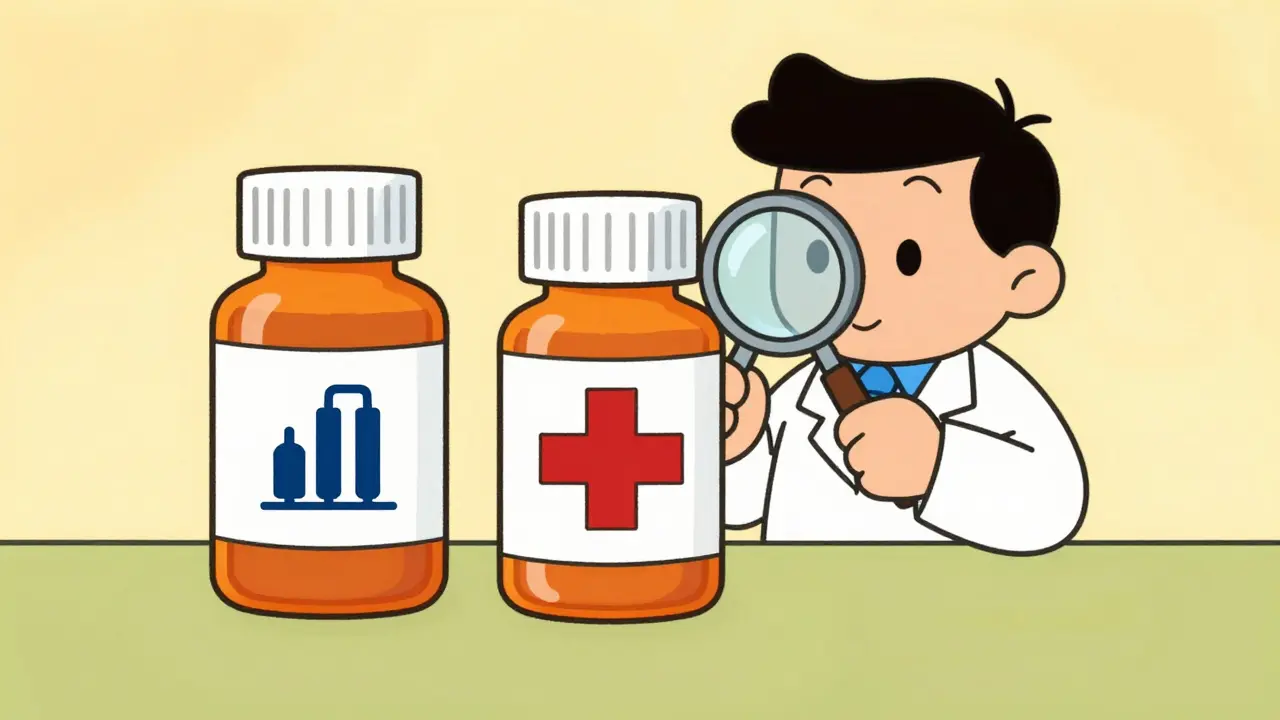
When you get a prescription from a pharmacy, the label might show a 'discard after' date that's different from the manufacturer's expiration date. For instance, a prescription of amoxicillin might have a manufacturer expiration date of 2025, but the pharmacy prints 'discard after 01/24' because antibiotic suspensions lose effectiveness quickly. This pharmacy date is based on how long the medication will stay stable once mixed or opened. Always check both dates-the manufacturer's original packaging and the pharmacy label-to know when to stop using it.
Pharmacy 'beyond-use' dates are usually shorter than manufacturer dates. For example, liquid antibiotics like amoxicillin may have a beyond-use date of just 14 days after being mixed, even if the manufacturer's original date is years away. This is because liquids degrade faster once opened. Solid pills or capsules often keep their potency longer, but it's still important to check both dates.
High-Risk Medications to Avoid After Expiration
While most medications remain safe past their expiration date, some pose serious risks. Insulin a hormone treatment for diabetes can lose potency quickly, leading to dangerous blood sugar levels. birth control pills hormonal contraception may fail to prevent pregnancy if expired. Thyroid medications like levothyroxine thyroid hormone replacement can become ineffective, causing health complications. The FDA notes that 90% of medications remain safe after expiration, but these critical treatments need fresh supply.
Tetracycline is a rare case where expired versions can become toxic, though this risk applies only to older manufacturing processes no longer in use. For most drugs, the main risk is reduced effectiveness-not immediate danger. Expired antibiotics might not treat infections properly, contributing to antibiotic resistance. Always consult a pharmacist before using any medication past its expiration date.
Practical Tips for Handling Expiration Dates
- Check both the original bottle and the pharmacy label. Sometimes the pharmacy's date is earlier.
- Look for changes in color, texture, or smell. If it looks different, don't use it.
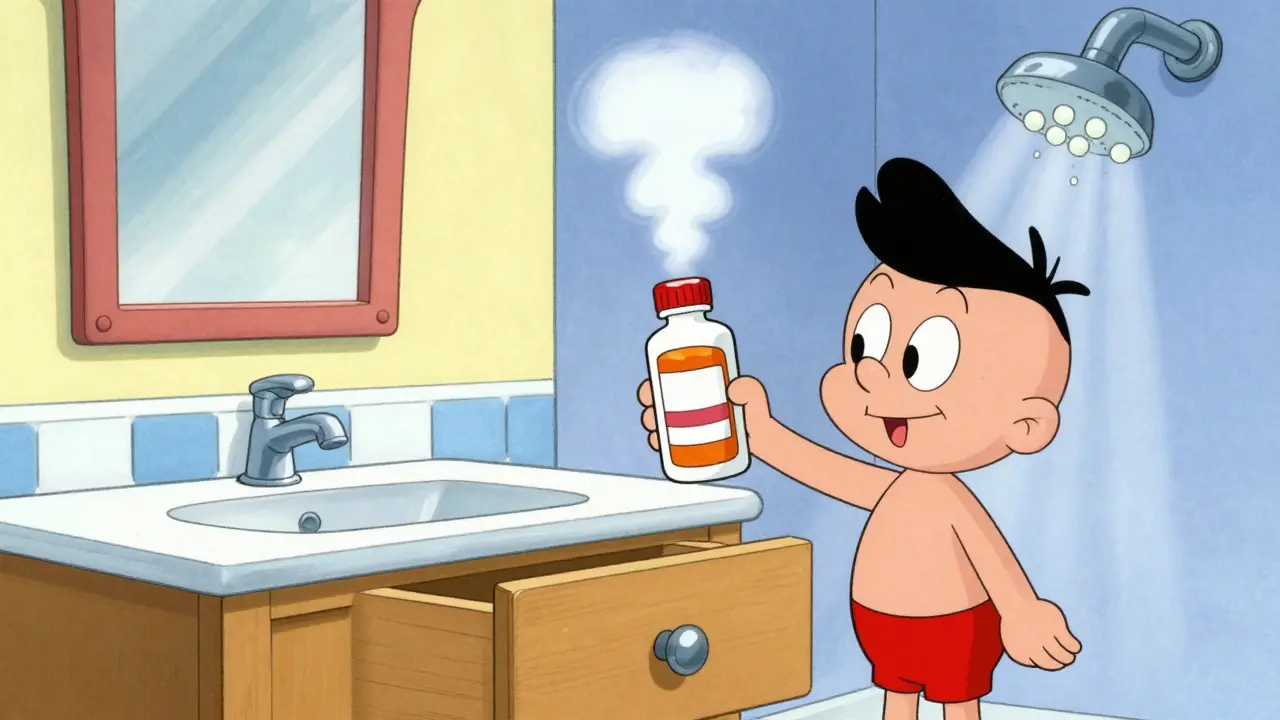
- Store medications properly. Heat, moisture, or light can degrade them faster than the expiration date suggests. Avoid keeping pills in bathrooms or cars.
- Ask your pharmacist: 'What's the manufacturer's expiration date?' when filling prescriptions.
- For critical medications like insulin or heart drugs, replace them before the date passes.
- Use apps like MedSafe to track multiple expiration dates.
Health Canada recommends checking the DIN number on labels to confirm your medication is approved for use in Canada. This number is usually printed near the expiration date and ensures the product meets safety standards. Many people store medications in bathrooms where humidity and heat can degrade them. Instead, keep them in a cool, dry place like a bedroom drawer. Avoid leaving pills in cars during summer-they can reach over 100°F in minutes.
Frequently Asked Questions
What happens if I take expired medication?
Most expired medications are safe to take but may not work as well. For example, expired ibuprofen might not relieve pain effectively. However, certain drugs like insulin, birth control pills, or antibiotics can be dangerous. Expired antibiotics might not treat infections properly, leading to antibiotic resistance. Always check with a pharmacist for high-risk medications.
Why do some medications have shorter expiration dates than others?
Medication stability depends on the drug's chemical makeup. Liquid medications like antibiotics degrade faster than solid pills. Insulin is sensitive to temperature changes and loses potency quickly. Eye drops often contain preservatives that break down over time. Manufacturers test each product's stability to determine the safest expiration date. For example, a pill might last 3 years, while an eye drop might expire in 1 year.
Can I use expired antibiotics?
No. Expired antibiotics may not kill bacteria effectively, which can lead to antibiotic resistance. This happens when bacteria survive treatment and become stronger. In serious infections, this could mean the medicine doesn't work at all. Always replace antibiotics before their expiration date and never use leftover pills from old prescriptions.
How do I safely dispose of expired medications?
Never flush medications down the toilet or throw them in the trash. Many pharmacies offer take-back programs for safe disposal. In Canada, you can drop off expired drugs at participating pharmacies or local hazardous waste facilities. Some communities also have drug disposal events. This prevents environmental contamination and keeps medications out of the wrong hands.
Does storing medication in a cool place extend its life?
Yes. Proper storage keeps medications stable until their expiration date. Heat, moisture, and light accelerate degradation. For example, keeping pills in a bathroom cabinet exposes them to steam and humidity, which can break them down faster. Store medications in a dry, dark place like a bedroom drawer. Some drugs, like insulin, require refrigeration. Always follow the storage instructions on the label.