
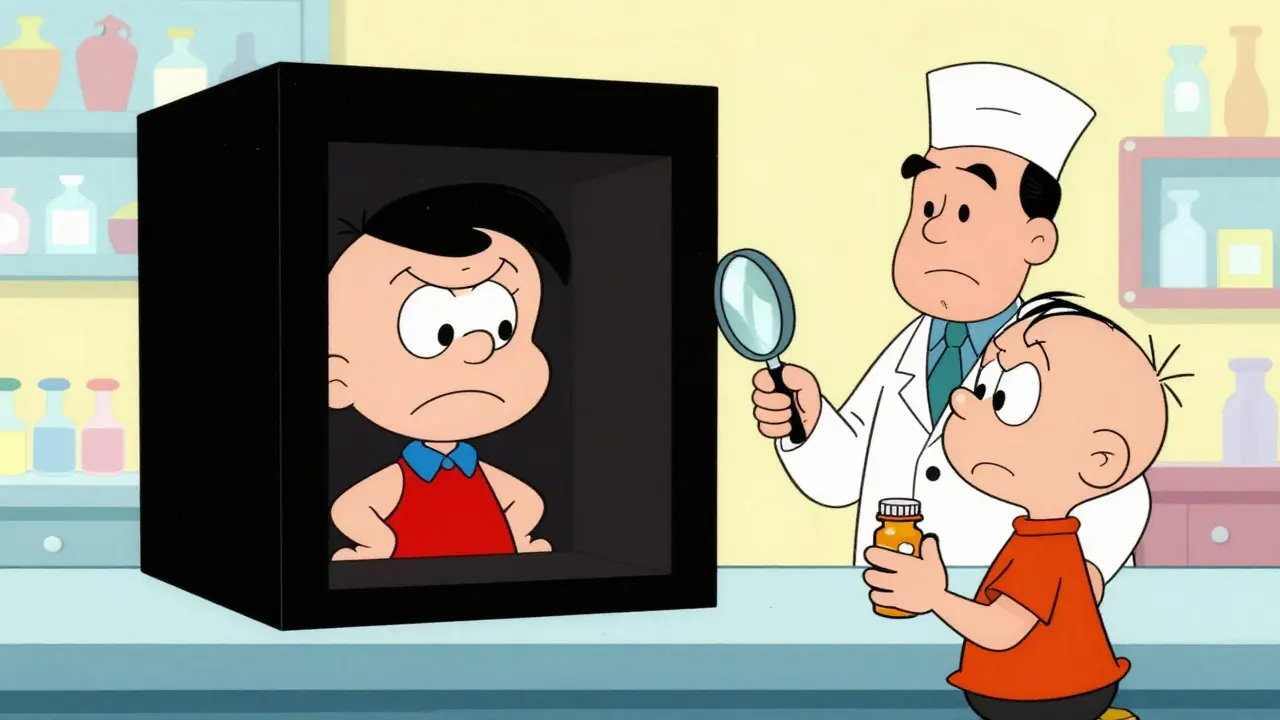
Black box warnings are the FDA's strongest safety alerts for prescription drugs, signaling serious or life-threatening risks. Learn what they mean, why they exist, and how to respond if your medication has one.
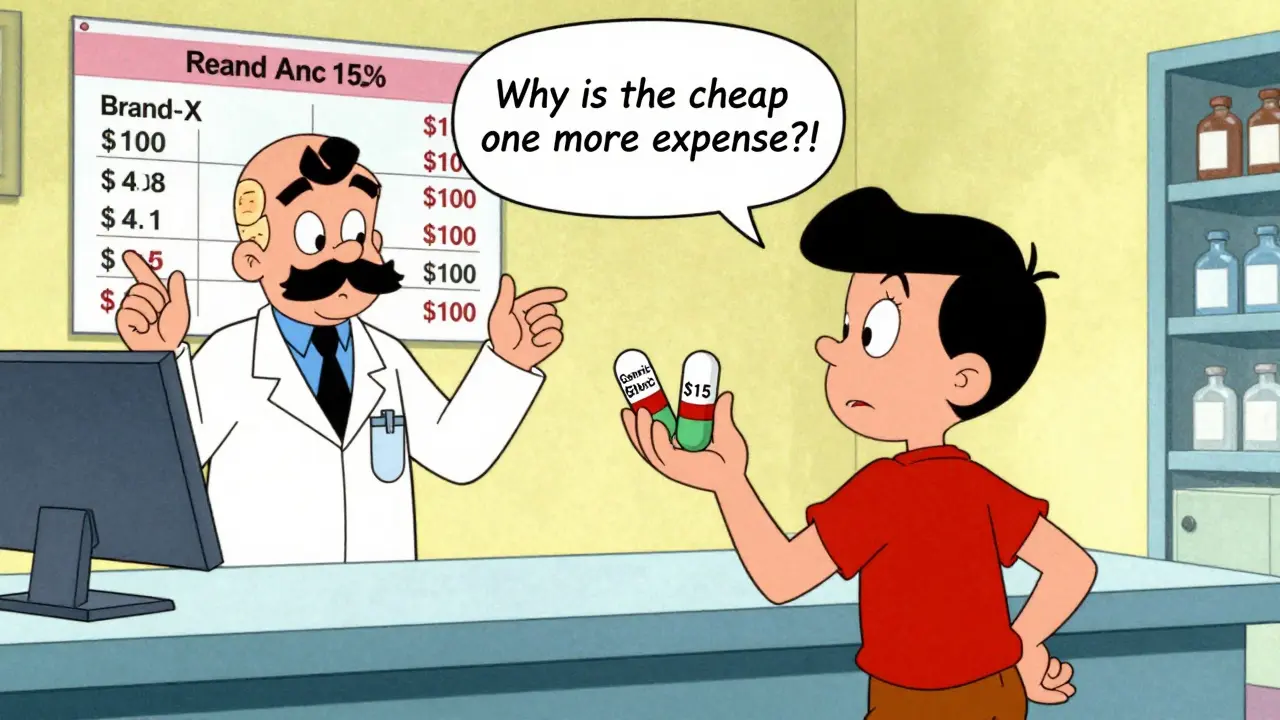
Generic drugs cost far less than brand-name versions, but out-of-pocket costs can be misleading - especially with Medicare Part D. Learn why sometimes generics cost more, how insurance design affects your bill, and how to save by paying cash.
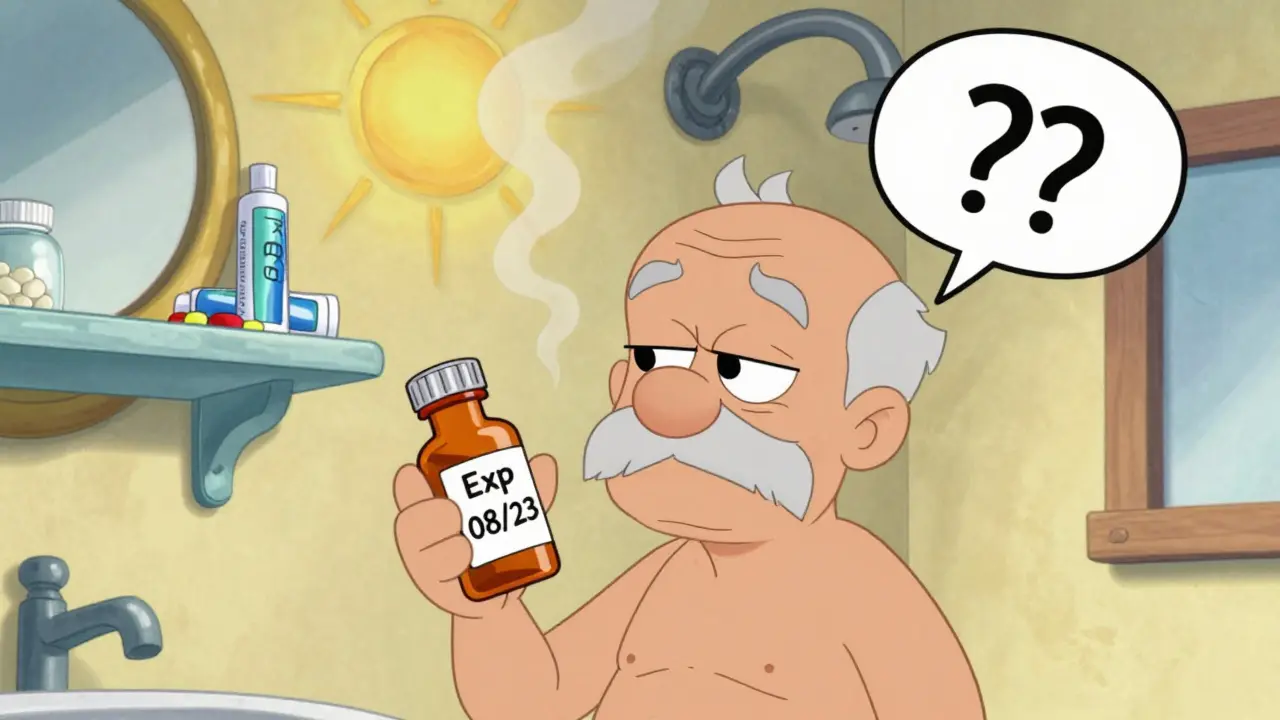
Learn how to read expiration dates on medication packaging, understand the difference between manufacturer and pharmacy dates, and know which drugs are risky to use after they expire. Stay safe with clear, practical tips backed by FDA and Health Canada guidelines.
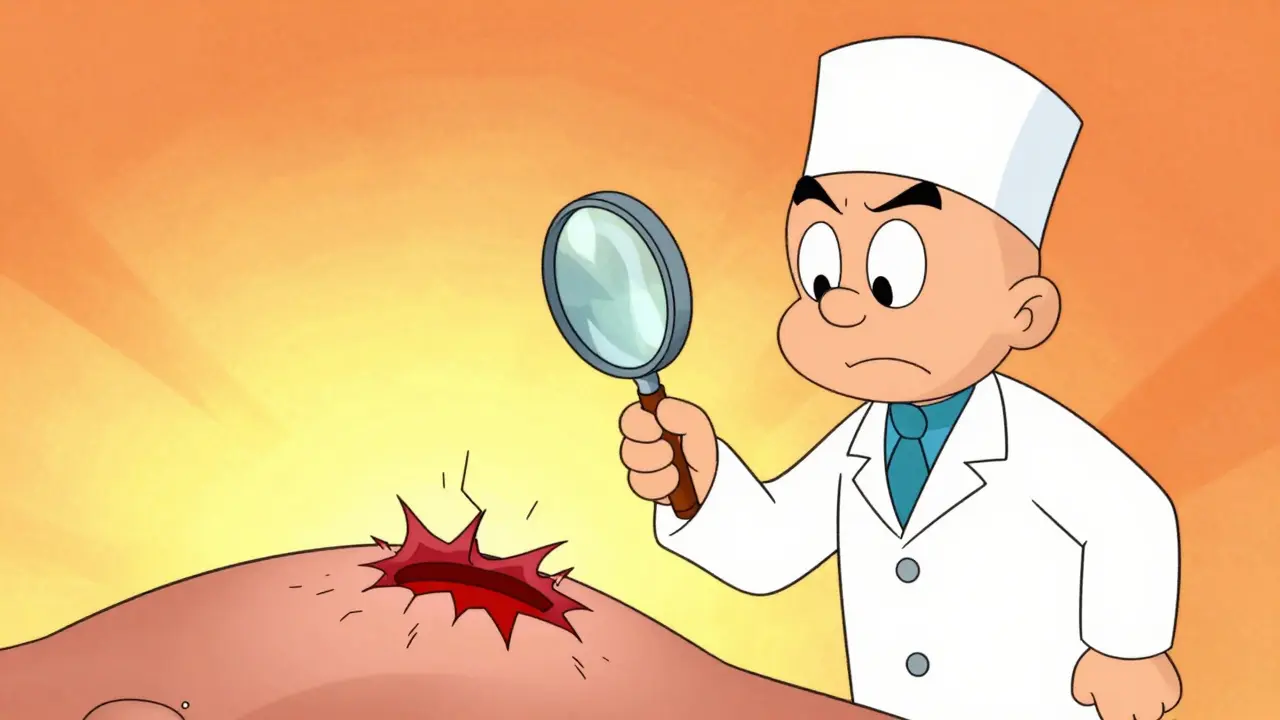
Sirolimus, a key immunosuppressant for organ transplants, can complicate wound healing if not timed properly. Learn how surgical risks, risk factors, and modern guidelines help balance benefits and complications. Practical strategies for safer use in transplant patients.
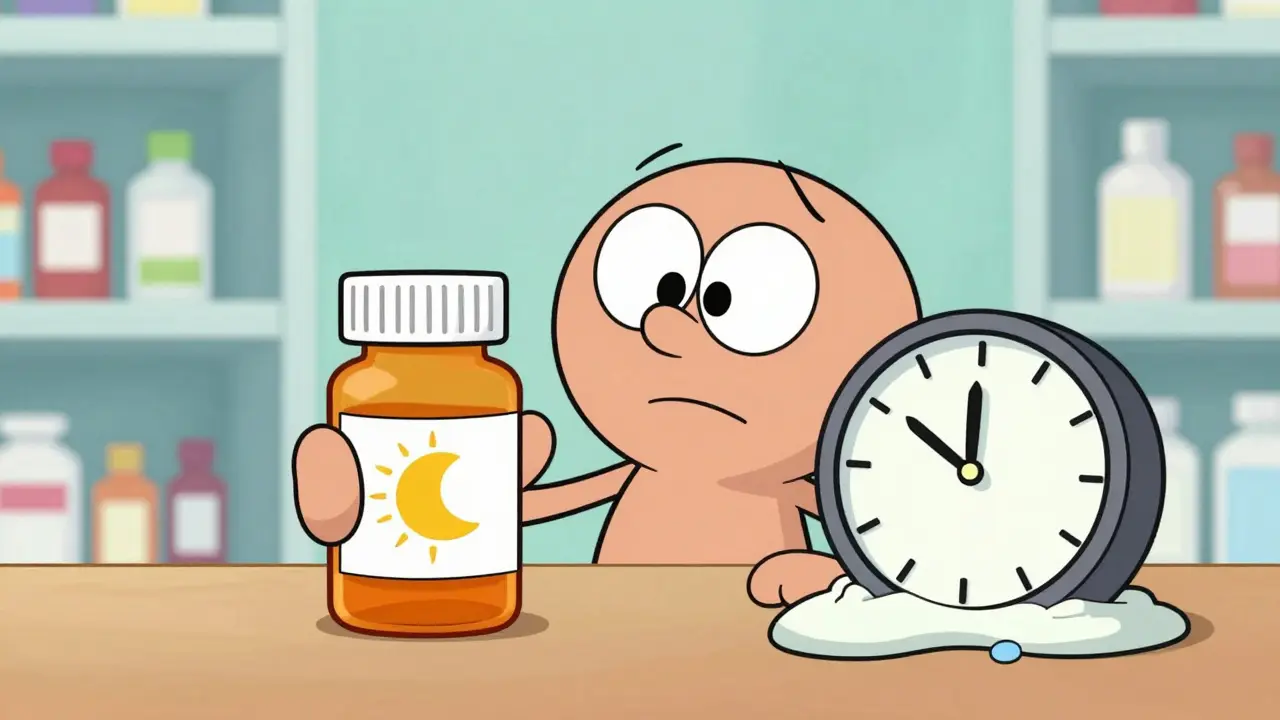
Understanding medication expiration dates ensures safety and effectiveness. Learn how to interpret date formats, spot high-risk medications, and store drugs properly. Health Canada and FDA guidelines help you avoid risks from expired medicines.
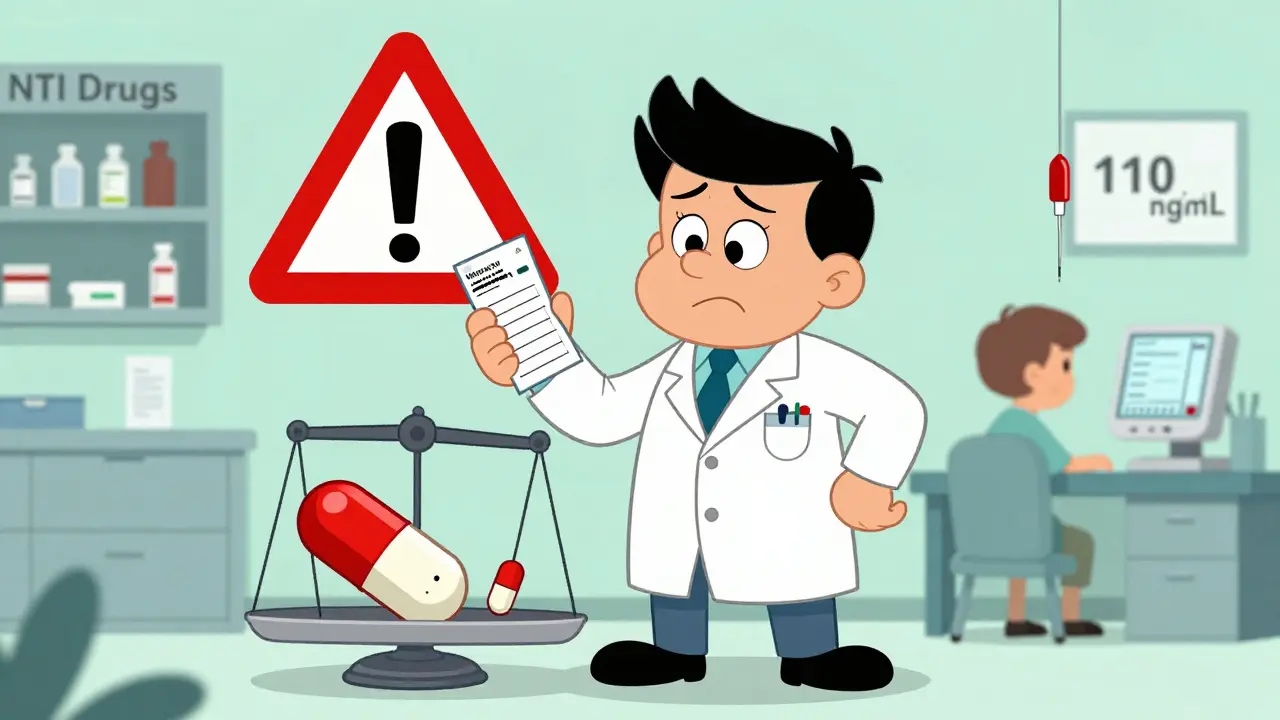
Prescribers remain cautious about substituting generic drugs for narrow therapeutic index (NTI) medications like warfarin and levothyroxine due to risks of instability. While the FDA affirms generic safety, real-world data shows prescribers prioritize patient stability, leading to state-level restrictions and ongoing debate over substitution practices.
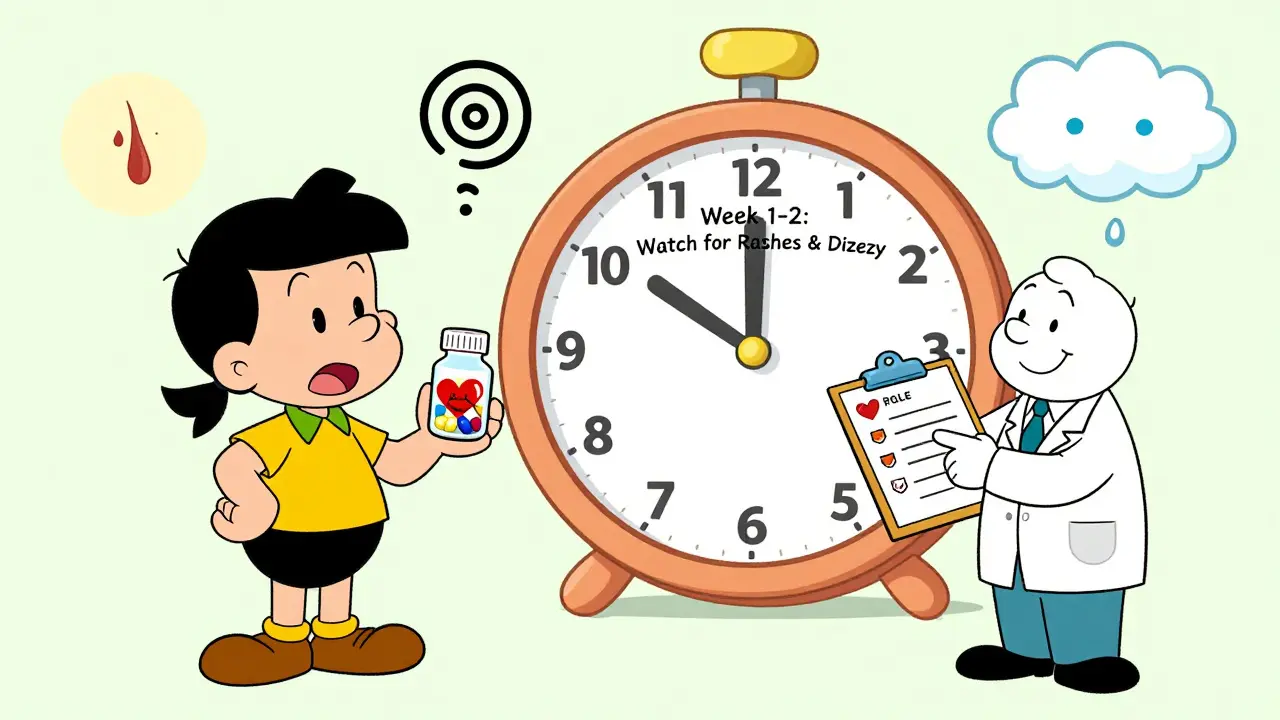
Learn how routine monitoring with blood tests, symptom logs, and smart tech can catch medication side effects before they become dangerous. Know when to test, what to track, and how to stay safe on long-term meds.

Biosimilars aren't exact copies of biologics - tiny manufacturing differences can trigger immune responses in some patients. Learn why immunogenicity varies and what it means for your treatment.
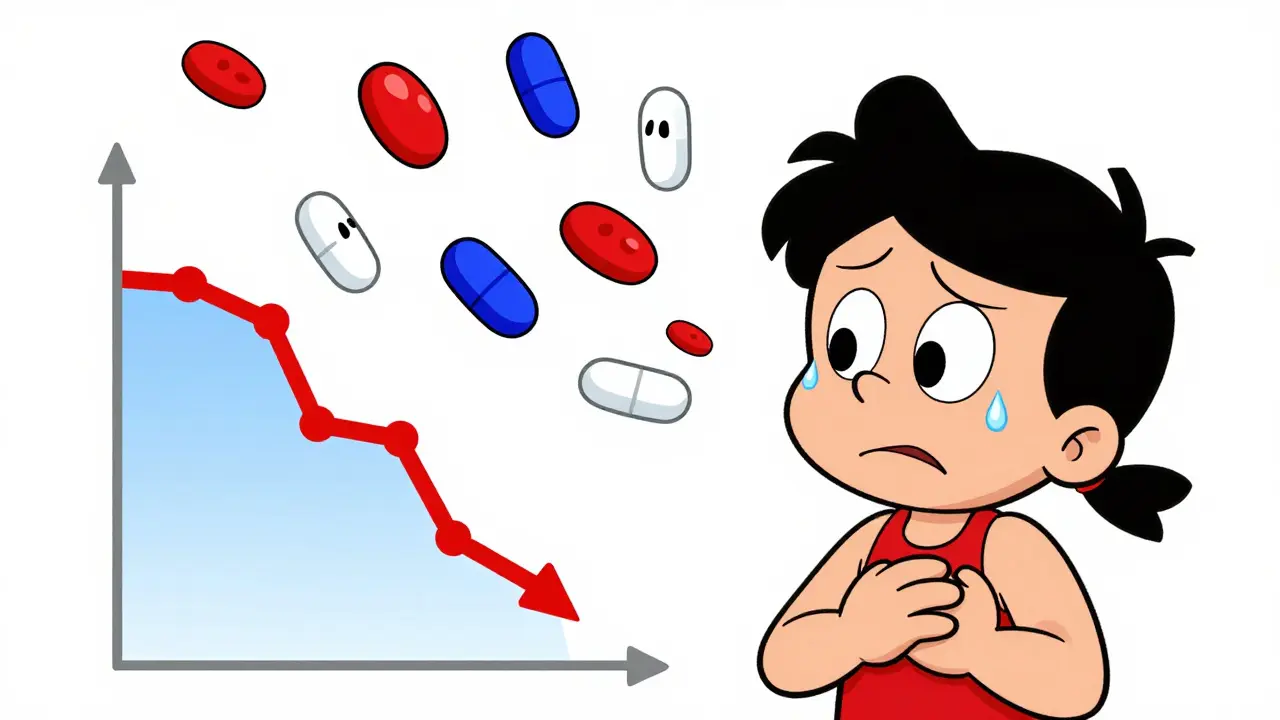
Medication-induced aplastic anemia is rare but deadly if missed. Learn the early signs-fatigue, bruising, fever-and urgent steps to take if you're on high-risk drugs like carbamazepine or chloramphenicol. Early action saves lives.
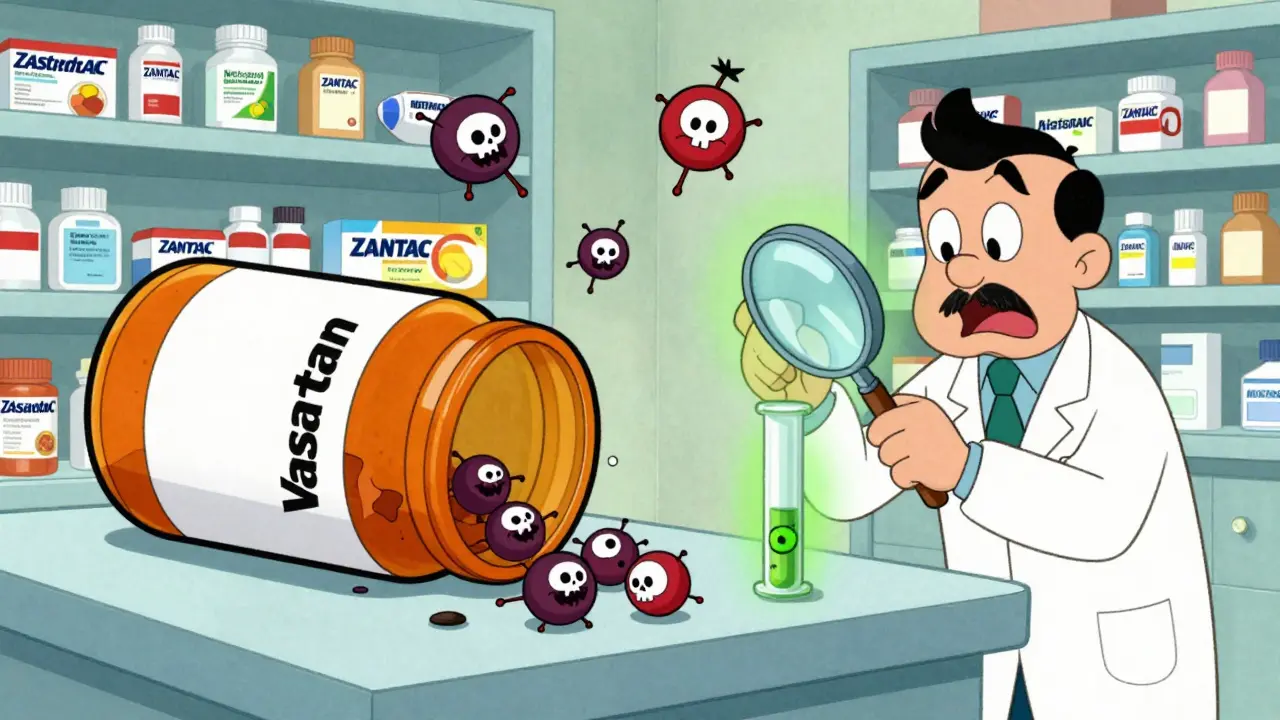
Nitrosamine contamination has triggered over 500 FDA recalls since 2018, affecting generics like metformin, ARBs, and antidepressants. Learn how these carcinogens form, which drugs are impacted, and what regulators and manufacturers are doing to fix it.
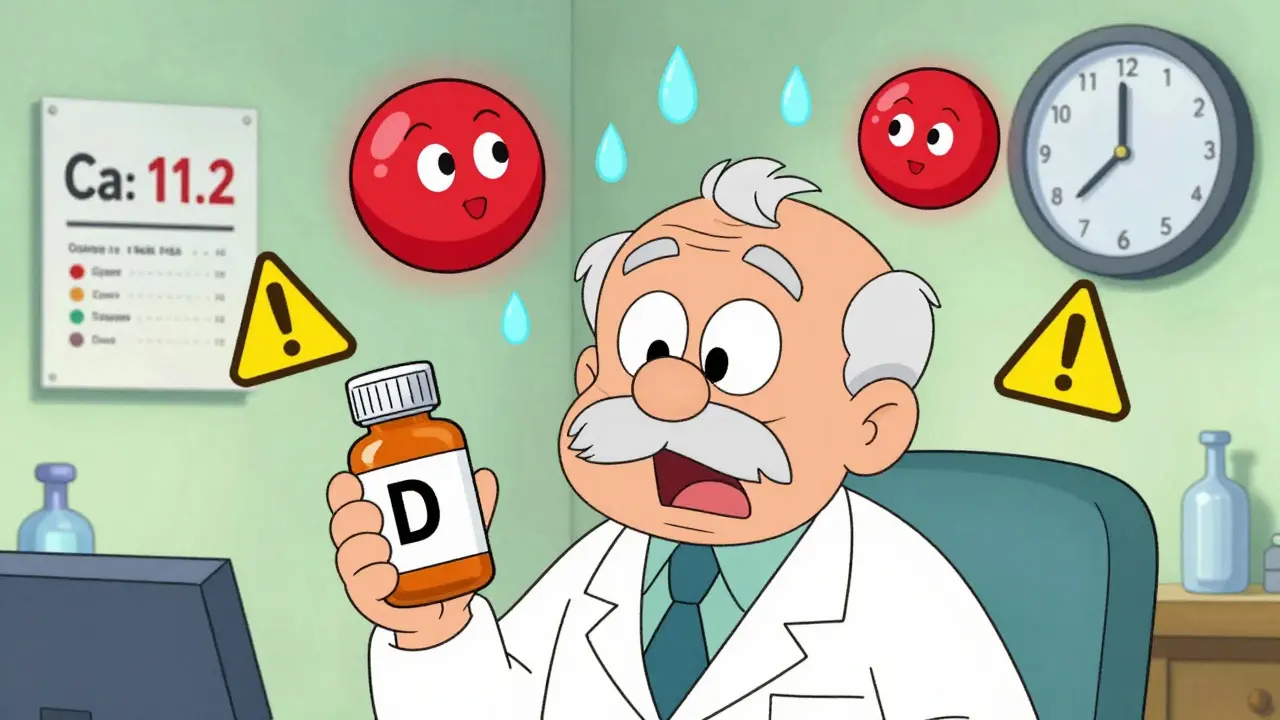
Taking vitamin D with thiazide diuretics can raise blood calcium levels dangerously. Learn who’s at risk, what doses are safe, and how to prevent hypercalcemia with simple monitoring steps.
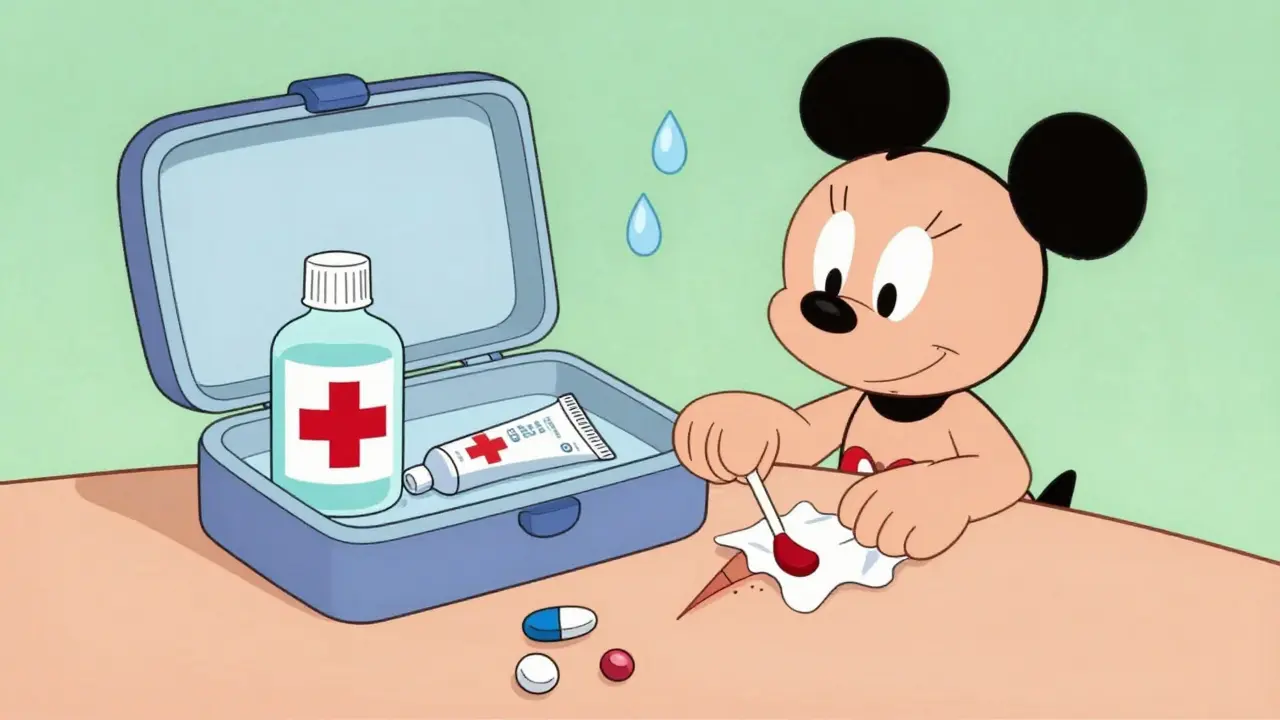
Learn how to use OTC antiseptics, antibiotic ointments, and pain relievers safely and effectively for minor injuries. Avoid common mistakes and build a smart first aid kit that actually works.