
Aplastic Anemia Risk Assessment Tool
This tool helps you assess your risk of medication-induced aplastic anemia based on the medications you're taking and symptoms you're experiencing. Early detection is critical for successful treatment. If you have concerns, consult your healthcare provider immediately.
What You Need to Know About Medication-Induced Aplastic Anemia
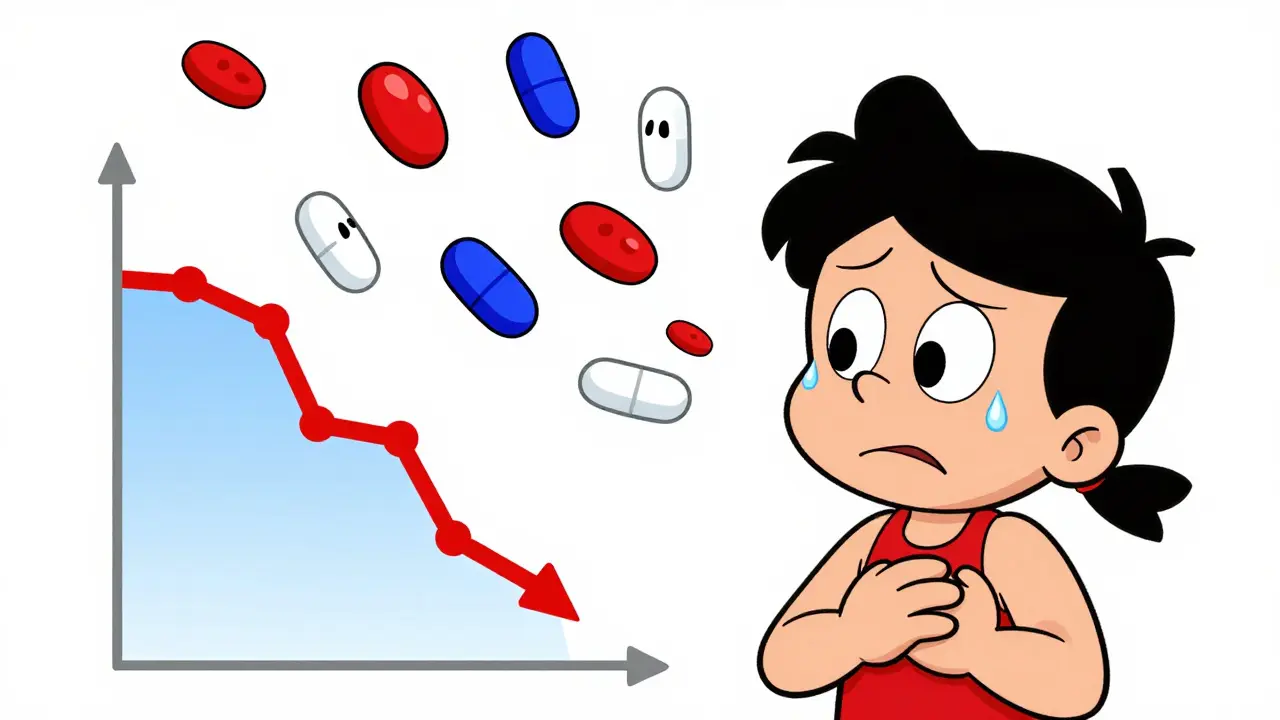
Aplastic anemia isn’t something most people hear about until it’s too late. It’s rare, but when it’s caused by a medication you’re already taking, it can turn dangerous fast. Your bone marrow stops making enough red blood cells, white blood cells, and platelets. That means you’re not just tired-you’re at risk of infection, bleeding, and organ damage. And the worst part? Many people don’t realize what’s happening until they’re in the ER.
Medications don’t always cause this. But when they do, the damage can be sudden and severe. The good news? If you catch it early, your chances of recovery jump dramatically. The key is knowing what to look for-and what to do the moment something feels off.
Which Medications Are Most Likely to Cause It?
Not every drug carries this risk. But a small group of commonly prescribed medications have been linked to aplastic anemia for decades. Chloramphenicol, an old antibiotic, is the classic example. Even though it’s rarely used today, it still shows up in some topical eye drops and ointments. One in every 24,000 to 40,000 people who take it develops this condition.
More common today are drugs like carbamazepine and phenytoin, used for seizures. These can trigger an immune reaction that attacks your bone marrow. Sulfonamide antibiotics (like Bactrim), penicillin derivatives, and even some NSAIDs like ibuprofen or naproxen have been reported in cases. Gold compounds, once used for rheumatoid arthritis, are another known culprit. Even some antipsychotics and chemotherapy drugs can cause it-though chemo usually causes temporary suppression, not permanent failure.
Here’s the catch: some of these drugs cause direct toxicity, while others trigger an immune response. That means two people on the same medication might react completely differently. One stays fine. The other’s bone marrow shuts down. There’s no way to predict who’s at risk-until it happens.
Early Signs You Can’t Ignore
Many people brush off the first symptoms as stress, a cold, or just getting older. But these signs don’t go away with rest. They get worse.
- Extreme fatigue that doesn’t improve after sleep or a day off
- Unexplained bruising-especially multiple bruises in the same area without bumping into anything
- Recurrent fevers between 99°F and 101°F, with no clear source like a sore throat or cough
- Prolonged recovery from minor infections-a cold that lasts three weeks, a cut that won’t stop oozing
- Unintentional weight loss-5 to 10 pounds over a few weeks, with no diet or change in activity
- Pale skin, dizziness when standing up, or shortness of breath during light activity
These aren’t vague complaints. They’re signals from your body that your blood counts are dropping. And here’s the timeline: blood tests often show abnormalities before you even feel sick. That’s why checking your CBC (complete blood count) early matters.
Why Waiting Is Dangerous
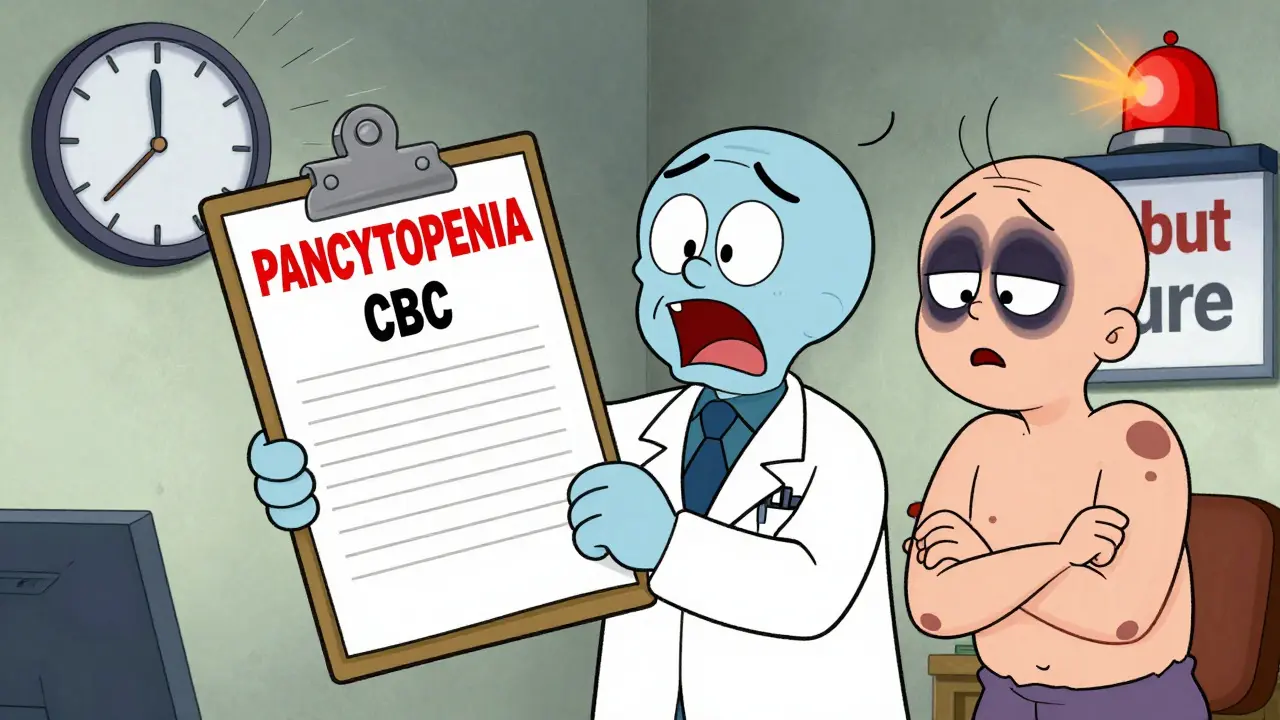
Most people don’t realize how fast this can spiral. In medication-induced cases, blood counts can drop 30% to 50% in just two to four weeks. By the time you feel really ill, your neutrophils-the white cells that fight infection-may already be below 500 per microliter. That’s the threshold where even a mild cold can become life-threatening.
Studies show that patients who wait more than eight weeks to get diagnosed have a 45% chance of dying. Those who get help within two weeks? Survival rates are under 10%. That’s not a small difference. It’s the difference between going home and needing a bone marrow transplant.
And here’s something most don’t know: if you’ve had one episode and recovered, restarting the same drug has a 90% chance of bringing it back-worse than before. There’s no second chance.
What to Do Immediately If You Suspect It
If you’re on one of these high-risk medications and you notice even two of the early signs, stop the drug. Now. Don’t wait for your next appointment. Don’t Google it for a week. Call your doctor or go to urgent care today.
Here’s the exact protocol:
- Stop the suspected medication. This is the single most important step. In 85% of mild cases, blood counts begin to recover within four weeks after stopping the drug.
- Get a CBC immediately. Your doctor should order a complete blood count within 24 hours. Look for hemoglobin under 10 g/dL, platelets under 150,000/μL, or neutrophils under 1,500/μL.
- Ask for a bone marrow biopsy. If the CBC shows pancytopenia, this is the only test that confirms aplastic anemia. It checks if your bone marrow is hypocellular-meaning it’s emptying out.
- Go to the ER if you have a fever above 100.4°F. This is a medical emergency. Low white cells mean you can’t fight infection. Waiting even a few hours can be fatal.
Don’t rely on your pharmacist to catch it-even though many patients report that pharmacists were the first to raise the alarm. Your doctor needs to know you’re concerned. Bring your full medication list. Include supplements, herbal products, and over-the-counter drugs. Some cases have been traced to combinations, not single drugs.
What Happens After Diagnosis?
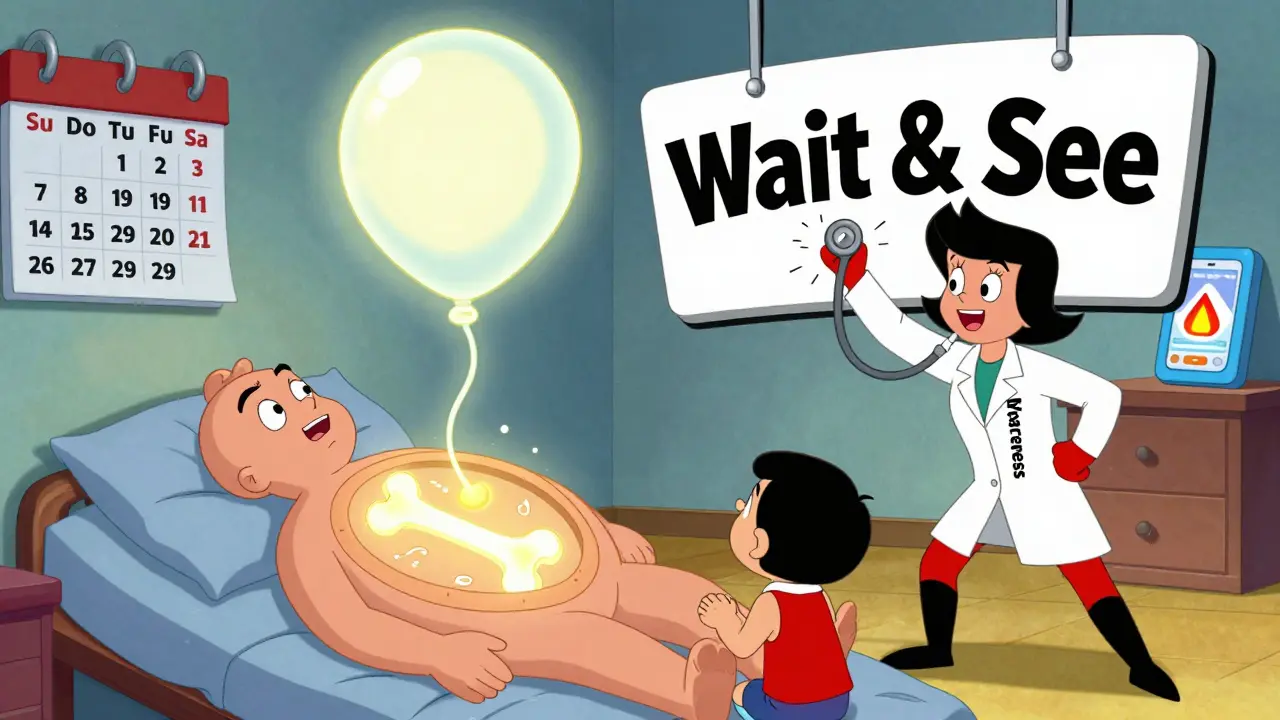
If it’s confirmed, treatment depends on severity. Mild cases often recover with just stopping the drug and close monitoring. But if your counts are very low, you’ll need stronger intervention.
Standard treatment now includes immunosuppressive therapy: drugs like horse anti-thymocyte globulin and cyclosporine. These calm your immune system so it stops attacking your bone marrow. In the latest studies, this approach works in 78% of medication-induced cases.
For severe cases, especially in younger patients, a bone marrow transplant may be needed. It’s the only cure that replaces the damaged marrow entirely. But even without a transplant, survival rates are now over 85% if caught early-up from 50% just 15 years ago.
How to Protect Yourself
If you’re starting a high-risk medication like carbamazepine, chloramphenicol, or a gold compound, ask for a baseline CBC before you begin. Then, get tested again after one week and again after four weeks. Some clinics now use electronic alerts in their systems to flag patients on these drugs. But not all do.
Keep a written list of every medication you take-including doses and start dates. If you’re ever admitted to the hospital, hand it to the nurse. Patients who did this reduced their diagnostic delays by over six days on average.
Consider using the AAMDS Foundation’s mobile app. It lets you log symptoms, track blood counts, and set reminders for testing. Early data shows users are 40% less likely to delay care.
And if you’re a parent: kids don’t always say they feel tired. Watch for changes in behavior-less play, more naps, paleness. A 2022 study found that 65% of pediatric cases were missed because doctors assumed it was just a virus.
Why This Is Still Underdiagnosed
Only 28% of cases are correctly identified the first time someone sees a doctor. Most are mistaken for the flu, anemia from iron deficiency, or just burnout. Family doctors aren’t trained to think of aplastic anemia-it’s too rare. And many clinics can’t run same-day blood tests.
But the data is clear: early action saves lives. The FDA has flagged this as a preventable "never event." The European Medicines Agency now requires stronger warnings on carbamazepine labels. And new genetic tests are in development to identify high-risk patients before they even start the drug.
Right now, your best defense is awareness. Know your meds. Know the signs. Don’t wait for someone else to connect the dots.
Can over-the-counter drugs like ibuprofen cause aplastic anemia?
Yes, though it’s rare. NSAIDs like ibuprofen, naproxen, and aspirin have been linked to cases of medication-induced aplastic anemia, especially with long-term or high-dose use. Most cases occur after months of regular use, but there are reports of it happening after just a few weeks. If you’re taking these daily for pain or inflammation and notice unexplained bruising, fatigue, or recurring fevers, get a CBC checked. Don’t assume it’s just "normal" side effects.
Is aplastic anemia the same as regular anemia?
No. Regular anemia usually means low red blood cells-often from iron, B12, or chronic disease. Aplastic anemia means your bone marrow stops making all three types of blood cells: red cells, white cells, and platelets. That’s called pancytopenia. It’s not just tiredness-it’s a systemic failure. You’re at risk for bleeding, infection, and organ damage. That’s why it’s a medical emergency.
Can you get aplastic anemia from antibiotics like amoxicillin?
Amoxicillin itself is rarely linked, but other penicillin derivatives and sulfonamide antibiotics like Bactrim (sulfamethoxazole-trimethoprim) are well-documented causes. The risk is higher with sulfonamides, especially in people with certain genetic traits. If you’ve had a reaction to any antibiotic before-rash, fever, low blood counts-tell your doctor before taking another one. Don’t assume it’s safe just because it’s "common."
How long does it take to recover after stopping the drug?
Recovery time varies. In mild cases, blood counts may start improving within two to four weeks after stopping the drug. Full recovery can take three to six months. In severe cases, recovery may require immunosuppressive therapy or a bone marrow transplant. Some people never fully recover without a transplant. That’s why early action is critical-the sooner you stop the drug, the better your bone marrow’s chance to heal on its own.
Should I avoid all medications that have been linked to aplastic anemia?
No. These medications are still used because they work well for serious conditions. The risk is low-about 1 in 24,000 to 1 in 40,000 for chloramphenicol, for example. But if you’re prescribed one of these drugs, ask your doctor if there’s a safer alternative. If not, make sure you’re monitored with regular blood tests during the first month of treatment. Don’t refuse needed treatment-but do stay informed and vigilant.
Final Thought: Trust Your Body, Not Just Your Doctor
Doctors aren’t mind readers. They rely on what you tell them. If you feel like something’s wrong-especially if you’re on a high-risk drug-speak up. Keep a symptom journal. Take photos of bruises. Write down your fever patterns. Bring your medication list to every appointment. The more you document, the faster someone will see the pattern.
Medication-induced aplastic anemia is rare. But when it strikes, it doesn’t wait. Your awareness could be the difference between a full recovery and a life-altering crisis.


Adarsh Uttral
January 31, 2026 AT 02:21Sazzy De
February 1, 2026 AT 12:34Claire Wiltshire
February 2, 2026 AT 05:17April Allen
February 3, 2026 AT 06:17Sarah Blevins
February 4, 2026 AT 07:37Holly Robin
February 4, 2026 AT 09:35Shubham Dixit
February 5, 2026 AT 23:33KATHRYN JOHNSON
February 6, 2026 AT 02:57Marc Bains
February 8, 2026 AT 02:42Carolyn Whitehead
February 8, 2026 AT 05:51Amy Insalaco
February 9, 2026 AT 21:49Lisa McCluskey
February 10, 2026 AT 12:42Russ Kelemen
February 11, 2026 AT 17:53Rob Webber
February 12, 2026 AT 09:34