
Medication Monitoring Timeline Calculator
Select Your Medication
Symptom Tracker
Recent Log Entries
No entries yet. Click 'Log Symptom' to start tracking.
Monitoring Timeline
When you start a new medication, you’re told to watch for side effects. But what does that actually mean? Most people think it’s just about noticing a headache or upset stomach. The truth is, catching side effects early isn’t about waiting for something obvious-it’s about tracking patterns, timing, and subtle changes before they become serious. And the systems we use to do this are changing fast.
Why Routine Monitoring Matters
Medications are powerful. Even common ones like blood pressure pills, antidepressants, or cholesterol drugs can cause problems that don’t show up in clinical trials. Those trials involve a few hundred people over months. Real life? Millions of people, different ages, other meds, chronic conditions, and lifestyles. That’s where things go wrong-and why side effects often appear months or years after a drug hits the market. The FDA’s Adverse Event Reporting System (FAERS) collects reports from doctors and patients, but studies show only about 6% of serious reactions get reported. That means 94% slip through. Why? Because people don’t connect a new symptom to a pill they started three weeks ago. Or their doctor assumes it’s just aging, stress, or a virus. Routine monitoring flips that script. Instead of waiting for someone to report a problem, you start looking for signals before they become emergencies.What Tests and Checks Are Actually Used
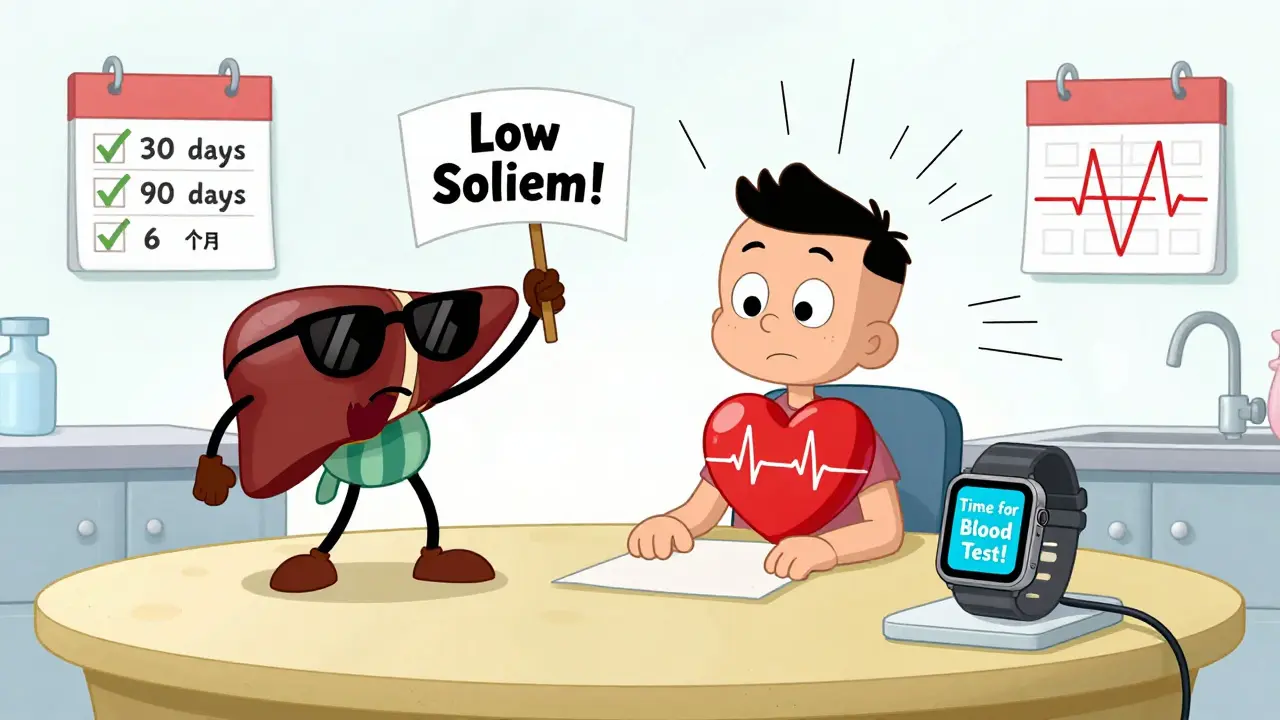
Not every medication needs the same tests. But here’s what’s common-and what should be standard:- Blood tests for liver and kidney function are routine with statins, antibiotics, seizure meds, and many psychiatric drugs. For example, if you’re on valproic acid for epilepsy, your doctor should check liver enzymes every 3-6 months. A rise in ALT or AST could mean trouble before you feel sick.
- Electrolytes and kidney markers like sodium, potassium, and creatinine matter with diuretics, lithium, and some blood pressure drugs. Low sodium from SSRIs? That’s not just fatigue-it’s hyponatremia, which can cause seizures.
- Heart monitoring is needed for drugs like fluoroquinolone antibiotics or certain antipsychotics that can prolong the QT interval. A simple ECG before and after starting the drug can catch this.
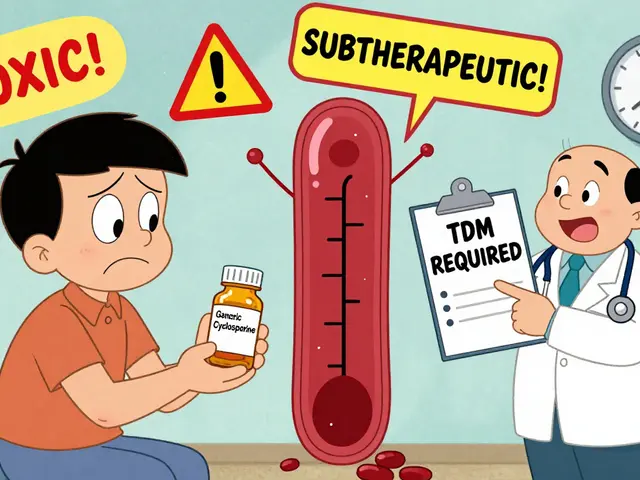
- Therapeutic drug monitoring for drugs with narrow safety margins-like warfarin, digoxin, or cyclosporine. These aren’t guesswork; you need precise blood levels to stay safe.
- Eye exams for hydroxychloroquine (used for lupus and rheumatoid arthritis). Toxicity can cause irreversible vision loss. Guidelines recommend a baseline exam within a year of starting, then yearly after 5 years.
Timing: When to Test and How Often
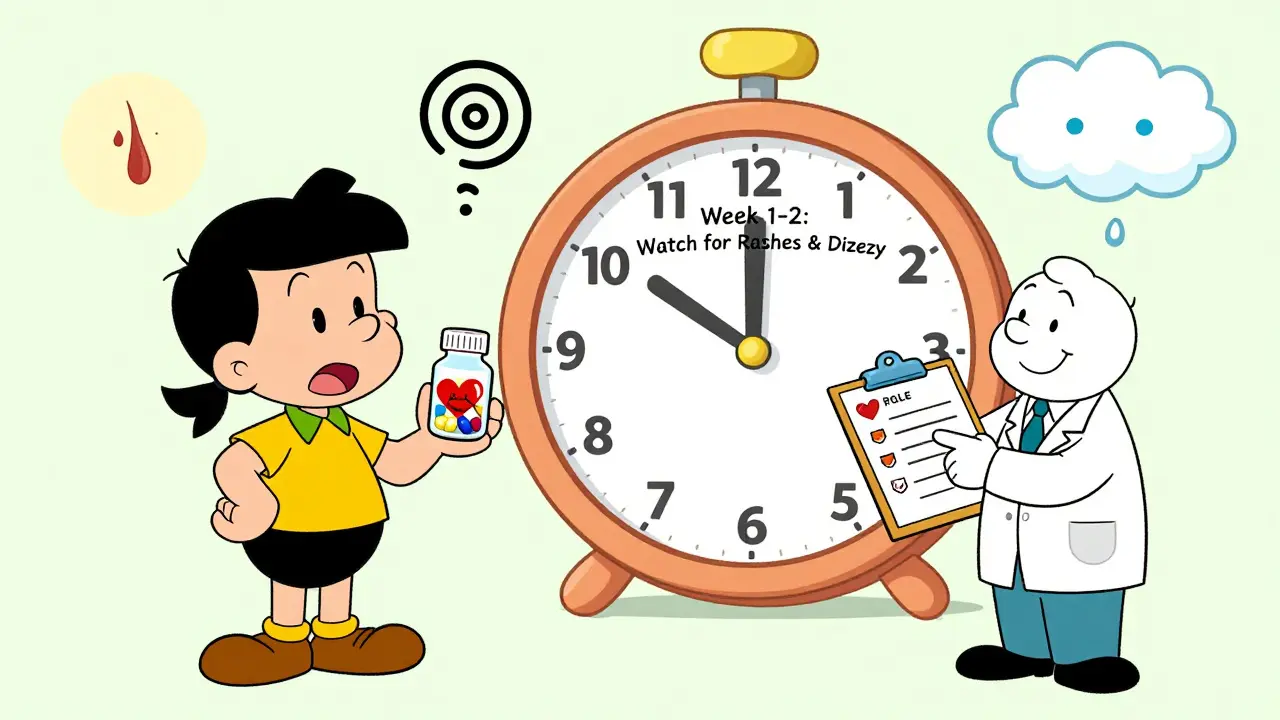
There’s no one-size-fits-all schedule. But here’s a practical guide based on real-world risk:- First 2 weeks: Watch for immediate reactions-rashes, dizziness, nausea, swelling. These are often allergic or intolerances.
- Weeks 3-6: This is when metabolic side effects start showing up. Liver enzymes, blood sugar changes, electrolyte shifts. If you’re on a new statin, get a lipid panel and liver test around day 30.
- Month 3: Time for a full check-in. Blood work, blood pressure, weight, mental state (for antidepressants or steroids). If you’re on long-term prednisone, bone density scans may start here.
- Every 6 months: For chronic meds like antiepileptics, lithium, or methotrexate. These drugs build up. Toxicity creeps in slowly.
- Annually: For drugs with long-term risks-thyroid meds, some diabetes drugs, long-term NSAIDs. Kidney function, thyroid levels, and GI bleeding risk should be reviewed yearly.
What Patients Can Do Right Now
You don’t have to wait for your doctor to initiate monitoring. Here’s how to take control:- Keep a symptom log. Write down: date, time, symptom (be specific-"feeling shaky" vs. "tremors in hands when standing"), severity (1-10), what you took, and what you ate or drank that day. Alcohol, grapefruit juice, and even a high-salt meal can change how a drug acts.
- Use a pill tracker app. Apps like Medisafe or MyTherapy let you log symptoms alongside doses. Some even send alerts when it’s time for a blood test.
- Ask: "What are the red flags for this drug?" Don’t just ask about common side effects. Ask: "What’s the one thing I should never ignore?" For metformin, it’s muscle pain and trouble breathing-signs of lactic acidosis. For opioids, it’s pinpoint pupils and slow breathing.
- Bring your log to every appointment. Most doctors don’t have time to dig into details. A written record makes it easy for them to spot patterns.
How Technology Is Changing the Game
The old way-waiting for a patient to report a rash or a doctor to notice a weird lab result-is outdated. New tools are making early detection smarter. At Stanford, researchers started mining electronic health records for clues hidden in doctor’s notes. Instead of relying on coded entries like "headache," they looked at phrases like: "Patient says dizzy since starting lisinopril, worse after meals." That kind of unstructured data revealed side effects up to two years before the FDA issued warnings. Now, hospitals use clinical decision support systems that pop up alerts when a patient is prescribed a drug that could interact with something they’re already taking. For example, if someone on warfarin gets a new prescription for trimethoprim, the system flags it-because that combo can spike INR levels and cause bleeding. Even wearable tech is helping. Smartwatches now track heart rhythm, sleep patterns, and activity levels. If someone on a new beta-blocker suddenly stops walking 8,000 steps a day and starts sleeping 12 hours, that’s a signal-not just "feeling tired." These tools aren’t perfect. But they’re filling the gaps that human memory and paperwork can’t.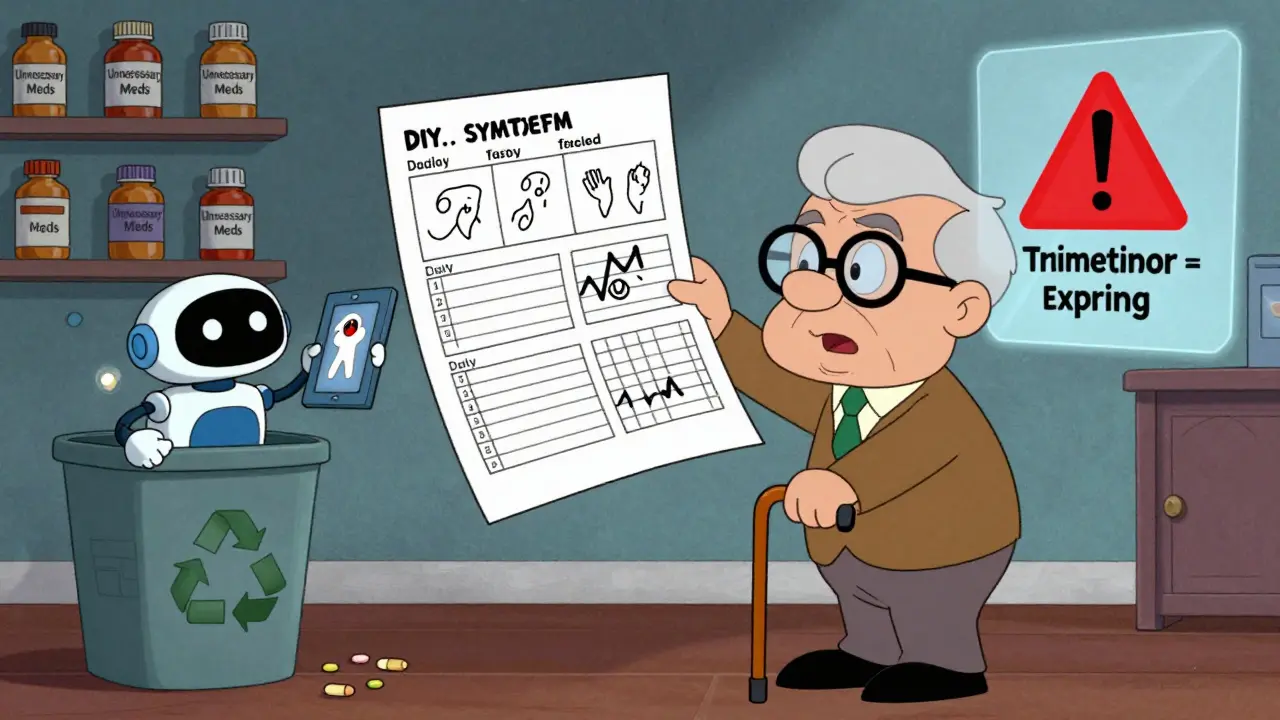
The Bigger Problem: Polypharmacy
Most people over 65 take 5 or more medications. That’s not rare-it’s normal. But each new drug adds risk. The more pills you take, the higher the chance of interactions that no clinical trial ever tested. A 2023 study found that over half of older adults on 5+ drugs had at least one potentially dangerous interaction. Many of these weren’t caught until someone ended up in the ER with confusion, falls, or kidney failure. That’s why regular med reviews matter. Every 6-12 months, ask your doctor: "Which of these are still necessary?" Sometimes, a drug was started for a short-term issue and never stopped. A painkiller from a sprained ankle two years ago? A sleep aid from stress during the pandemic? These add up.What Doesn’t Work
Don’t rely on:- Just reading the pill insert. Those lists include rare side effects you’re unlikely to get.
- Google symptoms. "Is this from my pill?" leads to panic, not clarity.
- Assuming your doctor knows everything. They’re juggling 20 patients an hour. Your log is your best tool.
- Waiting for a "big" symptom. Early detection is about small, consistent changes.
Bottom Line: Be Your Own Advocate
Medication safety isn’t just about prescriptions-it’s about attention. The system isn’t broken. It’s incomplete. We’re still catching side effects too late because we’re waiting for them to scream. Start small. Pick one medication you’re on. Ask your doctor what tests you need and when. Start a log. Set a reminder. Track your symptoms like you track your steps. You don’t need to be a scientist. You just need to be consistent. The goal isn’t to avoid all side effects-it’s to catch them early enough to fix them before they fix you.How do I know if a symptom is from my medication or something else?
Start by timing. Did the symptom start within days or weeks of beginning the drug? Did it get worse after a dose increase? Did it improve after you skipped a dose? These patterns are strong clues. Keep a log with dates, times, and details. Bring it to your doctor-they can help rule out other causes like infections, stress, or aging.
Do I need blood tests for every medication?
No. Only certain drugs require regular blood work-those with known risks to liver, kidneys, blood cells, or electrolytes. Common ones include statins, lithium, methotrexate, warfarin, and some seizure meds. Your doctor should tell you which ones need monitoring. If they don’t, ask. It’s your right to know.
Can I skip a scheduled blood test if I feel fine?
Feeling fine doesn’t mean your body is fine. Many side effects, like liver damage or low sodium, don’t cause symptoms until they’re advanced. Skipping tests can delay detection. If you’re worried about cost or access, talk to your doctor. There are often low-cost clinics or labs that can help.
Are there apps that help track side effects?
Yes. Apps like Medisafe, MyTherapy, and Dosecast let you log symptoms, doses, and dates. Some even sync with your pharmacy and send reminders for blood tests. They’re not magic, but they turn scattered memories into clear patterns your doctor can act on.
What should I do if I think I’m having a serious side effect?
Don’t wait. If you have chest pain, trouble breathing, swelling of the face or throat, sudden confusion, or unexplained bruising/bleeding, seek medical help immediately. For less urgent but persistent symptoms, call your doctor or pharmacist within 24 hours. Don’t stop the drug unless instructed-some side effects worsen if you quit cold turkey.

Jesse Naidoo
February 4, 2026 AT 08:21Sherman Lee
February 5, 2026 AT 15:50Zachary French
February 6, 2026 AT 01:40Harriot Rockey
February 6, 2026 AT 06:37Roshan Gudhe
February 7, 2026 AT 03:19Rachel Kipps
February 7, 2026 AT 12:32Wendy Lamb
February 8, 2026 AT 21:07Antwonette Robinson
February 9, 2026 AT 09:31Ed Mackey
February 10, 2026 AT 07:00Katherine Urbahn
February 12, 2026 AT 06:38caroline hernandez
February 13, 2026 AT 09:53Meenal Khurana
February 13, 2026 AT 21:36Joy Johnston
February 14, 2026 AT 17:07Shelby Price
February 15, 2026 AT 22:36pradnya paramita
February 17, 2026 AT 00:18