
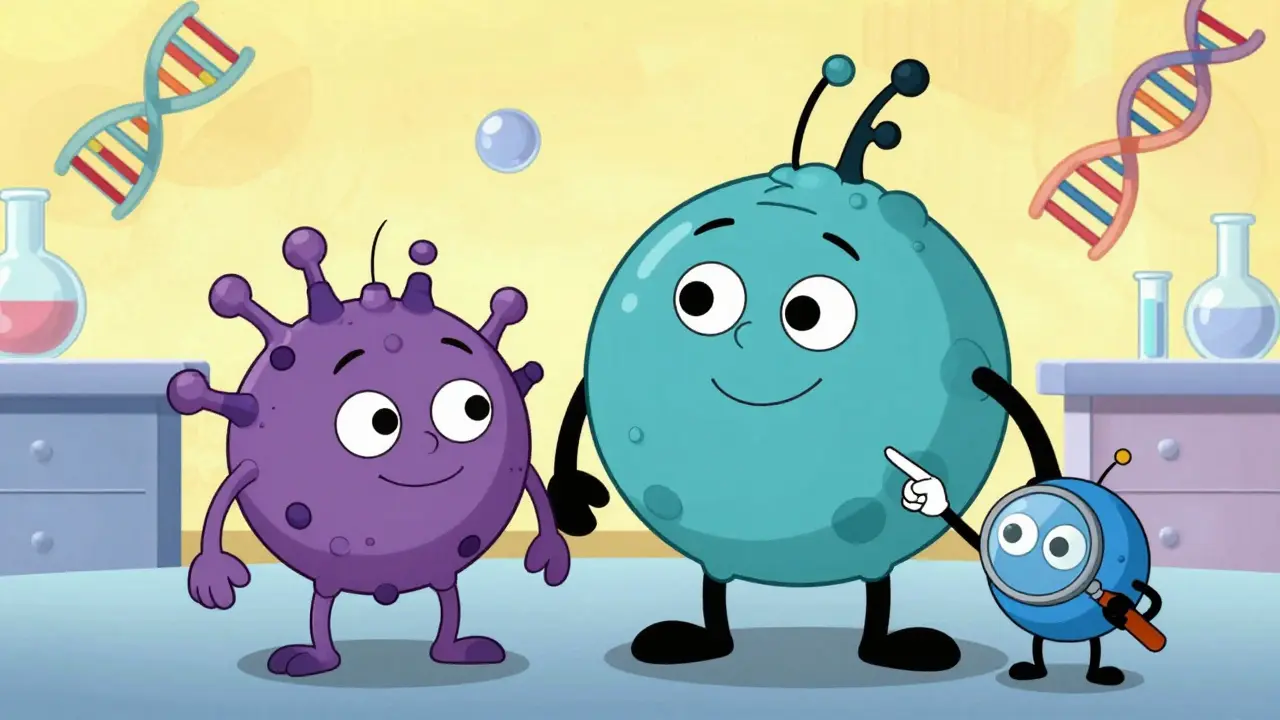
Biosimilars aren't exact copies of biologics - tiny manufacturing differences can trigger immune responses in some patients. Learn why immunogenicity varies and what it means for your treatment.
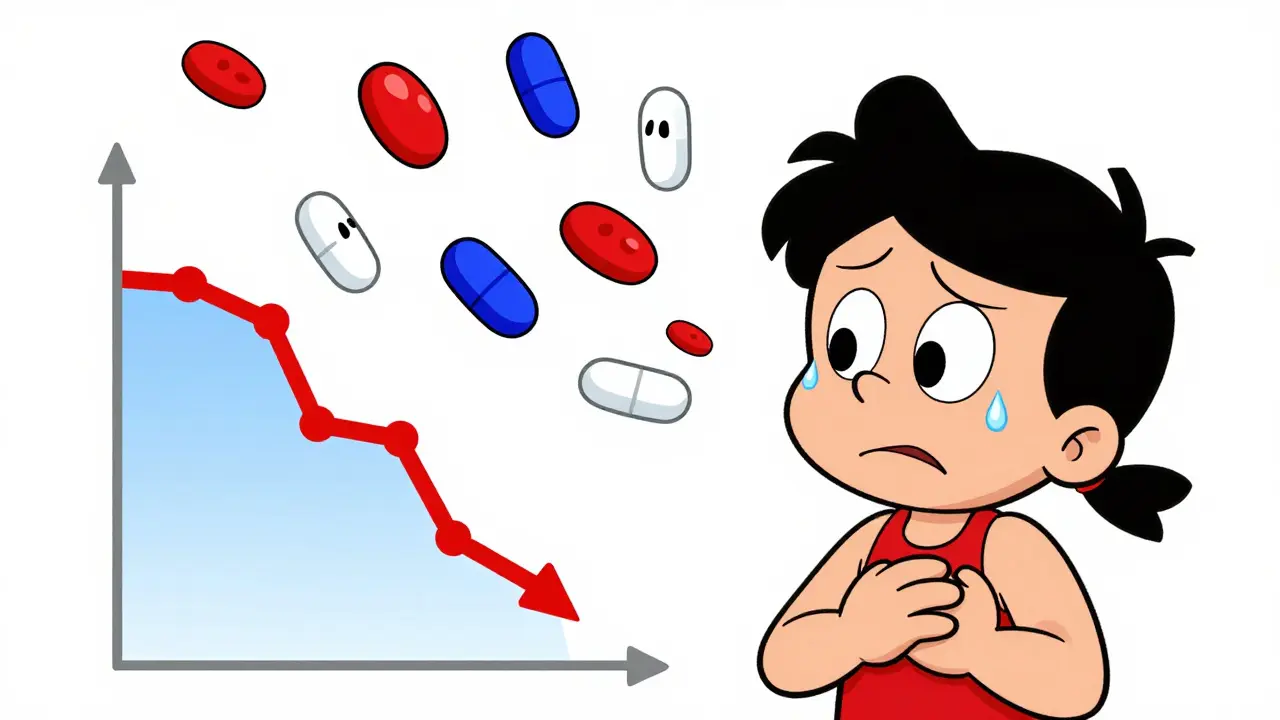
Medication-induced aplastic anemia is rare but deadly if missed. Learn the early signs-fatigue, bruising, fever-and urgent steps to take if you're on high-risk drugs like carbamazepine or chloramphenicol. Early action saves lives.
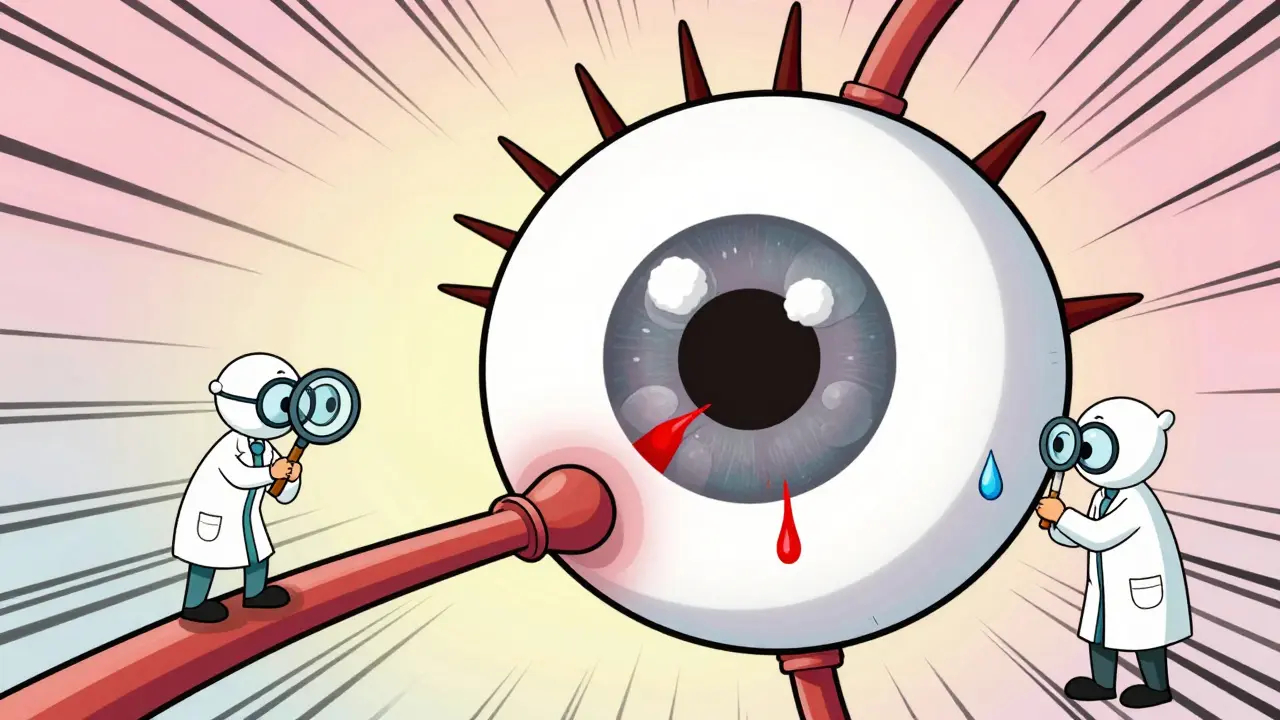
Hypertensive retinopathy is silent eye damage caused by long-term high blood pressure. It can lead to permanent vision loss-and is often the first sign of serious heart and brain risks. Early detection saves sight.
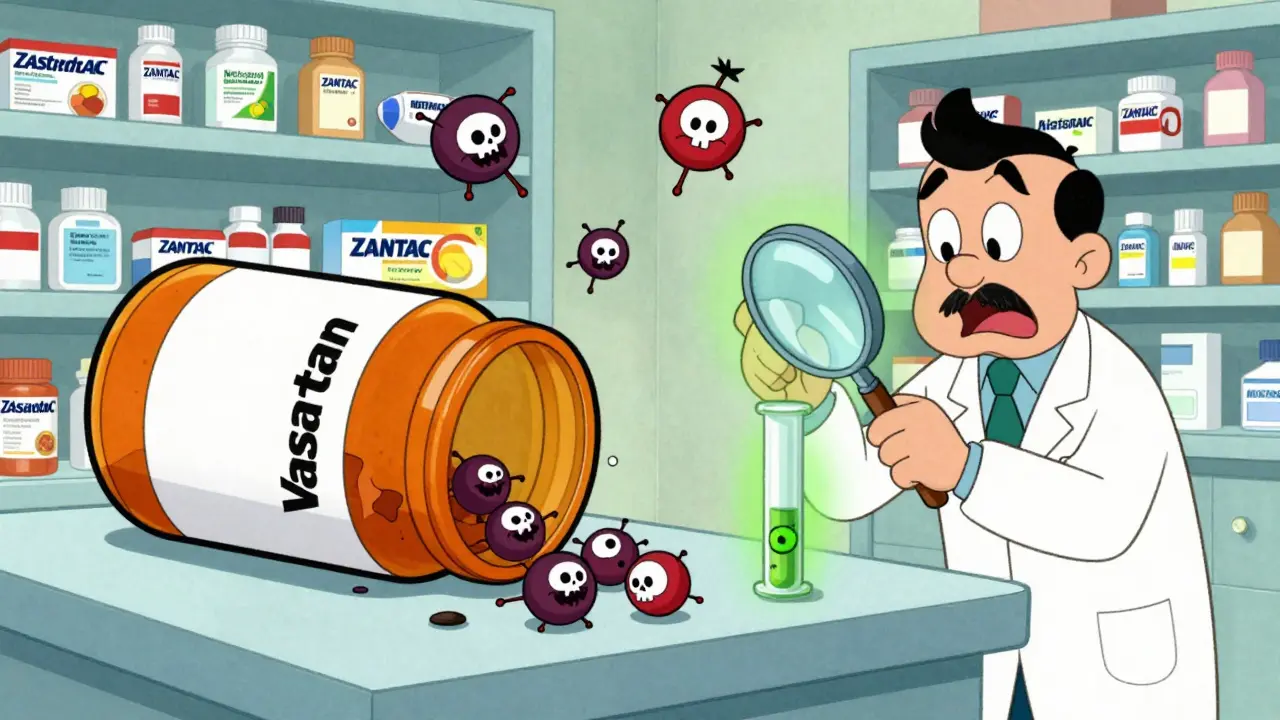
Nitrosamine contamination has triggered over 500 FDA recalls since 2018, affecting generics like metformin, ARBs, and antidepressants. Learn how these carcinogens form, which drugs are impacted, and what regulators and manufacturers are doing to fix it.
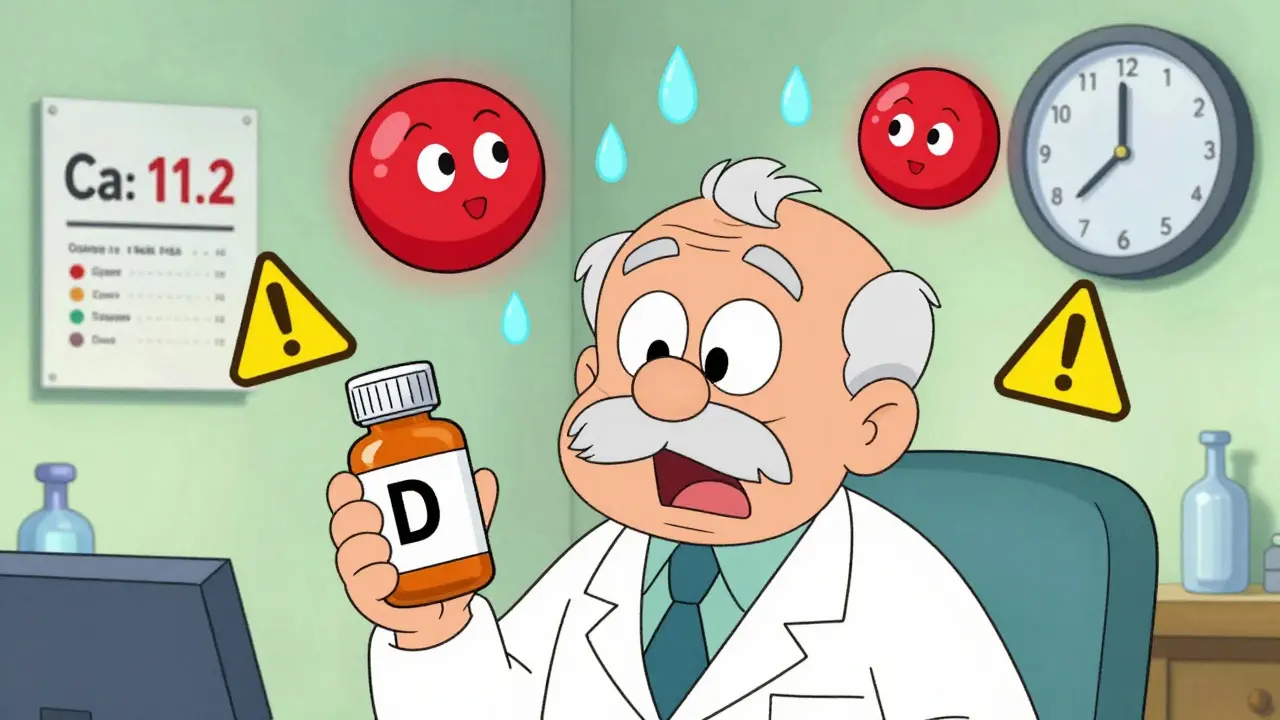
Taking vitamin D with thiazide diuretics can raise blood calcium levels dangerously. Learn who’s at risk, what doses are safe, and how to prevent hypercalcemia with simple monitoring steps.
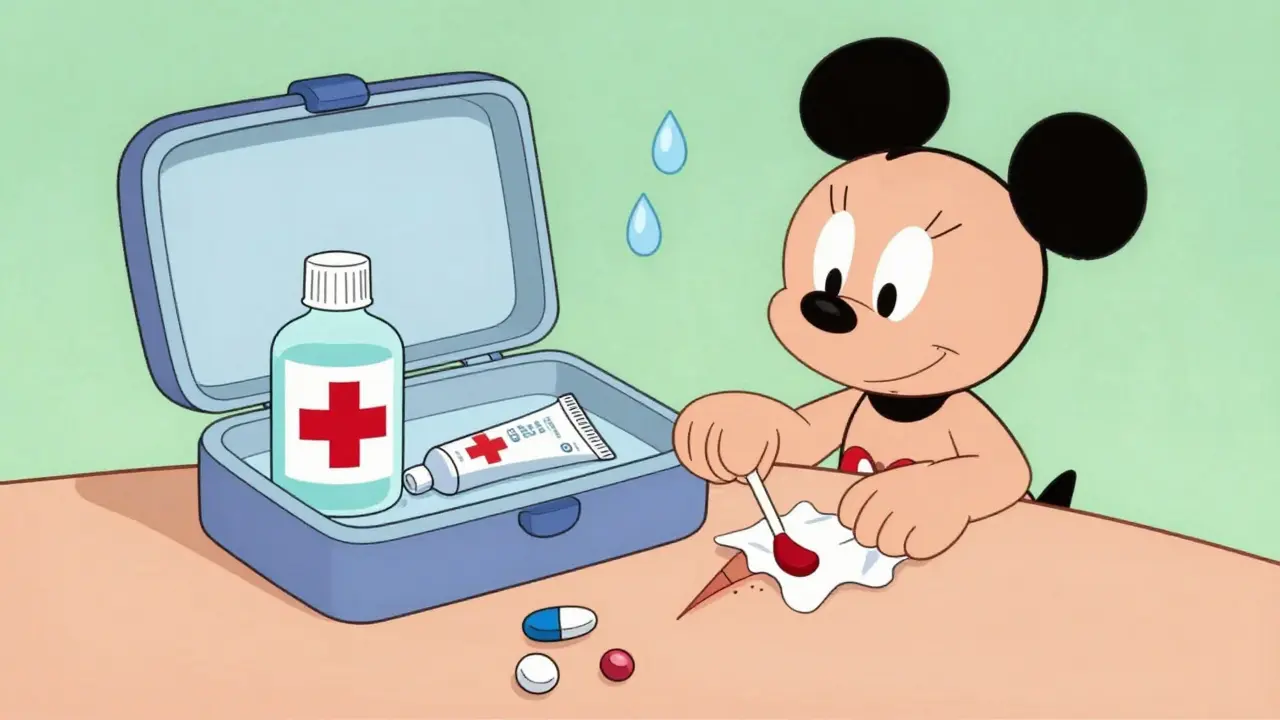
Learn how to use OTC antiseptics, antibiotic ointments, and pain relievers safely and effectively for minor injuries. Avoid common mistakes and build a smart first aid kit that actually works.
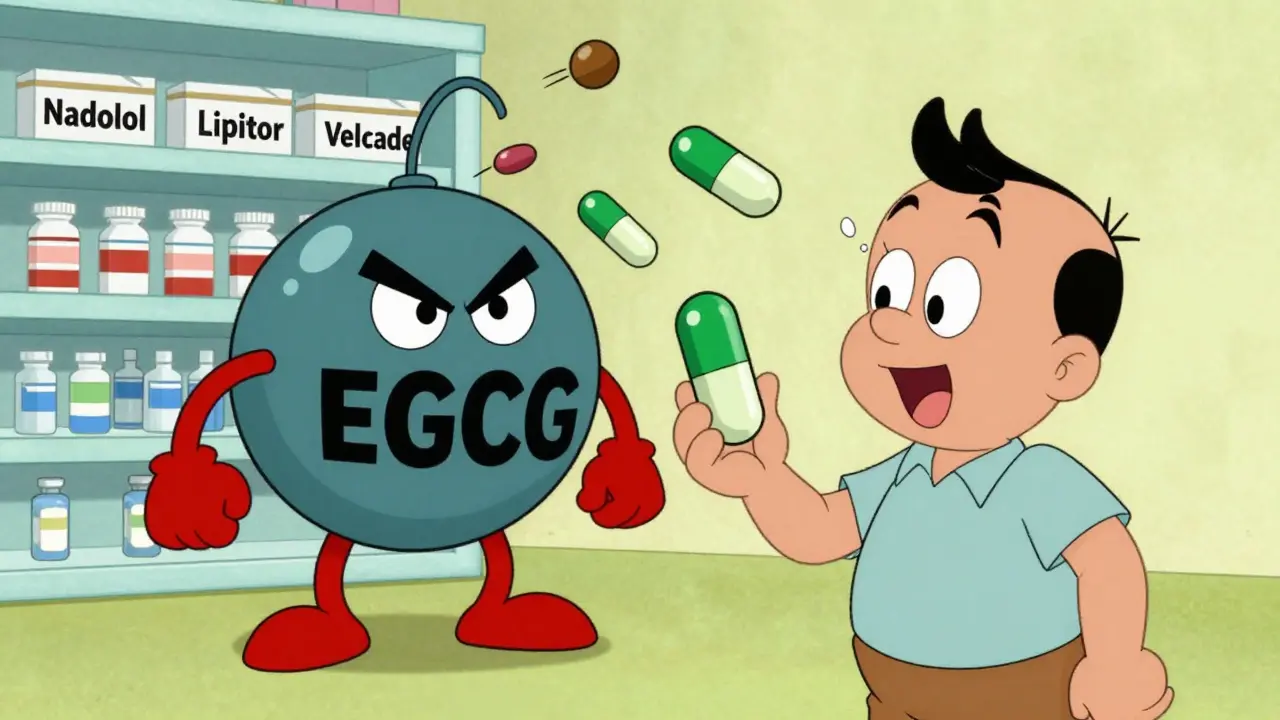
Green tea extract can interfere with medications like statins, blood pressure drugs, and chemotherapy. Learn which drugs are at risk, why supplements are more dangerous than tea, and what to do to stay safe.
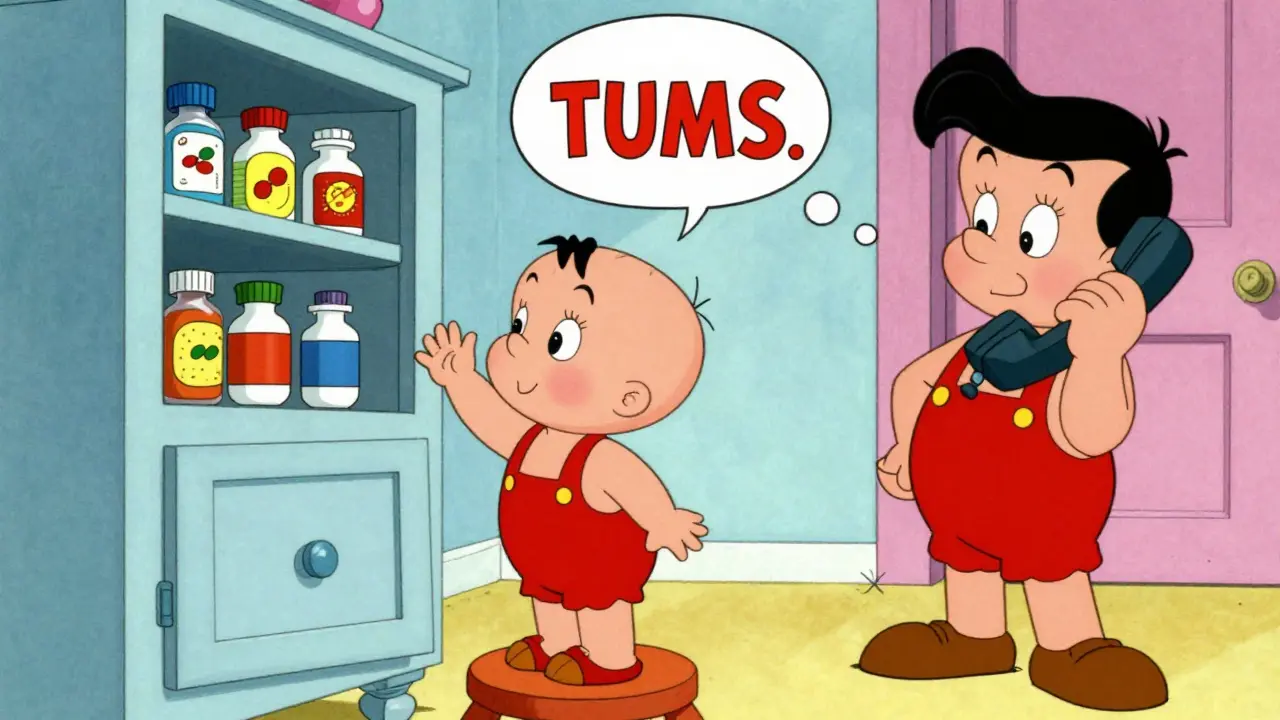
Accidental medication ingestions send 60,000 children to the ER each year. Learn the only proven way to keep kids safe: locked storage, smart habits, and what to do if poisoning occurs.
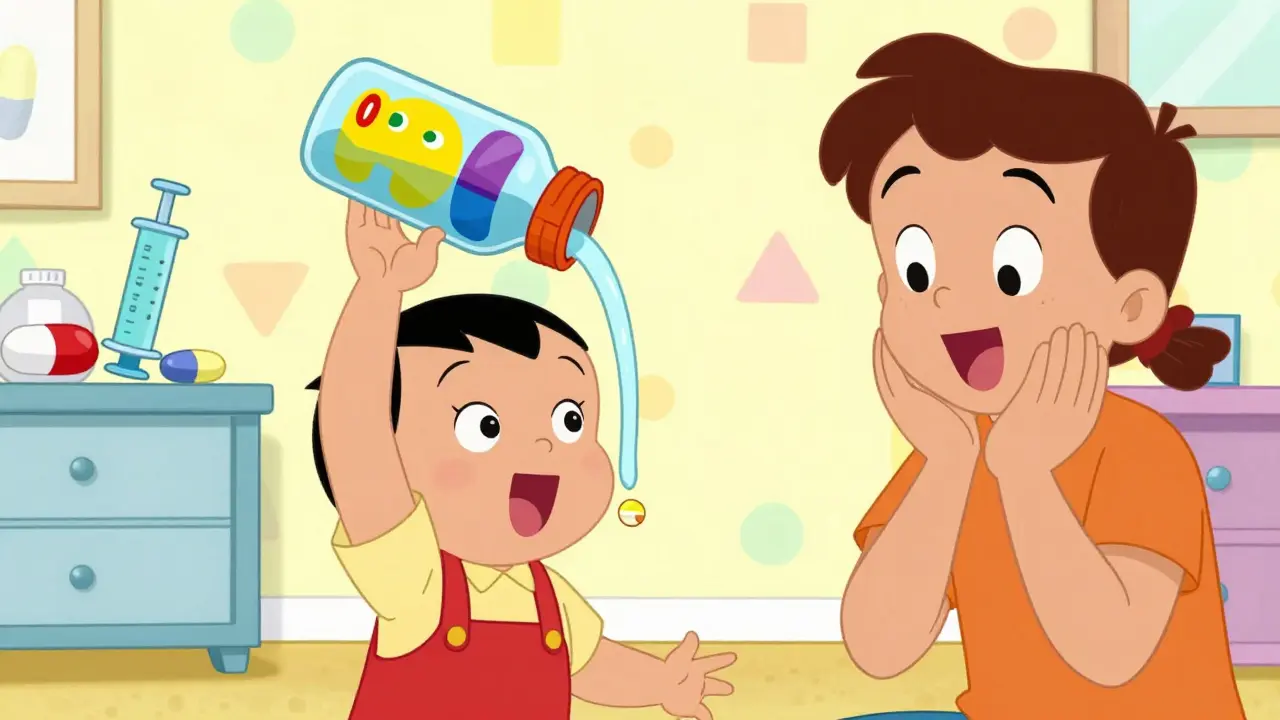
Liquid or tablet medications for children? Learn why tablets are often safer, cheaper, and more effective - even for toddlers - and how to help your child swallow them with confidence.
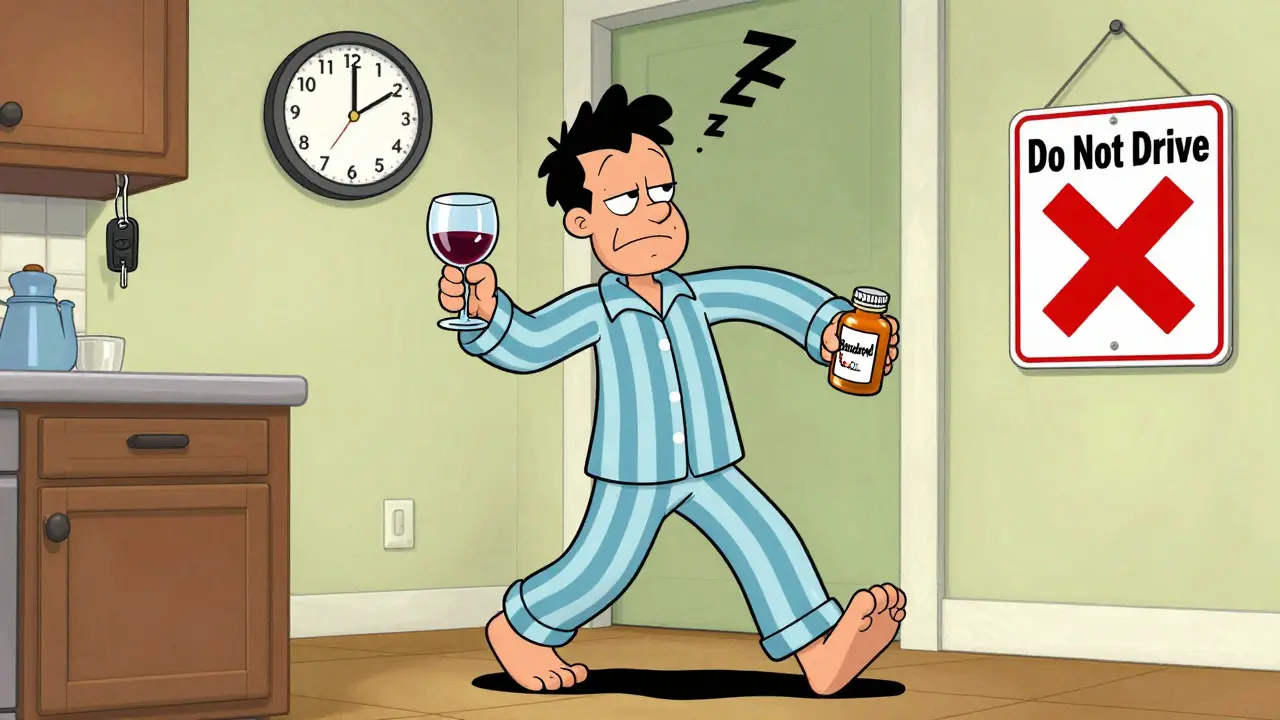
Mixing antihistamines with alcohol can cause dangerous drowsiness, impaired driving, and even breathing problems. Learn why Benadryl, Zyrtec, and Claritin aren't safe with drinks-and what to use instead.
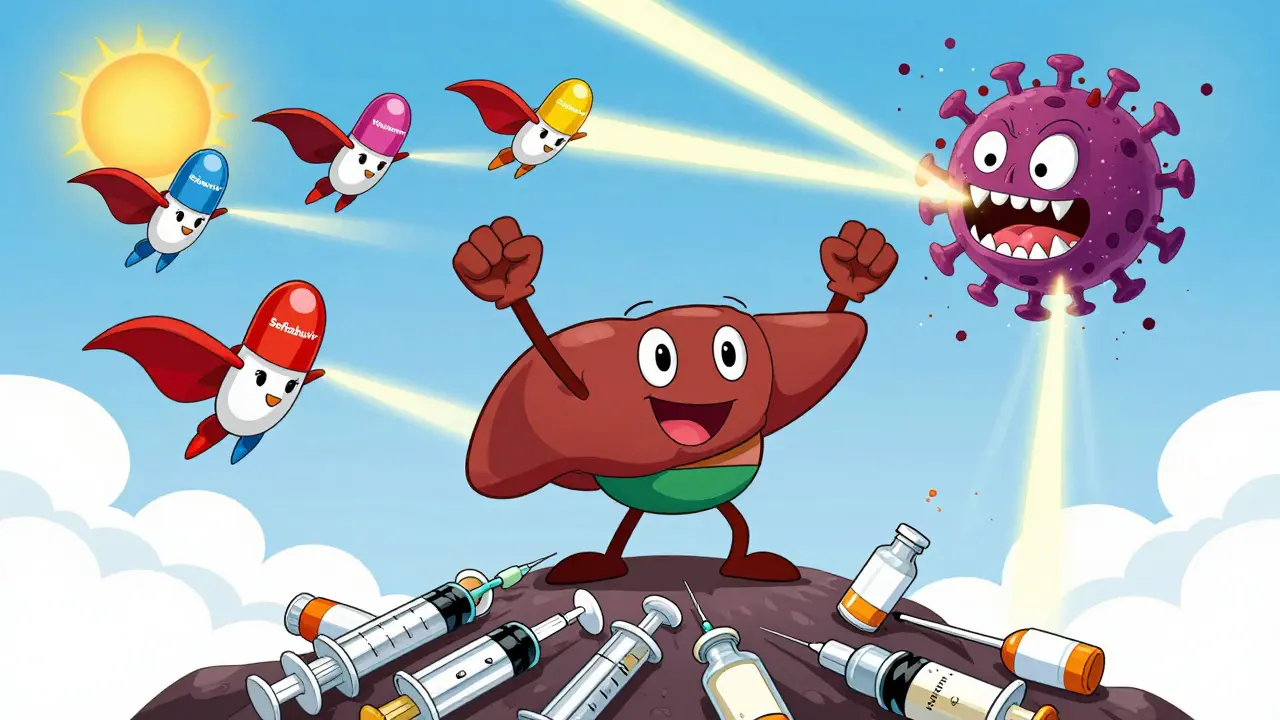
Chronic hepatitis C is now curable with simple oral antivirals that cure over 95% of patients in just 8-12 weeks. These treatments stop liver damage and can even reverse scarring. Learn how modern DAAs work, what to expect, and why access remains the biggest barrier.
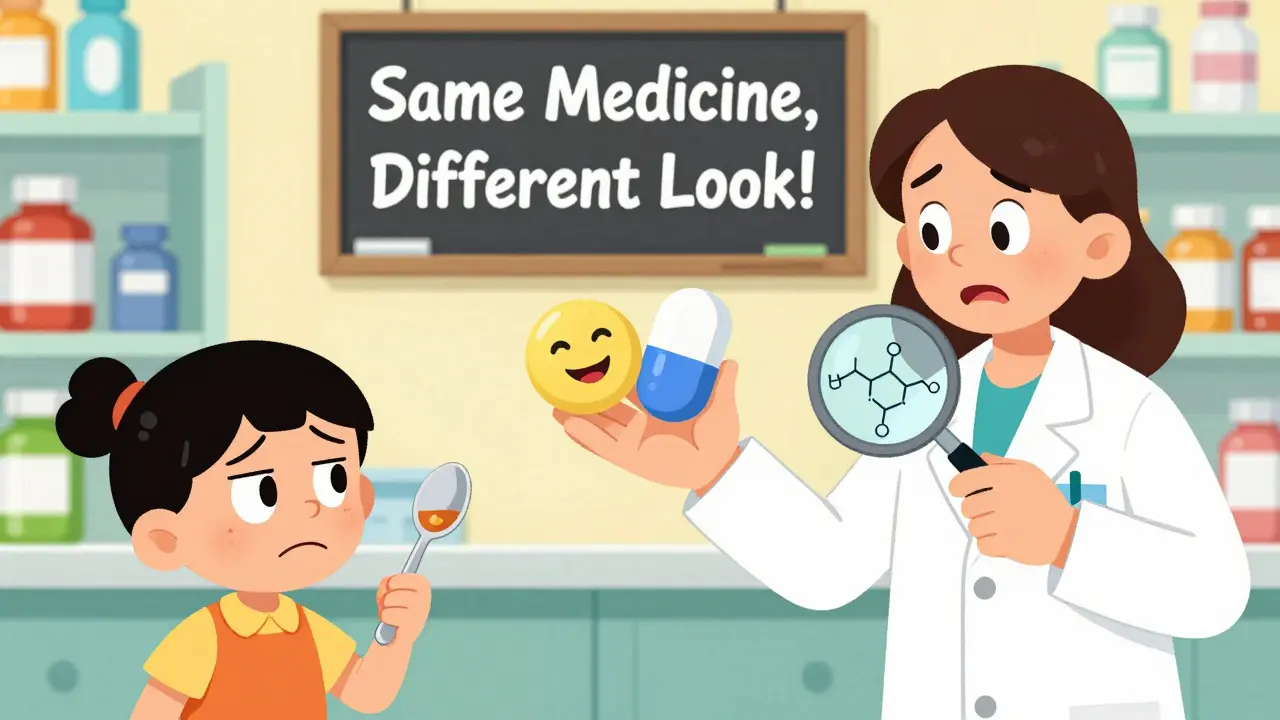
Learn how to explain generic drug substitutions to children and older adults in a way that builds trust, improves adherence, and prevents dangerous misunderstandings. Real strategies for parents and caregivers.