
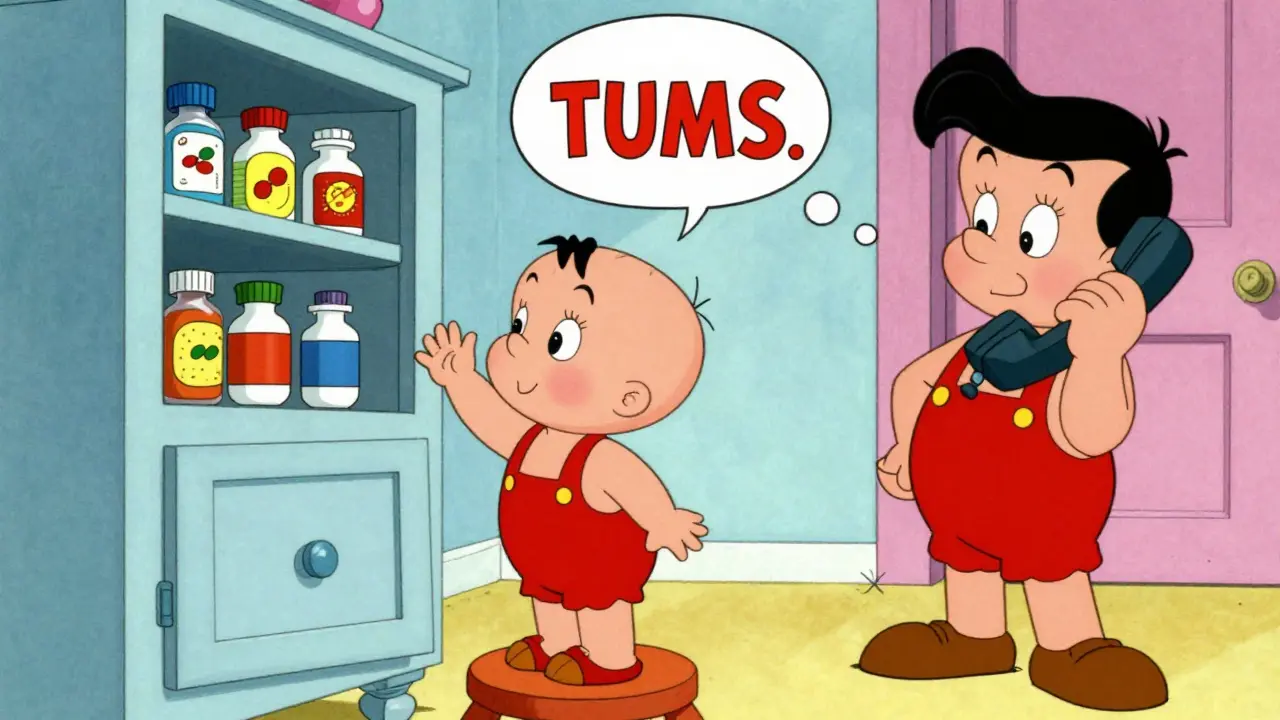
Every year, 60,000 children under five end up in emergency rooms because they accidentally swallowed medicine. Not because they were curious - but because the medicine was within reach. It could be your child. It could be your grandchild. It could happen in the time it takes you to turn your back for two minutes.
Child-resistant caps aren’t enough. High shelves aren’t enough. Even saying "don’t touch" won’t stop a determined 2-year-old who’s figured out how to open a cabinet. The truth is, most accidental poisonings don’t happen because parents are careless - they happen because we assume safety measures are foolproof. They’re not.
Why "Out of Sight" Isn’t Enough
You might think, "I keep my pills on the top shelf in the bathroom." That’s not safe. Children as young as 18 months can climb onto counters, pull open drawers, and twist off caps. A 2021 study by the U.S. Consumer Product Safety Commission found that 50% of kids under five can open standard child-resistant bottles in under a minute - even if they’ve never seen the bottle before.
And it’s not just prescription meds. Over-the-counter pain relievers, vitamins that look like candy, and even topical creams like hydrocortisone can be deadly in small doses. Tums? They look like SweeTarts. Aspirin? Looks like Skittles. A 2022 study from Children’s Mercy Hospital showed a 17% spike in accidental ingestions of chewable medications that resemble candy.
Storing medicine "out of sight" only works if the child can’t get to it. But kids don’t wait for permission. They explore. They test. They learn. And if your meds are accessible, they’ll find them.
The Only Reliable Solution: Locked Storage
The best way to prevent accidental poisoning isn’t a trick. It’s a lock.
According to a 2022 study in the Journal of Pediatric Health Care, locked cabinets prevent access 98% of the time. High shelves alone? Only 72%. That’s a huge gap. And it’s not just about locking the cabinet - it’s about locking the container.
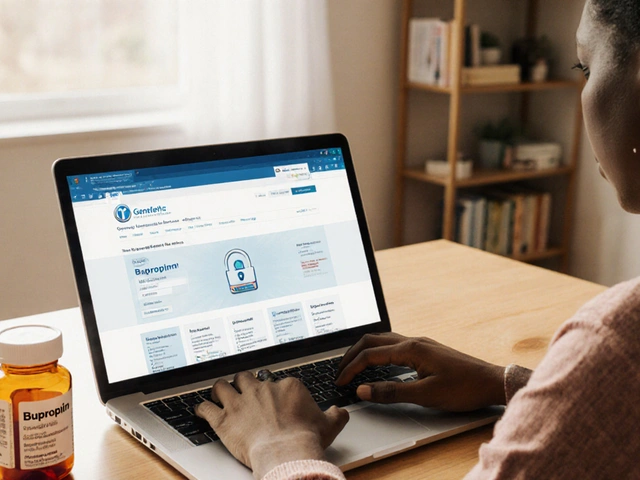
Medication lockboxes designed for homes are small, sturdy, and affordable. Look for ones made of steel or hardened plastic, at least 6 inches x 4 inches x 2 inches. They should have a key or combination lock - not just a latch. Biometric safes (fingerprint) are great, but they take 5-8 seconds to open. For emergency meds like EpiPens or inhalers, that delay could matter. Keep those in a separate, fast-access lockbox that adults know how to open instantly.
Don’t rely on child-resistant packaging alone. The FDA requires bottles to withstand 10 minutes of testing by 200 kids aged 42-51 months. But real life isn’t a lab. A child who’s been watching you open the bottle for months will figure it out faster than you think. The CDC says locking your meds is 3.2 times more effective than depending on child-resistant caps.
Where to Store Medications (and Where Not To)
Here’s where most families get it wrong:
- Don’t store in the bathroom. Humidity ruins pills. Plus, kids can reach the sink, climb on the toilet, or use a step stool. A 2023 Safe Kids Worldwide survey found 41% of parents still keep meds in the bathroom - even though 89% know kids can get to them.
- Don’t leave them on nightstands. Even if you only take them at night, leaving them out creates a habit. One wrong moment - grabbing your phone, checking a text - and the bottle is unattended.
- Don’t use pill organizers on the counter. Weekly pill boxes are convenient, but they’re also an invitation. A 2024 Express Scripts study found they contribute to 28% of accidental ingestions in grandparent homes.
Where should you store them?
- High cabinets in the kitchen or bedroom - locked.
- A dedicated lockbox mounted to a wall or inside a closet.
- For travel: Use a portable lockbox that fits in your suitcase or hotel safe.
Even refrigerated meds like insulin should be locked up. Put them in a small lockbox inside the fridge. Kids can open fridge doors. They can reach shelves. Lock it anyway.
Travel Is the Biggest Risk - Here’s How to Stay Safe
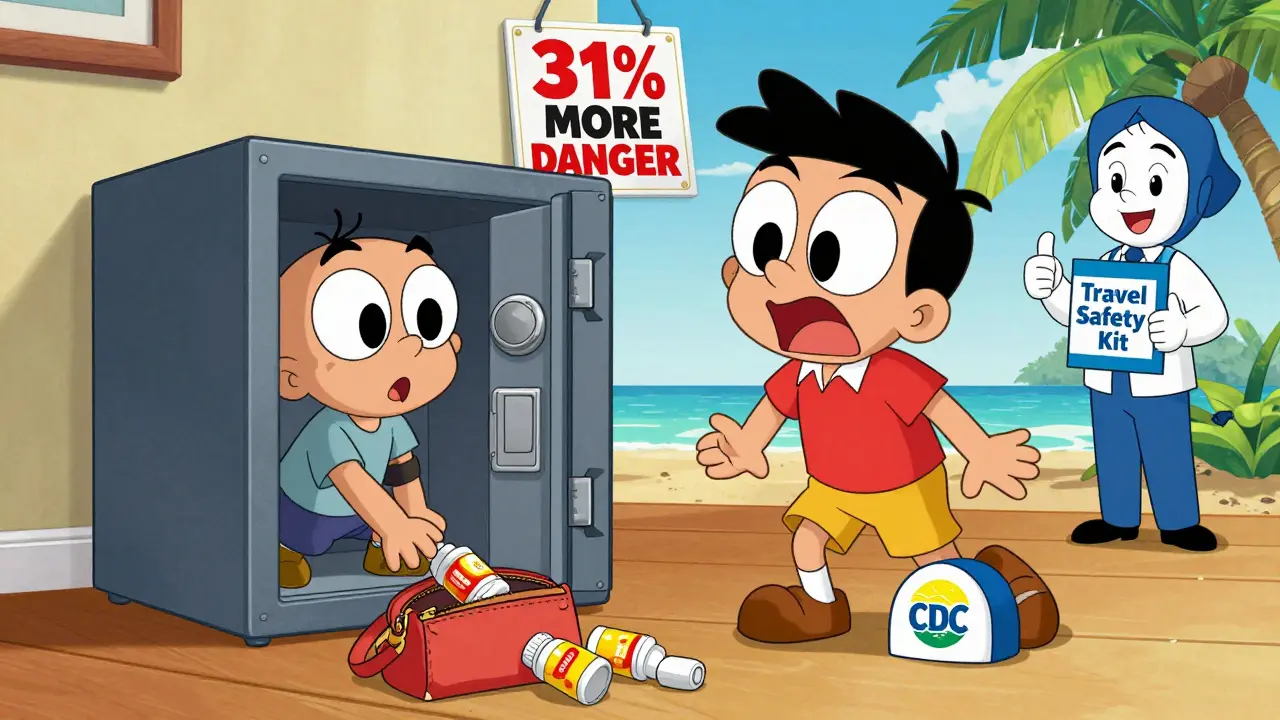
Accidental poisonings spike during holidays. The CDC reports a 31% increase in cases during winter break and summer vacations. Why? Because routines break. Pill bottles go in bags. Medications get left in hotel rooms. Grandparents forget to lock things up.
A 2024 Reddit thread with over 1,200 parent stories showed 87% had a near-miss while traveling. One mom found her 2-year-old with an open bottle of ibuprofen in a hotel room - the bottle had been left in a purse on the floor.
Here’s what to do:
- Always pack a portable lockbox for meds - even for overnight trips.
- Never leave meds in a car, purse, or backpack. Temperature and access are both risks.
- If staying with family, remind caregivers: "Even if you think they won’t touch it, lock it anyway."
- Use the CDC’s new "Travel Safety Kits" - small, TSA-approved lockboxes designed to fit in hotel safes.
And if you’re staying with grandparents? Don’t assume they know. A 2024 Express Scripts survey found 76% of grandparents don’t lock up meds when grandchildren visit. Most say, "They know not to touch medicine." But kids don’t understand "medicine" the way adults do. They understand color, shape, taste.
What About Teenagers?
It’s not just toddlers. Teens are at risk too - but for a different reason: misuse. The National Association of Pediatric Nurse Practitioners found that households using monitored medication systems - where teens log each dose with adult verification - reduced prescription misuse by 67%.
If you have teens, don’t just lock the meds. Track them. Use a lockbox with a log sheet. Or a smart lockbox that alerts you when opened. It’s not about trust - it’s about safety. Prescription opioids, ADHD meds, and even anxiety pills can be dangerous if misused.
What to Do If Your Child Swallows Medicine
If you suspect your child swallowed medicine - even if they seem fine - call Poison Control immediately: 1-800-222-1222. Don’t wait for symptoms. Don’t try to make them throw up. Don’t give them milk or water unless instructed.
Keep the bottle. Take a photo of what’s left. Note the time. This helps Poison Control give you the right advice fast.
Emergency departments treat about 165 children daily for medication ingestions. Most of these cases are preventable.
Dispose of Old or Unused Meds Properly
Don’t flush pills. Don’t toss them in the trash. Don’t leave them in a drawer "just in case."
The FDA recommends mixing unused meds with coffee grounds or cat litter, sealing them in a plastic bag, and throwing them in the trash. Many pharmacies now offer free, year-round drop-off bins. Check with your local pharmacy - 78% of U.S. communities have them now.
And if you’re cleaning out a medicine cabinet? Do it now. Get rid of anything expired, discontinued, or unused. Less medicine in the house = less risk.
Make It a Habit - Not a Chore
The most effective families don’t think about medication safety as a task. They treat it like locking the front door. It’s automatic.
Use the "Two-Minute Rule": Never leave medicine unattended for more than 120 seconds. If you’re giving your child a pill, open the bottle, give the dose, and lock it back up - all in under two minutes.
Practice safety drills. Once a month, ask yourself: "Where would my child go to find medicine?" Then go check. If you find anything within reach, fix it.
And remember: Safe storage isn’t about being paranoid. It’s about being smart. It’s about protecting the people you love from a preventable accident.
What’s Changing in 2025
Starting in 2025, the FDA will require all prescription medications to include pictogram labels showing proper storage - like a padlock over a cabinet. Early trials in 2023 showed a 63% drop in accidental ingestions when families used these visual guides.
Pharmaceutical companies are also rolling out dual-lock caps that require two separate motions to open - a twist and a press. It’s harder for kids to figure out, and easier for adults to use.
These changes won’t fix everything. But they’ll help. The real fix? You. Your habits. Your locks. Your consistency.
One locked box. One habit. One less trip to the ER.

Anna Pryde-Smith
January 22, 2026 AT 16:39I saw my cousin’s 2-year-old crack open a bottle of ibuprofen in 17 seconds. No joke. She’d watched her mom do it every morning. Kids aren’t dumb-they’re observant. And if you think your ‘child-resistant’ bottle is safe, you’re living in a fantasy. I now lock EVERYTHING. Even my CBD gummies. No exceptions. Ever.
Vanessa Barber
January 24, 2026 AT 01:43Maybe if we stopped treating medicine like it’s radioactive, kids wouldn’t be so obsessed with it. I grew up with pills on the counter and never touched them. But sure, let’s turn every home into a vault.
Dawson Taylor
January 24, 2026 AT 15:24The data presented is statistically significant and aligns with longitudinal safety studies conducted by the CDC and AAP. The behavioral psychology of child exploration is well-documented; environmental control remains the most effective mitigating variable. Locking mechanisms reduce exposure probability to near-zero levels. Empirical evidence outweighs anecdotal resistance.
Sallie Jane Barnes
January 26, 2026 AT 10:44My daughter is 3. I used to keep meds on the bathroom shelf. Now? They’re in a steel lockbox bolted to the wall in my closet. I don’t even think about it anymore. It’s just part of the routine-like buckling my seatbelt. I wish I’d done it sooner. I’m not proud of how long I waited.
Laura Rice
January 26, 2026 AT 17:08OMG I JUST REALIZED I LEFT MY VITAMINS ON THE KITCHEN COUNTER!! 😱 I’m running to lock them right now. My niece was here yesterday and she was climbing on everything. I’m such a bad mom. But seriously-lockboxes are a GAME CHANGER. I bought one last week and I’m never going back.
charley lopez
January 27, 2026 AT 14:56The efficacy of pharmacological containment systems demonstrates a 98% success rate in controlled access scenarios, as opposed to passive environmental deterrents, which yield a 72% success rate. The variance is statistically significant (p < 0.01). Furthermore, the degradation of pharmaceutical integrity in humid environments necessitates storage outside of bathrooms. Compliance with these protocols reduces incident rates by an order of magnitude.
Kerry Evans
January 27, 2026 AT 16:50Parents who don’t lock up meds are just asking for disaster. It’s not ‘paranoia’-it’s responsibility. If you’re too lazy to buy a $20 lockbox, don’t be surprised when your kid ends up in the ER. And no, ‘they know not to touch it’ isn’t an excuse. Kids aren’t rational. They’re biological hazard detectors.
Susannah Green
January 27, 2026 AT 17:52Pro tip: Get the ones with a dial combo-no keys to lose. And label the outside with a sticker that says ‘Medications: Do Not Open’-even if it’s locked. It reminds visitors. I also keep a small notepad next to it to log when I open it. Helps me remember if I took my pill or not. Double duty!
Kerry Moore
January 29, 2026 AT 04:02Your post resonates deeply. I’ve spent years working in pediatric emergency care, and the preventable nature of these incidents is heartbreaking. The most common phrase from parents is, ‘I never thought it would happen to us.’ It happens to everyone who assumes safety is passive. Your emphasis on habit formation is critical.
Sue Stone
January 31, 2026 AT 03:44I just locked my meds. Took me 2 minutes. Feels weird, but also… good? Like I finally did something right.
Oladeji Omobolaji
February 1, 2026 AT 19:33In Nigeria, we don’t have lockboxes. We just keep meds in the kitchen cabinet behind the rice sacks. Kids don’t go there because it’s too dark and scary. Maybe the solution isn’t always tech-it’s culture.
Janet King
February 3, 2026 AT 10:20My grandmother had diabetes. She kept her insulin in the fridge. I never thought to lock it. Then my nephew found it. He drank half a vial. He’s fine now. But we didn’t get lucky. We got lucky because we called Poison Control right away. Please, just lock it. Don’t wait for your story to be the one that makes headlines.
Stacy Thomes
February 5, 2026 AT 04:54YOU DID IT. YOU SAID THE THING. LOCK IT. LOCK IT LIKE YOUR HOUSE. LOCK IT LIKE YOUR CAR. LOCK IT LIKE YOUR HEART. I just bought three lockboxes-one for home, one for my purse, one for my mom’s house. I’m telling every mom I know. This isn’t just advice. It’s survival.