
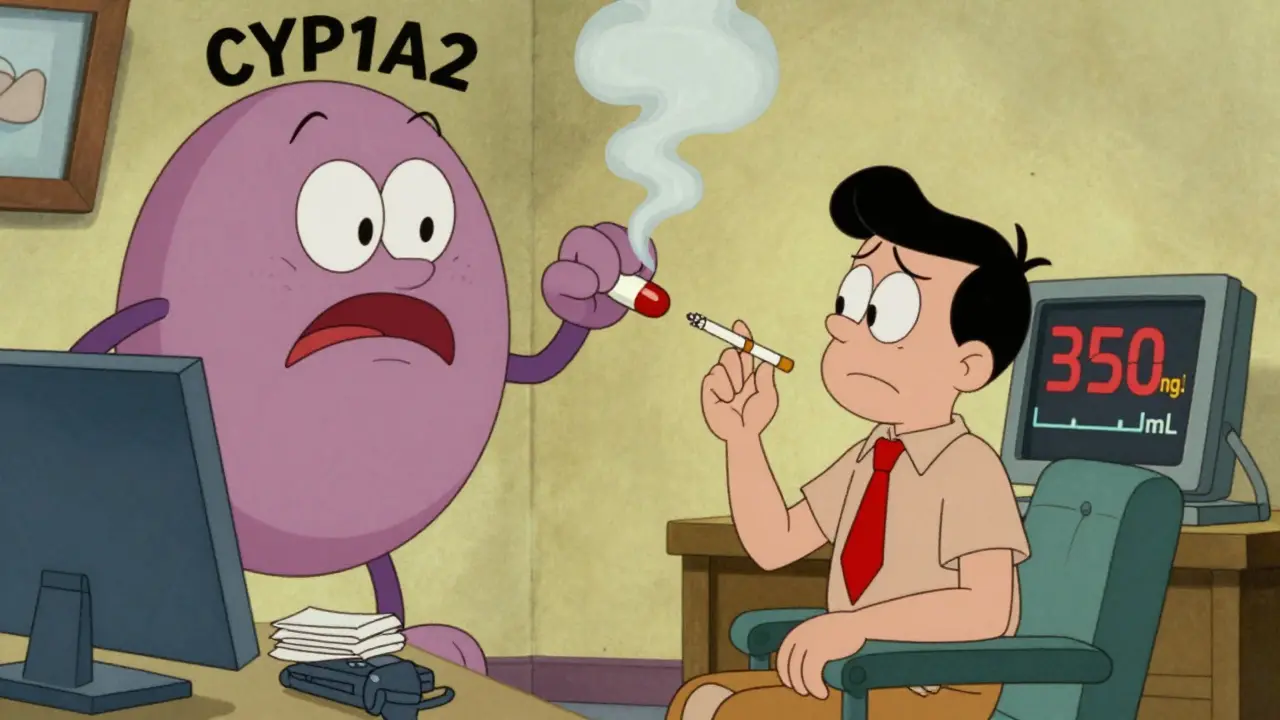
Smoking dramatically increases how fast clozapine is broken down in the body, requiring higher doses. Quitting smoking can cause dangerous drug buildup. Learn how to safely adjust doses and monitor levels to avoid serious side effects.
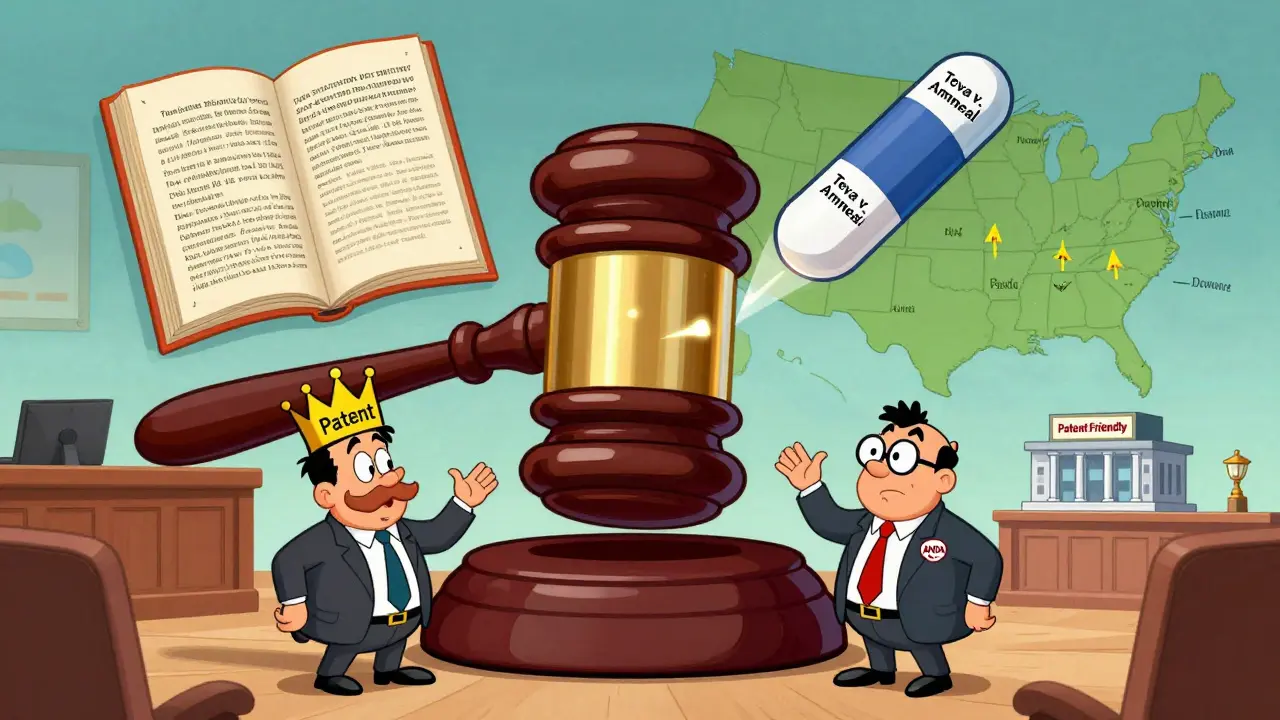
The Federal Circuit Court controls U.S. pharmaceutical patent law, deciding when generics can enter the market, which patents hold up, and where lawsuits are filed. Its rulings impact drug prices, innovation, and patient access.
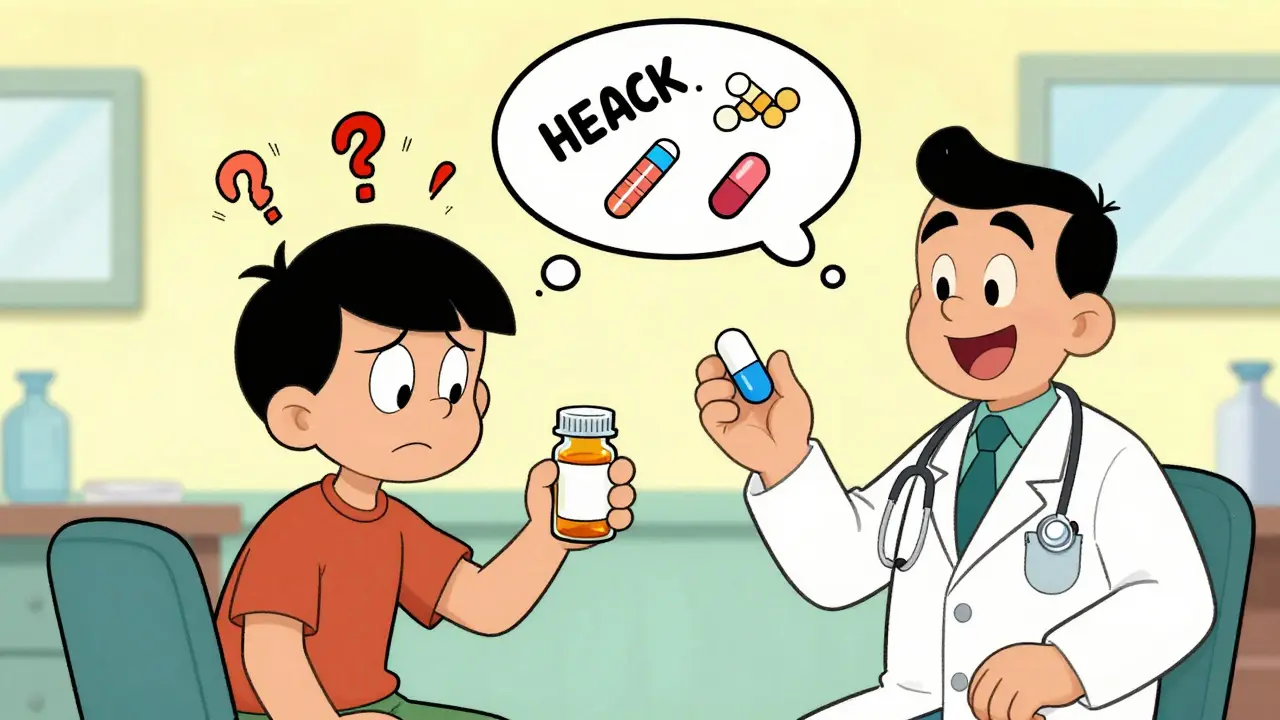
Why do some people feel side effects from medications that don’t actually cause them? The nocebo effect shows how expectations shape physical symptoms-sometimes more than the drug itself.
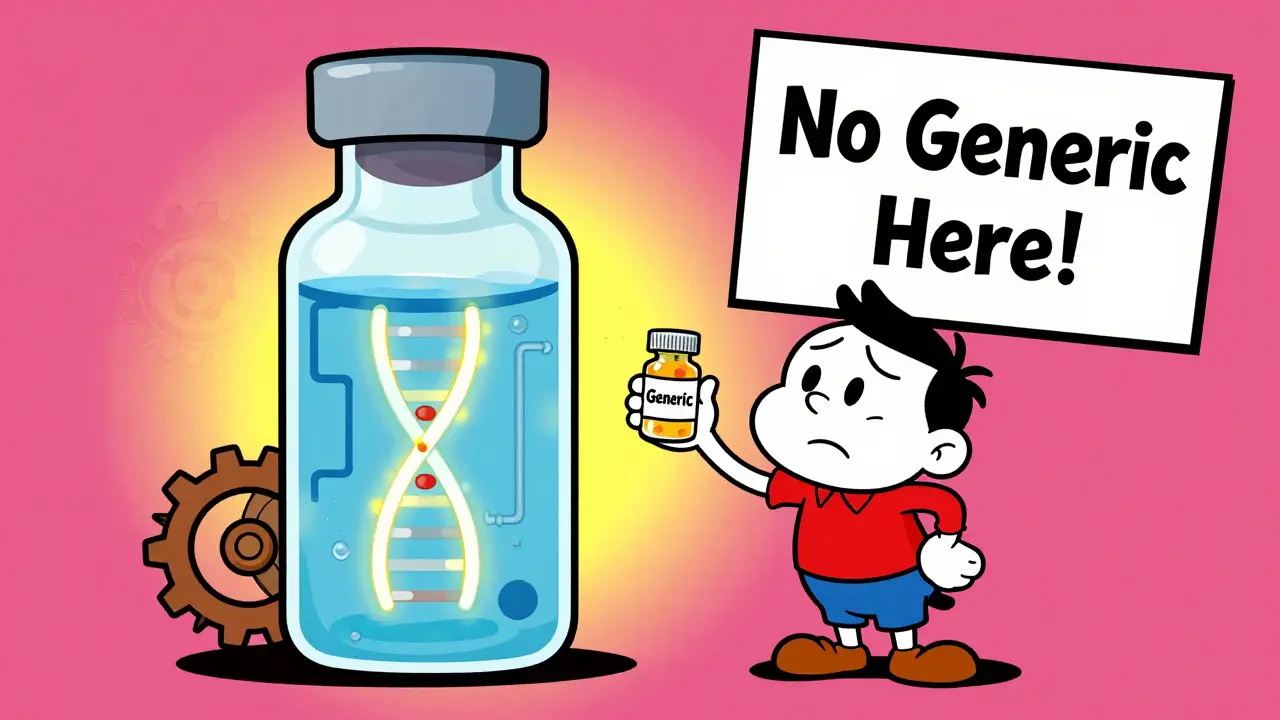
Vaccine generics don't exist like drug generics - complex biology, concentrated manufacturing, and fragile supply chains make global vaccine access deeply unequal. Here's why low-income countries still can't get what they need.
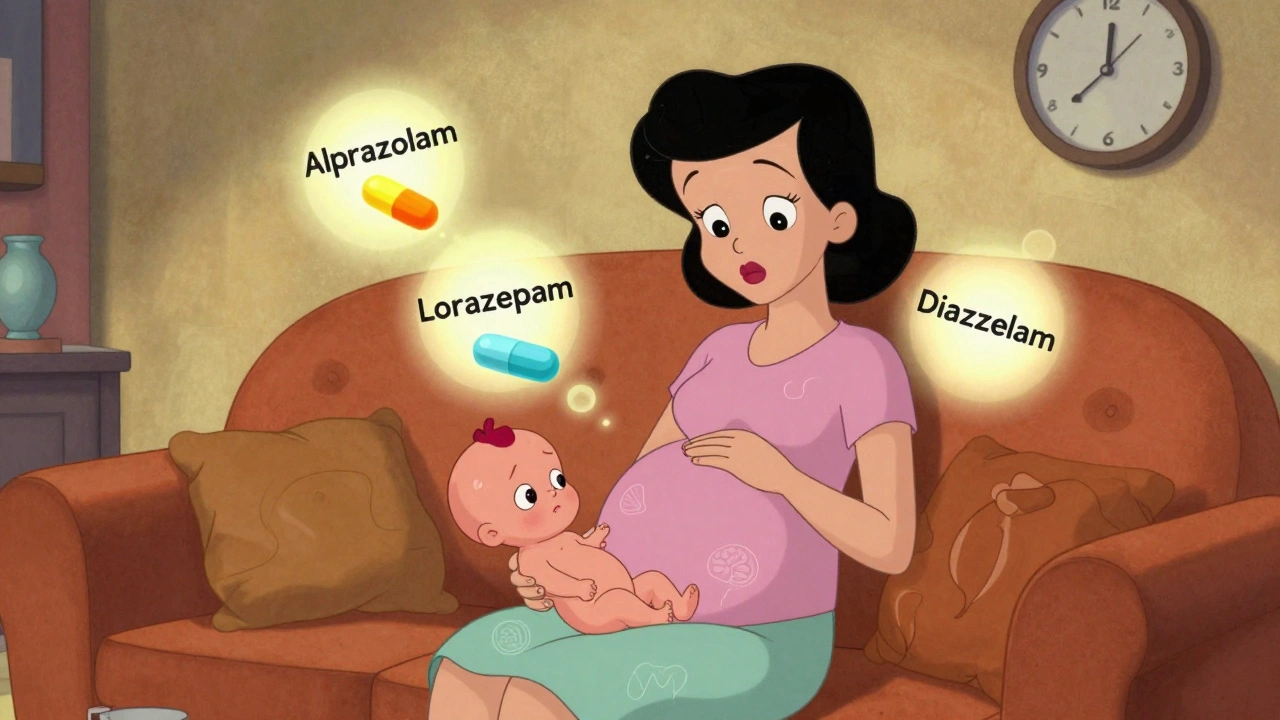
Benzodiazepines during pregnancy carry small but real risks of birth defects, miscarriage, and neonatal complications. Learn what the latest research says about alprazolam, lorazepam, and other common drugs - and what safer alternatives exist.

Learn what manufacturing changes trigger FDA re-evaluation for generic drugs, including PAS, CBE, and AR submissions, review timelines, costs, and how to avoid delays with QbD and FDA pilot programs.
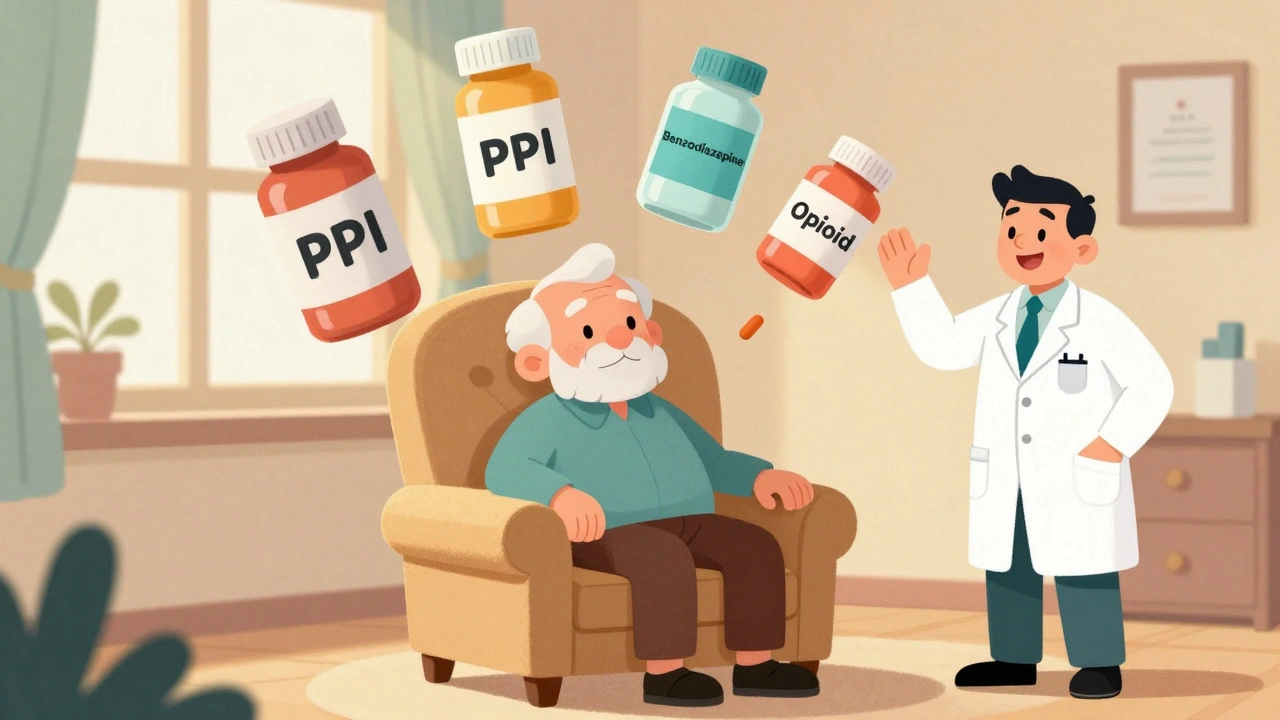
Deprescribing frameworks help safely reduce unnecessary medications in older adults, cutting side effects like falls, confusion, and hospitalizations. Evidence-based protocols exist for common drugs like PPIs, sleep aids, and opioids.
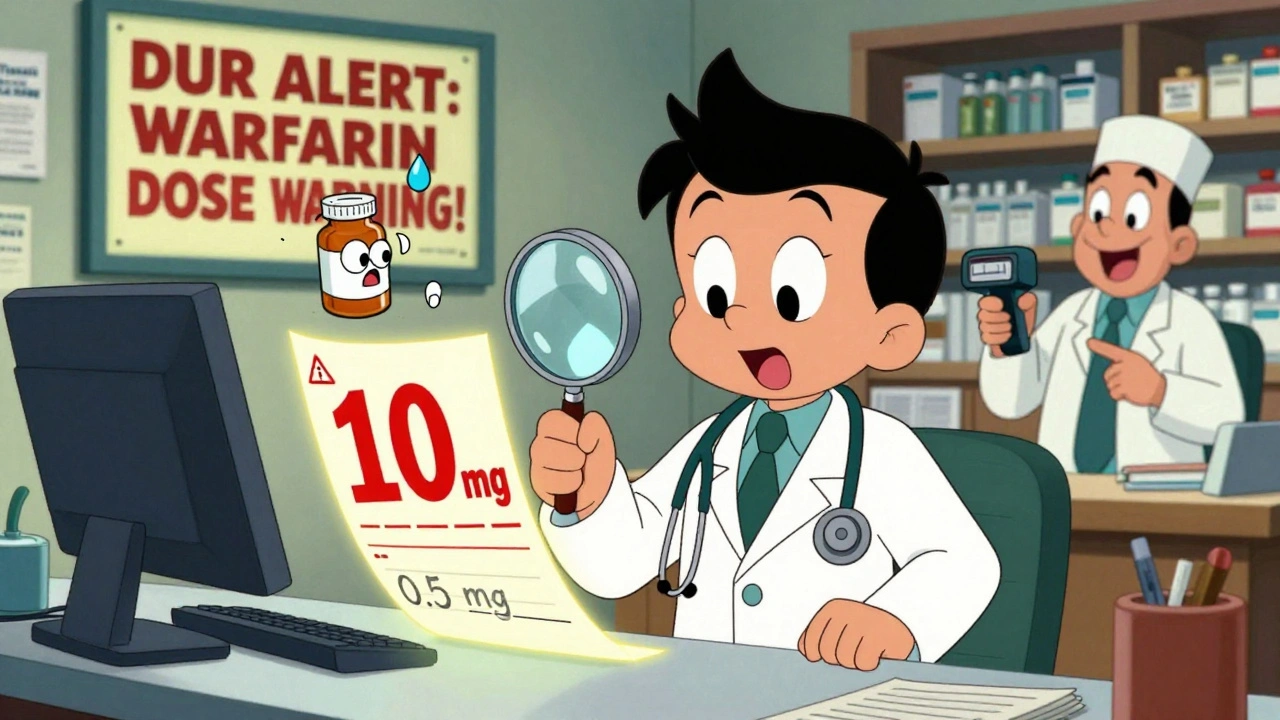
Pharmacists prevent over 200,000 medication errors annually by catching wrong doses, dangerous interactions, and prescription mistakes before patients receive their meds. Their role is critical, backed by data, technology, and real-life saves.
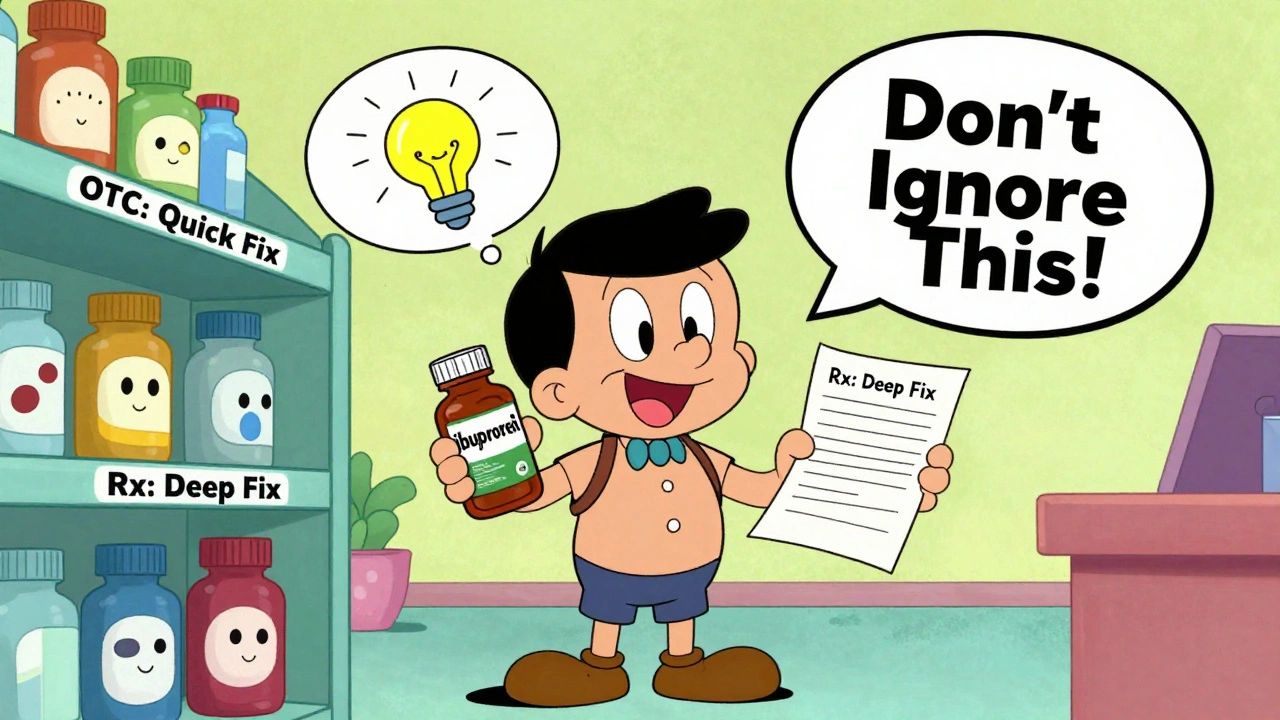
Learn when to use over-the-counter meds versus prescriptions for common issues like headaches, allergies, and heartburn. Know the signs you need a doctor instead of a drugstore solution.
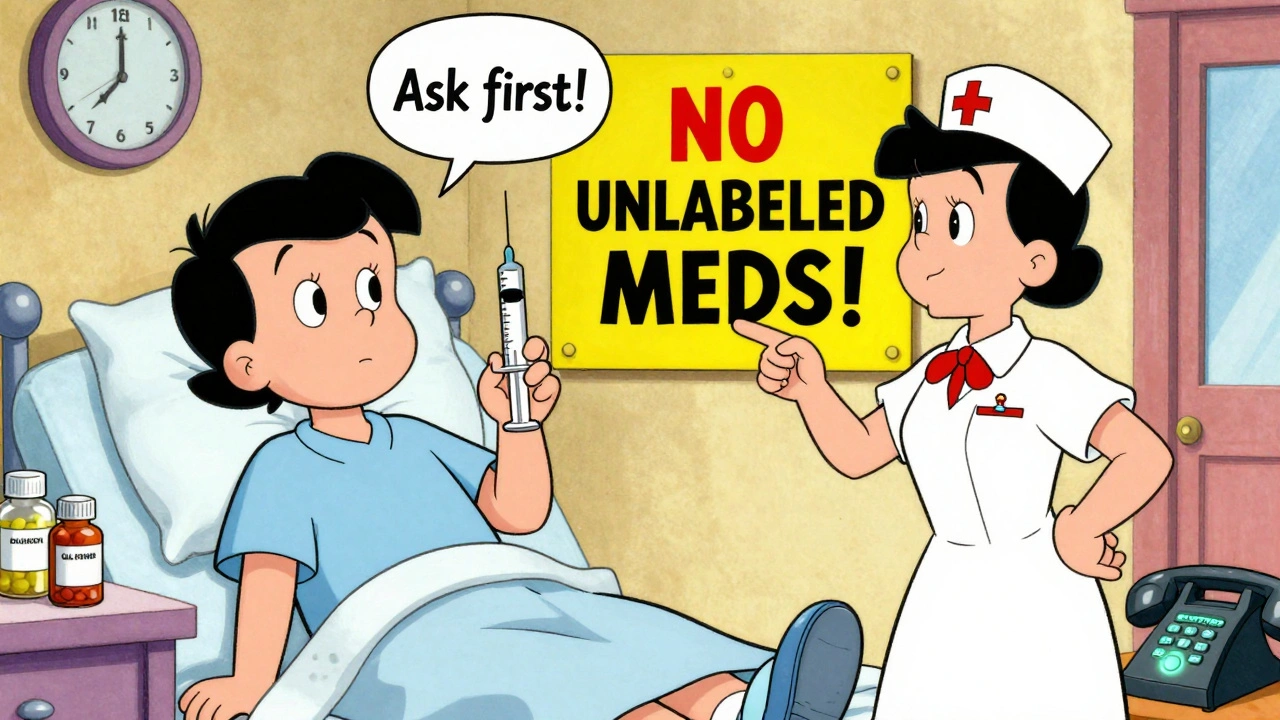
Learn how to avoid dangerous mistakes when using short-term medications after surgery. Follow proven safety steps for painkillers, antibiotics, and high-risk drugs to prevent errors, overdoses, and infections.
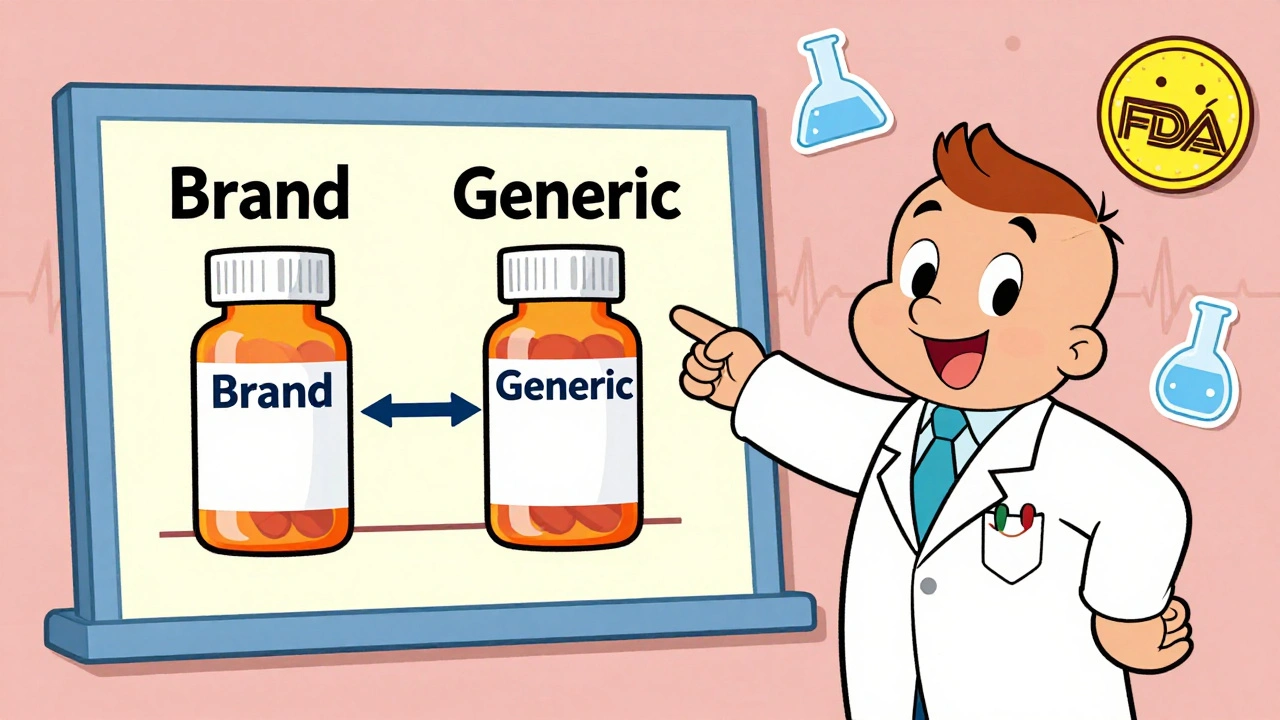
Clinical outcomes data shows generic drugs are just as effective as brand-name medications for nearly all conditions. Providers should rely on evidence, not perception, when prescribing generics.
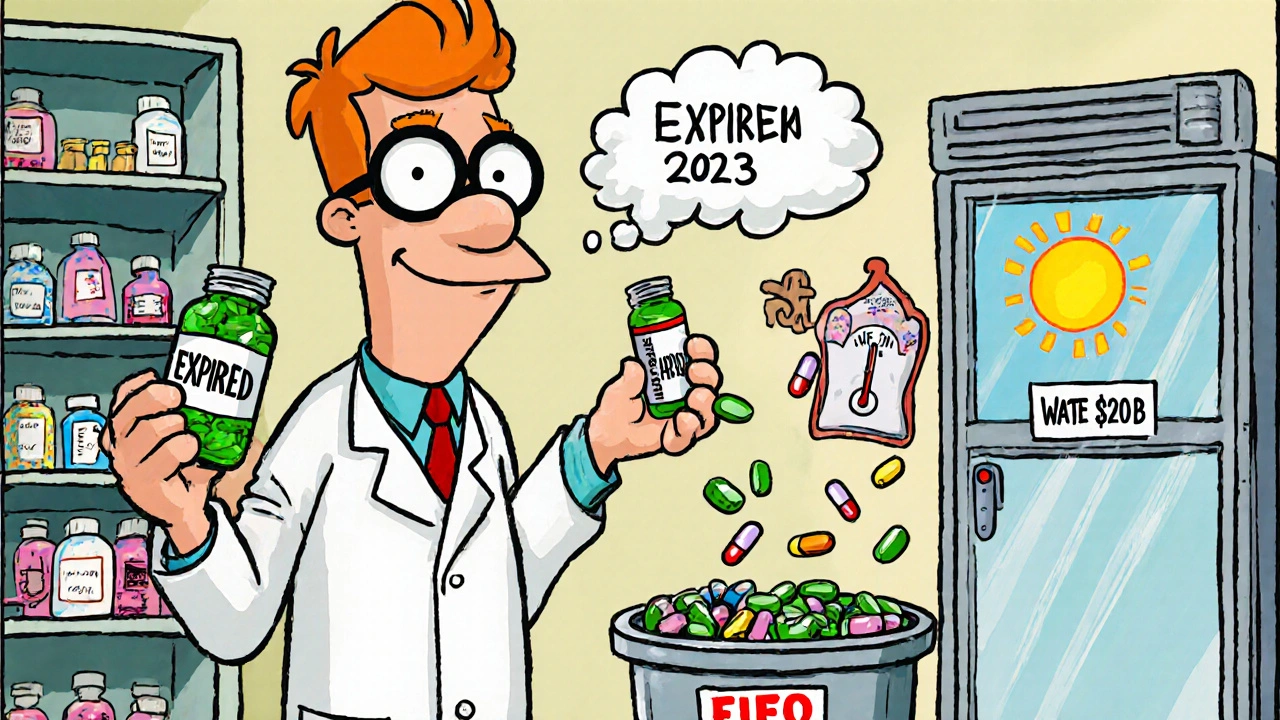
Learn practical ways to reduce medication waste without risking safety. Store meds properly, use FIFO, ask for smaller prescriptions, and use take-back programs to keep pills out of landfills and in the hands of those who need them.