
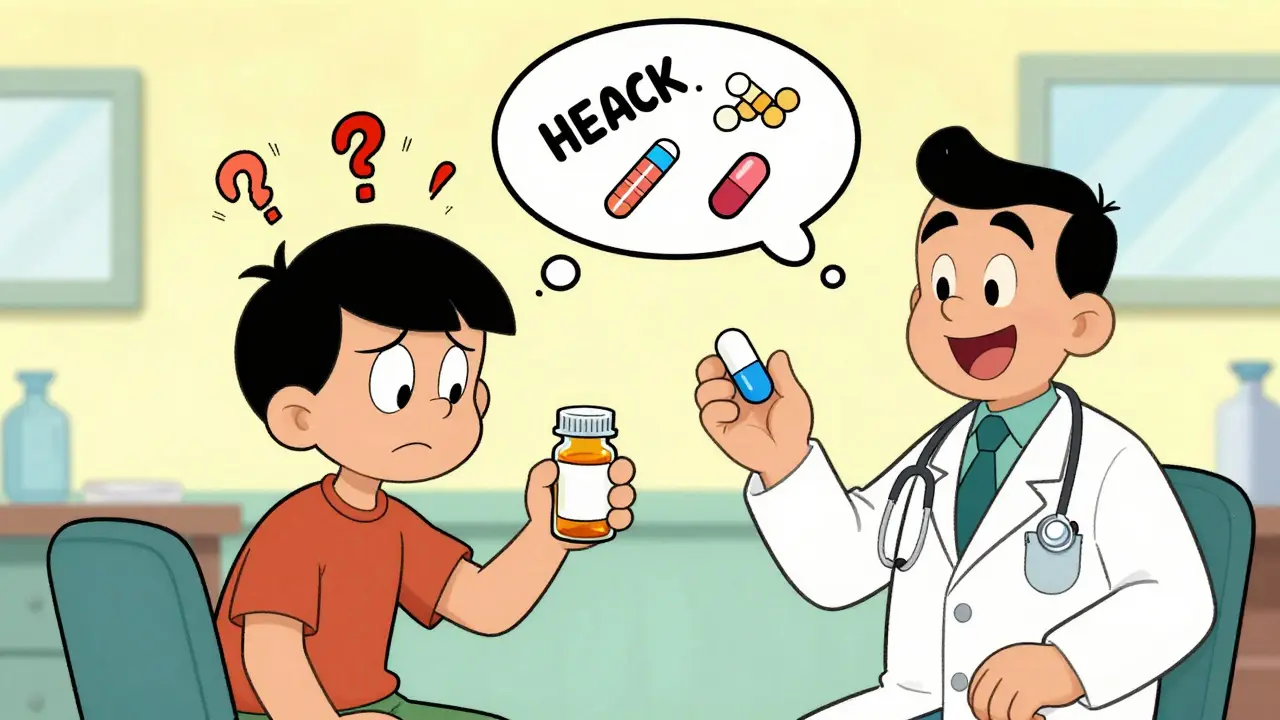
What if the side effects you’re feeling aren’t from the medicine at all-but from what you’ve been told it might do? This isn’t speculation. It’s science. Every year, tens of thousands of people stop taking effective medications because they believe they’re having side effects. And in many cases, those symptoms never would’ve happened if they hadn’t been warned about them.
What Exactly Is the Nocebo Effect?
The nocebo effect is the dark twin of the placebo effect. While placebo means “I will please” in Latin, nocebo means “I will harm.” It’s when negative expectations about a treatment cause real, physical symptoms-even when the treatment is harmless. For example, in clinical trials, about 20% of people taking a sugar pill report side effects like headaches, nausea, or fatigue. That’s not because the pill does anything. It’s because they were told these symptoms might happen. And their brains respond accordingly. This isn’t just about feeling anxious. Brain scans show that when someone expects pain or nausea from a drug, areas like the anterior cingulate cortex and insula light up-same regions activated during actual physical pain. Your mind doesn’t just imagine symptoms; it triggers real biological changes.Why Do People Experience Nocebo Effects?
It’s not about being gullible or weak-minded. The nocebo effect happens because your brain is wired to protect you. When you hear a warning-like “this drug can cause dizziness”-your brain goes on alert. It starts scanning your body for anything that matches that description. A slight headache? Must be the pill. A bit tired after lunch? Must be the medication. This is called heightened symptom awareness. Normal bodily sensations get misattributed to the drug. You might have had a headache yesterday, but now you’re convinced it’s because of the new prescription. Or maybe you felt a little nauseous after eating something spicy, but now you blame the pill. Studies show that the more side effects listed in a medication leaflet, the more patients report experiencing them. One study found that patients given leaflets with 15 side effects listed were twice as likely to report those side effects than those given leaflets with only five-even though both groups took the exact same drug.Brand Switches and the Nocebo Trap
One of the clearest real-world examples happened in New Zealand in 2017. The government switched patients from brand-name venlafaxine to a cheaper generic version. The active ingredient? Identical. The dosage? The same. The manufacturer? Different, but regulated to meet the same standards. Before the switch, reports of side effects were stable. After the switch, and after media coverage warned people about “possible problems” with the generic version, adverse event reports to health authorities jumped by over 60%. People started reporting dizziness, anxiety, and nausea-symptoms they hadn’t had before. They weren’t imagining it. Their bodies reacted. But not because of chemistry. Because of expectation. Similar stories pop up on Reddit and patient forums. People report feeling worse after switching from brand-name sertraline to generic-only to feel better when they go back to the brand, even though both contain the same molecule. Doctors call this the “brand loyalty effect,” but it’s really nocebo in disguise.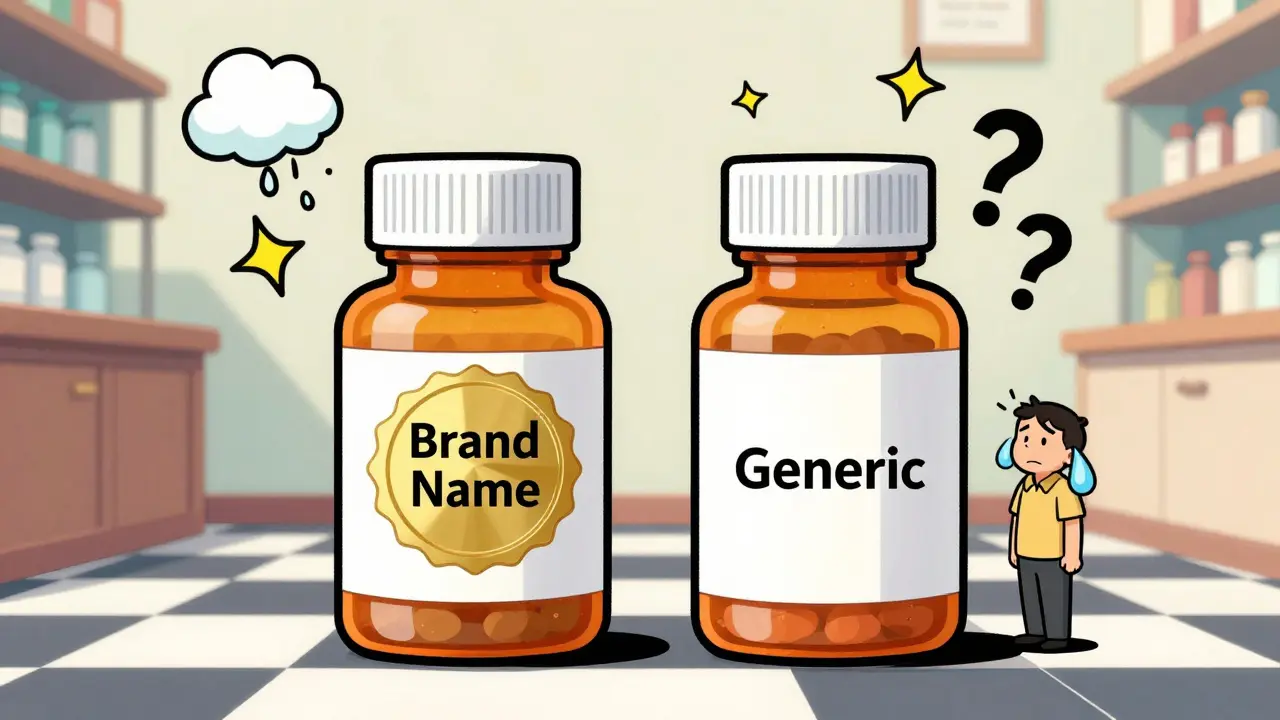
How the Nocebo Effect Undermines Treatment
The consequences aren’t just personal-they’re systemic. Around 15-20% of patients stop taking effective medications because they think they’re having side effects. In many cases, those side effects are nocebo-driven. This leads to:- Unnecessary doctor visits
- Costly drug switches
- Worsening of original conditions
- Increased healthcare spending
Who’s Most at Risk?
Some people are more prone to nocebo effects. Research shows:- Women report side effects 23% more often than men in placebo groups
- People with anxiety or depression are 1.7 times more likely to experience nocebo reactions
- Pessimistic individuals and those who pay close attention to health information are more vulnerable
- Those who’ve had bad experiences with medications in the past are more likely to expect them again
How Doctors and Pharmacists Can Help
The good news? The nocebo effect can be reduced-without lying or hiding information. It’s all about how you communicate. Instead of saying: “This drug can cause nausea in up to 30% of users,” say: “Most people don’t feel sick, but if you do get a little nausea, it usually passes in a few days.” Instead of listing every possible side effect, focus on what’s common, what’s serious, and what’s unlikely. A 2021 European study found that when doctors were trained in this kind of communication, patient dropout rates dropped by 18-22%. New Zealand’s healthcare system piloted a 4-6 hour training program for pharmacists on nocebo-aware communication. Results? Fewer calls to the poison control center, fewer complaints, and more people staying on their meds.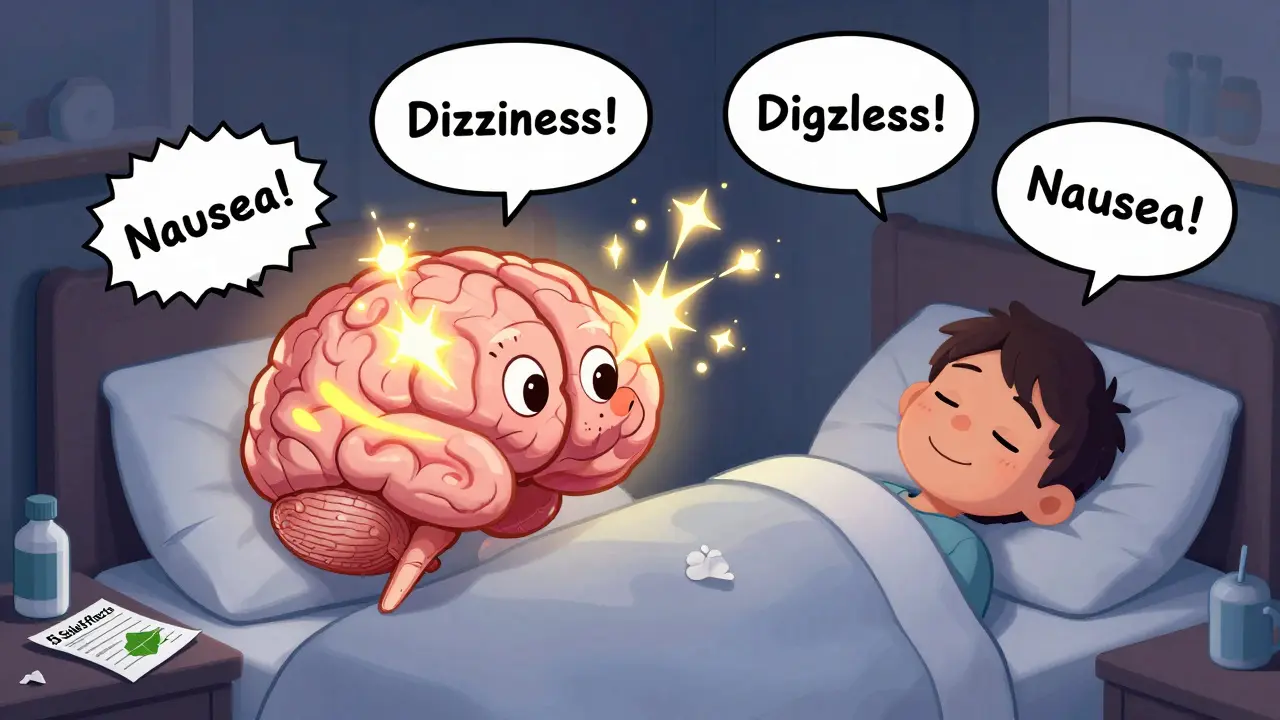
What You Can Do as a Patient
If you’re starting a new medication:- Ask your doctor: “What side effects do most people actually experience?”
- Don’t read the full leaflet right away. Wait until you’ve been on the drug for a few days.
- Keep a simple journal: Note how you feel each day-not just physical symptoms, but sleep, stress, diet. This helps you spot real patterns.
- If you notice a symptom, pause before blaming the drug. Could it be stress? A new coffee habit? Lack of sleep?
- Don’t assume a generic is worse. The active ingredient is the same. Your body may just be reacting to the idea of change.


Sachin Bhorde
December 16, 2025 AT 13:25Yo this is wild but makes total sense. I’ve seen this in my own practice-patients get the script, read the leaflet like it’s a horror novel, and then blame the med for every sneeze. The brain’s predictive coding is nuts. Anterior cingulate lighting up like a Christmas tree? That’s not placebo, that’s neurobiology on overdrive. We need to retrain how we communicate risk-not scare people into noncompliance. The data’s clear: fewer side effects listed = fewer reported side effects. It’s not lying, it’s precision messaging.
Joe Bartlett
December 17, 2025 AT 03:04Classic overthinking. People just need to take the pill and stop reading stuff. If you’re scared of a sugar pill causing headaches, maybe you’re the problem.
Naomi Lopez
December 17, 2025 AT 18:30It’s fascinating how the medical establishment still treats the mind as an afterthought. The nocebo effect isn’t just a quirk-it’s a paradigm shift in pharmacology. The fact that we’re still handing out 15-page side effect pamphlets like medieval curses is criminal. This isn’t about ‘not scaring patients’-it’s about respecting their neurobiology. If we treated the mind as part of the treatment protocol instead of a footnote, we’d save billions and lives.
Salome Perez
December 19, 2025 AT 00:38As someone who’s lived with chronic pain and been prescribed six different meds over a decade, I can tell you this hits home. I stopped sertraline because I thought the generic was ‘weaker’-turns out, my anxiety about the switch made me feel worse. When I switched back to brand, I felt better… not because of chemistry, but because I trusted it. That’s the power of narrative. Our bodies don’t just react to pills-they react to stories. Maybe the real medicine is the quiet reassurance from a doctor who says, ‘You’re not crazy, this is normal, and it’ll pass.’
Josh Potter
December 19, 2025 AT 09:35OMG YES. I took that generic omeprazole and thought I was gonna die. Sweating, heart racing, felt like a ghost was in my chest. Turned out I was just stressed from work. My brain went full horror movie on me. Now I don’t even read the leaflet until after 2 weeks. If you’re gonna panic, at least wait till your body’s had time to chill the f*** out.
Nishant Desae
December 20, 2025 AT 06:51Man, I’ve been thinking about this a lot since my mom switched to generic blood pressure meds last year. She started saying she felt dizzy all the time, but when we looked at her log-she was sleeping less, drinking more coffee, and her arthritis flared up. The meds? Same molecule, same dose. But she was scared. I sat down with her, showed her the FDA equivalence charts, and said, ‘Your body’s just listening to the scary story you told yourself.’ She started journaling her sleep and stress levels instead of blaming the pill. Three weeks later? No dizziness. She’s still on the generic. It’s not magic-it’s awareness. We gotta teach people how to listen to their bodies without letting fear hijack the signal.
Pawan Chaudhary
December 20, 2025 AT 11:31Love this. I’ve been on antidepressants for 5 years and never had side effects until I read the leaflet. Then boom-headache, nausea. Took me 3 months to realize I was just anxious. Now I just trust my doc and ignore the paper. Your mind is powerful. Use it right.
Linda Caldwell
December 20, 2025 AT 17:26My doctor told me ‘most people don’t feel anything’ and I’ve been on the med for a year-zero issues. Words matter. So much.