
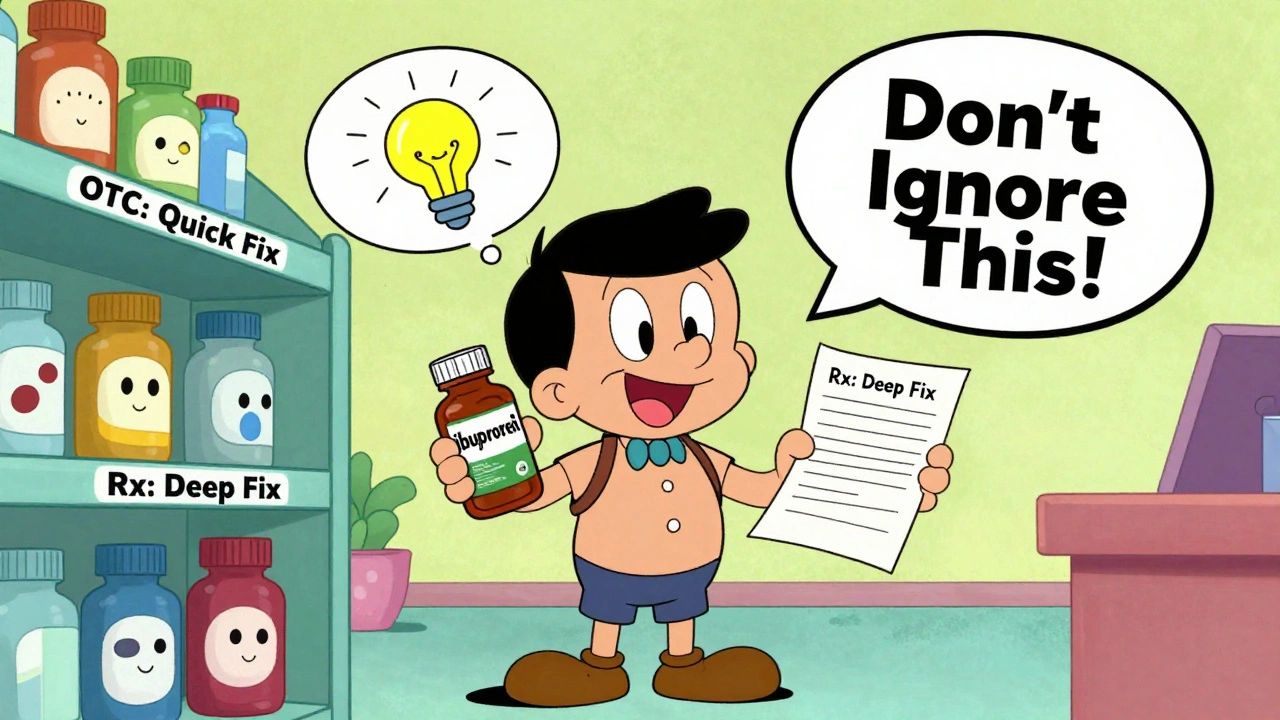
Every year, millions of people in North America reach for an OTC pain reliever, antihistamine, or heartburn pill without thinking twice. But how do you know when that bottle from the drugstore is enough-and when you actually need a prescription? It’s not about which is stronger. It’s about matching the right tool to the job.
OTC Medications Are for Mild, Short-Term Issues
Over-the-counter means exactly what it sounds like: you can walk into a grocery store, gas station, or pharmacy and pick it up without a doctor’s note. These are meant for conditions you can recognize on your own-headaches, occasional heartburn, runny nose, mild muscle soreness, or a small rash.For example, if you’ve had a long day at work and your temples are pounding, ibuprofen (Advil) or acetaminophen (Tylenol) will likely help. If your stomach feels tight after spicy food, a 75 mg tablet of famotidine (Pepcid AC) or esomeprazole (Nexium 24HR) can calm things down. These aren’t cures. They’re temporary fixes for symptoms that come and go.
The FDA approves OTC drugs through a monograph system. Think of it like a recipe book: if a product follows the approved formula for active ingredients, dosage, and labeling, it can be sold without individual review. That’s why you’ll find dozens of store-brand versions of the same thing-ibuprofen 200 mg, loratadine 10 mg, or hydrocortisone 1% cream-all doing the same job at different prices.
Most people use OTC meds safely. But misuse happens. Taking too much acetaminophen can damage your liver. Using nasal decongestant sprays longer than three days can cause rebound congestion. And many don’t realize that OTC painkillers won’t fix an infection-only treat the pain it causes.
Prescription Drugs Are for Diagnosis-Based, Ongoing, or Serious Conditions
Prescription medications require a doctor’s order because they’re used for problems that need professional judgment. Think high blood pressure, asthma, diabetes, depression, thyroid issues, or chronic migraines. These aren’t things you can self-diagnose reliably. They need tests, monitoring, and adjustments over time.
Take migraines. If you get one or two a month and OTC pain relievers help, you’re probably fine. But if you’re having 10 or more attacks a month, with nausea, light sensitivity, and missed workdays, that’s a different story. Prescription triptans like sumatriptan work faster and more reliably than anything you can buy off the shelf. They’re designed for sudden, severe episodes-not mild discomfort.
Another example: heartburn. OTC esomeprazole (Nexium 24HR) reduces acid production, but it takes 1-2 days to build up in your system. If you’ve had burning for weeks, or it wakes you up at night, that’s not just indigestion. It could be GERD-or worse. A doctor might prescribe a higher dose, run an endoscopy, or check for H. pylori bacteria. OTC meds can mask symptoms while the real problem grows.
Prescription drugs also come in higher strengths. Hydrocortisone cream is 1% OTC. At 2.5%, it’s prescription-only-and that extra 1.5% makes a big difference for eczema or allergic reactions. Same with antihistamines: OTC cetirizine is 10 mg. A doctor might prescribe 20 mg for severe chronic hives.
The Rx-to-OTC Switch Is Happening-But Not Because Everything Is Safe
Over the last 15 years, more drugs have moved from prescription to OTC. Fexofenadine (Allegra), adapalene (Differin for acne), and now epinephrine auto-injectors (EpiPen) are all now available without a script. Why? Because safety data showed they could be used correctly by consumers with clear labeling and minimal risk.
But this doesn’t mean every drug should be OTC. The FDA doesn’t make these switches lightly. Each one requires years of real-world use data, consumer testing, and proof that people won’t misuse them. Epinephrine for allergies is a great example: before 2023, people waited for emergency help while struggling to find a prescription. Now, anyone can buy it at a pharmacy-no appointment needed.
Still, not all switches are wins. Some people buy OTC versions of drugs they used to get by prescription and expect the same results. One Reddit user wrote: "I switched from prescription Nexium to OTC and thought it should work instantly. It didn’t. I ended up in the ER with worse reflux." That’s because the OTC version is lower-dose and meant for occasional use-not daily management.
Cost Isn’t Always What You Think
Many assume OTC is cheaper. Sometimes it is. A 100-count bottle of generic ibuprofen 200 mg costs about $4. Brand-name Advil? $15. But here’s the catch: if you’re on Medicare Part D or have insurance that covers prescriptions, your $10 prescription for a higher-strength version might cost you $5 with a copay. Meanwhile, the OTC version you’re buying every week adds up.
And don’t forget: insurance often covers doctor visits and lab tests that help you avoid long-term problems. Paying $40 for an OTC painkiller every week for six months? That’s $240. Paying $30 for a doctor visit that leads to a correct diagnosis and a $15 prescription? That’s not just cheaper-it’s smarter.
When to Call Your Doctor
Here’s a simple rule: if your symptoms last longer than 7-10 days, get worse, or start interfering with sleep, work, or daily life, it’s time to see a professional. Don’t wait until you’re in pain all day. Don’t keep doubling your OTC dose because it’s not working.
Other red flags:
- Fever over 102°F that doesn’t break
- Chest pain, shortness of breath, or dizziness
- Sudden swelling, hives, or trouble breathing
- Confusion, memory loss, or changes in vision
- Pain that wakes you up at night
- Using OTC meds more than 2-3 days a week for more than a month
These aren’t "maybe" signs. They’re signals your body needs more than a pill from the shelf.
Pharmacists Are Your Hidden Resource
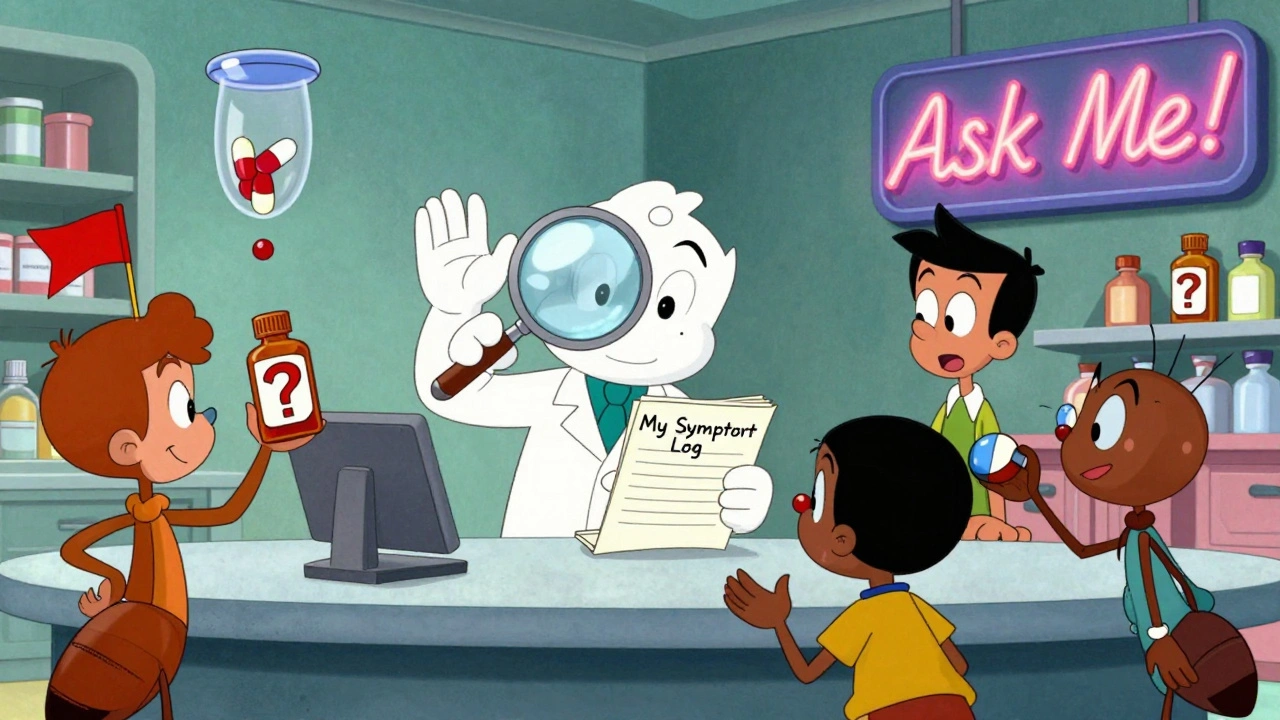
You don’t need an appointment to talk to a pharmacist. Walk up to the counter. Ask: "I’ve been taking this OTC for X days. Is this enough, or should I see a doctor?"
Eighty-nine percent of community pharmacists say they routinely counsel patients on whether OTC or prescription options are better suited for their symptoms. They know what’s in the bottles, what interactions to watch for, and what’s been trending in local clinics.
They’ll tell you if that "new" OTC allergy pill is just a rebranded version of something you already have. They’ll warn you if your cold medicine has acetaminophen in it-and you’re already taking Tylenol. They’ve seen the mistakes before.
The Future Is Blurry-But Your Safety Isn’t
By 2030, experts predict 20-25 more prescription drugs will become available OTC. Contraceptives, migraine meds, and even some diabetes treatments could follow the path of epinephrine and Nexium. That’s progress. But it also means more responsibility on your part.
Don’t assume OTC means "safe for everyone." Don’t assume prescription means "better." The right choice depends on your symptoms, your history, and your body’s response. A pill is just a tool. Knowing when to use it-and when to stop-is what keeps you healthy.
Next time you reach for something from the shelf, ask yourself: "Am I treating a symptom-or ignoring a problem?"
Can I use OTC medications long-term?
Most OTC medications are designed for short-term use. Taking ibuprofen or naproxen daily for more than 10 days can increase your risk of stomach bleeding or kidney damage. Antacids used long-term may interfere with nutrient absorption. If you find yourself relying on OTC meds regularly, it’s a sign your body needs a proper diagnosis-not just symptom masking.
Is it safe to switch from a prescription to an OTC version of the same drug?
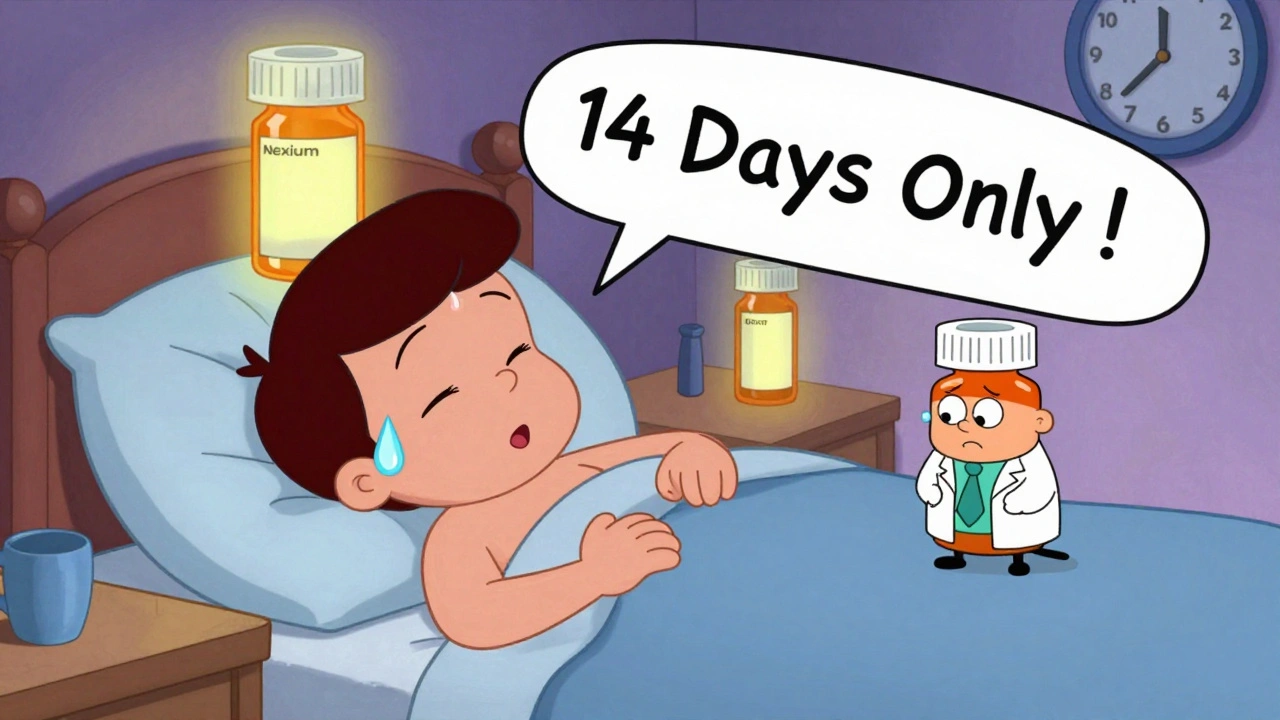
Not always. Even if the active ingredient is the same, the dosage, formulation, and intended use can differ. For example, prescription esomeprazole (Nexium) is often 20-40 mg daily for GERD, while OTC is 20 mg once a day for 14 days. Switching without guidance can lead to under-treatment or side effects. Always check with your doctor or pharmacist before switching.
Why do some OTC drugs cost more than prescriptions?
Brand-name OTC drugs can be expensive because they’re marketed like consumer products. But store-brand generics (like CVS Health ibuprofen or Walgreens acetaminophen) often cost less than $5 for 100 tablets. Meanwhile, insurance can make a $15 prescription cost you just $5 with a copay. Always compare prices at your pharmacy-sometimes the prescription is cheaper.
Can OTC medications interact with other drugs?
Yes. OTC pain relievers like ibuprofen can increase bleeding risk if you’re on blood thinners. Decongestants can raise blood pressure if you have hypertension. Even antacids can reduce absorption of antibiotics or thyroid meds. Always tell your pharmacist what you’re taking-even if it’s "just" an OTC pill.
What should I do if OTC meds don’t work?
Don’t keep increasing the dose or trying more products. Stop using them and schedule a visit with your doctor. Persistent symptoms mean your condition may need a different approach-like antibiotics, a steroid injection, allergy testing, or lifestyle changes. Delaying care can turn a simple issue into a complex one.
Next Steps: Make a Smart Choice
Keep a small notebook: write down what you took, when, and how you felt. After a few days, look back. Did the OTC med help? Did symptoms return? Did you need more than one bottle? That’s your data. Bring it to your doctor.
Don’t be embarrassed to ask for help. Millions of people self-treat successfully-but millions more delay care because they think they "should be able to fix it themselves." You don’t have to be a medical expert to know when something’s off. Trust your body. Use OTC meds wisely. And when in doubt, call your pharmacist or book a quick appointment. Your health isn’t a trial-and-error experiment.

Rudy Van den Boogaert
December 4, 2025 AT 21:07OTC meds are great until they’re not. I used ibuprofen for months for my lower back pain thinking it was just muscle strain. Turns out it was a herniated disc. The pain didn’t go away-it just got quieter. By the time I saw a doctor, I needed physical therapy and a steroid injection. OTC doesn’t mean harmless. It means you’re delaying the real fix.
Carolyn Ford
December 4, 2025 AT 21:59Oh, please. You’re telling people to see a doctor for heartburn? That’s like telling someone to call a plumber every time their sink drips. I’ve been taking Nexium 24HR for years. It’s not a cure, but it’s not a crisis either. Your fear-mongering about "masking symptoms" ignores the fact that millions live fine with chronic conditions-managed, not cured. Not everything needs a prescription to be handled responsibly.
Heidi Thomas
December 5, 2025 AT 21:27Stop pretending OTC drugs are safe. Acetaminophen kills more people than opioids every year because people think "it’s just Tylenol." You don’t need a PhD to know that taking 4 pills a day for a month is dangerous. But people do it anyway. And then they wonder why their liver fails. This isn’t about being cautious. It’s about basic math. 4 x 30 = 120 pills. That’s not a lifestyle. That’s a suicide pact with a pharmacy receipt.
Yasmine Hajar
December 7, 2025 AT 15:57As someone who grew up in a household where the pharmacist was the first line of defense, I can’t stress this enough: talk to your pharmacist. I once took a cold medicine with pseudoephedrine because I didn’t realize I was on a beta-blocker. My heart raced for hours. The pharmacist at CVS saw me sweating and asked if I’d taken anything. Saved me. They’re not just cashiers. They’re the unsung heroes of primary care. Don’t skip the line-ask the question.
Karl Barrett
December 7, 2025 AT 16:11The epistemological shift here is profound. We’ve moved from a model of physician-as-architect to consumer-as-self-diagnoser. OTC availability reflects a neoliberal expansion of autonomy-but at what cost? The commodification of health leads to epistemic closure: people believe they understand their physiology because they’ve read a label. But physiology is not a product manual. It’s a dynamic system. A pill is not a solution. It’s an intervention. And interventions without context are not medicine-they’re performance.
michael booth
December 7, 2025 AT 17:15Great breakdown. I’m a nurse and I see this every day. People come in with a bottle of OTC meds they’ve been taking for months, thinking they’re "just managing." But they’re not managing-they’re surviving. And survival isn’t health. I always ask: "What did you do before you started taking this?" Usually, the answer is "nothing." That’s the red flag. Your body’s asking for help. Don’t shout back with a pill.
Jake Deeds
December 8, 2025 AT 06:36Of course you're going to say "see a doctor"-because doctors make money off prescriptions. But what about the people who can’t afford a $300 visit? Or don’t have insurance? Or live in a rural town with no specialists? This article reads like a pharmaceutical industry pamphlet disguised as public health advice. OTC isn’t a failure. It’s a lifeline. And if you think everyone has access to a $5 copay, you’re not living in the real world.
Shofner Lehto
December 10, 2025 AT 02:58One sentence: If you’re taking OTC meds more than twice a week for more than two weeks, you’re not treating a symptom-you’re ignoring a signal. Stop. Breathe. Call your pharmacist. They’re paid to help you, not sell you something.