
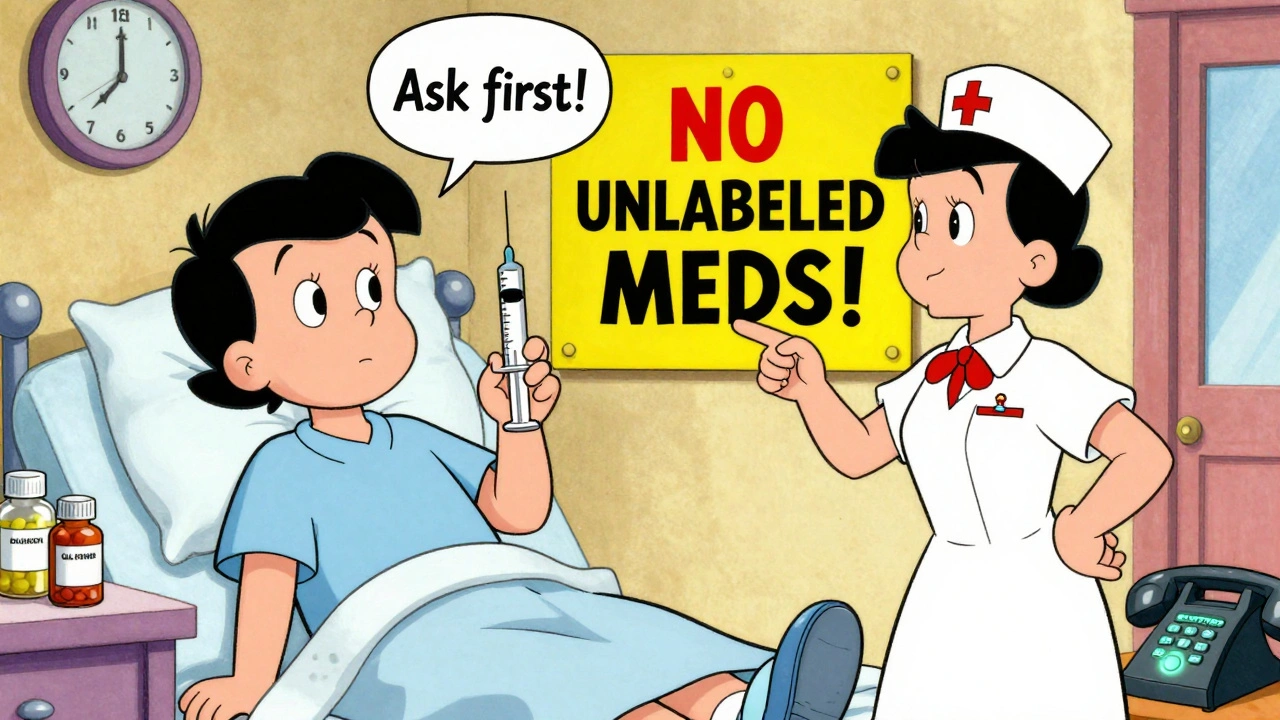
After surgery, your body is healing-and the medications you take during this time can help or hurt. Short-term drugs like painkillers, antibiotics, or muscle relaxants are meant to support recovery, but they carry risks if used incorrectly. Medication safety isn’t just a hospital policy-it’s your personal responsibility in the first days and weeks after surgery. One wrong dose, one unlabeled syringe, one skipped verification step, and you could face serious harm. The good news? Most errors are preventable with simple, proven steps.
Know Which Medications Are High-Risk
Not all post-surgery meds are created equal. Some are labeled "high-alert" because even small mistakes can lead to life-threatening outcomes. These include opioids like morphine or oxycodone, insulin, heparin, vasopressors, neuromuscular blockers, and concentrated electrolytes. The American Society of Anesthesiologists requires these to be clearly labeled with concentration and dose before use. If you’re given a shot or IV drip of one of these, ask: "What is this? What’s the dose? Why am I getting it?" Don’t assume it’s safe just because a nurse or doctor handed it to you.Always Verify Medications Before Use
A 2022 study from the AORN Journal found that 32% of medication errors in surgical settings involved the wrong drug being given. That’s not rare-it’s common. The fix? The "read-back" method. When a provider says, "I’m giving you 5 mg of hydromorphone," repeat it back: "You’re giving me 5 mg of hydromorphone?" Then confirm the label on the vial or syringe matches what was said. This simple step cuts verbal order errors by 55%, according to the American College of Obstetricians and Gynecologists. If you’re at home and picking up a prescription, double-check the name, dose, and instructions against the paper you were given at discharge. Pharmacies make mistakes too.Never Use Unlabeled Medications
Unlabeled syringes are one of the leading causes of fatal errors in operating rooms. The Joint Commission requires every medication container on the sterile field to be labeled immediately after being filled-with the drug name, concentration, and expiration time. If you’re in a hospital and see a syringe with no label, say something. If you’re at home and your pain medication was poured into a different bottle, stop. Throw it out. Call your doctor. The Institute for Safe Medication Practices explicitly bans pre-labeling empty containers because it creates false confidence. A syringe labeled "morphine" that was never filled is still dangerous if someone assumes it’s full. Always assume unlabeled = unsafe.Follow Aseptic Technique Like Your Life Depends on It
The CDC updated its injection safety guidelines in November 2023, and the message is clear: use a new sterile syringe and needle for every single injection, every single time. Reusing even a single syringe-even for the same patient-can spread infections like hepatitis B or C. Between 2001 and 2011, 44 outbreaks linked to unsafe injections affected over 14,000 patients. This isn’t theoretical. In 2022, ECRI Institute reported over 1,200 medication errors in surgical settings, many tied to contaminated equipment. If you’re giving yourself an injection at home, clean the skin with alcohol, use a new needle, and never touch the tip. Don’t reuse insulin pens or syringes, even if they look clean. The risk isn’t worth it.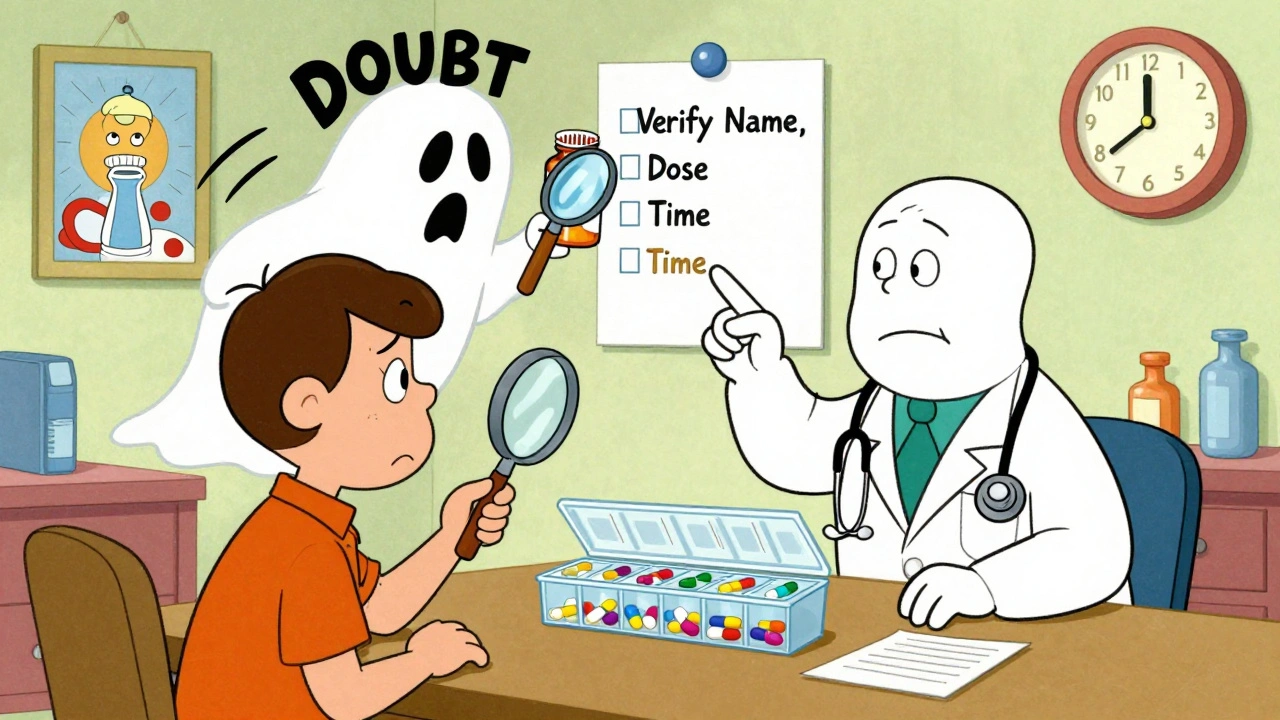
Store Medications Properly
Medications need the right environment to stay safe and effective. Opioids should be locked up-away from children, pets, or anyone else who might accidentally or intentionally take them. The CDC recommends storing all controlled substances in a locked cabinet, not on the bathroom counter. Antibiotics need to be refrigerated if specified. Heat, light, or moisture can break down pills and liquids. Check the expiration date. A 2021 AORN survey found that 18% of medication errors in recovery units involved expired drugs. If your pain pills are old or look discolored, don’t take them. Call your pharmacy for a replacement.Track Your Doses and Timing
Pain meds are often scheduled-every 4 to 6 hours. But after surgery, you might be groggy, confused, or sleeping through alarms. Missing a dose can make pain worse. Taking an extra dose by accident can cause breathing problems, especially with opioids. Use a simple paper log or a phone reminder app. Write down the time you took each pill or shot. If you’re unsure whether you already took your 2 p.m. dose, don’t guess. Wait. Call your doctor. The World Health Organization says medication reconciliation at discharge reduces adverse events by up to 67%. That means knowing exactly what you’re supposed to take, when, and why.Communicate With Your Care Team
The most dangerous errors happen when communication breaks down. Dr. Michael Cohen, former president of the Institute for Safe Medication Practices, said 35% of perioperative medication errors cause patient harm. Most of these happen because someone assumed something was done right. If you’re in the hospital, ask questions. If you’re at home, call your surgeon’s office if you’re confused. Don’t wait until you’re in crisis. Tell your provider if you’re feeling dizzy, nauseous, or having trouble breathing. These could be signs of an overdose. If you’re switching from IV pain meds to pills, confirm the equivalent dose-your doctor should give you a clear conversion plan. Don’t rely on memory.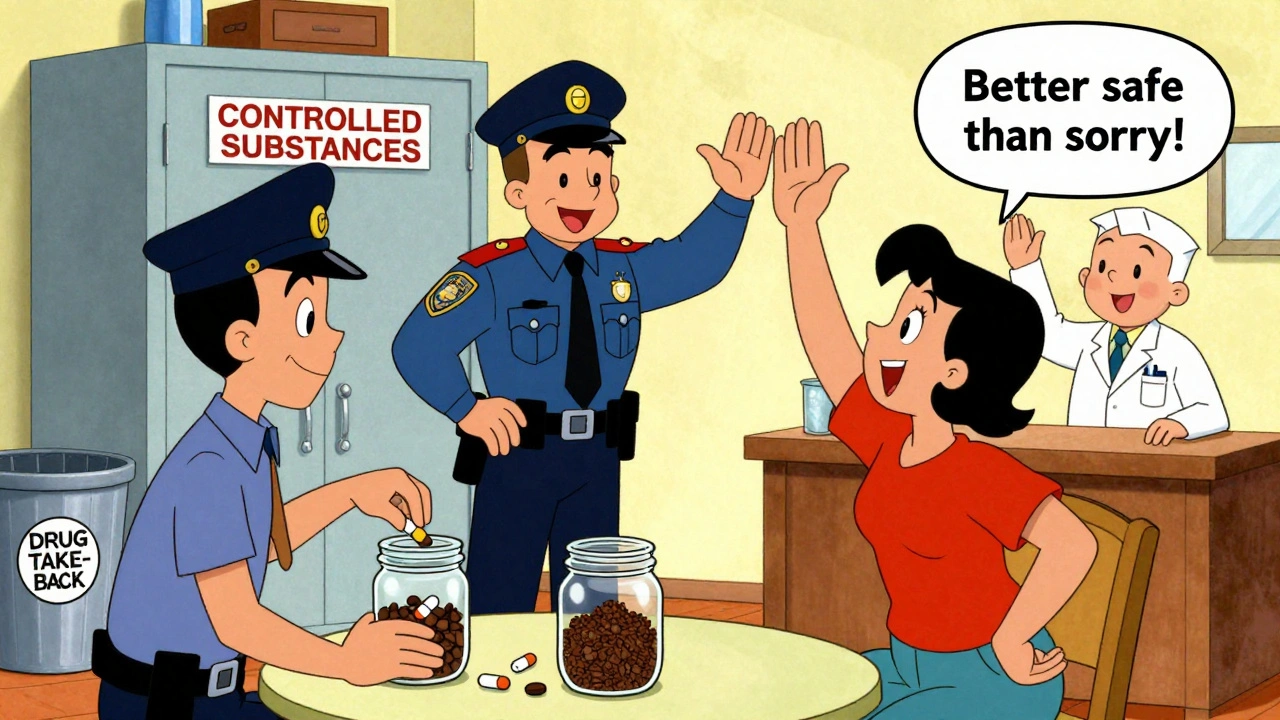
Watch for Signs of Trouble
After surgery, some side effects are normal-drowsiness, nausea, mild dizziness. But certain symptoms mean danger:- Slow or shallow breathing (fewer than 10 breaths per minute)
- Extreme confusion or inability to stay awake
- Blue lips or fingertips
- Severe vomiting or inability to keep fluids down
- Rash, swelling, or hives after taking a new med
Dispose of Unused Meds Safely
Don’t flush pills down the toilet or toss them in the trash where kids or pets can get to them. The CDC and FDA recommend using a drug take-back program. Many pharmacies and hospitals have drop boxes. If none are available, mix pills with coffee grounds or cat litter in a sealed container before throwing them away. Remove personal info from the bottle. Keep opioids locked until disposal. A 2023 study showed that 41% of unused prescription opioids end up in the hands of teens or family members. Preventing misuse starts with you.What to Do If You Make a Mistake
If you accidentally take two pills, or give yourself an extra injection, don’t panic-but don’t ignore it either. Call your surgeon’s office or pharmacist immediately. If you’re having symptoms like dizziness, slow breathing, or confusion, go to the ER. Most hospitals have poison control lines you can call 24/7. Mistakes happen. The goal isn’t guilt-it’s prevention. Tell your care team what happened so they can adjust your plan and avoid future errors.Can I share my post-surgery pain meds with someone else?
No. Never share prescription medications, even if the person has similar symptoms. Opioids and other controlled substances are prescribed based on your weight, medical history, and surgery type. What’s safe for you could be deadly for someone else. Sharing prescription drugs is illegal and increases the risk of overdose, addiction, and serious side effects.
How long should I take post-surgery pain meds?
Most short-term pain medications are meant for 3 to 7 days after surgery. Your doctor should give you a clear end date. If pain persists beyond that, don’t keep taking them. Call your surgeon. Long-term opioid use after surgery increases the risk of dependence by 30% within just one month, according to CDC data. Non-opioid options like acetaminophen or ibuprofen are often just as effective for mild to moderate pain and carry less risk.
Is it safe to drink alcohol while taking post-surgery meds?
Absolutely not. Alcohol can dangerously interact with painkillers, antibiotics, and sedatives. Mixing alcohol with opioids can slow your breathing to dangerous levels. With acetaminophen, it can cause severe liver damage. Even a single drink can increase side effects like dizziness, drowsiness, and nausea. Wait until you’ve finished all your meds and your doctor says it’s safe.
What if I miss a dose of my antibiotic?
If you miss a dose by less than 2 hours, take it as soon as you remember. If it’s been longer, skip the missed dose and take the next one at the regular time. Never double up to make up for a missed dose. Incomplete antibiotic courses can lead to resistant infections, which are harder to treat and more dangerous after surgery.
Should I use a pill organizer for post-surgery meds?
Yes-if it’s used correctly. A pill organizer helps prevent missed or double doses. But don’t fill it ahead of time with controlled substances like opioids. Keep those locked and dispensed one dose at a time. Use the organizer for non-controlled meds like antibiotics or anti-inflammatories. Always check the label on the original bottle before putting pills into the organizer.



Erik van Hees
December 2, 2025 AT 23:25Man, I can't believe how many people just swallow pills like candy after surgery. I had a cousin who took two oxycodone at once because he "felt like it" and ended up in the ER. The hospital had to pump his stomach. Don't be that guy. Read the damn label. It's not that hard.
And don't even get me started on reusing syringes. That's not laziness, that's suicide waiting to happen. I work in ER and we see this shit all the time. One time, a guy tried to inject himself with leftover morphine from his grandma's old prescription. She died two years ago. He didn't even know it was expired. What the hell is wrong with people?
Also, if you're mixing alcohol with anything post-op, you're not just dumb-you're a walking liability. I've seen people pass out in their own vomit because they thought "one beer won't hurt." It does. Always. Every. Single. Time.
Cristy Magdalena
December 3, 2025 AT 11:18Wow. Just… wow. I’m so glad someone finally wrote this. After my hysterectomy, I was given a syringe with no label. I asked the nurse. She said, "Oh, it’s just saline." But it smelled like alcohol and had a tiny red cap. I refused it. She got mad. I filed a complaint. The hospital sent me a $50 gift card. That’s not justice. That’s a bribe.
And don’t even get me started on the pharmacist who gave me 10mg of hydrocodone instead of 5mg. I took it. I thought I was dying. My heart raced. I called 911. They said I was lucky I didn’t stop breathing. I’m still traumatized. If you’re not double-checking everything, you’re not healing-you’re gambling with your life.
May .
December 5, 2025 AT 06:05Unlabeled syringes are a nightmare. Just don’t do it.
Sara Larson
December 7, 2025 AT 02:34YESSSS this is so important!! 💪❤️ I’m a nurse and I can’t tell you how many times I’ve had patients say "I just took it because I was in pain"-and then they’re in worse pain because they overdosed. You guys are doing amazing by reading this!! 🙌
Use the pill organizer for your antibiotics, lock up the opioids, set phone alarms, and if you’re unsure-CALL YOUR DOCTOR. No shame in asking. We’d rather hear from you 10 times than not at all. You got this!! 🌟
Mindy Bilotta
December 8, 2025 AT 18:16Just a heads up from Canada-our pharmacies here are way stricter about labeling. If you get a syringe without a label, they’ll literally refuse to give it to you. Even at home, my pharmacist printed a little sticker with the name, dose, and time to take it. I stuck it on the bottle. So helpful.
Also, if you’re using a pill organizer, don’t fill it more than a day ahead if it’s opioids. I learned that the hard way after my knee surgery. Took two doses by accident. Felt like I was drowning. Not fun.
Stacy Natanielle
December 10, 2025 AT 18:13Let’s be brutally honest: 80% of post-op medication errors are caused by patient negligence. Not systemic failure. Not understaffing. Not bad training. YOU. You didn’t read the label. You didn’t verify. You assumed. And now you’re mad the system failed you?
Also, the idea that "I’ll just take one more because I’m still in pain" is a one-way ticket to respiratory arrest. You’re not special. You’re not immune. The CDC data doesn’t care how you feel. It just records your death.
Akash Sharma
December 12, 2025 AT 00:22This is actually one of the most thorough posts I’ve read on post-op meds. I’m from India and we don’t have the same level of regulation here, so I’ve seen way too many cases where people reuse syringes because they think "it’s just one time" or take leftover antibiotics from their brother’s old prescription. It’s terrifying.
I had a friend who got sepsis after using an unsterile needle for his pain shot. He spent three weeks in ICU. He’s fine now, but he’ll never walk the same again. The thing is, nobody told him it was dangerous. No one warned him. That’s why posts like this matter. We need more of this kind of awareness, especially in places where healthcare access is patchy.
Also, I’ve started using a simple Google Sheets tracker for my meds-time, dose, how I felt after. It’s helped me catch patterns. Like, I realized I felt way more dizzy after taking painkillers with coffee. Now I avoid caffeine for 4 hours after. Small things, big impact.
Justin Hampton
December 13, 2025 AT 06:59Yeah right. "Always verify your meds." Like the average person is going to argue with a nurse who’s been working 12-hour shifts. You think they care if you "read back" their order? They’re tired. They’re overworked. They’re not going to slow down for you.
And don’t even get me started on the "lock your opioids" nonsense. My uncle took his pain meds for 3 days and threw the rest away. He didn’t have a problem. But now the government wants to treat every patient like a potential addict. It’s not safety. It’s control.
Also, the idea that alcohol and painkillers don’t mix? Newsflash: I’ve been doing it for years. I’m fine. You’re not special. You’re just scared.
Pooja Surnar
December 14, 2025 AT 22:25How can you be so stupid? You think this is hard? You think people die because they’re lazy? No. They die because they’re selfish. They don’t care if they overdose. They don’t care if their kid finds their pills. They just want to feel good.
I saw a guy on the news who gave his 14-year-old son his leftover oxycodone because "he had a headache." The kid died. The dad cried on TV. Who cares? He should’ve been locked up. Not pitied.
Stop acting like this is complicated. It’s not. Don’t take drugs you don’t understand. Don’t share. Don’t reuse. Don’t drink. Done. If you can’t follow that, you shouldn’t be allowed to have a prescription.
Sandridge Nelia
December 16, 2025 AT 14:00Thank you for this! I had surgery last month and I used a phone app to log every dose-I even took a photo of the pill bottle before I took it. It sounds obsessive but it gave me peace of mind.
Also, I asked my pharmacist to write the instructions on the bottle in big letters. He did it for free. Best $0 I ever spent.
And yes, I threw out the unlabeled syringe. No questions asked. Better safe than sorry. You’re not being paranoid-you’re being smart. 💪
Mark Gallagher
December 16, 2025 AT 14:41Why are we letting foreigners tell us how to do medicine? In America, we’ve got the best doctors, the best hospitals. This post reads like it was written by some EU bureaucrat who’s never held a scalpel.
And don’t get me started on "drug take-back programs." That’s just another way for the government to control what we take. I know what’s best for my body. I don’t need a pamphlet to tell me how to heal.
Also, if you’re scared of opioids, maybe you shouldn’t have had surgery. Weakness isn’t a medical condition.
Wendy Chiridza
December 18, 2025 AT 08:19I’m a recovering opioid user and this post saved my life. After my back surgery, I was prescribed 10mg oxycodone every 6 hours. I took it for 4 days. Then I stopped cold turkey because I didn’t want to get hooked. But I didn’t tell my doctor. I thought I was being strong.
Turns out, I had withdrawal so bad I couldn’t walk. I ended up in urgent care. They told me I should’ve tapered. I didn’t know.
So if you’re reading this and you’re scared of opioids-don’t be. Be informed. Talk to your doctor. Don’t guess. Don’t assume. Just ask. It’s not weakness. It’s wisdom.
Pamela Mae Ibabao
December 19, 2025 AT 13:19Okay but real talk-how many of you actually read the discharge paperwork? I’ve worked in recovery units for 12 years. Half the patients don’t even open the folder. They just hand it to their spouse and say "you figure it out."
And then they come back in 3 days with a rash, confusion, or a collapsed lung from an overdose. We’re not mad. We’re just tired. Because we’ve seen it 500 times.
Just. Read. The. Paper. It’s not that hard. And if you can’t read it? Call. Ask. Get help. Your life is worth it.
Erik van Hees
December 20, 2025 AT 12:12Wait, I just saw someone say "I’ve been doing alcohol + painkillers for years and I’m fine."
That’s not proof. That’s roulette. And you’re not the guy who wins. You’re the guy who ends up in a coma while your family scrambles to find your insurance card.
And if you think your doctor’s overreacting about labeling? Go to a hospital in Texas last year. A guy died because someone gave him a syringe labeled "morphine" that was actually concentrated potassium. He had a heart attack in front of his wife. The syringe had been sitting on the table for 40 minutes. No label. No verification. Just… assumed.
You think that’s rare? It’s not. It’s Tuesday.