
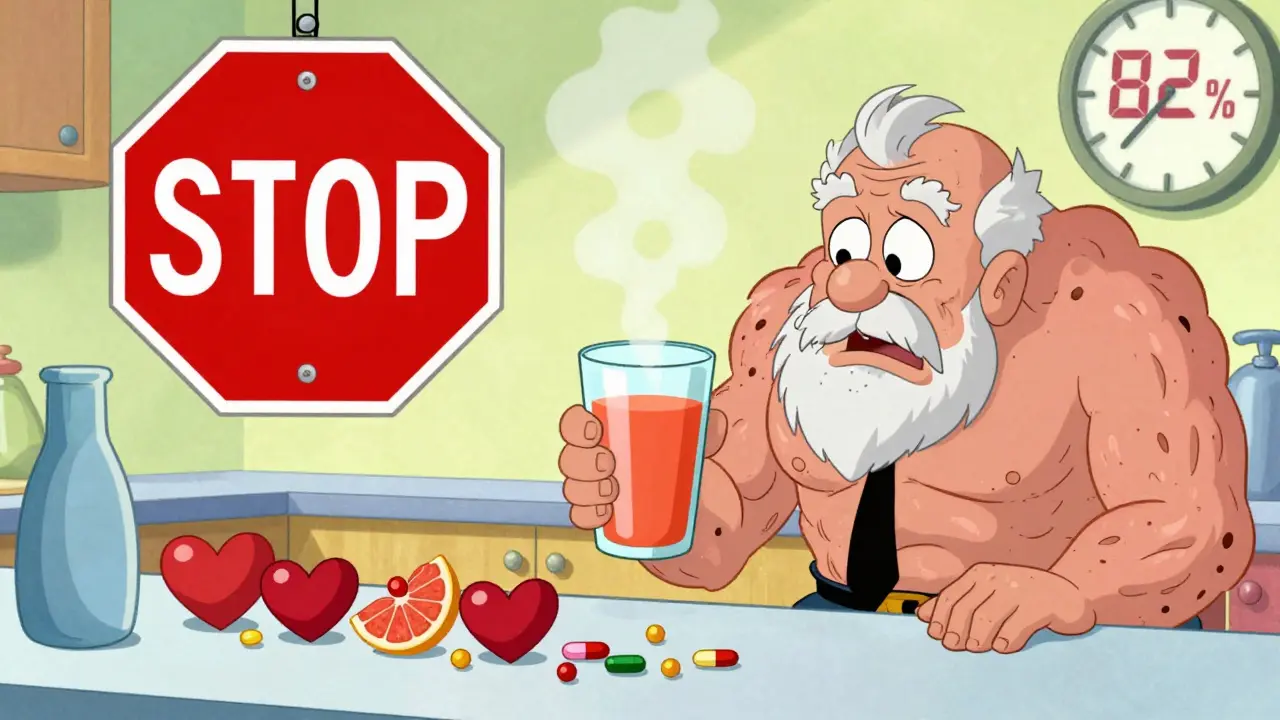
Combining multiple heart medications can lead to dangerous interactions. Learn which drug combinations are unsafe-like statins with grapefruit juice or NSAIDs with blood pressure meds-and how to protect yourself from life-threatening side effects.
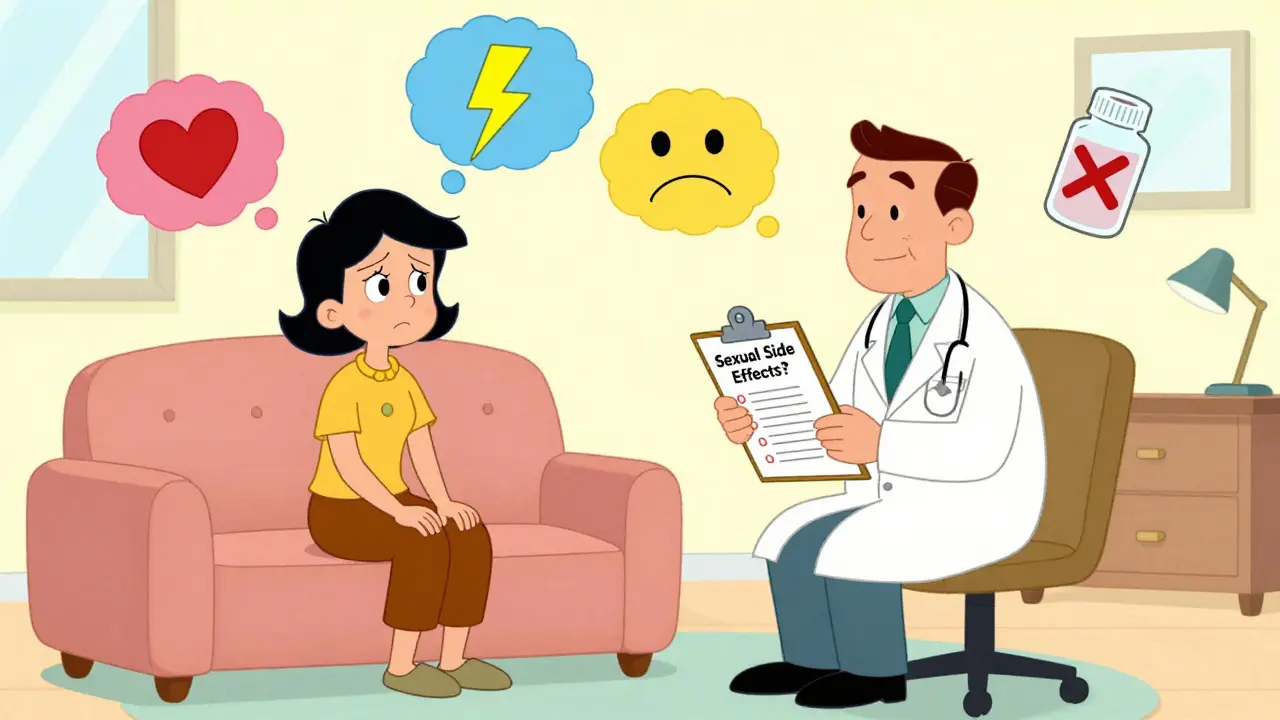
Sexual side effects from medications like antidepressants are common but often untreated. Learn how counseling, medication changes, and open communication can improve your treatment and quality of life.
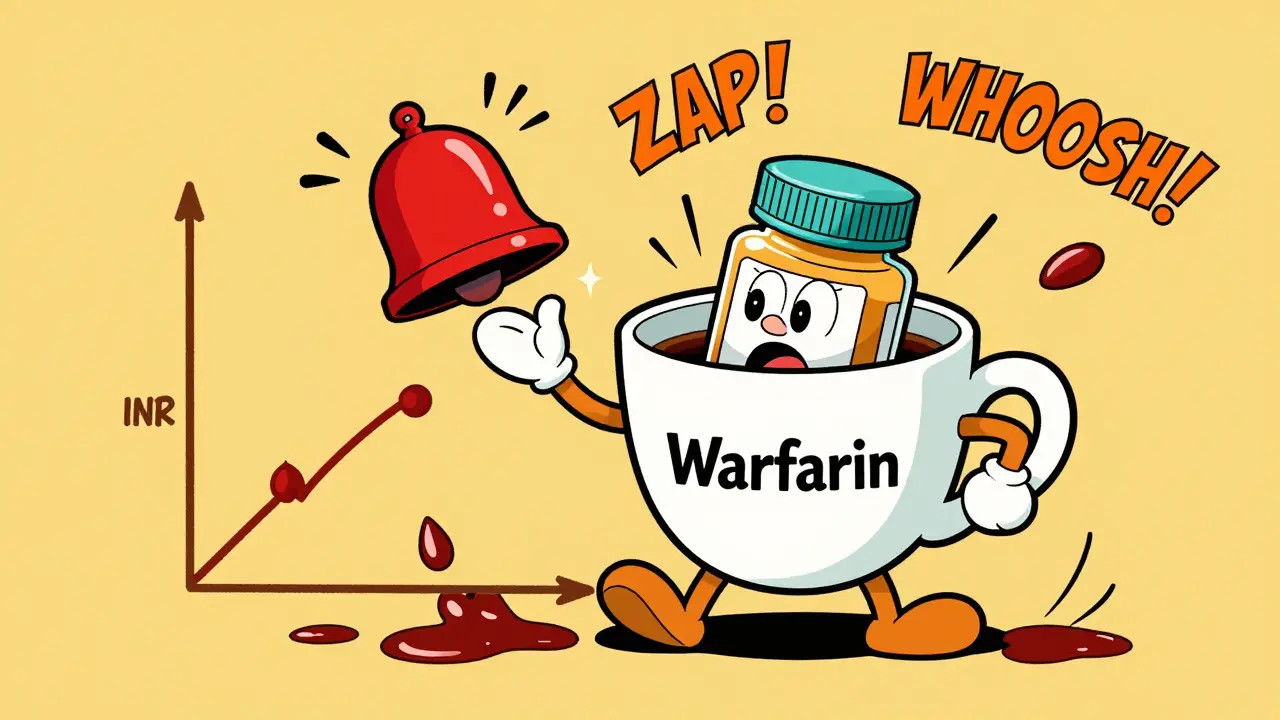
Caffeine can interfere with warfarin, levothyroxine, antidepressants, and other medications, reducing effectiveness or increasing side effects. Learn which drugs are risky and how to stay safe.
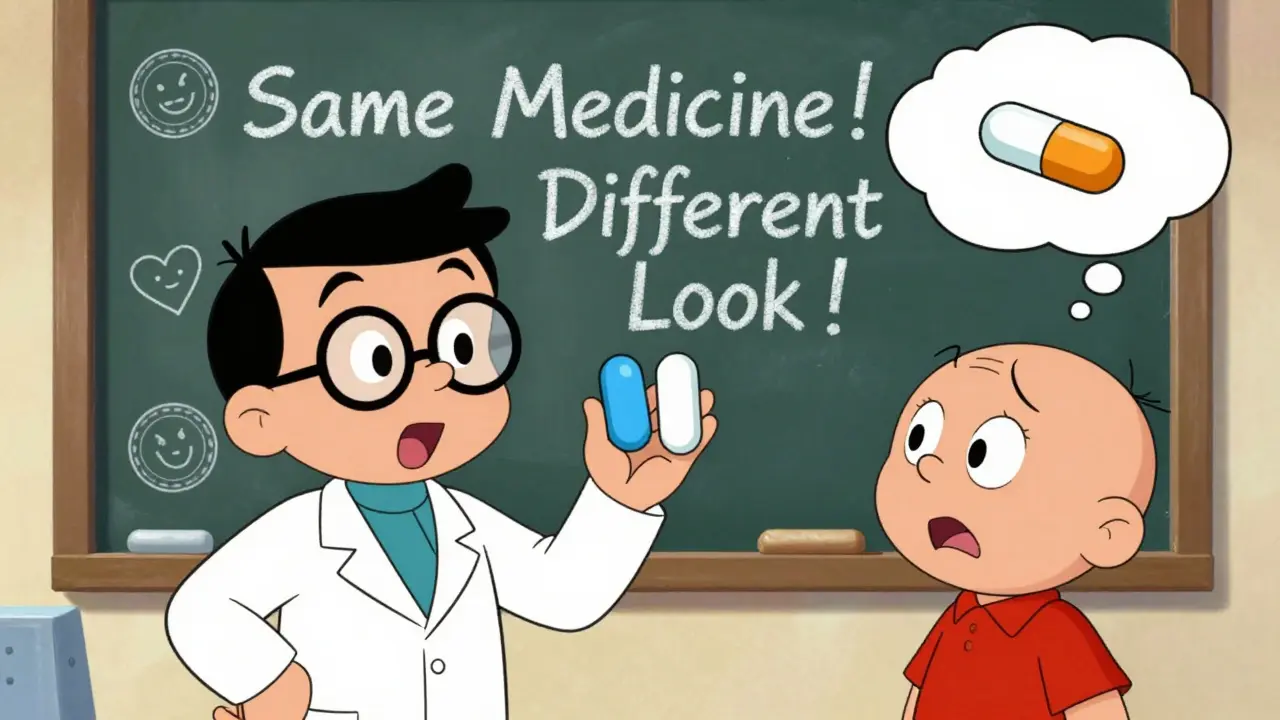
Patients often hesitate to take generic medications due to misconceptions about effectiveness and appearance. Learn proven communication strategies pharmacists can use to build trust, clarify bioequivalence, and improve adherence with simple, empathetic conversations.
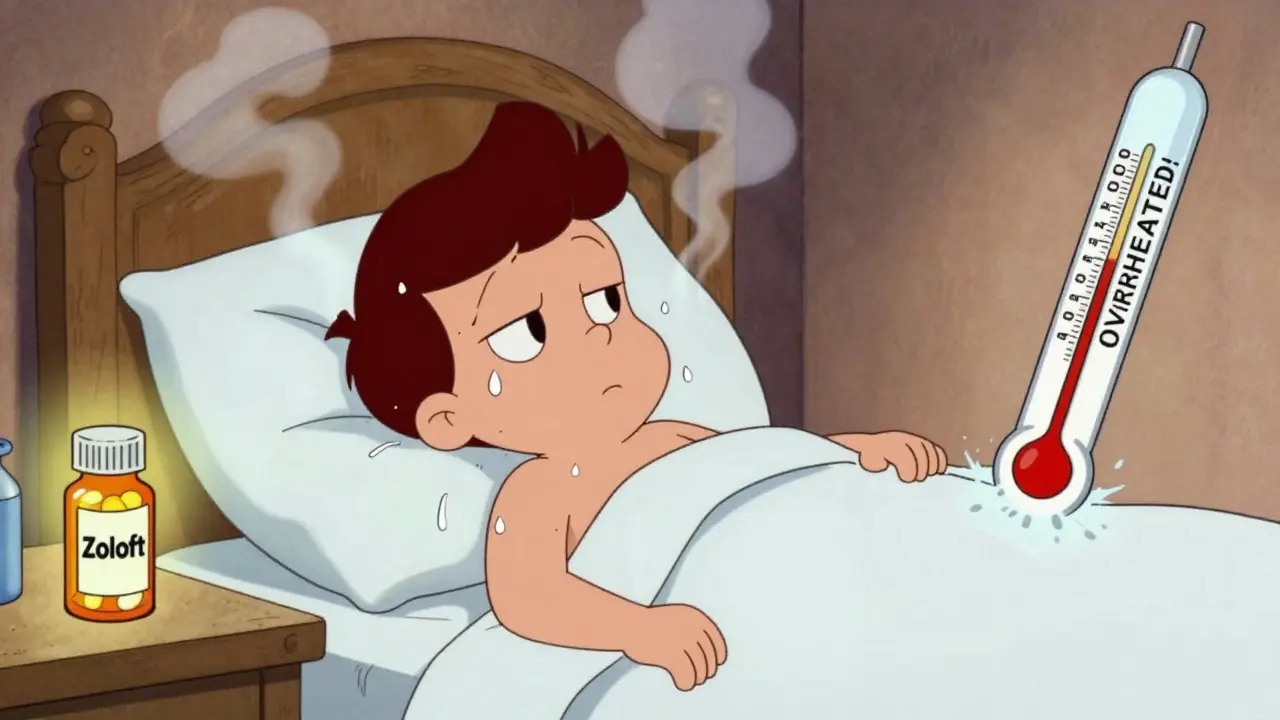
Sweating and hot flashes from medications are common and often misunderstood. Learn which drugs cause them, why they happen, and proven, science-backed ways to manage them without stopping your treatment.
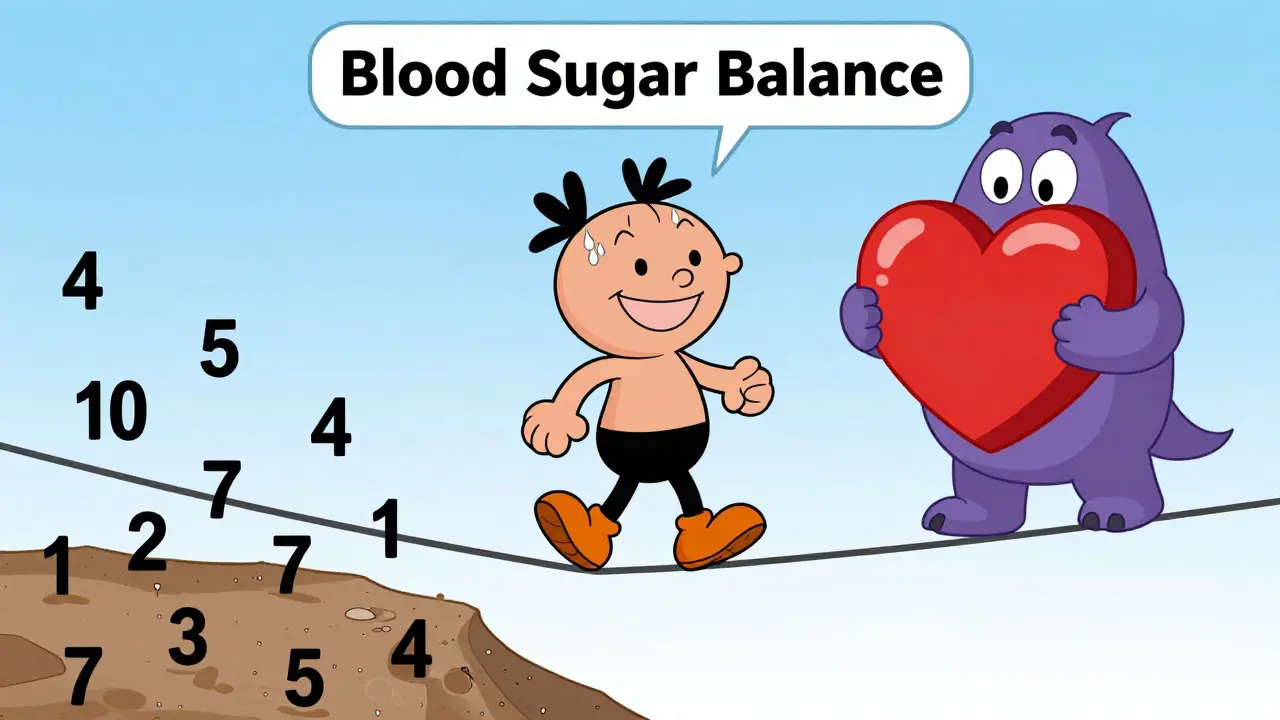
Combining insulin with beta-blockers can mask low blood sugar symptoms, leading to dangerous hypoglycemia unawareness. Learn which medications are riskiest, how to stay safe, and what to ask your doctor.
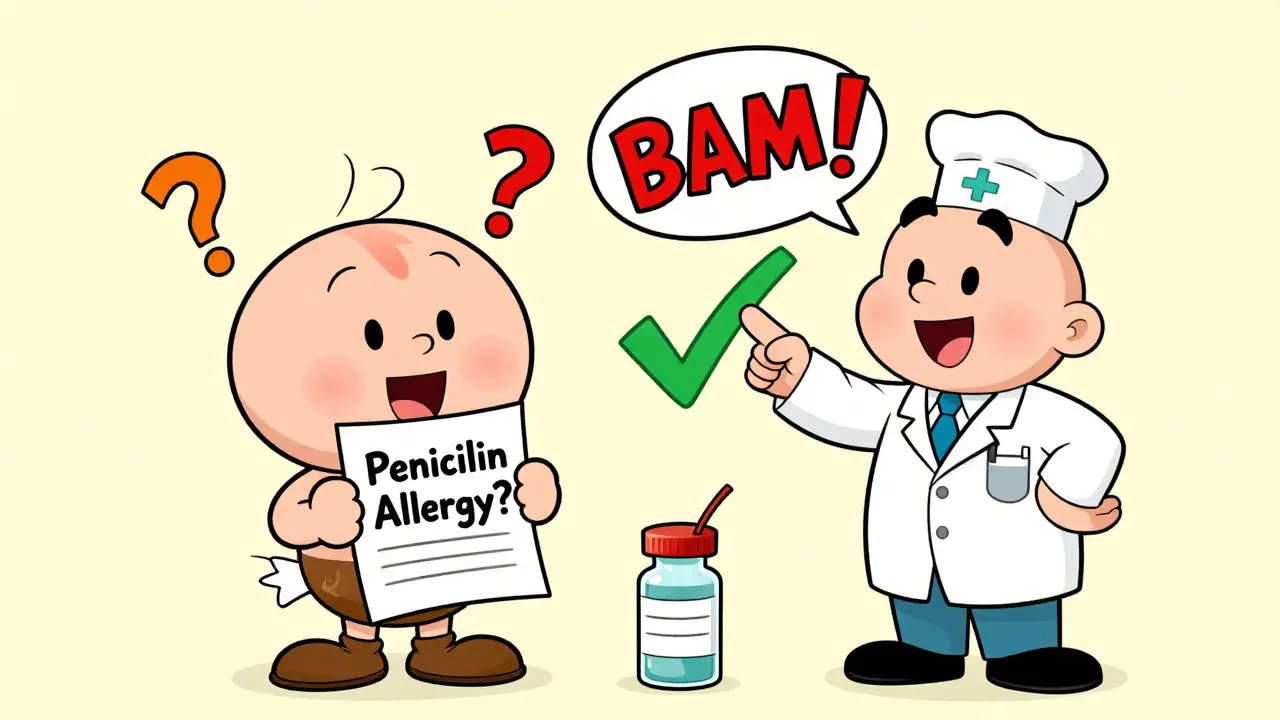
Most people labeled penicillin-allergic aren’t truly allergic. Learn how to confirm your allergy, find safe alternatives, and avoid dangerous, costly treatments. Testing can change everything.
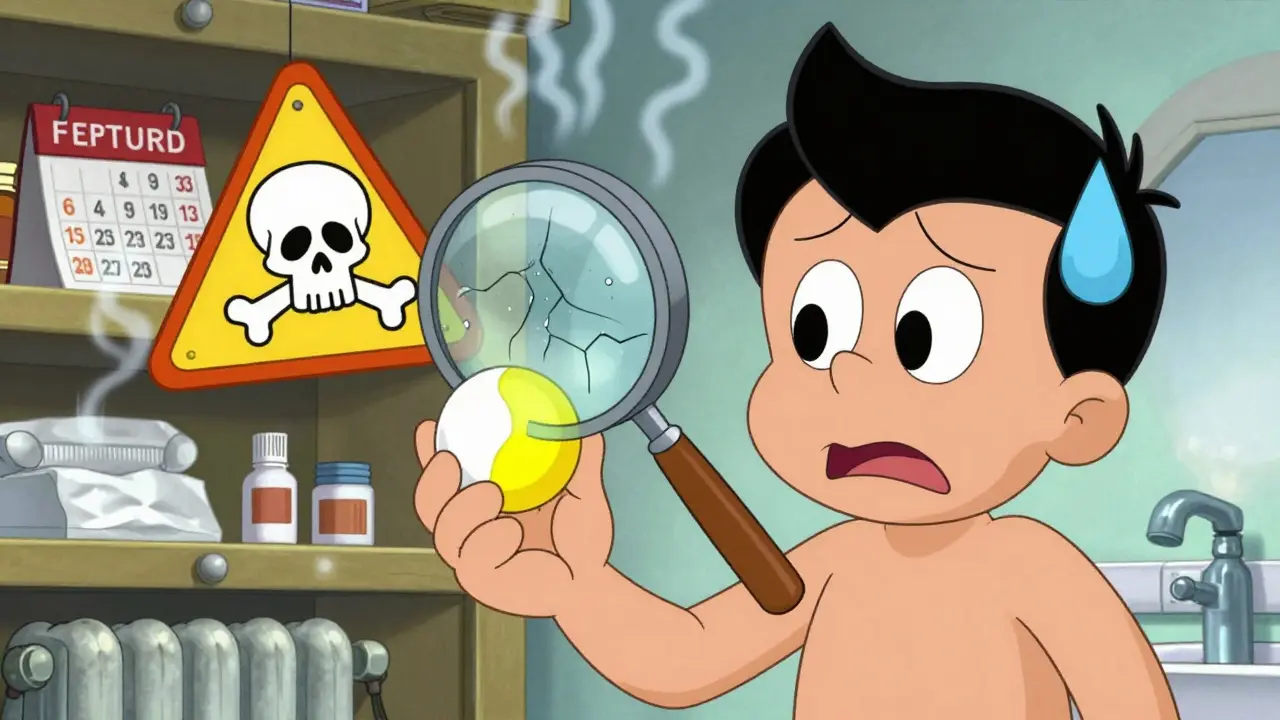
Learn how to spot dangerous changes in expired drugs by checking their color, smell, and texture. Discover what signs mean your medicine is no longer safe to use.
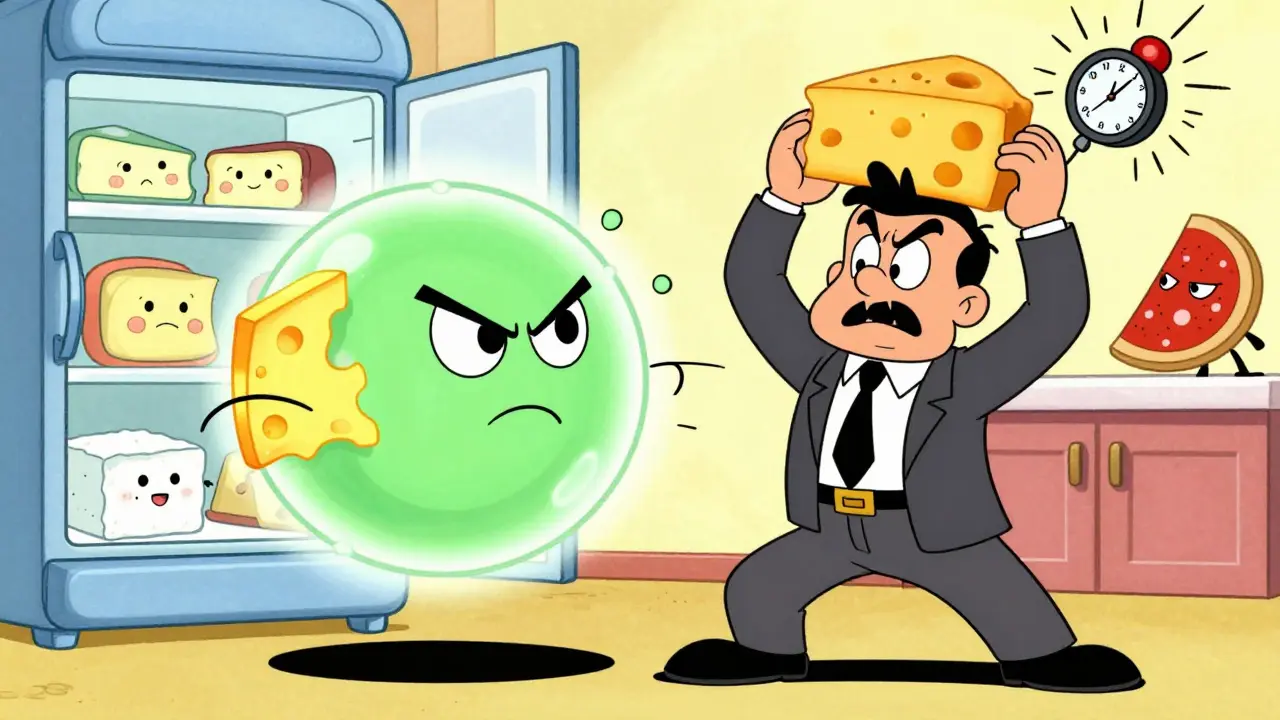
Aged cheeses and processed meats contain tyramine, which can cause dangerous blood pressure spikes when taken with MAOI antidepressants. Learn which foods are safe, what symptoms to watch for, and how to avoid life-threatening reactions.
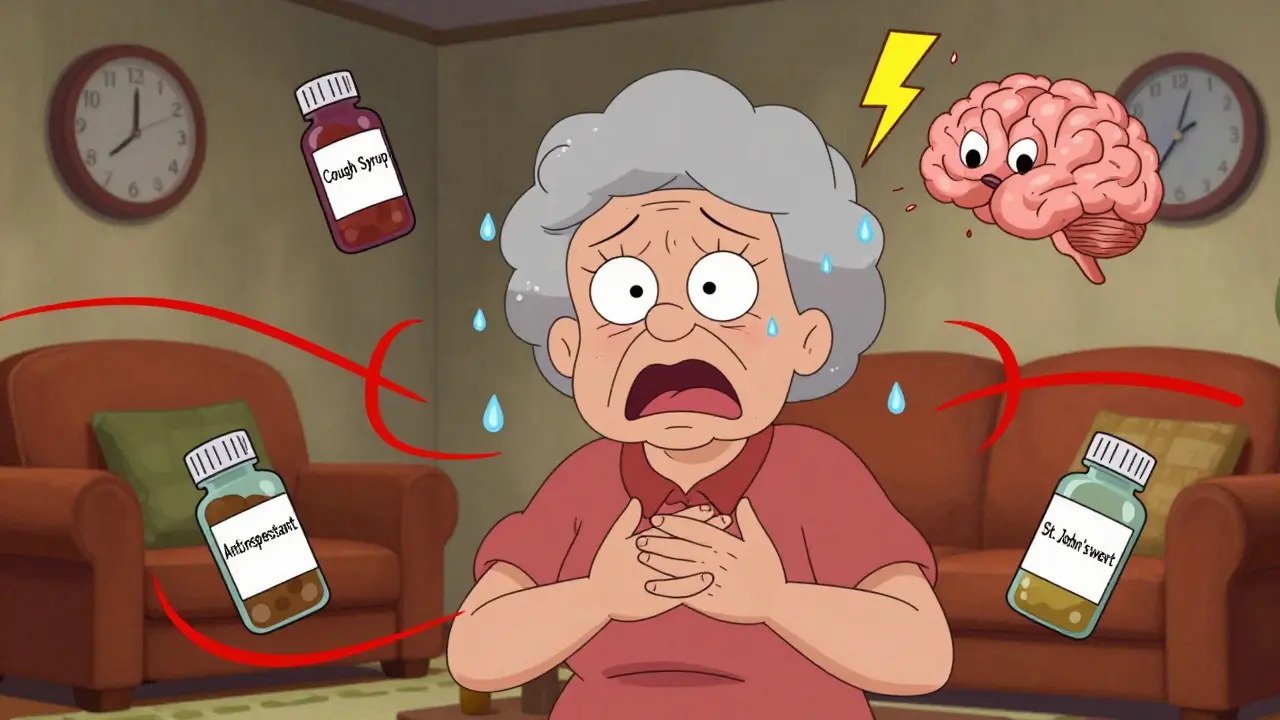
Learn when to seek emergency care for dangerous drug interactions, including signs of serotonin syndrome, liver damage, and allergic reactions. Know the red flags and what to do before it's too late.

Medication errors cause over 1.5 million ER visits and 125,000 deaths annually in the U.S. alone. This is a preventable public health crisis driven by broken systems-not human error. Learn why fixing medication safety saves lives and money.
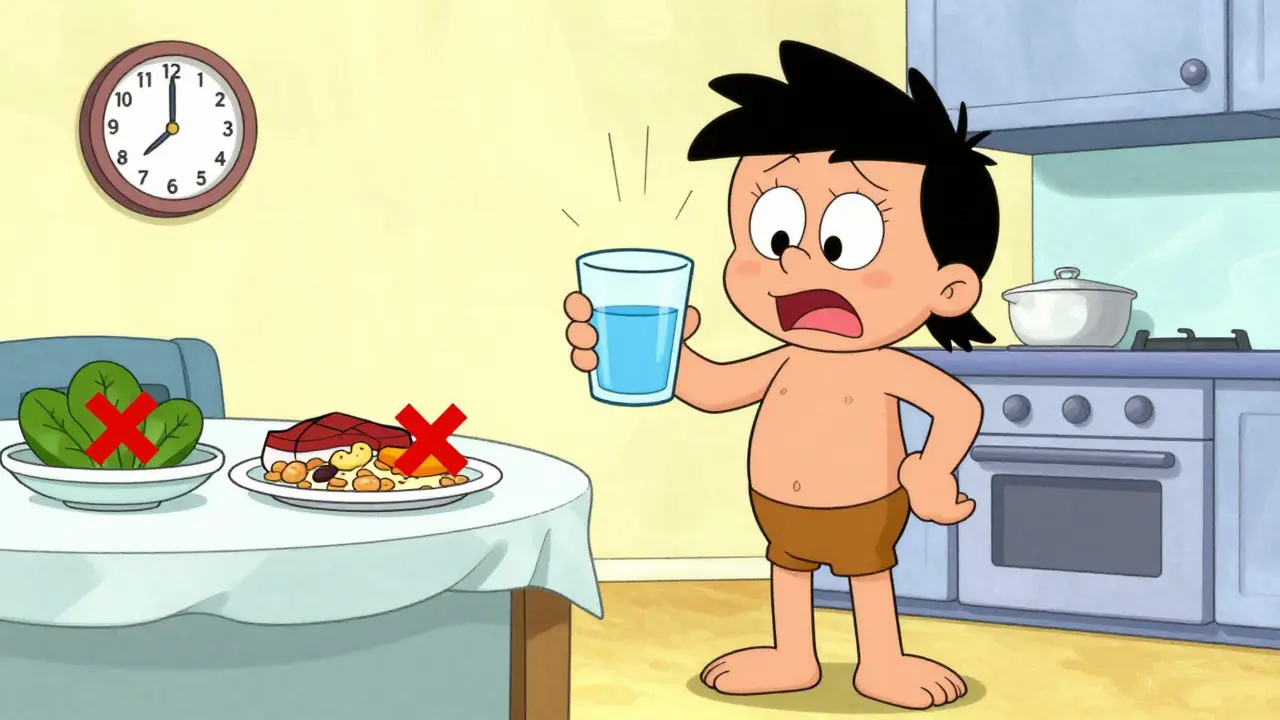
Learn how to time iron-rich meals and thyroid medication to avoid dangerous interactions that reduce absorption by up to 50%. Expert-backed tips for stable thyroid levels.