
MAOI Food Safety Calculator
Tyramine Content Calculator
Calculate your total tyramine intake to stay safe while on MAOI medications. Exceeding 6mg may trigger dangerous blood pressure spikes.
Selected Items
Results
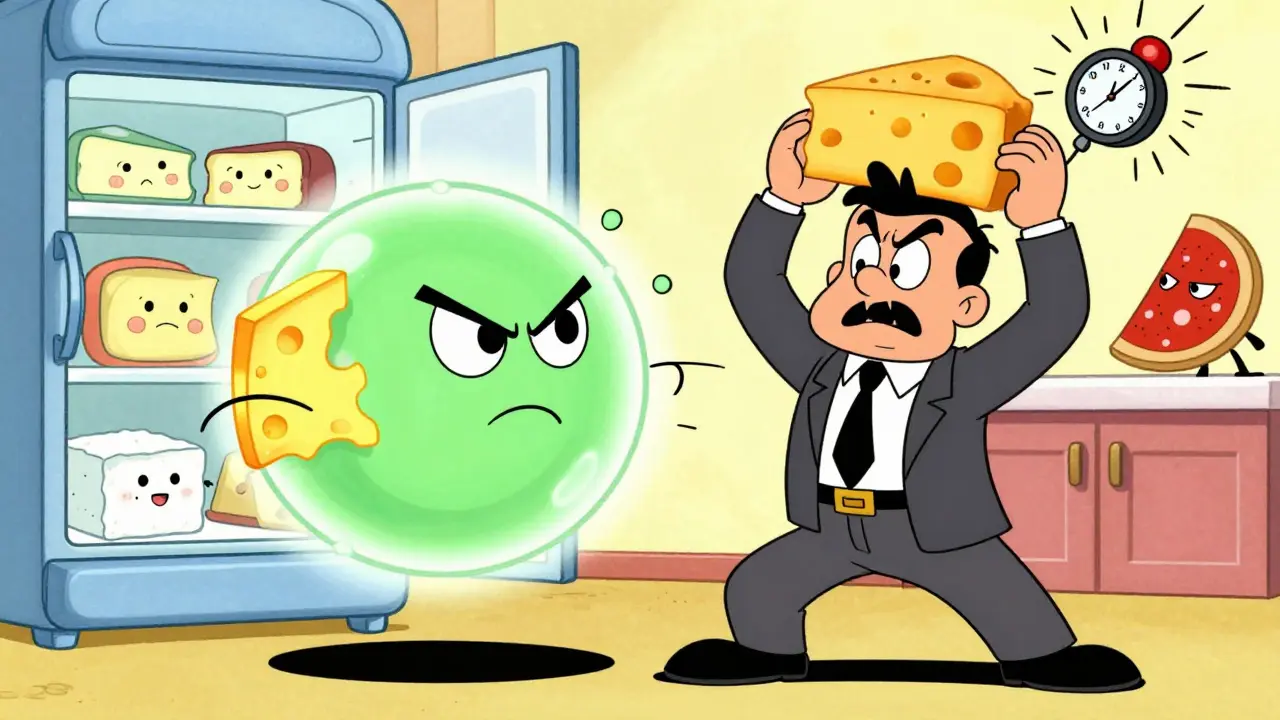
When you’re on certain antidepressants or Parkinson’s medications, a slice of cheddar or a slice of pepperoni could trigger a medical emergency. This isn’t a myth or a warning from an old textbook-it’s a real, life-threatening interaction that still happens today. The culprit? Tyramine, a compound naturally found in aged cheeses and processed meats. And when it meets monoamine oxidase inhibitors (MAOIs), the result can be a sudden, dangerous spike in blood pressure-sometimes within minutes.
Why Tyramine Is a Silent Threat
Tyramine isn’t added to food. It forms naturally during aging, fermentation, or curing. The longer cheese sits, the more tyramine builds up. Same with cured meats like salami, pepperoni, and summer sausage. The name itself comes from the Greek word for cheese, tyros, because it was first discovered in aged cheese back in the 1950s.For most people, tyramine is harmless. Your body breaks it down using an enzyme called monoamine oxidase. But if you’re taking an MAOI-medications like phenelzine (Nardil) or tranylcypromine (Parnate)-that enzyme is blocked. Tyramine builds up in your system, forcing your nerves to release a flood of norepinephrine. That’s what causes your blood pressure to skyrocket.
Doctors have known about this since 1965, when researchers first linked cheese consumption to sudden hypertensive crises in MAOI users. Today, about 1.4 million Americans take MAOIs. Many are on them because other antidepressants didn’t work. But they’re not told often enough how dangerous even small amounts of tyramine can be.
Which Cheeses Are Safe? Which Are Not?
Not all cheeses are created equal when it comes to tyramine. Fresh cheeses made with pasteurized milk and eaten soon after production are generally safe. Here’s what you need to know:- Safe (tyramine < 50 mcg/g): Cottage cheese, ricotta, fresh mozzarella, cream cheese, American cheese
- Moderate risk (50-600 mcg/g): Camembert, Brie, Gruyère, Edam
- High risk (600-3,500 mcg/g): Aged cheddar (72-953 mcg/g), Parmesan (610-1,400 mcg/g), Swiss (400-1,200 mcg/g), blue cheeses like Stilton and Gorgonzola (1,000-3,500 mcg/g), feta in brine (350-800 mcg/g)
A single 30-gram serving of aged cheddar can contain up to 28.59 mg of tyramine. That’s well above the 6 mg threshold that can trigger symptoms in sensitive individuals. Some people react to as little as 10 mg. Others may tolerate up to 25 mg-but there’s no way to know your personal limit without testing.
Processed Meats: The Hidden Danger
Processed meats are just as risky as aged cheese-and often overlooked. People think bacon or bologna is fine because it’s not “aged.” But curing, smoking, and fermentation all increase tyramine levels.- High risk (150-900 mcg/g): Salami (150-500 mcg/g), pepperoni (200-600 mcg/g), dry summer sausage (300-900 mcg/g)
- Moderate risk (50-250 mcg/g): Bacon (75-250 mcg/g), corned beef (60-180 mcg/g), bologna (50-200 mcg/g)
- Safe: Freshly cooked chicken, turkey, beef, or pork (under 10 mcg/g)
Even a sandwich with pepperoni on it can deliver 15-30 mg of tyramine. That’s enough to send blood pressure into the danger zone. And many people don’t realize they’re eating these foods until it’s too late.
Other Surprising Sources of Tyramine
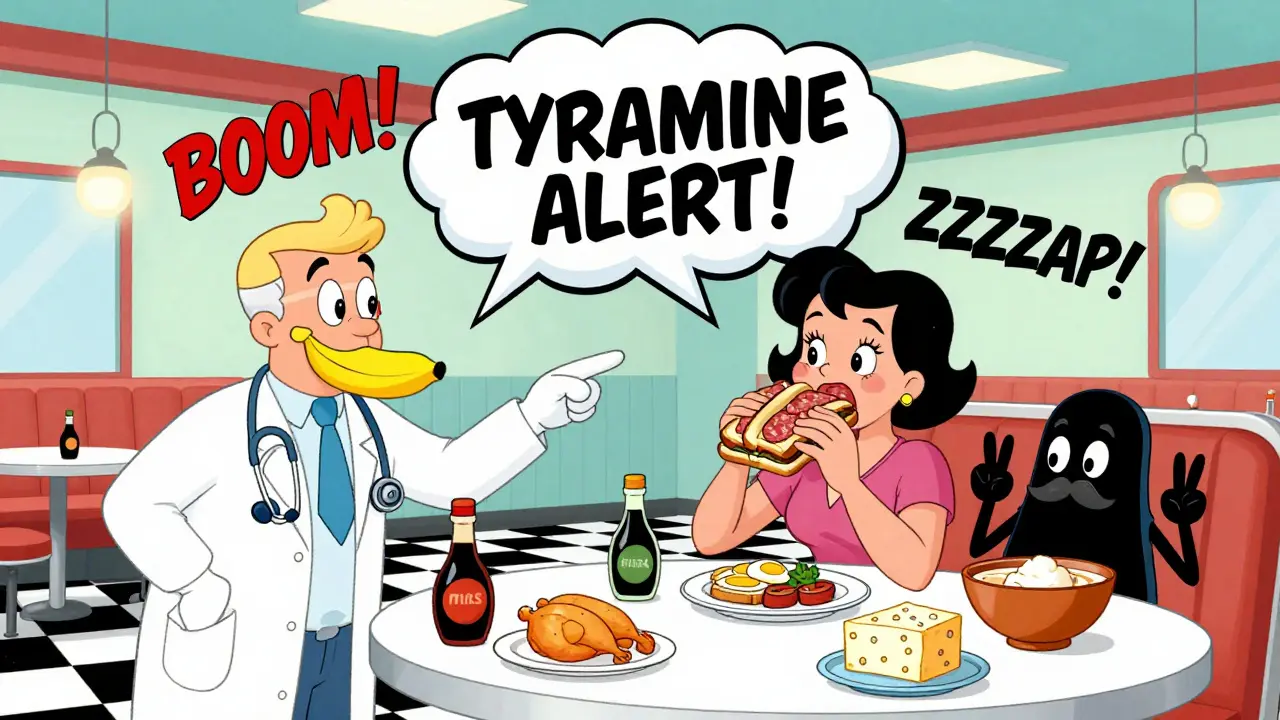
Cheese and meat aren’t the only culprits. Fermented and aged foods hide tyramine in plain sight:- Soy sauce: 1,000-2,500 mcg/g
- Miso paste: 800-2,000 mcg/g
- Fish sauce: 1,200-3,000 mcg/g
- Tap beer (unpasteurized): up to 100 mcg/g
- Overripe bananas: 10 mcg/g (safe)
- Chocolate: 50-150 mcg/g (generally safe in small amounts)
Don’t assume that because something is natural, it’s safe. A single tablespoon of miso in soup can contain more than 10 mg of tyramine. That’s enough to trigger symptoms.
What Happens During a Hypertensive Crisis?
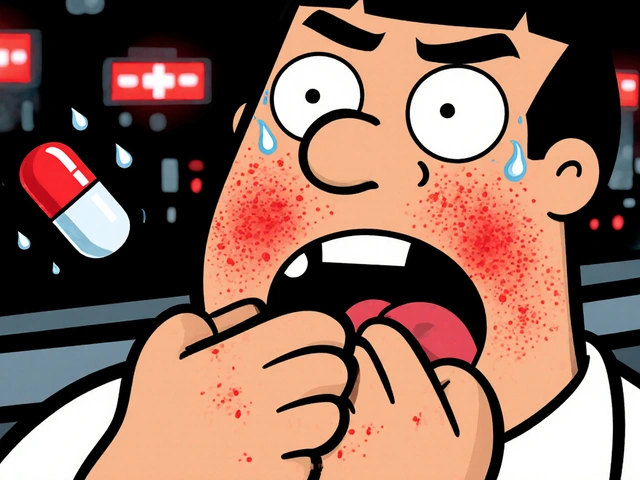
A tyramine-induced hypertensive crisis doesn’t sneak up. It hits fast. Symptoms usually appear within 15 to 30 minutes after eating:- Severe headache, often at the back of the head (occipital)
- Palpitations or rapid heartbeat
- Profuse sweating
- Blurred vision or sensitivity to light
- Nausea or vomiting
- Chest pain or shortness of breath
Blood pressure can jump from normal (120/80) to 180/120 or higher. That’s a medical emergency. One user on Drugs.com described a 198/112 reading after eating Parmesan on a salad while on Nardil. They ended up in the ER with a pounding headache and chest tightness.
According to the American Heart Association, emergency departments still see 3-5 cases each year directly tied to cheese and MAOIs. Many of these patients didn’t know they were at risk-or thought a small bite wouldn’t matter.
How to Stay Safe: Practical Tips
Managing this interaction isn’t about giving up food. It’s about making smart swaps and knowing what to look for.- Read labels. Look for “aged,” “cured,” “fermented,” or “dry-cured.” Avoid anything that’s been stored for weeks or months.
- Choose fresh. Buy fresh mozzarella instead of Parmesan. Use grilled chicken instead of salami.
- Check expiration dates. The longer cheese sits, the more tyramine forms. Don’t eat cheese past its prime.
- Ask at restaurants. “Is this cheese aged?” “Is this meat cured or smoked?” Don’t be shy.
- Use the Mayo Clinic’s MAOI Diet Tracker app. It scans barcodes and flags high-tyramine foods with 89% accuracy.
- Keep a food and blood pressure diary. Track what you eat and your readings. Your doctor needs this to adjust your diet.
Many patients find they can tolerate small amounts of aged cheese-like 15 grams of cheddar-without issue. But that’s personal. What’s safe for one person can be dangerous for another.
How Long Do You Need to Stay on the Diet?
You can’t just stop your MAOI and go back to eating blue cheese right away. The enzyme that breaks down tyramine takes 14 to 21 days to fully recover after you stop the medication. That means you need to stick to the diet for two to three weeks after your last dose.One patient stopped Parnate and ate a slice of Stilton two weeks later. They didn’t think it mattered. Their blood pressure spiked to 190/115. They didn’t know the enzyme hadn’t bounced back yet.
What’s New in 2025?
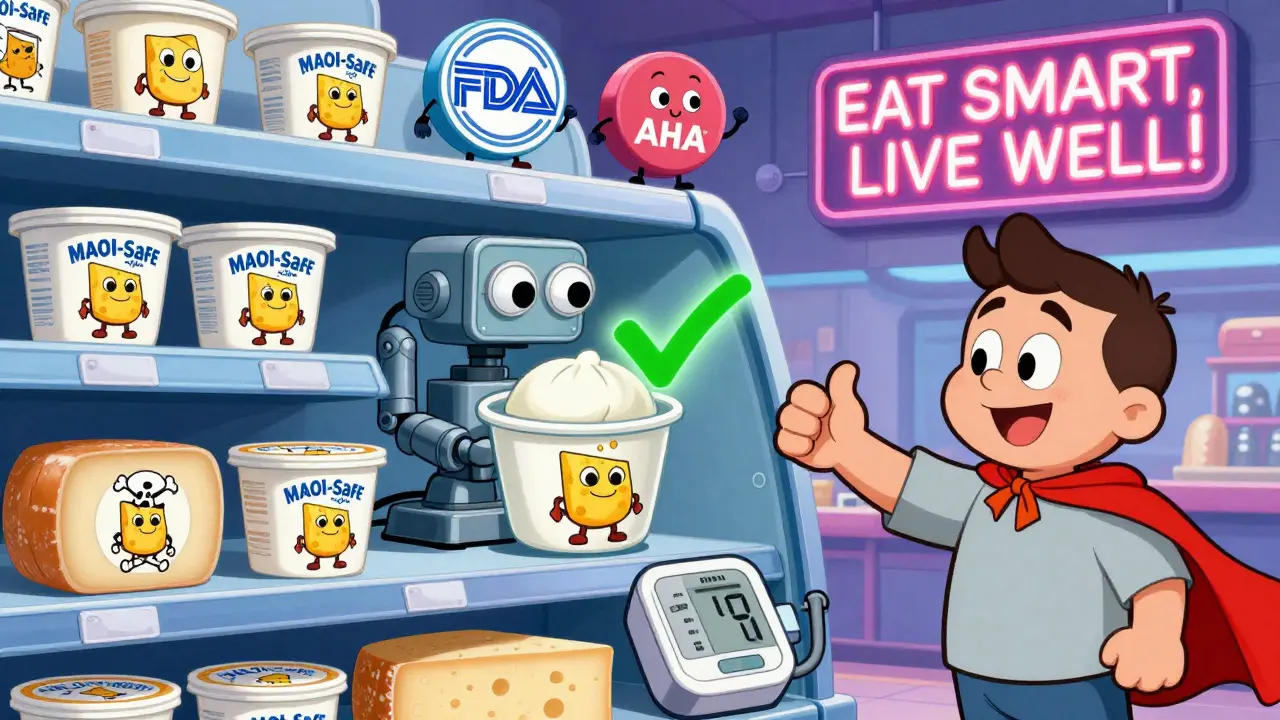
The food and pharma industries are starting to respond. Sargento now sells refrigerated fresh mozzarella cups labeled “MAOI-Safe,” with tyramine under 20 mcg/g. Sales hit $14.7 million in 2022.The FDA requires MAOI packaging to include tyramine warnings. The EU now requires tyramine content to be listed on aged cheese labels. And in 2023, the American Heart Association raised the safe tyramine threshold from 5 mg to 6 mg per serving-based on new data showing most people can tolerate slightly more than previously thought.
Researchers are even testing enzyme supplements that could break down tyramine before it enters your bloodstream. Clinical trials are underway, and early results look promising. By 2025, we may see cheeses genetically modified to contain less tyramine-specifically for people on MAOIs.
Why So Many People Still Get It Wrong
Despite all the warnings, 61% of MAOI-related ER visits happen because of dietary non-compliance, according to the CDC. Why?- People think “a little won’t hurt.”
- They don’t know the difference between fresh and aged cheese.
- Restaurant menus don’t list aging methods.
- They’re embarrassed to ask questions.
One study found that 41% of MAOI users struggle with social situations-birthday parties, dinners out, holiday meals. Cheese platters are everywhere. It’s hard to say no.
But here’s the truth: You don’t have to be perfect. You just have to be informed. And you have to be willing to ask.
Can I eat blue cheese if I’m on an MAOI?
No. Blue cheeses like Stilton, Gorgonzola, and Roquefort contain 1,000-3,500 mcg/g of tyramine. A single serving can easily exceed 25 mg-the dose known to trigger dangerous blood pressure spikes. Even small amounts are risky. Stick to fresh cheeses only.
Is it safe to eat bacon on an MAOI?
Bacon has moderate tyramine levels (75-250 mcg/g). A single strip (about 10g) may contain 1-2 mg-generally safe. But if you eat multiple strips or pair it with aged cheese or soy sauce, the total dose can add up. Limit bacon and avoid combining it with other high-tyramine foods.
What if I accidentally eat aged cheese?
Monitor your symptoms. If you feel a headache, rapid heartbeat, or sweating, check your blood pressure immediately. If it’s above 160/100, seek emergency care. Don’t wait. Even if you feel fine, call your doctor. Some reactions take hours to appear.
Can I drink beer while on an MAOI?
Most commercial pasteurized beers are safe. But unpasteurized, draft, or homebrewed beers can contain tyramine. Stick to bottled or canned beer from major brands. Avoid stout, porter, or aged beers-they’re more likely to have higher levels.
Do I need to avoid all fermented foods?
Not all. Yogurt, kefir, and most pickled vegetables are low in tyramine. But avoid soy sauce, miso, fish sauce, and fermented soy products. These are high-risk. If you’re unsure, check the label or use the MAOI Diet Tracker app.
Staying safe on an MAOI isn’t about fear. It’s about awareness. You don’t have to give up food-you just need to know what to avoid and what’s okay. With the right knowledge, you can eat well, live fully, and stay out of the emergency room.
Austin LeBlanc
December 24, 2025 AT 09:54Bro, I ate a whole wheel of aged cheddar last week while on Nardil and felt fine. You’re all overreacting. If your blood pressure spikes from a snack, maybe you shouldn’t be on antidepressants at all. This isn’t a death sentence-it’s a lifestyle choice you’re too lazy to make work.
Christine Détraz
December 26, 2025 AT 00:17i never knew tyramine came from greek word tyros… that’s beautiful in a way. food as memory, as time. cheese isn’t just food-it’s patience turned into flavor. but when your body can’t break it down… it’s like your own biology turns against you. i wonder if the gods of ancient greece knew this when they aged their cheeses. or was it just accident? we are all just trying to survive the unintended consequences of our own culture.
Ajay Sangani
December 26, 2025 AT 03:42in india we have paneer and chhena-fresh cheeses, no aging. no tyramine. also we use tamarind and jaggery, not soy sauce. maybe our diets are safer by default? but still, i feel bad for people who can’t enjoy cheese platters at parties. food is love, and being told you can’t have it… that’s lonely.
Pankaj Chaudhary IPS
December 27, 2025 AT 04:35As a medical professional with over two decades of experience in public health, I must commend this post for its clarity and scientific rigor. The data presented on tyramine thresholds is accurate and aligns with WHO guidelines. However, the real challenge lies in public education-particularly in underserved communities where access to specialty dietary apps or label reading is limited. We need community health workers to disseminate this information, not just rely on digital tools. This is not merely a pharmacological issue-it is a social equity issue.
Gray Dedoiko
December 28, 2025 AT 05:10I’m on Parnate and I used to eat pepperoni pizza every Friday. Now I make my own with fresh mozzarella and grilled chicken. It’s not the same, but I don’t end up in the ER. Honestly? I feel better now. Less anxiety, better sleep. Maybe the diet isn’t the enemy-maybe it’s the wake-up call we needed.
Aurora Daisy
December 29, 2025 AT 12:59Oh wow, so now we’re blaming cheese for America’s healthcare crisis? Next you’ll tell me the real reason people get hypertensive crises is because they didn’t read the tiny print on the back of their yogurt cup. At least in the UK, we just tell people to stop being lazy and buy fresh food. No app needed. Just common sense.
Paula Villete
December 30, 2025 AT 11:38Just ate a 15g piece of parmesan. My BP is 122/78. So… the 6mg threshold is a myth? Or maybe my body just doesn’t care? Also, typo: ‘Brie’ is spelled right but I swear I saw someone say ‘Bree’ earlier. Anyway-this post is 90% useful. The rest is fear porn. I’m keeping the cheese. And the sarcasm.
Georgia Brach
December 31, 2025 AT 18:17Let’s be honest: this entire article is a marketing ploy for the MAOI Diet Tracker app. The tyramine thresholds are arbitrary, the data cherry-picked, and the ‘FDA requires labeling’ claim is misleading-only a handful of EU countries enforce it. Meanwhile, the real danger is pharmaceutical companies creating dependency on expensive apps and ‘MAOI-safe’ products while ignoring the root issue: outdated drug protocols. This isn’t about cheese. It’s about profit disguised as patient safety.