
Beta-Blocker Hypoglycemia Risk Checker
Your Medication Assessment
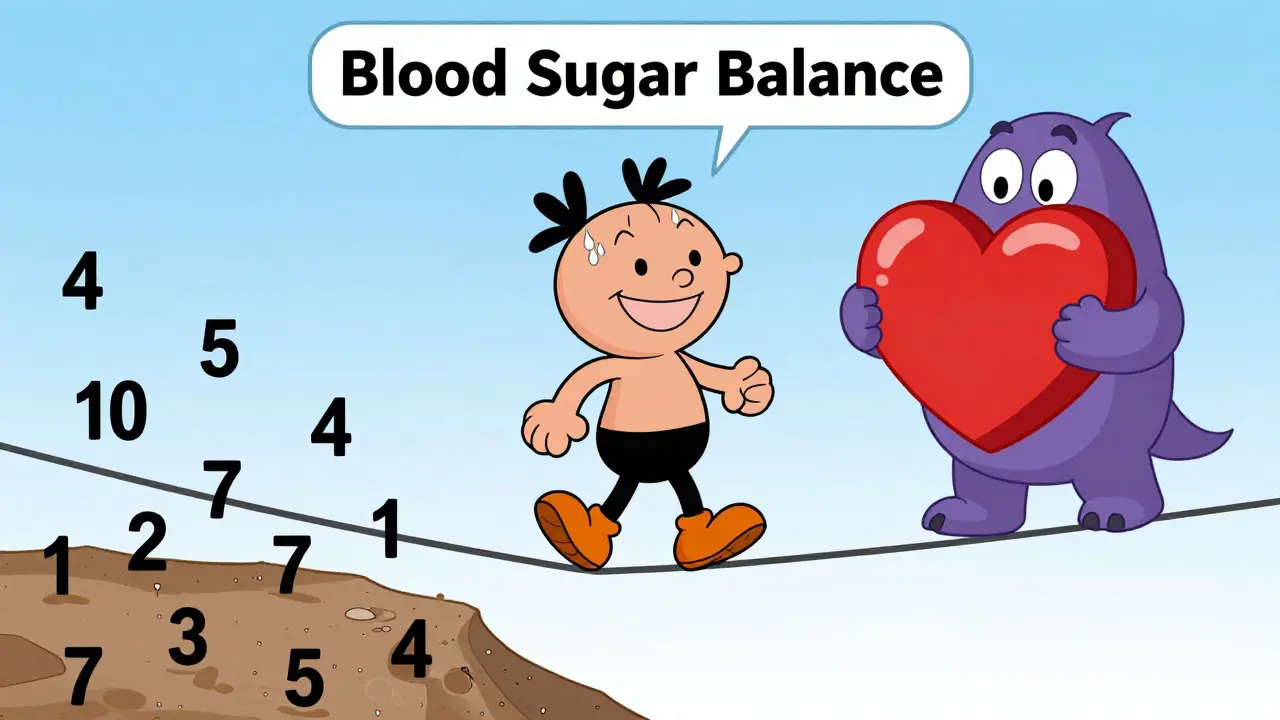
When you’re managing diabetes with insulin, your body already walks a tightrope between too high and too low blood sugar. Now add a beta-blocker - a common heart medication - and that tightrope gets even thinner. You might not even know you’re slipping.
Why This Combination Is Riskier Than It Looks
Beta-blockers like metoprolol, atenolol, and propranolol are prescribed to millions of people with diabetes because they lower blood pressure and protect the heart after a heart attack. But here’s the problem: they hide the warning signs of low blood sugar. That’s not just inconvenient - it’s dangerous.Most people with diabetes learn to recognize hypoglycemia by the classic symptoms: shaking, fast heartbeat, sweating, hunger, and anxiety. These are triggered by adrenaline when blood sugar drops. Beta-blockers block adrenaline’s effects. So your heart doesn’t race. Your hands stop trembling. The warning system goes quiet.
That doesn’t mean your blood sugar isn’t dropping. It means your body can’t tell you. You might feel fine - until you suddenly pass out, have a seizure, or slip into a coma. This is called hypoglycemia unawareness. About 40% of people with type 1 diabetes develop it over time. And when you’re on beta-blockers, that risk jumps.
Not All Beta-Blockers Are the Same
It’s tempting to think all beta-blockers work the same way. They don’t. There’s a big difference between selective and non-selective types.Non-selective beta-blockers like propranolol block both beta-1 and beta-2 receptors. They shut down almost all adrenaline signals - including the ones that make you sweat. That’s bad news. Sweating is often the last remaining clue that your blood sugar is crashing.
Selective beta-blockers like metoprolol and atenolol mainly target beta-1 receptors in the heart. They leave some adrenaline activity untouched. That means sweating, which is controlled by a different chemical (acetylcholine), still happens. It’s not perfect, but it’s better.
Then there’s carvedilol. It’s not just a beta-blocker - it’s also an alpha-blocker. Studies show it’s less likely to mask hypoglycemia symptoms than metoprolol. In fact, one 2022 study found that diabetic patients on carvedilol had 17% fewer severe low blood sugar events than those on metoprolol. For people with a history of hypoglycemia unawareness, carvedilol is now the preferred choice.
It’s Not Just About Symptoms - Your Body Can’t Fix Low Sugar Either
Beta-blockers don’t just hide the signs. They also make it harder for your body to recover.When your blood sugar drops, your liver normally releases stored glucose to bring it back up. Beta-blockers, especially those that block beta-2 receptors, interfere with this process. They suppress glycogen breakdown in the liver and muscles. So even if you do notice something’s off, your body can’t fix it quickly.
That’s why hospital stays are so risky. A 2019 study found that 68% of hypoglycemia events in diabetic patients on beta-blockers happened within the first 24 hours of admission. That’s when insulin doses are often adjusted, meals are delayed, and stress levels spike. Add in the fact that 25% of hospitalized diabetic patients are on beta-blockers, and you’ve got a perfect storm.

What You Can Do to Stay Safe
If you’re taking insulin and a beta-blocker, you need a new safety plan. Here’s what works:- Check your blood sugar more often - at least every 4 hours, especially if you’re in the hospital or changing your insulin dose. Don’t wait for symptoms.
- Use continuous glucose monitoring (CGM). CGM alerts you when your sugar drops - even if you don’t feel it. Since 2018, use of CGM in this group has increased 300%, and severe hypoglycemia events have dropped by 42%.
- Know your one real warning sign: sweating. If you suddenly break out in cold sweat without exertion or heat, check your blood sugar. It’s your body’s last alarm.
- Ask your doctor about carvedilol. If you’re on metoprolol or atenolol and have had low blood sugar episodes, ask if switching to carvedilol is right for you.
- Avoid non-selective beta-blockers like propranolol. If you have hypoglycemia unawareness, these should be avoided entirely.
The Bigger Picture: Heart Health vs. Blood Sugar Safety
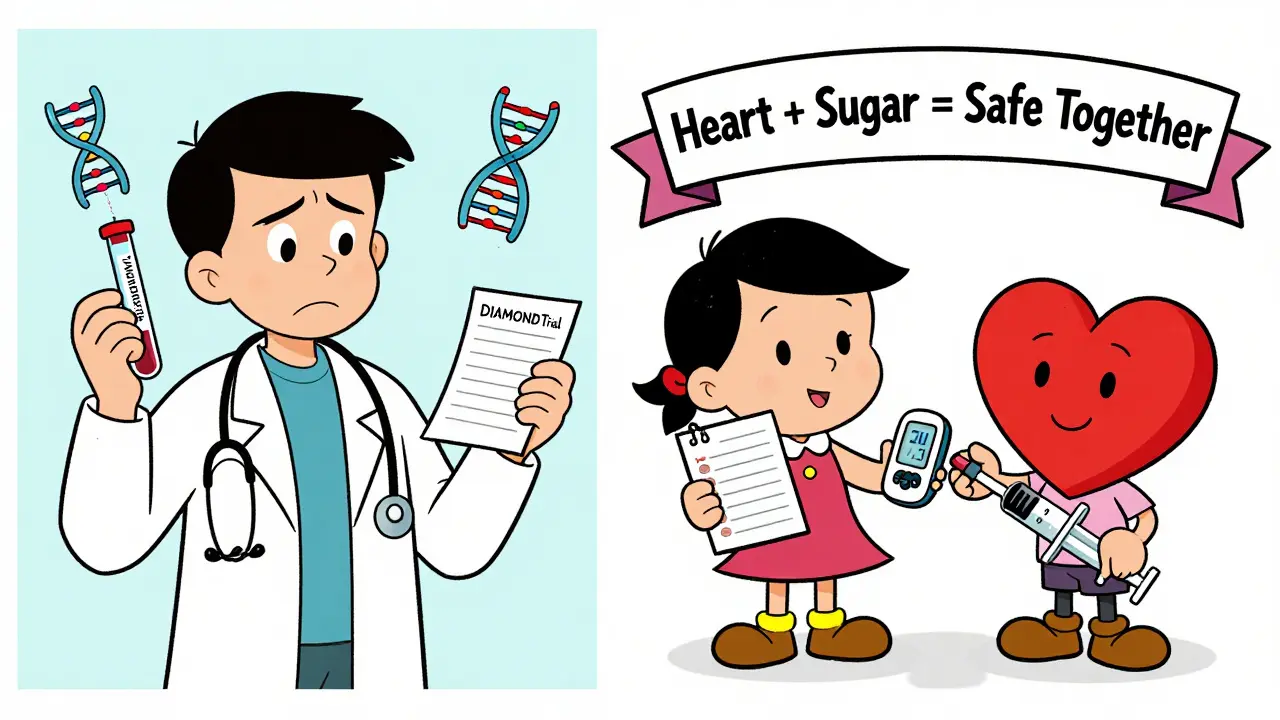
This isn’t about choosing between your heart and your blood sugar. It’s about managing both.Beta-blockers reduce death after a heart attack by 25% in people with diabetes. Stopping them because of hypoglycemia fear can be deadly. The goal isn’t to avoid beta-blockers - it’s to use them safely.
Studies like the ADVANCE trial show that over five years, the rate of severe hypoglycemia didn’t increase much with atenolol compared to placebo. That suggests the biggest danger is acute - in hospitals, during illness, or after insulin changes - not in stable outpatient settings.
But the numbers don’t lie: people on selective beta-blockers have a 28% higher risk of dying from hypoglycemia than those not on them. That’s why guidelines now demand active monitoring, not passive acceptance.
What’s Next? Personalized Medicine Is Coming
Scientists are starting to ask: Why do some people on beta-blockers get severe hypoglycemia and others don’t?The 2023 DIAMOND trial is looking at genetic markers that predict who’s most at risk. If you carry certain genes, you might be more sensitive to beta-blocker effects on glucose metabolism. That could one day mean a simple blood test tells your doctor which beta-blocker is safest for you.
Until then, the rules are clear: know your risks, monitor closely, choose your medication wisely, and never assume you’ll feel it coming.
Bottom Line
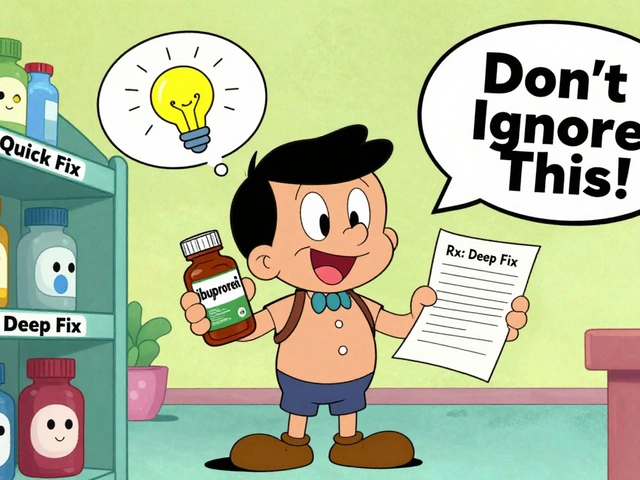
Insulin and beta-blockers can be a life-saving combo - if you manage the risks. Hypoglycemia unawareness doesn’t happen overnight. It creeps in. But you can stop it before it’s too late.Don’t wait for a scary episode to change your routine. Talk to your doctor about your current beta-blocker. Ask if you need more frequent checks. Ask if CGM is right for you. And remember - sweating might be the only sign left. Don’t ignore it.

Payton Daily
December 27, 2025 AT 14:38Look, I’ve been on insulin for 12 years and metoprolol for 8. I never felt a thing until I passed out in the grocery store. No shaking. No sweat. Just darkness. That’s not a scare tactic-that’s reality. If you’re on this combo and not using a CGM, you’re playing Russian roulette with your brain.
And yeah, I know some docs say ‘it’s fine.’ But your doctor didn’t wake up with your pancreas screaming in the middle of the night. I did. And now I check my sugar before I brush my teeth. Before I kiss my kid goodnight. Before I even sit down to eat.
It’s not paranoia. It’s survival.
Carvedilol? Switched last year. Best decision I ever made. Still got the heart protection. Still got my consciousness.
Kelsey Youmans
December 28, 2025 AT 08:49Thank you for this comprehensive and clinically grounded overview. The distinction between selective and non-selective beta-blockers is frequently overlooked in primary care settings, and the emphasis on continuous glucose monitoring as a preventive measure is both prudent and aligned with current guidelines. I would encourage all clinicians to integrate these considerations into routine diabetes management protocols, particularly for patients with cardiovascular comorbidities.
Sydney Lee
December 29, 2025 AT 16:38Let’s be brutally honest: if you’re relying on ‘symptoms’ to tell you your blood sugar is crashing, you’re already behind. This isn’t 1998. We have technology that can warn you 20 minutes before you pass out-and yet, people still treat diabetes like it’s a moral failing instead of a physiological condition.
And let’s not pretend carvedilol is some miracle drug. It’s just the least terrible option among a bad bunch. The real problem? The pharmaceutical industry doesn’t profit from educating patients. They profit from selling more insulin, more monitors, more drugs. You think they want you to know that propranolol is a death trap? Think again.
It’s not about medication. It’s about power. And the system doesn’t want you to win.
oluwarotimi w alaka
December 30, 2025 AT 22:07USA always make things complicated. In Nigeria, we just use insulin and if you feel weak, you eat plantain. No fancy blood test. No CGM. No doctor telling you which beta-blocker to take. You survive or you don’t. This whole ‘hypoglycemia unawareness’ thing? Sounds like rich people problem. We don’t have time for that.
Also, why is everyone so scared of propranolol? It’s cheap. It’s everywhere. Maybe your body just needs to learn to handle it. You think your liver is weak? Maybe you’re weak.
Debra Cagwin
December 30, 2025 AT 23:45This is such an important post-and I want to say thank you to everyone sharing their stories. I’ve been helping diabetic patients for over 15 years, and the number of people who don’t realize their symptoms are being masked is heartbreaking.
But here’s the good news: you’re not alone. You don’t have to do this alone. CGMs are more affordable now than ever. Many insurance plans cover them. And if your doctor isn’t listening? Find a new one. Your life matters more than their schedule.
Start small: check your sugar before bed. Set an alarm. Write down how you feel. You’re not just managing a condition-you’re reclaiming your peace. And that’s worth every extra minute.
Hakim Bachiri
January 1, 2026 AT 16:43Okay, so let me get this straight: we’re supposed to trust a drug that literally silences your body’s alarm system… and then we’re supposed to ‘check more often’? That’s not safety-that’s a Band-Aid on a bullet wound.
And why is carvedilol suddenly the hero? Because it’s expensive? Because Big Pharma wants us to switch? I’ve seen this movie before. First they tell you metoprolol is fine. Then they say ‘oops, actually, it’s dangerous.’ Now carvedilol? Next year they’ll say it causes cancer or something.
And don’t even get me started on CGMs. You think I can afford one of those? I work two jobs. I don’t have time to babysit my blood sugar like it’s a toddler.
This isn’t medicine. It’s a profit-driven circus.
Gran Badshah
January 3, 2026 AT 04:05Bro, I’m on metoprolol and insulin. I never knew this stuff. I thought sweating was just because I’m fat. Now I check every 3 hours. Changed my life.
Also, I got a free CGM from my clinic. No joke. Just ask. They give them out if you’ve had lows before.
Also, propranolol? Avoid. Like, full-on avoid. I saw a guy pass out at the gym last week. He was on it. Scary.
Ellen-Cathryn Nash
January 4, 2026 AT 09:57It’s chilling how quietly this kills people. No screaming. No drama. Just… silence. One minute you’re fine. The next, you’re on the floor. No one knows why. No one sees it coming.
I lost my uncle to this. He was on atenolol. He didn’t even have a history of lows. Just… gone. They found him at 3 a.m. with a blood sugar of 32.
It’s not just medical-it’s emotional. The guilt. The ‘if only I’d known.’
So if you’re reading this and you’re on beta-blockers? Please. Talk to your doctor. Don’t wait for the silence to be your last warning.
Samantha Hobbs
January 5, 2026 AT 12:59OMG I just switched to carvedilol last month and I swear I feel different. Like, I actually sweat now when I’m low?? I thought I was just hot all the time. I’m gonna start checking my sugar before I go to bed. Like, every night. I’m scared now.
Also, CGM is kinda expensive but my mom got me one for my bday. Best gift ever. I cried. Like, actual tears. I feel so much safer.
Mimi Bos
January 6, 2026 AT 21:08carvedilol is the best? i think i read that somewhere? maybe? i dont know. i just know i dont like when my hands shake. so maybe i should ask my doc? i think i have metoprolol? maybe? i think? lol
sonam gupta
January 7, 2026 AT 02:11India has better solutions. We use bitter gourd juice and yoga. No drugs. No monitors. Just discipline. Why do Americans need so many machines to live? Simple life simple health. Beta-blockers? Just stop taking them. Your heart will be fine.
Julius Hader
January 8, 2026 AT 23:21Just want to say this thread is helping me a lot. I’ve been scared to talk about my lows because I thought I was just ‘weak.’ But reading this? I’m not alone. And I’m not failing. I’m just fighting a system that doesn’t talk about this enough.
Thanks for sharing. Seriously.
Also, I asked my doctor about carvedilol. She said yes. We’re switching next week. Feels good to finally take control.
Vu L
January 9, 2026 AT 04:12Wait-so you’re telling me beta-blockers cause hypoglycemia unawareness? Bro. That’s not a side effect. That’s a feature. The system wants you dependent on monitors. They want you buying CGMs. They want you scared. This isn’t medicine. It’s a scam.
I stopped my metoprolol. Went back to walking. My sugar’s fine. My heart’s fine. I didn’t need any of this.