
When it comes to pills, creams, or supplements, you want clear facts fast. This page gathers the most asked‑about meds, from antibiotics to cholesterol pills, and shows you where to get them safely online.
If you’re stuck between two antibiotics, our side‑by‑side breakdown of Cefprozil vs Amoxicillin explains which infection each tackles best, typical doses, common side effects, and price tips. Same for people hunting a substitute for Augmentin or Amoxil – we list seven alternatives, point out when each shines, and note allergy concerns.
Ever wondered how to order Neurontin, Diphenhydramine, Atorvastatin, or Fosfomycin from a legit pharmacy? Each guide walks you through the paperwork, red‑flag signs of scams, and ways to save money while keeping the product authentic. We also cover Tenormin and Tenormin Canada specifics, so you know what to expect at checkout.
For chronic conditions, we dive into real‑world questions like “Can Baclofen help me fall asleep?” – the article breaks down study results, compares it with typical sleep aids, and gives practical advice if you’re thinking about trying it.
Mind‑related meds get a look too. Need options beyond Quetiapine? We list six alternatives, highlighting how they differ for schizophrenia or bipolar disorder. And if you’re looking at erectile dysfunction, our roundup of seven Cialis alternatives mixes pills and lifestyle tweaks so you can pick what feels right.
Fertility? Our Clomiphene piece tells you when it might aid tubal factor infertility and where it falls short compared with IVF, giving couples a realistic view.
Hormones and skin? The ethinylestradiol article explains how this synthetic estrogen can change your complexion, what to watch for, and simple skin‑care tricks while on the pill.
All these posts are written in plain language, avoid medical jargon, and point you to trusted resources. Whether you’re comparing drugs, hunting a safe online pharmacy, or just curious about side effects, you’ll find the info you need without endless scrolling.
Bookmark this page, use the search bar to jump to a specific medication, and stay updated – we refresh guides each year to match the latest regulations and pricing trends.
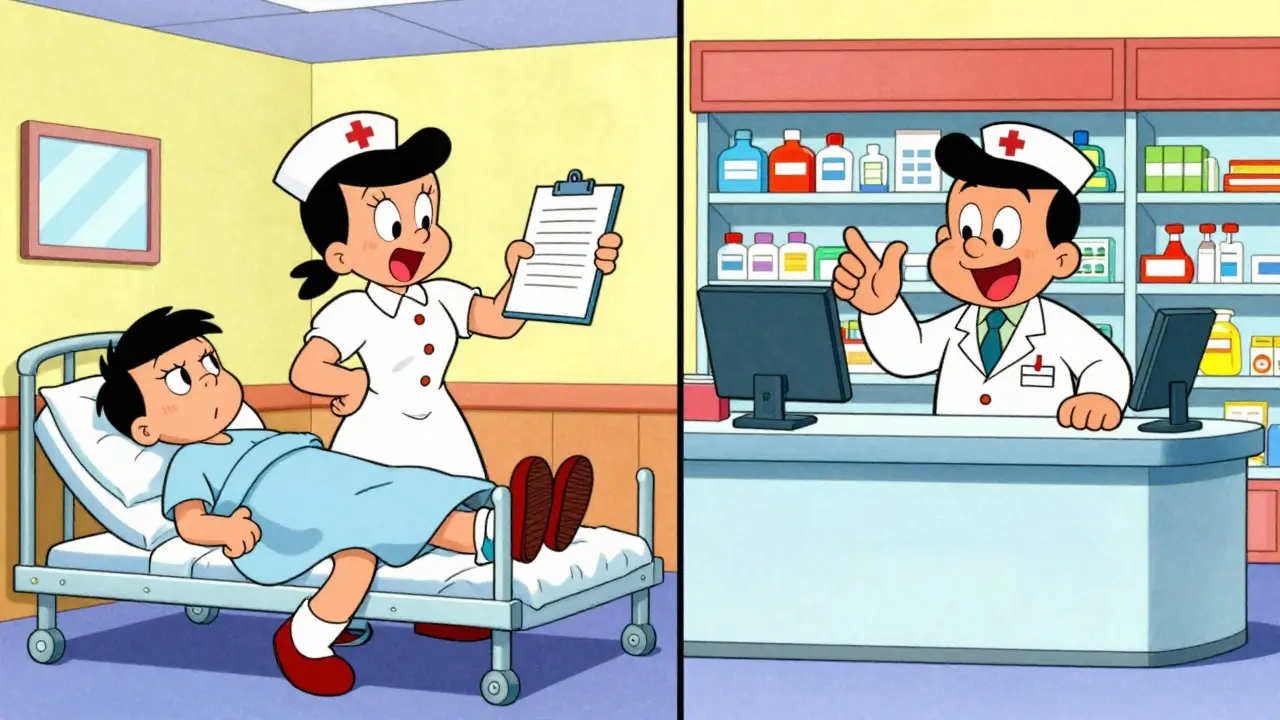
Compare medication error rates and causes in hospitals versus retail pharmacies. Learn why retail errors are more likely to reach patients and how technology is fixing it.

Learn why combining linezolid with tyramine-rich foods causes dangerous blood pressure spikes. Get a complete list of foods to avoid and how long to maintain dietary restrictions.
Explore how bioequivalence testing ensures generic drugs are safe and effective compared to brand-name medications, protecting patient health while lowering costs.

Learn how to involve family in medication support using master lists, habit stacking, and safety tools. Reduce errors and improve adherence.

Explore the severe drowsiness and anticholinergic risks of first-generation antihistamines. Learn why they affect the brain, compare them to safer alternatives, and understand safety warnings for driving and elderly use.
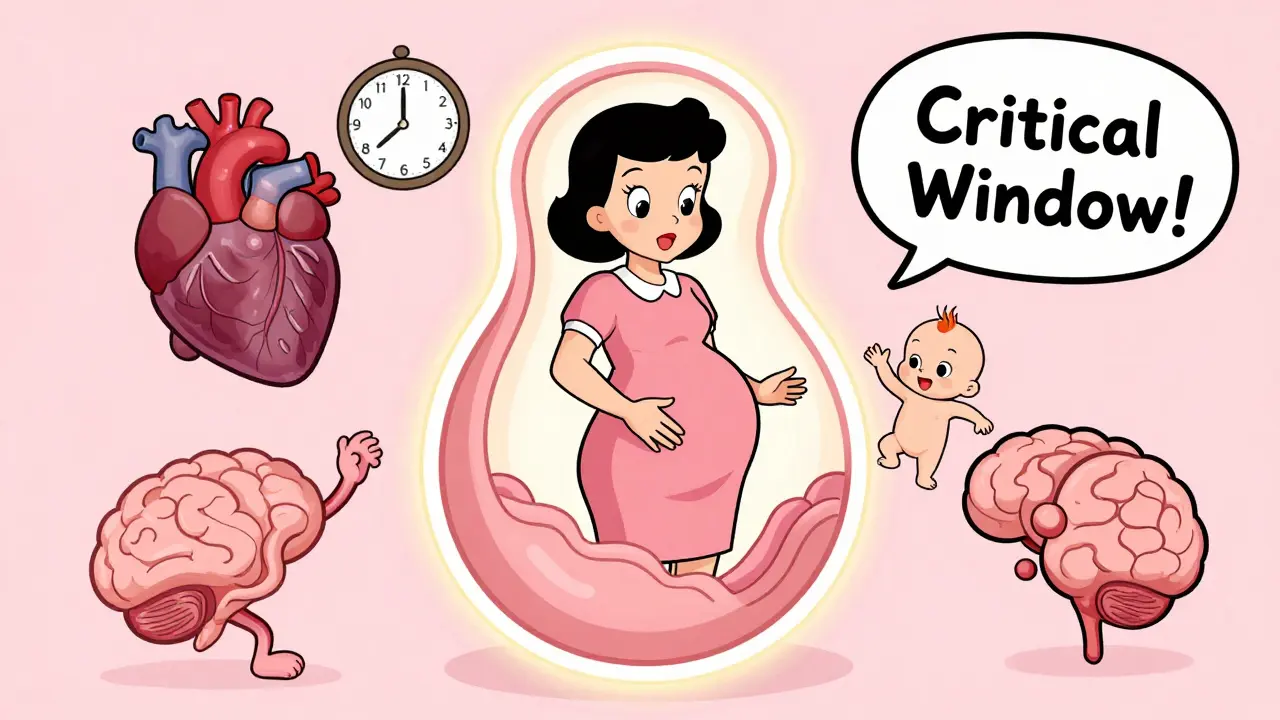
The first trimester is the most critical time for fetal development. Learn which medications are safe, which carry real risks, and how to make informed choices during early pregnancy.

Sulfonylureas help lower blood sugar but often cause weight gain - 2 to 5 kg on average. Learn why this happens, which drugs are worst, and how to fight it with smarter choices and lifestyle changes.
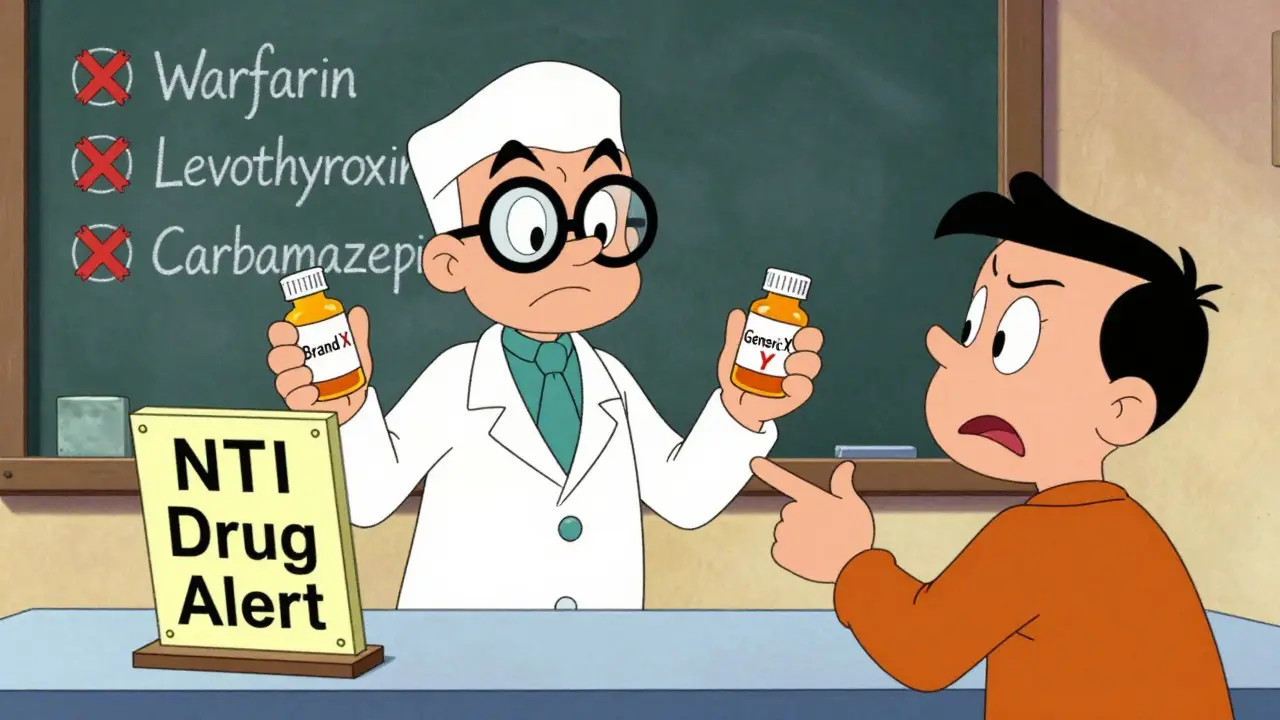
Generic drug substitution saves billions but increases legal risk for pharmacists. Learn how state laws, federal preemption, and patient communication affect liability-and what steps you can take to protect yourself and your patients.

Aminoglycoside antibiotics can cause permanent hearing loss and balance damage in 20-47% of patients. Learn how these drugs destroy inner ear cells, who’s most at risk, and what you can do to protect yourself.
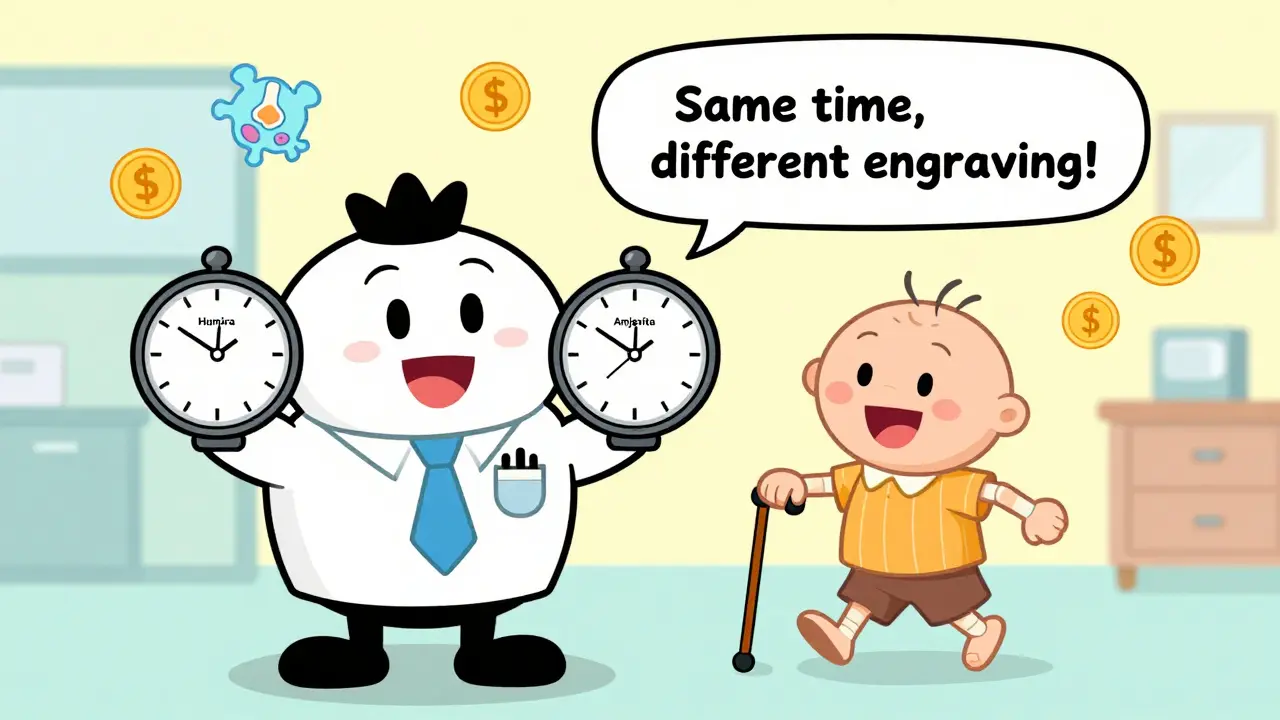
Biosimilar medications are scientifically proven to be as safe and effective as their brand-name biologics. With over a billion patient treatment days tracked, they offer major cost savings without compromising outcomes.
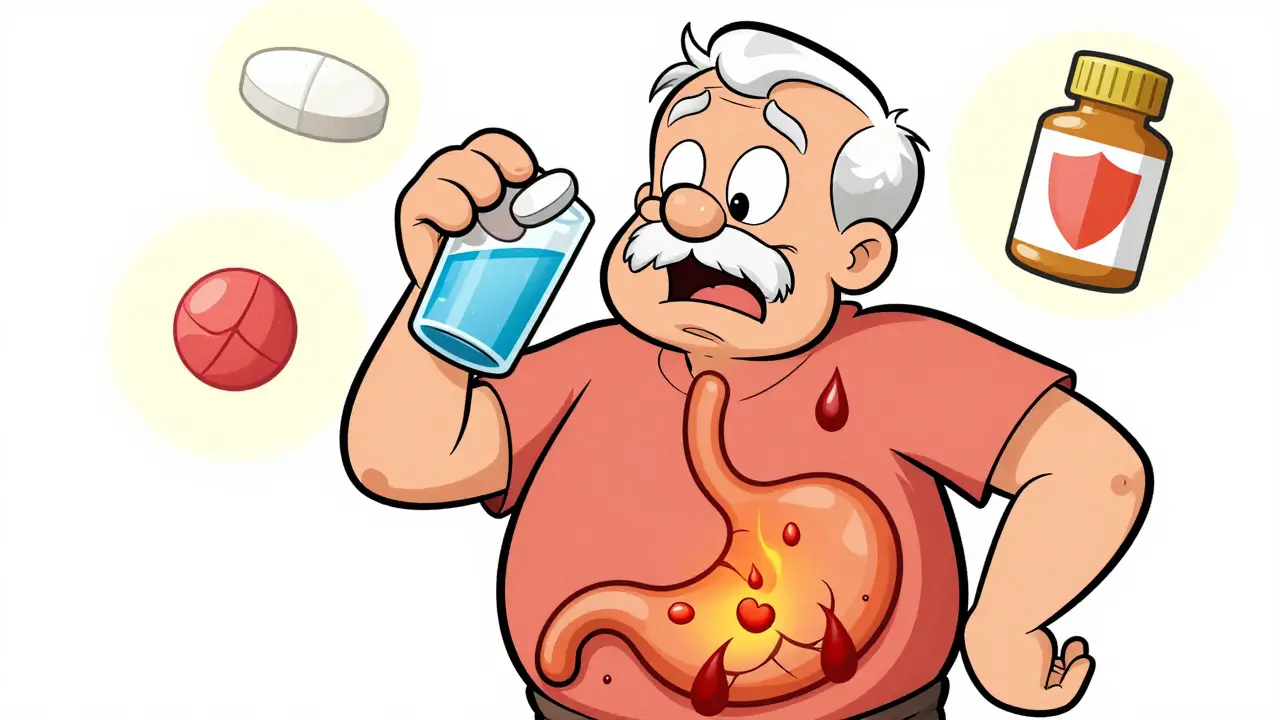
Antiplatelet medications like aspirin and clopidogrel prevent heart attacks but raise the risk of serious stomach bleeding. Learn who's most at risk, how to protect your gut with PPIs, and what to do if you bleed.

Storing medications in the bathroom can weaken their effectiveness and create safety risks. Learn why humidity, heat, and easy access make this common habit dangerous-and where to store your pills instead.