
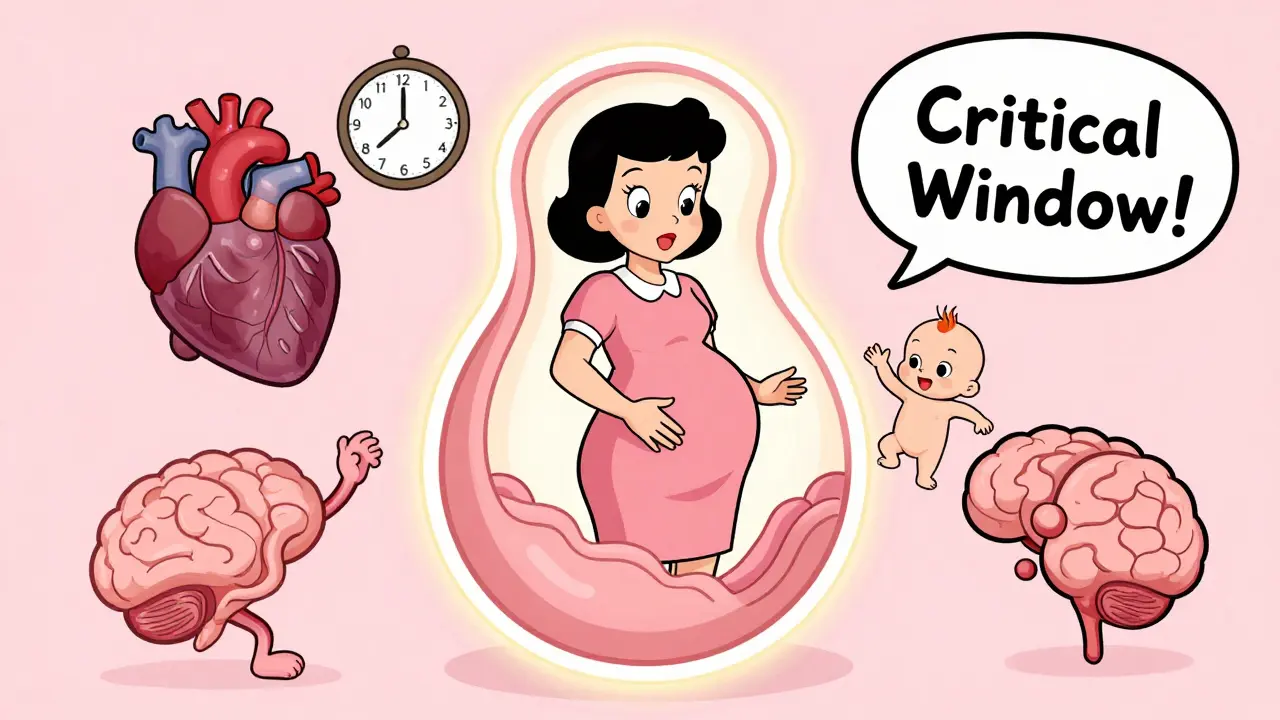
When you’re pregnant, even a simple headache or cold can feel like a high-stakes decision. That’s because the first trimester - weeks 1 through 12 - is when your baby’s body is being built, piece by piece. This isn’t just any phase of pregnancy. It’s the most sensitive time for medication exposure, and understanding what’s safe and what’s not can make all the difference.
Why the First Trimester Matters So Much
By week 4, your baby’s heart is already beating. By week 6, arms and legs are forming. By week 8, the brain is wiring itself. All of this happens before many people even know they’re pregnant. This window - from conception to 12 weeks - is called embryogenesis. It’s when every major organ system is laid down. If something interferes during this time, it can lead to structural birth defects. The CDC says 90% of major birth defects occur in this period. The highest risk? Between days 17 and 56 after conception. That’s when the heart, brain, limbs, and face are forming.
Think of it like building a house. You wouldn’t pour the foundation while the roof is being installed. In pregnancy, the foundation - organs - is built first. Once that’s done, later exposures might affect growth or function, but not structure. That’s why medications taken in the first trimester carry different risks than those taken later.
Common Medications and Their Real Risks
Most pregnant people take at least one medication in the first trimester. Some are necessary. Others are taken without knowing the risks. Here’s what the data shows about the most commonly used ones.
Acetaminophen (Tylenol) is still considered the go-to for pain and fever. Up to 30% of pregnant women use it. The recommended dose is no more than 4,000 mg per day - that’s four 500 mg tablets. But new research is raising red flags. A 2023 study from the Birth Injury Center found a 30% higher chance of ADHD and a 20% higher chance of autism spectrum disorder with long-term use. That doesn’t mean you should avoid it entirely. It means: use the lowest dose for the shortest time. Don’t take it daily unless you need to.
NSAIDs like ibuprofen, naproxen, and aspirin are a different story. A 2011 Canadian study of over 4,700 pregnancies found that using NSAIDs in the first trimester raised the risk of miscarriage by 1.6 times. The FDA also warns that after 20 weeks, these drugs can cause low amniotic fluid and kidney problems in the baby. But even before that, the data suggests caution. If you need pain relief, stick with acetaminophen unless your provider says otherwise.
Antidepressants are another gray area. Paroxetine (Paxil) has been linked to a 1.5 to 2 times higher risk of heart defects, especially ventricular septal defects. But fluoxetine (Prozac), sertraline (Zoloft), and citalopram (Celexa) don’t show the same pattern. The bigger concern with these drugs isn’t birth defects - it’s neonatal adaptation syndrome, which can cause jitteriness, feeding issues, or breathing problems after birth. If you’re on an antidepressant and find out you’re pregnant, don’t stop cold turkey. Talk to your doctor. Untreated depression can be just as risky for the baby as the medication itself.
Antibiotics are often needed. Amoxicillin, cephalosporins, and erythromycin are generally safe. But tetracyclines - like doxycycline - can permanently stain a baby’s teeth and affect bone growth if taken after week 15. Fluoroquinolones (like ciprofloxacin) show cartilage damage in animal studies. Human data is limited, but most providers avoid them in pregnancy unless there’s no other option.
What About Cold, Allergy, and GI Meds?
Many pregnant people reach for OTC meds for common symptoms. But not all are created equal.
- Diphenhydramine (Benadryl), loratadine (Claritin), and cetirizine (Zyrtec) are considered low-risk for allergies. No strong link to birth defects.
- Pseudoephedrine (Sudafed) should be avoided in the first trimester. A 2002 study linked it to a 1.2 to 1.3 times higher risk of gastroschisis - a rare defect where the baby’s intestines grow outside the belly.
- Docusate (Colace) is fine for constipation. It doesn’t get absorbed into the bloodstream.
- Bismuth subsalicylate (Pepto-Bismol) contains salicylates, similar to aspirin. Avoid it.
- Loperamide (Imodium) has a shaky safety profile. One small study found 4 out of 226 babies exposed had heart defects. Not enough to say it’s dangerous, but not enough to say it’s safe either.
- H2 blockers like famotidine (Pepcid) are commonly used for heartburn. Animal studies show no harm, but human data in the first trimester is still lacking.
When Medication Is Necessary - But Risky
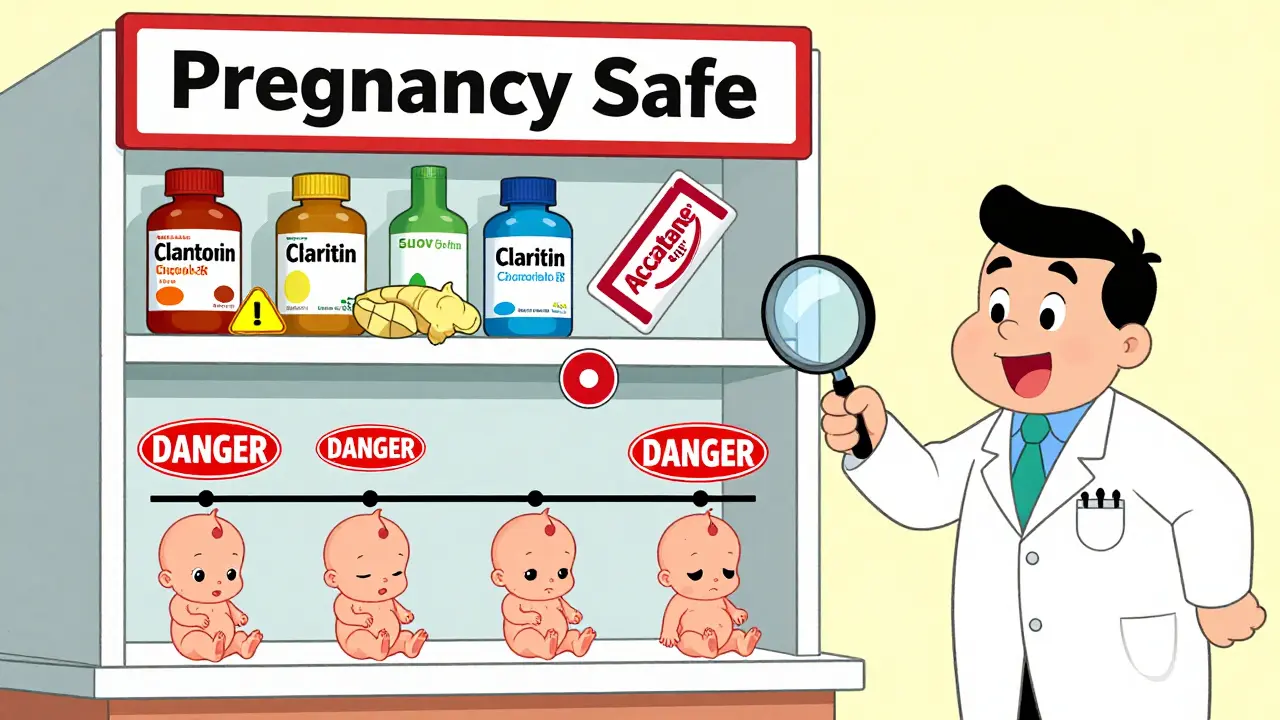
Some conditions can’t be ignored. Stopping treatment can be more dangerous than taking the drug.
Take epilepsy. ACOG reports that stopping antiepileptic drugs increases the risk of seizure-related fetal death by 400%. The same goes for thyroid disorders. Levothyroxine (Synthroid) is not only safe - it’s essential. About 30 to 50% of pregnant women need to increase their dose because pregnancy changes how the body uses thyroid hormone. Keeping TSH under 2.5 mIU/L is critical for brain development.
For autoimmune diseases like lupus, hydroxychloroquine (Plaquenil) is often continued. Studies show no increased risk of birth defects at standard doses. In fact, stopping it can trigger flares that harm both mother and baby.
Then there’s corticosteroids. A 2013 meta-analysis found a possible 1.3 to 1.6 times higher risk of cleft lip or palate with first-trimester exposure. But for women with asthma or severe allergies, the benefits often outweigh the risks. The key? Use the lowest effective dose for the shortest time.
What About Acne, Fungal Infections, and Other Concerns?
Isotretinoin (Accutane) is one of the most dangerous medications in pregnancy. It carries a 20 to 35% risk of major birth defects - including brain, heart, and facial abnormalities - and a 30 to 60% risk of cognitive impairment. The FDA requires strict pregnancy prevention programs before prescribing it. If you’re on it and think you might be pregnant, stop immediately and call your provider.
For fungal infections like yeast infections, topical azoles (clotrimazole, miconazole) are preferred. Oral fluconazole (Diflucan) was once thought to be risky, but a CDC study of 226 first-trimester exposures found no increased risk of major defects. Still, most providers avoid high doses (over 400 mg) early on.
How to Make Safe Decisions
Here’s what experts recommend:
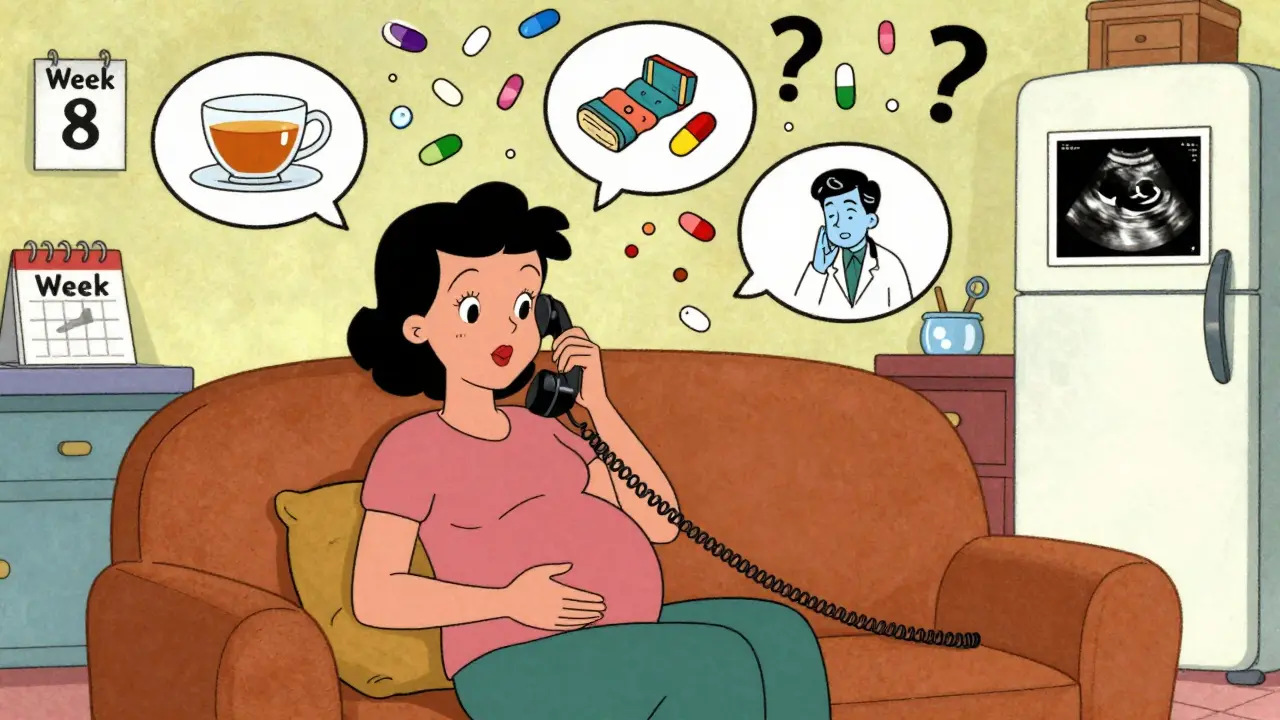
- Confirm your dates. Use your last period and an early ultrasound to know exactly how far along you are. Timing matters more than you think.
- Know what you’ve taken. Write down every medication - prescription, OTC, supplement, herbal. Don’t assume something is safe just because it’s available without a prescription.
- Consult a specialist. MotherToBaby (operated by the Organization of Teratology Information Specialists) offers free, confidential counseling. They’ve handled over 15,000 inquiries a year. They don’t give blanket advice. They look at timing, dose, and medical history.
- Try non-drug options first. For nausea: ginger, acupressure wristbands. For constipation: fiber, water, movement. For heartburn: smaller meals, avoiding lying down after eating.
- Use the lowest dose for the shortest time. If you need a medication, don’t take more than you need. Don’t take it longer than you need.
The Big Problem: We Don’t Know Enough
Here’s the uncomfortable truth: the FDA says 98% of prescription labels lack detailed pregnancy safety info. Only 10% of all approved medications have enough human data to truly understand the risks. That’s why doctors often guess. That’s why you might get conflicting advice from different providers.
Researchers are trying to fix this. The FDA’s Pregnancy Exposure Registry tracks over 10,000 pregnancies exposed to specific drugs. The NIH’s PregSource project collected data from 12,000 pregnant people - but it ended in 2022. Without mandatory testing by drug companies, progress is slow.
As Dr. Christina Chambers from UC San Diego says, we’re in a “prescription information desert.” Pregnant people are often left to navigate this alone. But you’re not powerless. You can ask questions. You can seek out expert advice. You can make informed choices - even in the face of uncertainty.
Final Thought: Don’t Panic, But Don’t Assume
Most babies are born healthy, even when their mothers take medications during the first trimester. But that doesn’t mean every medication is safe. It means you need to be smart about it. Don’t stop essential meds without talking to your provider. Don’t assume OTC means harmless. And don’t feel guilty if you took something before you knew you were pregnant - most exposures don’t cause harm.
The goal isn’t perfection. It’s awareness. It’s asking the right questions. It’s knowing that you’re not alone - and that help is out there.
Is it safe to take acetaminophen during the first trimester?
Acetaminophen is still considered the safest pain reliever during pregnancy, with a daily limit of 4,000 mg. However, recent studies suggest a possible link to increased risk of ADHD and autism spectrum disorder with prolonged or frequent use. Use the lowest effective dose for the shortest time possible. Avoid daily use unless medically necessary.
Can I take ibuprofen in the first trimester?
Ibuprofen and other NSAIDs are not recommended in the first trimester. A 2011 Canadian study found a 1.6-fold increased risk of miscarriage with first-trimester use. While the risk is not absolute, acetaminophen is a safer alternative for pain and fever. Avoid NSAIDs unless specifically advised by your provider for a medical reason.
What if I took medication before I knew I was pregnant?
Most exposures during early pregnancy - especially before 4 weeks - don’t cause harm. This is because the embryo is still dividing, and either the cells repair themselves or the exposure leads to miscarriage. If you took a medication before realizing you were pregnant, don’t panic. Contact a specialist like MotherToBaby or your OB-GYN. They can assess the specific drug, timing, and dose to give you a clearer picture.
Are all antidepressants dangerous during pregnancy?
No. Paroxetine (Paxil) has been linked to a higher risk of heart defects, but fluoxetine (Prozac), sertraline (Zoloft), and citalopram (Celexa) do not show consistent evidence of major birth defects. The bigger concern is neonatal adaptation syndrome after birth, which is usually mild and temporary. Stopping antidepressants abruptly can be more harmful than continuing them. Always work with your provider to weigh risks and benefits.
Should I stop my medication if I find out I’m pregnant?
Never stop a prescribed medication without talking to your provider. For conditions like epilepsy, thyroid disorders, or severe depression, the risks of stopping medication can be far greater than the risks of continuing it. For example, uncontrolled seizures or high blood sugar can cause miscarriage or birth defects. Your provider can help you switch to safer alternatives or adjust doses if needed.

Dylan Patrick
March 14, 2026 AT 07:14Kathy Leslie
March 15, 2026 AT 15:05Elsa Rodriguez
March 17, 2026 AT 13:19Serena Petrie
March 18, 2026 AT 16:05Aaron Leib
March 19, 2026 AT 16:47Amisha Patel
March 21, 2026 AT 07:52Buddy Nataatmadja
March 22, 2026 AT 05:28mir yasir
March 22, 2026 AT 13:34Emma Nicolls
March 22, 2026 AT 20:04Jimmy V
March 22, 2026 AT 22:35Richard Harris
March 24, 2026 AT 15:56