
Imagine taking a medication where the difference between feeling great and ending up in the hospital is measured in milligrams. For most drugs, this isn't an issue. But for a specific group of medications known as Narrow Therapeutic Index (NTI) drugs, that tiny margin is reality. If you take warfarin, levothyroxine, or lithium, you’ve likely heard conflicting advice about switching from brand-name to generic, or even from one generic manufacturer to another. Some doctors say it’s perfectly safe. Others warn of serious risks. So, who are you supposed to believe?
The short answer is: it’s complicated. While federal regulations ensure generics meet strict standards, individual bodies react differently to subtle variations in how these drugs are made. Understanding what NTI means, why manufacturers matter, and how to protect your health during switches is crucial for anyone on these life-saving but delicate medications.
What Exactly Are NTI Drugs?
To understand the risk, you first need to understand the term. An NTI drug is a medication with a very small window between a dose that works and a dose that causes toxicity or fails to treat the condition. The U.S. Food and Drug Administration (FDA) defines these as drugs requiring specialized monitoring because small changes in blood concentration can lead to serious adverse reactions or therapeutic failure.
Think of it like driving a car. With a regular drug, you have a wide lane; you can drift a bit left or right and still stay on the road. With an NTI drug, you’re driving on a tightrope. A slight shift-caused by a different pill formulation, food interaction, or even stress-can send you off balance.
Common examples include:
- Warfarin (Coumadin): Used to prevent blood clots. Too little, and you risk a stroke; too much, and you risk internal bleeding.
- Levothyroxine (Synthroid): Treats hypothyroidism. Small fluctuations can cause fatigue, weight gain, or heart palpitations.
- Lithium Carbonate (Lithobid): Stabilizes mood in bipolar disorder. Toxicity can damage kidneys and nerves.
- Phenytoin (Dilantin) and Carbamazepine (Tegretol): Control seizures. Ineffective doses can lead to breakthrough seizures.
- Tacrolimus (Prograf) and Cyclosporine: Immunosuppressants for transplant patients. Variability can lead to organ rejection.
These drugs don’t just sit in your system; they require precise levels in your bloodstream to work safely. This precision is why their manufacturing and substitution get so much scrutiny.
The FDA’s Stance on Generics and Bioequivalence
The FDA does not maintain a single official list of all NTI drugs, but it has identified key ones through guidance documents. The agency’s position is clear: generic NTI drugs are approved as therapeutically equivalent to brand-name products. However, "equivalent" doesn’t mean "identical."
For standard drugs, the FDA allows a bioequivalence range of 80-125%. This means a generic can deliver 20% less or 25% more active ingredient than the brand name and still be approved. For NTI drugs, the rules are tighter. The quality assay limits are narrowed to 95-105%, and bioequivalence limits are often restricted to ranges like 90-111% or even tighter, depending on the specific drug.
Despite these stricter rules, differences exist. A 2022 FDA review found that while average differences between generic and brand-name NTI drugs were small (about 3.47% for total exposure), individual patient responses can vary. The agency acknowledges that while population-level data shows safety, individual variability remains a concern, especially when switching between multiple generic manufacturers.
Why Manufacturer Switches Matter
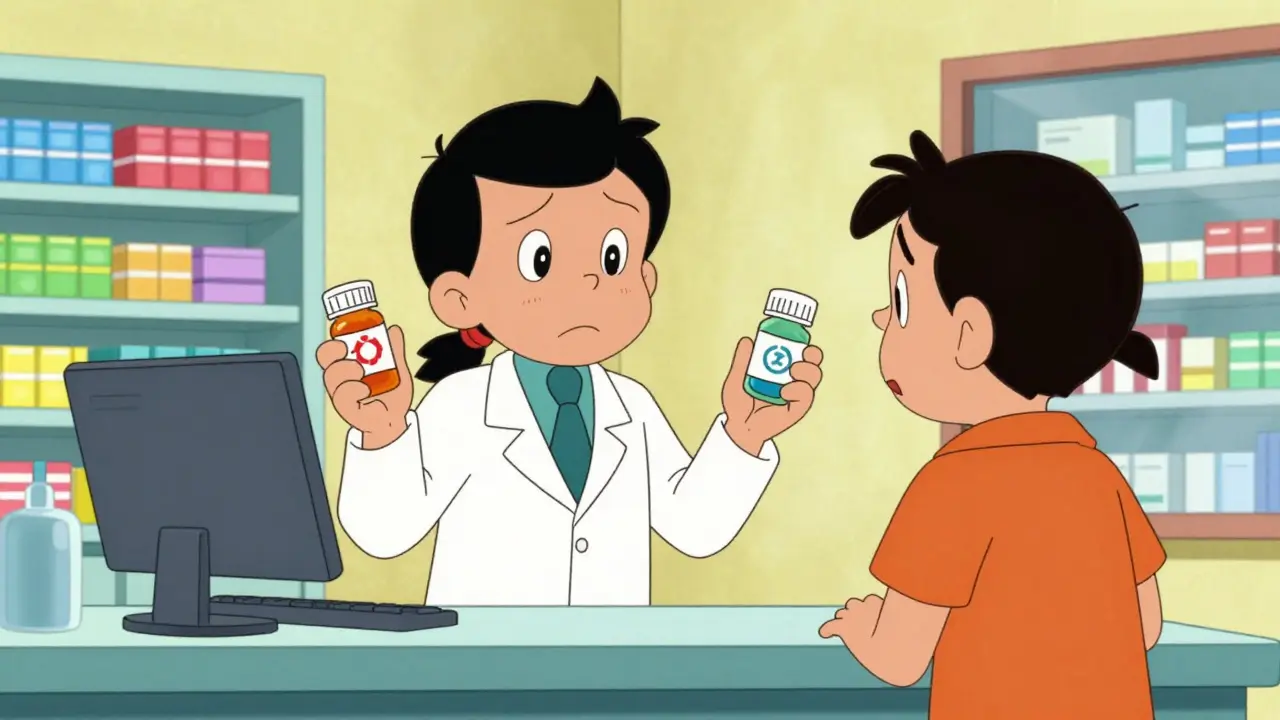
Here’s where it gets tricky. When you switch from Brand A to Generic B, the FDA ensures Generic B is bioequivalent to Brand A. But what happens when your pharmacy runs out of Generic B and switches you to Generic C? Or when a manufacturer changes its production facility?
Real-world studies show that while most people tolerate these switches fine, some do not. For example, a 2019 study on tacrolimus formulations found significant variation in the percentage of active ingredients across different generic brands. One brand had 93% of the reference amount, while another had 110%. While statistically within legal limits, for a transplant patient, that 17% difference could mean the difference between keeping their kidney and losing it.
Another study on kidney transplant patients showed a 15.3% higher rate of acute rejection when switching between two different cyclosporine formulations (Gengraf vs. Neoral). Even though both contained the same active ingredient, the delivery mechanism differed enough to impact outcomes.
This isn’t just theoretical. Pharmacists report receiving complaints about therapeutic inequivalence after switches. A 2019 national survey revealed that 63% of pharmacists had received complaints from patients or physicians regarding issues after switching generic NTI manufacturers. Yet, 87% of those same pharmacists believed generics were as effective as brands. This gap between perception and patient experience highlights the complexity of the issue.
| Drug Type | Standard Bioequivalence Range | Quality Assay Limit | Monitoring Requirement |
|---|---|---|---|
| Conventional Drugs | 80-125% | 90-110% | Routine clinical checks |
| NTI Drugs | Often 90-111% or tighter | 95-105% | Frequent blood tests (TDM) |
State Laws and Pharmacy Practices
Because of these risks, regulation isn’t uniform across the country. As of 2022, 27 states have specific laws restricting the automatic substitution of NTI drugs. These laws often require pharmacist notification, physician consent, or prohibit substitution entirely for certain high-risk medications like antiepileptics.
If you live in a state with strict laws, your pharmacist may ask your doctor before switching your levothyroxine or warfarin. In states without these laws, substitution might happen automatically under general generic substitution statutes. This patchwork system means your safety net depends largely on where you live.
Pharmacist behavior also varies. While many follow best practices, others prioritize cost-saving measures mandated by insurance plans. It’s not uncommon for a patient to receive a different generic manufacturer each time they refill, simply because that’s what’s in stock or cheapest at the moment.
How to Protect Yourself During Switches
You can’t control every variable, but you can take steps to minimize risk. Here’s a practical checklist for managing NTI medications:
- Know Your Drug: Ask your doctor if your medication is considered NTI. If you’re unsure, check with your pharmacist. Common NTI drugs include warfarin, levothyroxine, lithium, phenytoin, carbamazepine, digoxin, tacrolimus, and cyclosporine.
- Request Consistency: Tell your pharmacy you prefer to stay with the same manufacturer. Many pharmacies can note this in your profile. If they run out, ask them to notify you before dispensing a different version.
- Monitor Closely After Switches: If a switch occurs, schedule extra blood tests. For warfarin, check your INR sooner than usual. For thyroid meds, recheck TSH levels 4-6 weeks after the change. Don’t wait for your next routine appointment.
- Track Symptoms: Keep a log of how you feel. Fatigue, dizziness, mood swings, or unusual bruising can signal that your drug levels are off. Report these changes to your doctor immediately.
- Understand State Laws: Check if your state has restrictions on NTI substitution. Resources like the National Conference of State Legislatures provide updates on these regulations.
Also, remember that brand-name drugs aren’t immune to changes. Manufacturers sometimes alter their own formulations. The American Medical Association noted in 2007 that brand innovators change formulations frequently. If you’re worried about generics, consider whether you’d feel safer sticking with a consistent brand, even if it costs more.
When to Stick with Brand Name
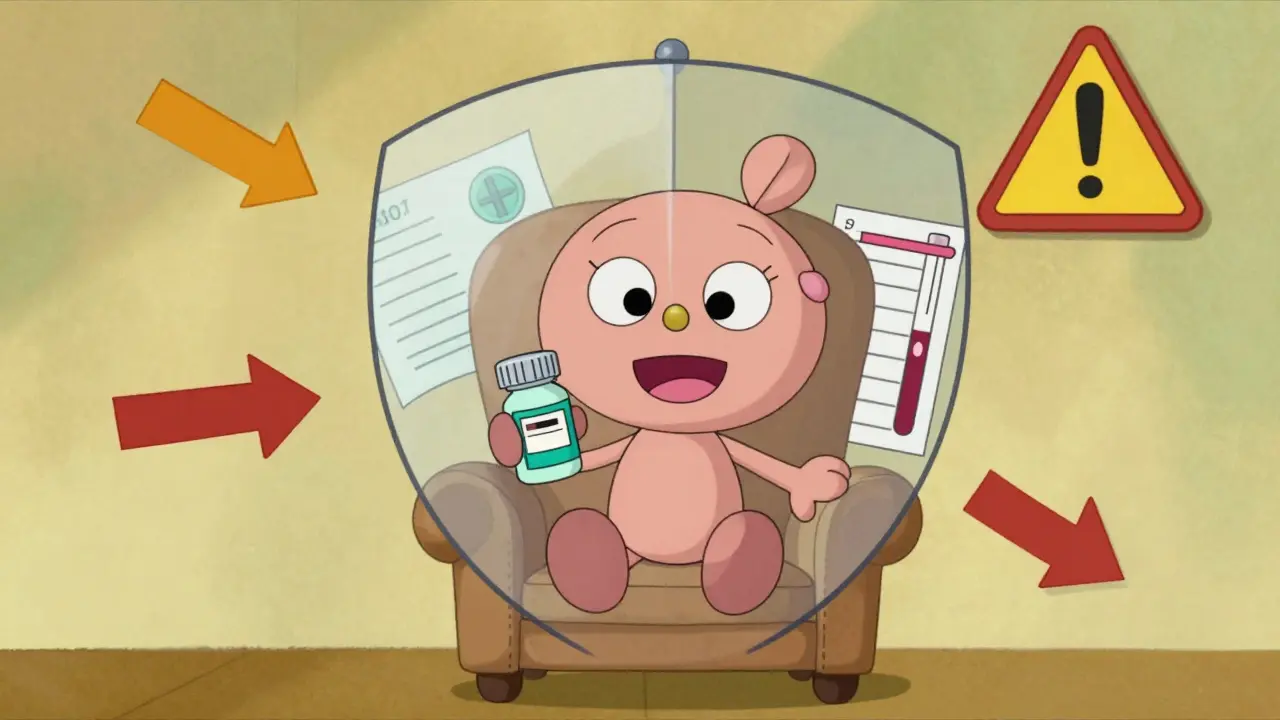
Is brand name always better? Not necessarily, but for some patients, it’s worth the extra cost. If you’ve experienced instability with generics, or if you’re on a complex regimen involving multiple NTI drugs, staying with the original brand might offer peace of mind.
Insurance companies often push for generics to save money. However, many plans allow exceptions for medical necessity. If you’ve had adverse effects from generic switches, ask your doctor to file a prior authorization for the brand-name drug. Documenting past issues strengthens your case.
Additionally, some specialty societies, like the American Academy of Neurology, recommend against automatic substitution of antiepileptic NTI drugs due to seizure control concerns. Following specialist guidelines can override general insurance policies.
The Bottom Line on NTI Drug Safety
The science says generic NTI drugs are generally safe and effective. The FDA’s real-world evidence supports this, showing no significant differences in outcomes for most patients. However, "most" doesn’t mean "all." Individual biology plays a huge role.
If you’re stable on a specific manufacturer, try to stay there. If a switch happens, monitor yourself closely. Communicate openly with your healthcare team. They’re your best resource for navigating these nuances.
Don’t let fear stop you from using generics-they make essential medicines affordable for millions. But don’t ignore your body’s signals either. When it comes to NTI drugs, vigilance is your best defense.
Are generic NTI drugs as safe as brand-name drugs?
Yes, according to the FDA, generic NTI drugs are therapeutically equivalent to brand-name versions. They undergo stricter bioequivalence testing (often 90-111% range vs. 80-125% for standard drugs). However, individual patients may react differently to minor variations in inactive ingredients or manufacturing processes, so close monitoring is recommended after any switch.
Which drugs are considered Narrow Therapeutic Index (NTI)?
Common NTI drugs include warfarin (blood thinner), levothyroxine (thyroid hormone), lithium (mood stabilizer), phenytoin and carbamazepine (seizure medications), digoxin (heart medication), and immunosuppressants like tacrolimus and cyclosporine. These drugs require precise dosing because small changes in blood levels can cause toxicity or treatment failure.
Can I refuse a generic substitution for my NTI drug?
In many cases, yes. You can request that your pharmacy dispense only the brand name or a specific generic manufacturer. Your doctor can also write "Dispense as Written" (DAW) on the prescription. However, insurance coverage may differ, and you might face higher out-of-pocket costs for brand-name drugs.
How soon should I test my blood levels after switching NTI manufacturers?
Timing depends on the drug. For warfarin, check your INR within a week of the switch. For levothyroxine, recheck TSH levels 4-6 weeks later. For lithium or antiepileptics, consult your doctor for a personalized timeline, but generally, testing within 1-2 weeks is prudent to catch any significant shifts early.
Do all states allow automatic generic substitution for NTI drugs?
No. As of 2022, 27 states have specific laws restricting or prohibiting automatic substitution for certain NTI drugs, particularly antiepileptics. Laws vary by state, so check your local regulations or ask your pharmacist about substitution rules in your area.