
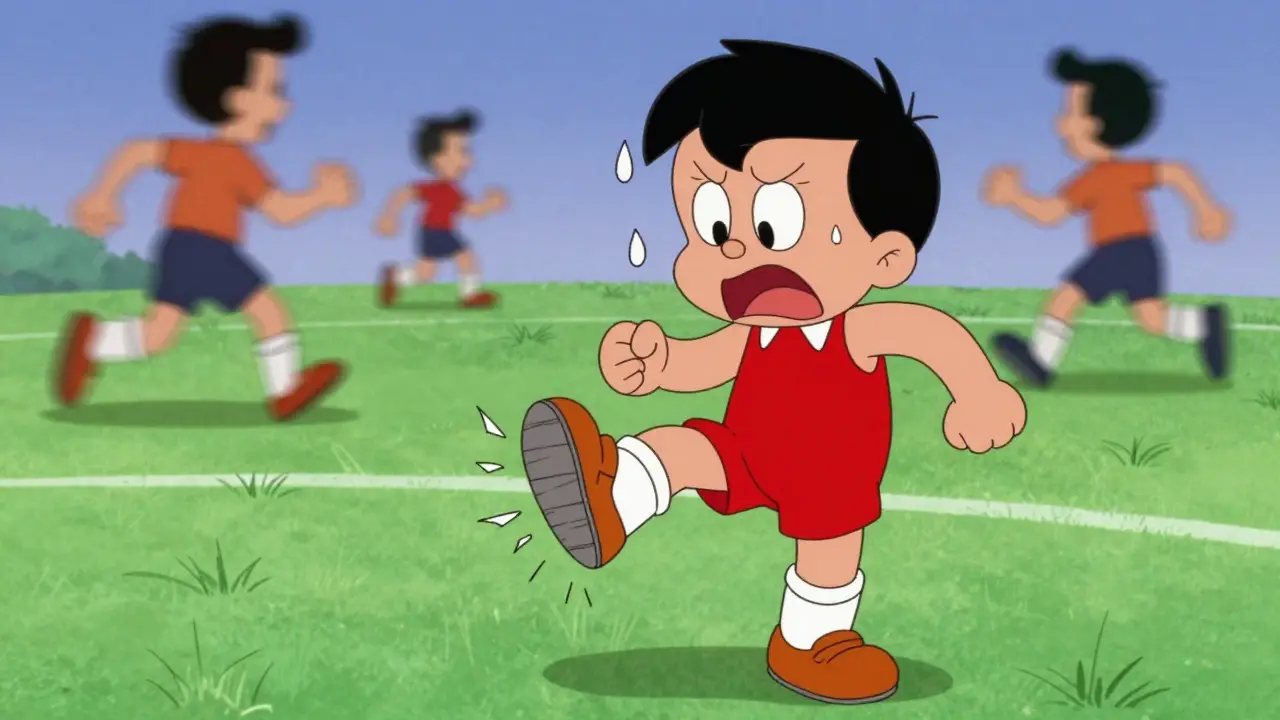
That sharp twist on the soccer field. The sudden pop in your knee while skiing. The immediate swelling that turns a weekend game into a nightmare of ice packs and crutches. If you are dealing with knee pain right now, you are likely staring down one of two common injuries: an ACL tear or a meniscus tear. Both hurt. Both limit movement. But they are fundamentally different problems requiring very different solutions.
Making the wrong call here can cost you months of recovery, thousands of dollars, or even long-term joint health. Do you need surgery? Can you heal this with physical therapy? When is it safe to return to sport? This guide cuts through the medical jargon to help you understand exactly what is happening inside your knee and how to make the best decision for your body.
Understanding Your Knee Structures
To treat the injury, you first need to know what broke. Your knee relies on two key structures for stability and shock absorption, and they serve completely different jobs.
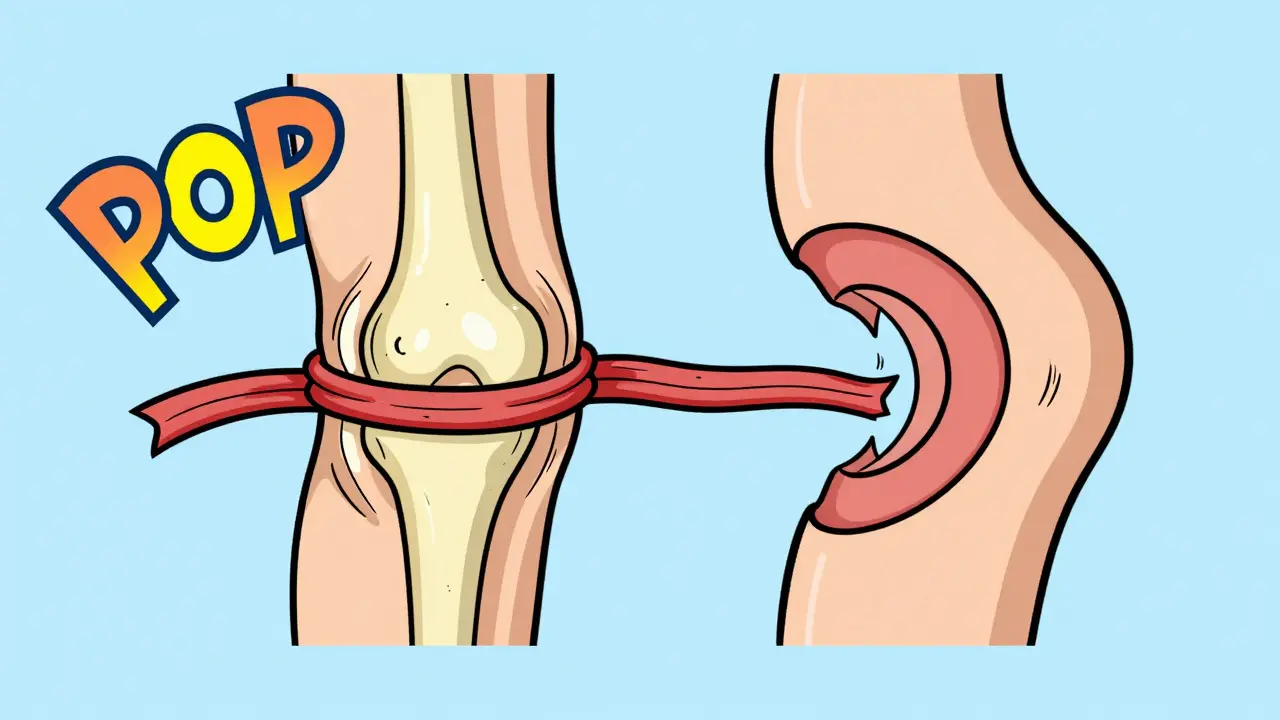
The Anterior Cruciate Ligament (ACL) is a strong band of tissue that prevents your shinbone from sliding forward relative to your thigh bone. It provides rotational stability. Without it, your knee feels 'loose' or unstable when you pivot or change direction. The ACL measures about 32mm in length and has a tensile strength of roughly 2,160 Newtons. It does not absorb shock; it controls motion.
The Meniscus is two C-shaped pieces of fibrocartilage that act as cushions between your thigh and shin bones. There is a medial meniscus (inner side) and a lateral meniscus (outer side). They distribute load and absorb impact. Think of them as the shock absorbers in your car’s suspension system. Unlike the ACL, the meniscus has some blood supply, particularly in its outer edge, which allows certain tears to heal on their own.
Spotting the Difference: Symptoms and Diagnosis
While both injuries cause pain and swelling, the way they present can help you and your doctor identify the culprit. However, do not self-diagnose. About 50% of ACL tears also involve meniscus damage, so professional evaluation via MRI is essential.
| Symptom | ACL Tear | Meniscus Tear |
|---|---|---|
| Sound at Injury | Loud 'pop' (90% of cases) | Usually silent or minor click |
| Swelling Timing | Rapid (within 2 hours) | Delayed (6-24 hours later) |
| Mechanical Issues | Knee giving way / instability | Locking, catching, or clicking |
| Pain Location | Deep inside the knee joint | Along the joint line (side of knee) |
| Common Mechanism | Non-contact pivoting/deceleration | Twisting while foot is planted |
If your knee swelled up like a balloon within an hour of injury, suspect the ACL. If your knee locks up and you cannot straighten it fully, suspect the meniscus. A physical exam using tests like the Lachman test (for ACL) or McMurray test (for meniscus) combined with an MRI confirms the diagnosis.
Surgical Decisions: To Operate or Not?
This is where most patients get confused. The old school of thought was 'tear = surgery.' Modern sports medicine takes a more nuanced approach based on your age, activity level, and the specific type of tear.
ACL Reconstruction
For active individuals under 40 who play pivoting sports (soccer, basketball, skiing), ACL reconstruction is surgery to replace the torn ligament with a graft. Non-surgical management leads to high rates of further instability and secondary injuries.
However, if you are over 40, sedentary, or only participate in low-impact activities (cycling, swimming), you might avoid surgery. Studies show that 35% of ACL tears in patients over 40 are managed non-surgically. The goal here is symptom management rather than restoring elite athletic function.
Meniscus Treatment
Here, the trend is shifting dramatically toward preservation. Only 30-40% of meniscus tears actually require surgery. The majority (60-70%) respond well to conservative care: rest, anti-inflammatories, and physical therapy.
If surgery is needed, the type matters immensely:
- Meniscus Repair: Stitching the tear back together. This preserves the cushion but requires a slow, strict rehabilitation. Success rates are high (89%) for tears in the vascular 'red-red' zone.
- Meniscectomy: Trimming away the torn piece. Recovery is fast (2-4 weeks), but removing meniscus tissue increases the risk of osteoarthritis by 14% for every 10% of meniscus removed.
Doctors prioritize repair whenever possible to protect your joint long-term. Delaying treatment beyond 3 months reduces repair eligibility by 60% due to tissue degeneration.
Recovery Timelines and Rehabilitation
Surgery is just the beginning. The real work happens in physical therapy. Rushing back is the number one cause of re-injury.
ACL Reconstruction Timeline:
Return to pivoting sports typically takes 9 months. Yes, nine months. Recent data from the MOON study shows that returning at 8 months increases re-injury rates by 18%. Your brain needs time to relearn how to control the new ligament.
- Weeks 0-2: Focus on full extension and reducing swelling.
- Weeks 3-6: Regain flexion and begin single-leg balance.
- Months 4-9: Sport-specific drills and agility training.
- Month 9+: Return to sport criteria must be met (strength symmetry >90%).
Meniscus Repair Timeline:
Repair is slower than trimming but faster than ACL. Expect 5-6 months before cutting and pivoting.
- Weeks 0-6: Brace locked at 0-90 degrees. Partial weight-bearing only.
- Weeks 7-12: Progressive weight-bearing and increased range of motion.
- Months 4-6: Cutting drills and return to light sport.
Meniscectomy Timeline:
This is the fastest recovery. Many people return to light activities in 2-4 weeks and full work duties in 3 weeks. However, 42% of patients report needing activity modifications at 6 months due to residual pain.
Costs and Practical Considerations
Knee surgery is expensive. Understanding the financial impact helps in planning.
- ACL Reconstruction: $15,000 - $25,000 (including facility fees, surgeon, anesthesia, and rehab).
- Arthroscopic Meniscectomy: $6,000 - $12,000.
- Meniscus Repair: $9,000 - $18,000.
Insurance coverage varies widely. Always check if your provider requires pre-authorization for 'elective' sports procedures. Also, consider the hidden costs: time off work, personal trainer sessions for home exercises, and potential travel for specialized follow-up care.
Long-Term Outlook: Osteoarthritis Risk
You must face the hard truth: any significant knee injury increases your risk of osteoarthritis later in life. The ACL and meniscus work together to protect the cartilage. When one fails, the other suffers.
Data indicates that 20-30% of patients develop osteoarthritis within 10 years after an ACL injury. For meniscectomy patients, the risk correlates directly with how much tissue was removed. This is why preserving the meniscus during ACL reconstruction is critical. If your meniscus is repairable, choose repair over removal, even if it means a longer initial recovery.
Prehabilitation-strengthening your quadriceps and hamstrings *before* surgery-can reduce postoperative weakness significantly. Aim for 6 weeks of targeted strengthening if you have been cleared to wait safely. Stronger muscles mean less stress on the healing tissues.
Can I walk on a torn meniscus?
It depends on the severity. Small tears may allow normal walking with mild discomfort. Large tears, especially bucket-handle tears that lock the knee, often make walking painful or impossible without a limp. If your knee locks, do not force it; see a doctor immediately.
Do I always need surgery for an ACL tear?
Not always. If you are older, less active, or do not participate in sports involving cutting or pivoting, you can manage an ACL tear with physical therapy and bracing. However, if you want to return to sports like soccer, basketball, or skiing, surgery is strongly recommended to prevent further joint damage.
What is the difference between meniscus repair and meniscectomy?
Repair involves stitching the torn edges together to let it heal, preserving the cushion. Meniscectomy involves trimming away the damaged part. Repair has a longer recovery (5-6 months) but protects against arthritis. Meniscectomy has a short recovery (weeks) but increases long-term arthritis risk.
How long until I can drive after knee surgery?
If you had surgery on your left knee and drive an automatic car, you might drive in 1-2 weeks once off narcotics. If you had surgery on your right knee, or drive a manual transmission, expect 4-6 weeks. Never drive while taking opioid pain medication.
Will my knee ever feel 'normal' again?
Most patients return to their previous activity levels. However, 'normal' might include occasional stiffness after heavy exercise or weather changes. With proper rehabilitation, functional stability is restored in 82-92% of ACL reconstructions. Accepting these minor sensations is part of the healing process.

Groman Neta
May 23, 2026 AT 19:01The author presents a rather pedestrian overview of orthopedic trauma, failing to acknowledge the nuanced biomechanical realities that dictate surgical outcomes. It is intellectually lazy to suggest that 'symptom management' is a viable long-term strategy for active individuals without addressing the progressive degeneration that occurs in unstable joints. The article’s reliance on broad statistics ignores the individual variability in graft healing and meniscal vascularity, which are critical factors in decision-making. Furthermore, the cost analysis is woefully incomplete, as it omits the significant economic burden of post-operative complications and the potential loss of earning capacity during extended rehabilitation periods. One must question the integrity of medical advice that prioritizes short-term convenience over long-term joint preservation, especially when the data clearly indicates that conservative management often leads to secondary injuries. The assertion that 35% of ACL tears in patients over 40 are managed non-surgically is misleading without context regarding their activity levels and pre-existing conditions. This piece serves more as a superficial primer than a comprehensive guide, lacking the depth required for informed consent discussions.
Lisa Russo
May 24, 2026 AT 19:42Everyone says you need surgery but I think PT works just fine for most people. My uncle tore his ACL and never got surgery and he runs marathons now so why would you listen to doctors who want your money. The article makes it sound scary but its really not that bad if you just rest it. Also meniscus tears heal themselves if you wait long enough so stop rushing into operations. People are too quick to cut things out these days instead of letting the body do its job. Its all about mindset really. If you believe you can heal you will. Science is just guessing anyway.
Gareth Tyler
May 26, 2026 AT 06:09i had acl reconstruction last year and honestly the rehab was harder than the surgery itself. people forget that part. you have to be dedicated every single day or you waste the surgery. i missed three months of work but i am back playing soccer now. do not rush back though. my friend came back at six months and re-tore it. it sucks but nine months is real. keep pushing through the pain because it gets better. stay strong everyone
Sharon O’Mahonh
May 26, 2026 AT 06:33oh my gosh this is such important info for us athletes out there! we always ignore our knees until they pop and then we panic. i love how it breaks down the difference between the acl and meniscus because nobody explains that well. i had a meniscus tear and my doc said repair not trim and thank god i listened because my knee feels great now after six months. if you are scared please talk to someone. we are in this together. your body is amazing and can heal if you give it the right tools like physio and good food. dont let the scaries win 💪✨
Jonhnnie john13
May 28, 2026 AT 01:32the statistical correlation between meniscectomy and osteoarthritis is frequently overstated in lay literature. while tissue removal does alter load distribution the clinical significance varies widely based on patient weight age and activity profile. furthermore the claim that delaying treatment reduces repair eligibility by 60% lacks specific citation to recent meta-analyses. many chronic tears remain stable and asymptomatic requiring no intervention whatsoever. the push for early surgical intervention is often driven by medico-legal concerns rather than pure physiological necessity. one should critically evaluate the source of such generalized assertions before making life-altering decisions. the nuance of cartilage biology is far more complex than simple shock absorber analogies suggest.
Anthony Padilla
May 29, 2026 AT 16:49hey guys i know this stuff sounds scary but trust me getting the right help is key. i messed up my knee playing cricket and thought i could walk it off. big mistake. went to see a specialist and found out i had a bucket handle tear. they fixed it up and now im back to normal. dont be shy about asking questions to your doctor. we all go through tough times with injuries but community support helps a lot. if anyone needs tips on exercises let me know ill share what worked for me. stay positive folks!
Elizabeth Fandry
May 29, 2026 AT 19:11It is truly fascinating how the human body, in its exquisite fragility, demands such rigorous adherence to protocol 🧠🦴. The dichotomy between the structural integrity of the ACL and the cushioning prowess of the meniscus mirrors the philosophical tension between rigidity and adaptability in our own lives. To ignore the signs of mechanical failure is to invite chaos into the ordered system of our existence. One must contemplate the existential weight of a locked knee; it is a physical manifestation of stagnation. Embrace the rehabilitation process as a sacred journey of self-discovery and resilience. The pain is merely the universe reminding you of your mortality and the preciousness of movement. Do not succumb to the mediocrity of partial recovery. Aim for transcendence through disciplined effort. Your knee deserves nothing less than absolute devotion. 🙏💫
Madeline Petes
May 30, 2026 AT 02:40I cant believe how expensive this stuff is!! $25k for acl?? thats insane. i hope insurance covers it. i twisted my knee last week and its swelling up fast so im worried it might be acl. the pop sound was loud like the article said. im gonna go to the er tomorrow. fingers crossed its just a sprain but if not im ready to fight for my health. anyone else dealing with high costs? lets support each other through this mess. we got this!
Ramanath Rao
May 31, 2026 AT 18:35This article is completely useless for people in developing countries where access to MRI and specialized surgeons is limited. You speak of $25,000 surgeries as if it is common sense, but millions cannot even afford basic painkillers. The focus on 'return to sport' is elitist nonsense. Most people just want to walk without pain. Why do Western medical models dominate global discourse without considering socioeconomic realities? We need affordable solutions, not luxury treatments. Stop preaching about prehabilitation when people lack basic healthcare infrastructure. It is arrogant and disconnected from the truth of global health disparities. Fix the system first, then talk about knee mechanics.
irine sabrina
June 2, 2026 AT 13:29I hear you all and I understand the frustration some of you feel. It is a very difficult situation whether you are facing surgery or just trying to manage pain. Please remember that every person's journey is unique and valid. There is no shame in seeking help or taking time to heal. Let us create a space where we can share our experiences without judgment. Whether you choose surgery or therapy, what matters is that you are doing what is best for your body and mind. I am here to listen and support you through this challenging time. You are not alone in this. ❤️