Alcohol-Medication Interaction Checker
Search Medications
Quick Categories:
You pour a glass of wine after a long day. You take your evening pill. It feels harmless enough, right? For many people, this routine is second nature. But for millions of others, that simple combination is a recipe for disaster. Alcohol-medication interactions are potentially life-threatening combinations where consuming alcohol while taking prescription drugs, over-the-counter medications, or herbal remedies alters how these substances work in your body. The result isn't just a worse hangover; it can be amplified side effects, reduced therapeutic efficacy, or even toxic reactions that lead to hospitalization.
The numbers are staggering. According to the National Institute on Alcohol Abuse and Alcoholism (NIAAA), an estimated 40% of adults took a medication in the past year that could interact negatively with alcohol. About 5-6% of regular drinkers are prescribed sedative-hypnotic or opioid drugs for at least 30 days-combinations that experts warn can be deadly. If you are wondering whether your nightly drink is safe with your current prescriptions, you are not alone. Understanding the mechanics of these interactions is the first step toward staying safe.
How Alcohol Changes How Your Body Processes Medicine
To understand why mixing drinks and drugs is risky, we need to look at what happens inside your body. It’s not magic; it’s chemistry. There are three primary ways alcohol messes with your medications: pharmacokinetic interactions, pharmacodynamic interactions, and direct toxic reactions.
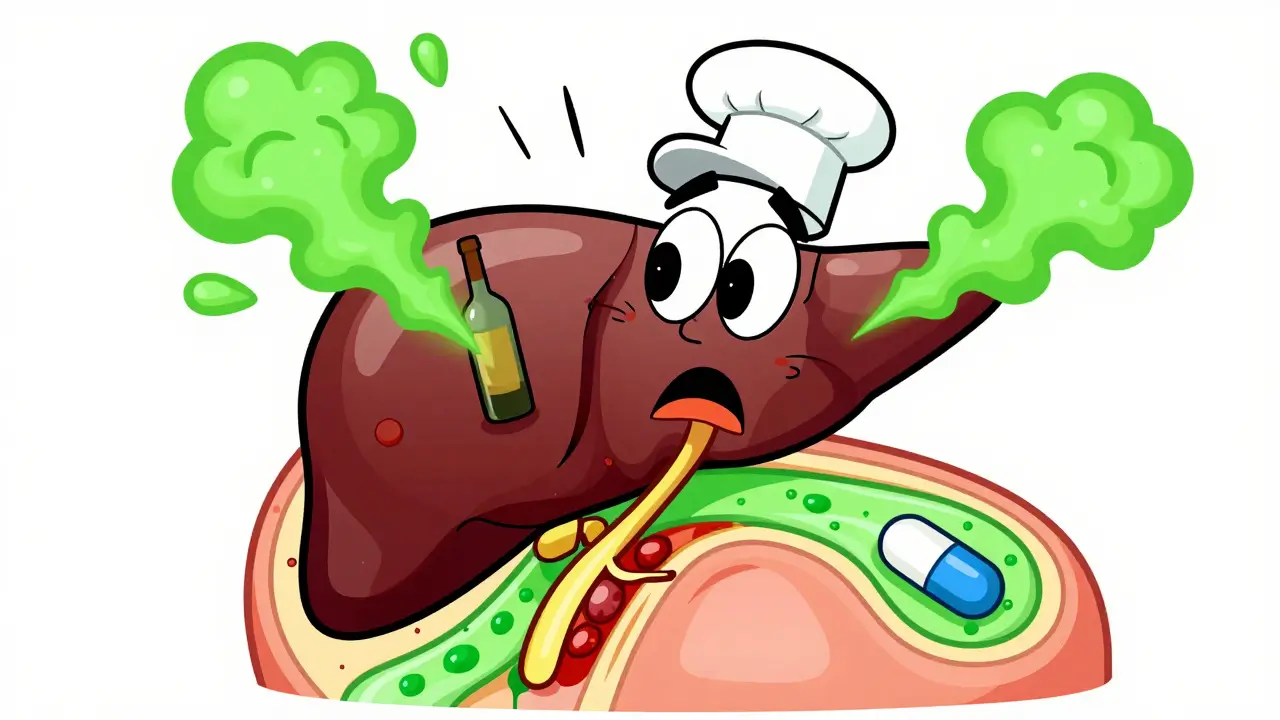
Pharmacokinetic interactions occur when alcohol changes how your body absorbs, distributes, metabolizes, or excretes a drug. Think of your liver as a busy factory processing two different products at once. Both alcohol and many medications are processed by the liver, specifically by enzymes like CYP2E1. When they compete for the same enzymatic pathways, one process gets slowed down or sped up unpredictably. This means the drug might stay in your system longer than intended, leading to toxicity, or it might be cleared too quickly, rendering it useless.
Pharmacodynamic interactions happen when alcohol and the medication produce additive or synergistic effects on the same body systems. For example, if a medication makes you drowsy and alcohol also makes you drowsy, the combination doesn’t just add up-it multiplies the effect. This synergy can depress your central nervous system (CNS) to dangerous levels, slowing your breathing and heart rate.
Then there are direct toxic reactions, where alcohol and the medication combine to form harmful compounds. This is less about competition and more about chemical warfare within your cells. These mechanisms explain why the same glass of beer can have vastly different consequences depending on which pill you swallowed earlier that day.
The Liver Danger Zone: Acetaminophen and NSAIDs
Your liver is the hardest worker in your body, but it has limits. One of the most common and dangerous interactions involves acetaminophen (known as Tylenol in the US). When you consume alcohol with acetaminophen, your liver produces a toxic metabolite called NAPQI. Normally, your body neutralizes NAPQI using glutathione, an antioxidant. However, alcohol depletes your glutathione stores. Without enough glutathione, NAPQI builds up and causes acute liver failure.
The U.S. Food and Drug Administration (FDA) reports that acetaminophen overdose, often involving alcohol, accounts for approximately 56,000 emergency room visits, 26,000 hospitalizations, and 458 deaths annually in the United States. Many of these cases aren't intentional overdoses; they are accidental results of combining standard doses of painkillers with social drinking.
What about other pain relievers? Non-steroidal anti-inflammatory drugs (NSAIDs) like ibuprofen (Advil) and naproxen (Aleve) pose a different threat. A 2017 meta-analysis published in the Journal of Clinical Gastroenterology found that combining alcohol with NSAIDs increases the risk of gastrointestinal bleeding by 3-5 times. Alcohol irritates the stomach lining, and NSAIDs reduce the protective mucus layer. Together, they create a perfect storm for ulcers and internal bleeding.
| Medication Type | Brand Examples | Primary Risk with Alcohol | Severity Level |
|---|---|---|---|
| Acetaminophen | Tylenol | Liver failure due to NAPQI toxicity | High / Life-Threatening |
| NSAIDs | Advil, Aleve | Gastrointestinal bleeding and ulcers | Moderate to High |
| Aspirin | Bayer | Stomach irritation and bleeding risk | Moderate |
CNS Depressants: The Silent Killers
If liver damage is a slow burn, central nervous system (CNS) depression is a sudden crash. CNS depressants include opioids, benzodiazepines, sleep aids, and muscle relaxants. These drugs slow down brain activity. Alcohol does the exact same thing. When you mix them, the effect is synergistic, meaning the combined impact is greater than the sum of its parts.
Consider benzodiazepines like alprazolam (Xanax) or diazepam (Valium). A 2019 study in the Journal of Substance Abuse Treatment found that combining benzodiazepines with alcohol increases the risk of overdose by 24 times. The Illinois Poison Center warns that this combination can depress respiratory function to fatal levels. You might feel fine initially, but your breathing can slow down so much that your body stops getting enough oxygen, often while you are asleep.
Opioids such as methadone, codeine, and oxycodone carry similar risks. The CDC reported that 20% of overdose deaths involving opioids in 2020 also involved alcohol. The FDA removed hydromorphone extended-release capsules (Palladone) from the market in 2005 after studies revealed a "dose-dumping" effect. When administered with alcoholic beverages, peak hydromorphone concentrations increased two- to sixfold, releasing the entire dose into the bloodstream at once rather than slowly over time. This rapid release is frequently fatal.
Even seemingly mild sedatives like antihistamines (e.g., diphenhydramine/Benadryl) intensify drowsiness and dizziness when mixed with alcohol. GoodRx documents that this combination significantly impairs coordination and reaction time, making activities like driving extremely dangerous.
Antibiotics and the Disulfiram-Like Reaction
You’ve probably heard the warning: don’t drink on antibiotics. But is it true for all of them? The answer is nuanced. Most antibiotics do not have severe interactions with alcohol, but some do, and the consequences can be miserable.
Metronidazole (Flagyl) is the poster child for this interaction. It causes a disulfiram-like reaction when mixed with alcohol. Symptoms include severe nausea, vomiting, flushing, headache, and palpitations. It’s essentially a forced withdrawal symptom triggered by the presence of alcohol in your system. The Illinois Poison Center advises patients to wait at least 72 hours after completing a course of metronidazole before consuming any alcohol.
Other antibiotics like azithromycin may not cause violent physical reactions, but alcohol can exacerbate gastrointestinal side effects like diarrhea and stomach upset. Since antibiotics already stress your digestive system, adding alcohol can prolong recovery and make you feel significantly worse. While it might not kill you, it certainly won’t help you heal faster.
Mental Health Medications: SSRIs and ADHD Drugs
Mental health treatments require consistency, and alcohol undermines that stability. Selective serotonin reuptake inhibitors (SSRIs) like fluoxetine (Prozac) and sertraline (Zoloft) are designed to balance neurotransmitters in your brain. Alcohol, however, is a depressant that disrupts this balance. Mixing the two can worsen depression symptoms, increase anxiety, and reduce the overall effectiveness of the medication.
For those taking ADHD medications like Adderall or Ritalin, the interaction is complex. Stimulants mask the sedative effects of alcohol, leading people to drink more than they realize. This creates a false sense of sobriety while blood alcohol levels rise dangerously high. Furthermore, both stimulants and alcohol strain the cardiovascular system, increasing the risk of heart problems, high blood pressure, and poor concentration.
The Substance Abuse and Mental Health Services Administration (SAMHSA) reports that individuals with co-occurring mental health disorders and substance use disorders experience alcohol-medication interactions at rates 3.5 times higher than the general population. This highlights the critical need for honest conversations between patients and providers about alcohol use.
Vulnerable Populations: Age, Gender, and Genetics
Not everyone reacts to alcohol and medication combinations the same way. Several demographic factors significantly elevate risk.
Older Adults: People aged 65 and older are at particularly high risk. Dr. Aaron White, NIAAA's Senior Scientific Advisor, notes that age-related physiological changes affect both alcohol and medication metabolism. The CDC's 2022 National Health Interview Survey found that adults aged 65+ fill an average of 14 prescriptions annually, with 82% reporting at least one potentially dangerous alcohol-medication combination. The Beers Criteria, updated in 2019 by the American Geriatrics Society, lists 30 medications with potentially inappropriate use in older adults due to alcohol interaction risks, including benzodiazepines and first-generation antihistamines.
Women: Women face elevated risks due to lower body water content and different alcohol metabolism rates. The NIAAA reports that women achieve higher blood alcohol concentrations than men after consuming equivalent amounts. This intensifies medication interactions, making even moderate drinking more dangerous for women on certain prescriptions.
Genetics: Emerging research in pharmacogenetics shows promise in predicting individual susceptibility. Testing for CYP2E1 enzyme variants can identify patients at 4.7 times greater risk for acetaminophen-alcohol hepatotoxicity. While not yet standard practice, this personalized approach could revolutionize how doctors prescribe pain management.
Practical Steps to Stay Safe
So, what should you do? Ignorance is not bliss when it comes to your health. Here are actionable steps to protect yourself:
- Read the Label: The FDA requires alcohol interaction warnings on approximately 100 prescription medications and 700 over-the-counter drugs. Look for sections titled "Warnings" or "Precautions."
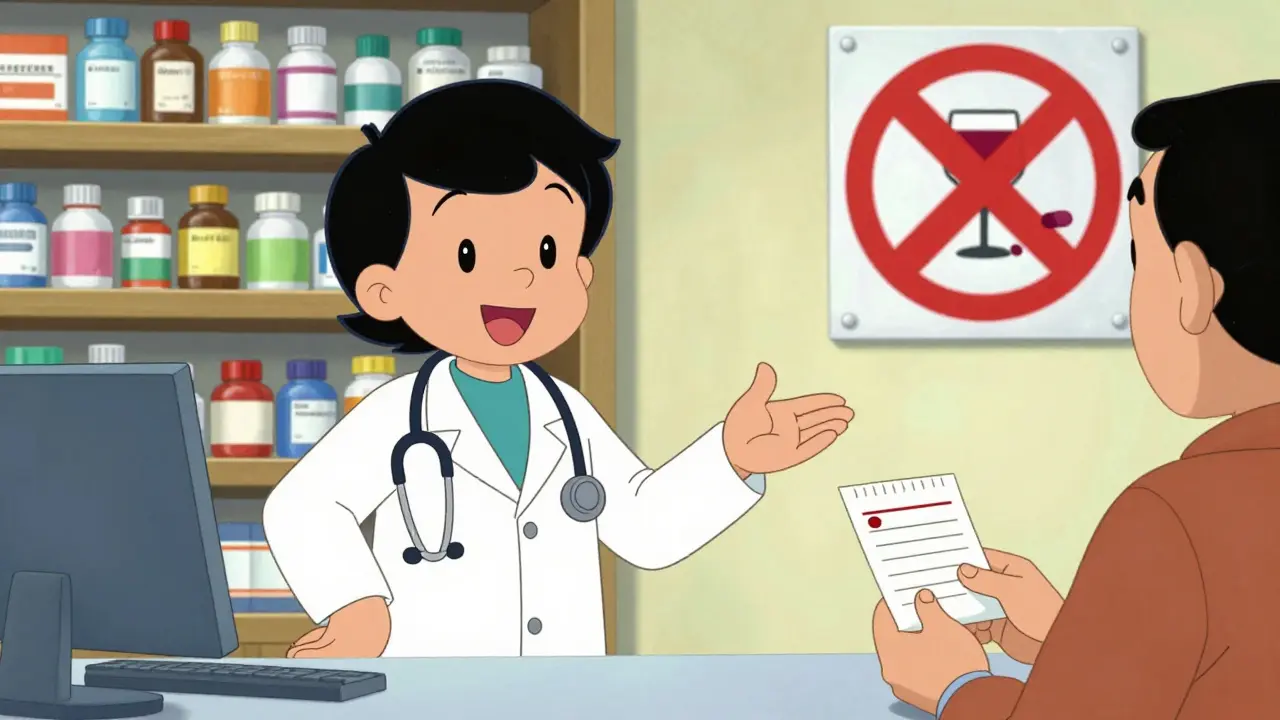
- Ask Your Pharmacist: Pharmacists are medication experts. The American Pharmacists Association reports that 70% of pharmacists encounter patients daily who are unaware of dangerous combinations. Don’t hesitate to ask, "Can I drink alcohol with this?"
- Use Screening Tools: Healthcare professionals should use tools like the AUDIT-C to assess alcohol use patterns during consultations. If your doctor doesn’t ask, bring it up.
- Wait It Out: For antibiotics like metronidazole, wait at least 72 hours after finishing the course before drinking.
- Limit Consumption: If your doctor approves limited drinking, stick to one standard drink per day. Avoid binge drinking entirely.
- Monitor for Symptoms: Watch for unusual drowsiness, dizziness, rapid heartbeat, or stomach pain. If you experience these, stop drinking and seek medical attention.
The American Medical Association’s 2023 policy update mandates that physicians document alcohol use screening for all patients prescribed medications with known interactions. Electronic health record systems like Epic now include hard-stop alerts when providers attempt to prescribe high-risk medications to patients with documented alcohol use. These systemic changes reflect a growing recognition of the severity of this issue.
When to Seek Emergency Help
If you or someone else has mixed alcohol with medication and experiences any of the following, call emergency services immediately:
- Difficulty breathing or slowed respiration
- Unresponsiveness or inability to wake up
- Severe confusion or agitation
- Vomiting blood or material that looks like coffee grounds
- Seizures
- Chest pain or irregular heartbeat
Do not wait to see if symptoms pass. Time is critical in cases of overdose or severe allergic reactions.
Can I drink alcohol with ibuprofen?
Mixing alcohol with ibuprofen increases the risk of gastrointestinal bleeding by 3-5 times. While occasional light drinking might not cause immediate harm for everyone, regular consumption significantly raises the risk of ulcers and internal bleeding. It is best to avoid combining them, especially if you have a history of stomach issues.
How long should I wait to drink after taking antibiotics?
For most antibiotics, there is no strict waiting period, but alcohol can worsen side effects like nausea. However, for metronidazole (Flagyl), you must wait at least 72 hours after completing the full course of medication before consuming alcohol to avoid a severe disulfiram-like reaction.
Is it safe to drink with antidepressants?
Drinking alcohol with SSRIs can worsen depression and anxiety symptoms and reduce the medication's effectiveness. While not always life-threatening, it undermines the treatment goal. Consult your psychiatrist for personalized advice, but generally, limiting or avoiding alcohol is recommended.
Why is mixing alcohol with opioids so dangerous?
Both alcohol and opioids are central nervous system depressants. When combined, they have a synergistic effect that can severely slow down breathing and heart rate. This can lead to respiratory failure, coma, and death. The CDC reports that alcohol is present in 20% of opioid overdose deaths.
Does age affect how my body handles alcohol and meds?
Yes, significantly. Older adults (65+) metabolize alcohol and medications more slowly due to age-related physiological changes. They also tend to take more prescriptions. The CDC notes that 82% of adults over 65 report at least one potentially dangerous alcohol-medication combination, making them a high-risk group.
What are the signs of an alcohol-medication interaction?
Signs can vary but often include extreme drowsiness, dizziness, confusion, rapid heartbeat, difficulty breathing, nausea, vomiting, and in severe cases, loss of consciousness. If you experience any of these after mixing alcohol and medication, seek medical help immediately.
Can herbal supplements interact with alcohol?
Yes, herbal remedies can also interact with alcohol. St. John's Wort, valerian root, and kava can enhance the sedative effects of alcohol or interfere with liver enzymes that process medications. Always treat herbal supplements with the same caution as prescription drugs when considering alcohol consumption.