
Hot flashes that wake you up at 3 a.m. are exhausting. They drain your energy, mess with your sleep, and make you feel like you’re losing control of your own body. For decades, the standard advice was to just "tough it out" or take antidepressants that only helped half the time. But there is another option: Hormone Replacement Therapy (HRT), a treatment that replenishes declining hormone levels to alleviate these symptoms.
If you’ve heard horror stories about heart attacks and cancer linked to HRT, you aren’t alone. Those fears stem from outdated studies published over twenty years ago. The medical landscape has shifted dramatically since then. Today, leading health organizations emphasize that for many women-especially those under 60 or within ten years of menopause-the benefits of HRT often outweigh the risks when used correctly. Understanding how to use it safely requires looking past the headlines and focusing on the data, the delivery methods, and the specific monitoring protocols that keep you protected.
How HRT Works and Why Timing Matters
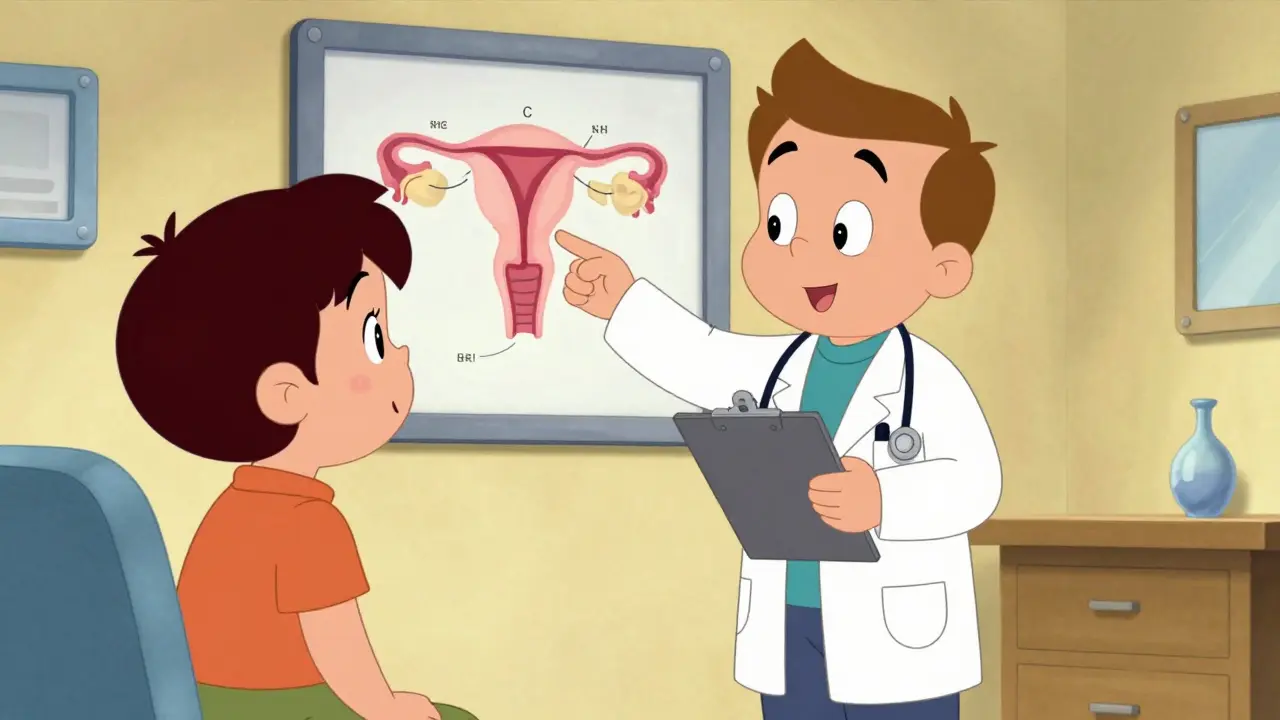
To understand why HRT works, you first need to look at what happens during menopause. Your ovaries stop producing significant amounts of estrogen and a primary female sex hormone that regulates the menstrual cycle and supports bone density. This drop triggers vasomotor symptoms like hot flashes and night sweats, but it also affects your bones, skin, and cardiovascular system. HRT replaces these missing hormones.
The most critical factor in HRT success is timing. This concept, known as the timing hypothesis (the theory that starting HRT before age 60 or within 10 years of menopause onset maximizes benefits while minimizing risks)., suggests that your body responds differently depending on when you start treatment. According to the North American Menopause Society (NAMS), initiating HRT early helps prevent coronary heart disease and osteoporotic fractures. If you wait until you are older, say in your 70s, the risks may outweigh the benefits because your blood vessels have already undergone age-related changes.
There are two main types of HRT formulations:
- Estrogen Therapy (ET): Used for women who have had a hysterectomy (removal of the uterus). Since there is no uterus, there is no risk of endometrial cancer.
- Estrogen-Progestogen Therapy (EPT): Required for women with an intact uterus. Estrogen alone can cause the uterine lining to thicken, increasing the risk of endometrial hyperplasia and cancer. Adding progestogen protects the uterus.
Delivery Methods: Pills vs. Patches
Not all HRT is created equal. How you take the medication matters just as much as the dose. You have several options, each with different safety profiles.
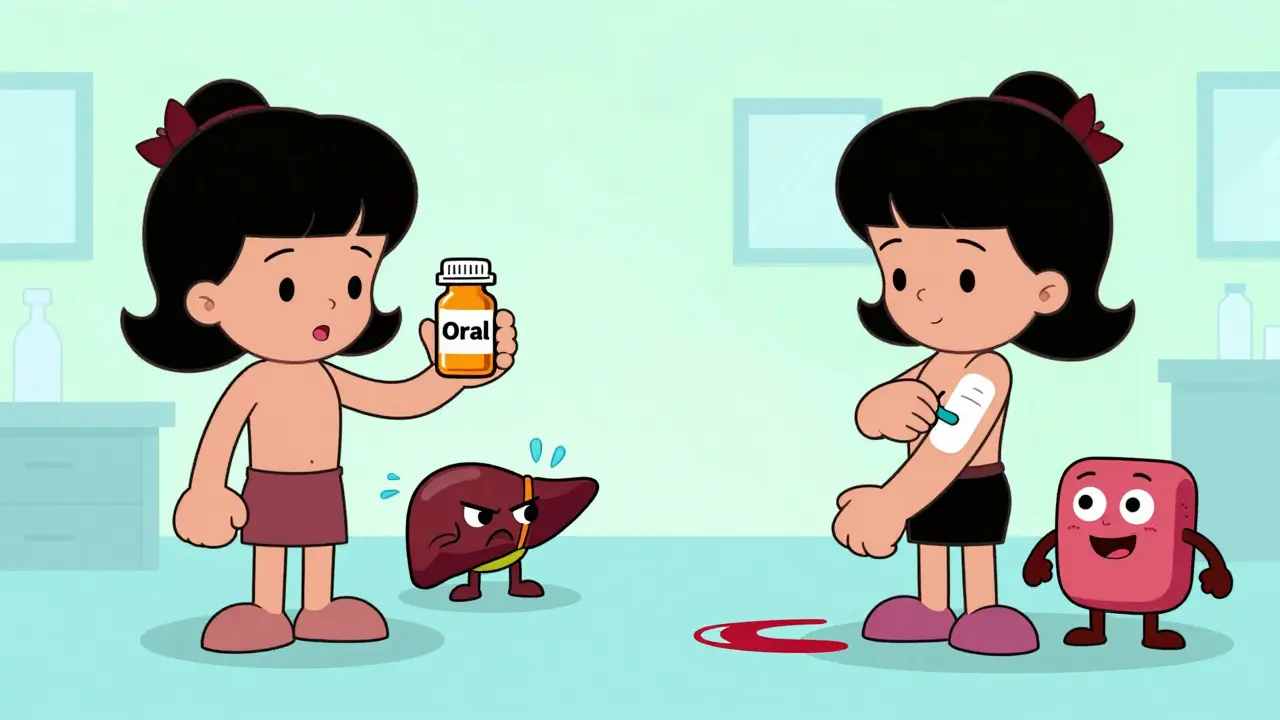
Oral Estrogen: This is the traditional pill form. It passes through your liver, which can increase the production of clotting factors. While effective, this route carries a higher risk of venous thromboembolism (blood clots) compared to other methods.
Transdermal Estrogen: This includes patches, gels, and sprays applied to the skin. Because the hormone enters your bloodstream directly, bypassing the liver, it significantly lowers the risk of blood clots. A 2018 systematic review found that transdermal estrogen carries a 1.5- to 2-fold lower risk of venous thromboembolism than oral estrogen. For women with a history of migraines or high triglycerides, this is often the preferred choice.
| Method | Absorption Route | Blood Clot Risk | Convenience |
|---|---|---|---|
| Oral Pills | Digestive System / Liver | Moderate to High | High (Daily) |
| Transdermal Patch | Skin / Bloodstream | Low | Medium (Weekly/Bi-weekly) |
| Topical Gel/Spray | Skin / Bloodstream | Low | High (Daily application) |
| Vaginal Ring/Tablet | Local Tissue | Negligible (Systemic absorption is low) | High (Monthly/Weekly) |
Vaginal Estrogen: Rings, tablets, or creams deliver low doses locally. These are excellent for treating vaginal dryness and urinary symptoms without significantly raising systemic hormone levels. They do not treat hot flashes but are very safe for long-term use.
Understanding the Real Risks
The fear surrounding HRT largely comes from the Women’s Health Initiative (WHI) study published in 2002. That study suggested increased risks of breast cancer, heart disease, and stroke. However, later analyses revealed flaws in the study design, particularly regarding the age of participants and the type of hormones used. Modern guidelines have corrected these misconceptions.
Breast Cancer Risk: The risk is primarily associated with combined estrogen-progestogen therapy (EPT) and increases with duration of use. The Endocrine Society notes that the absolute risk remains low-approximately 8 additional cases per 10,000 women-years. Using micronized progesterone instead of synthetic progestins like medroxyprogesterone acetate may further reduce this risk. Estrogen-only therapy (for women without a uterus) shows little to no increased risk of breast cancer in some studies.
Cardiovascular Health: When started before age 60, HRT can actually reduce the risk of coronary heart disease by about 32%. It does not, however, reverse existing heart disease. If you already have diagnosed cardiovascular issues, HRT is generally not recommended for prevention.
Blood Clots and Stroke: As mentioned, oral estrogen increases the risk of deep vein thrombosis (DVT) and pulmonary embolism. Transdermal methods mitigate this risk significantly. Stroke risk is slightly elevated with HRT, but the absolute number of events remains small in healthy, younger menopausal women.
Monitoring Protocols for Safety
You cannot set HRT and forget it. Proper monitoring ensures you stay within the therapeutic window where benefits outweigh risks. Here is what your care plan should include:
- Baseline Assessment: Before starting, you need a mammogram, pelvic exam, blood pressure check, and BMI calculation. Discuss your family history of breast cancer, blood clots, and heart disease.
- Three-Month Follow-Up: Assess symptom relief and side effects. Adjust the dose if needed. The goal is the lowest effective dose for the shortest duration necessary.
- Annual Check-Ups: Include blood pressure checks, weight monitoring, and breast exams. Continue annual mammograms as recommended by your doctor.
- Bleeding Evaluation: Irregular bleeding is common in the first six months of cyclic EPT. If bleeding persists beyond six months or occurs post-menopause, you must see your doctor immediately to rule out endometrial pathology.
The FDA updated its labeling in 2022 to reflect these nuanced risks, removing blanket warnings that previously discouraged appropriate use for symptomatic women under 60.
Bioidentical vs. Synthetic Hormones
You might hear the term "bioidentical hormones" marketed as a safer, natural alternative. Bioidentical hormones are molecularly identical to human hormones, such as 17β-estradiol and micronized progesterone. Synthetic hormones, like conjugated equine estrogens (Premarin), are chemically altered.
While bioidentical hormones sound appealing, the Endocrine Society states there is insufficient evidence that compounded bioidenticals (custom-mixed by pharmacies) are safer or more effective than FDA-approved bioidentical products. Compounded versions lack rigorous testing for purity and dosage accuracy. Stick to FDA-approved bioidentical options like estradiol patches or micronized progesterone pills, which offer the safety profile of bioidentical chemistry with the quality control of regulated pharmaceuticals.
Alternatives to HRT
If HRT isn’t right for you due to contraindications like a history of breast cancer or blood clots, non-hormonal options exist. Selective serotonin reuptake inhibitors (SSRIs) and serotonin-norepinephrine reuptake inhibitors (SNRIs) can reduce hot flashes by 50-60%, compared to HRT’s 80-90% reduction. Other options include gabapentin, clonidine, and cognitive behavioral therapy (CBT) for managing sleep disturbances and mood changes. While less effective for severe vasomotor symptoms, they provide a viable path for those who cannot take hormones.
Can I take HRT if I have a history of breast cancer?
Generally, no. Systemic HRT is contraindicated for women with a history of hormone-receptor-positive breast cancer. However, local vaginal estrogen may be considered in consultation with your oncologist for severe urogenital symptoms, as systemic absorption is minimal.
How long should I stay on HRT?
There is no fixed expiration date. Many women use HRT for 3 to 5 years. Some continue longer if symptoms persist and risks remain low. The key is annual reassessment. If you tolerate it well and have no new risk factors, continuing may be beneficial for bone and heart health.
Does HRT cause weight gain?
Current research does not support the idea that HRT causes significant weight gain. In fact, by improving sleep and reducing hot flashes, it may help maintain metabolic health. Weight changes during menopause are more likely due to age-related muscle loss and lifestyle factors than hormone therapy itself.
Is transdermal estrogen better than oral pills?
For women concerned about blood clots, high triglycerides, or migraine headaches, yes. Transdermal estrogen bypasses the liver, reducing the risk of venous thromboembolism and avoiding spikes in clotting factors. It is often the preferred method for modern prescribing.
What are the signs that HRT dosage is too high?
Signs of excessive estrogen include breast tenderness, bloating, nausea, headaches, and mood swings. If you experience these, contact your provider. They may lower your dose or switch your delivery method to find a more comfortable balance.