You probably check the date on your prescription bottle before popping a pill. If it’s past that date, you toss it. That’s standard practice for most of us, driven by strict pharmacy regulations and a healthy dose of caution. But what if I told you that the U.S. military has been quietly proving that many drugs stay potent for years-sometimes over a decade-past their printed expiration dates? This isn’t just a theory; it’s backed by decades of data from the Shelf-Life Extension Program (SLEP), a federal initiative that challenges everything we think we know about drug stability.
The core problem is simple: pharmaceutical manufacturers set conservative expiration dates to guarantee safety and efficacy under worst-case scenarios. They aren’t necessarily saying the drug goes bad the next day. The military, however, can’t afford to throw away billions of dollars’ worth of medical stockpiles every few years when those meds might still work perfectly. So, they built a system to test reality against the label. Here’s what that tells us about the pills in your cabinet.
The Reality Behind Expiration Dates
When a drug company slaps an expiration date on a box, they’re usually basing it on accelerated stability studies. These tests push products through heat and humidity to predict how long they’ll last under normal conditions. To be safe, companies often add a buffer, resulting in typical shelf lives of two to three years. It’s a legal shield more than a biological cliff.
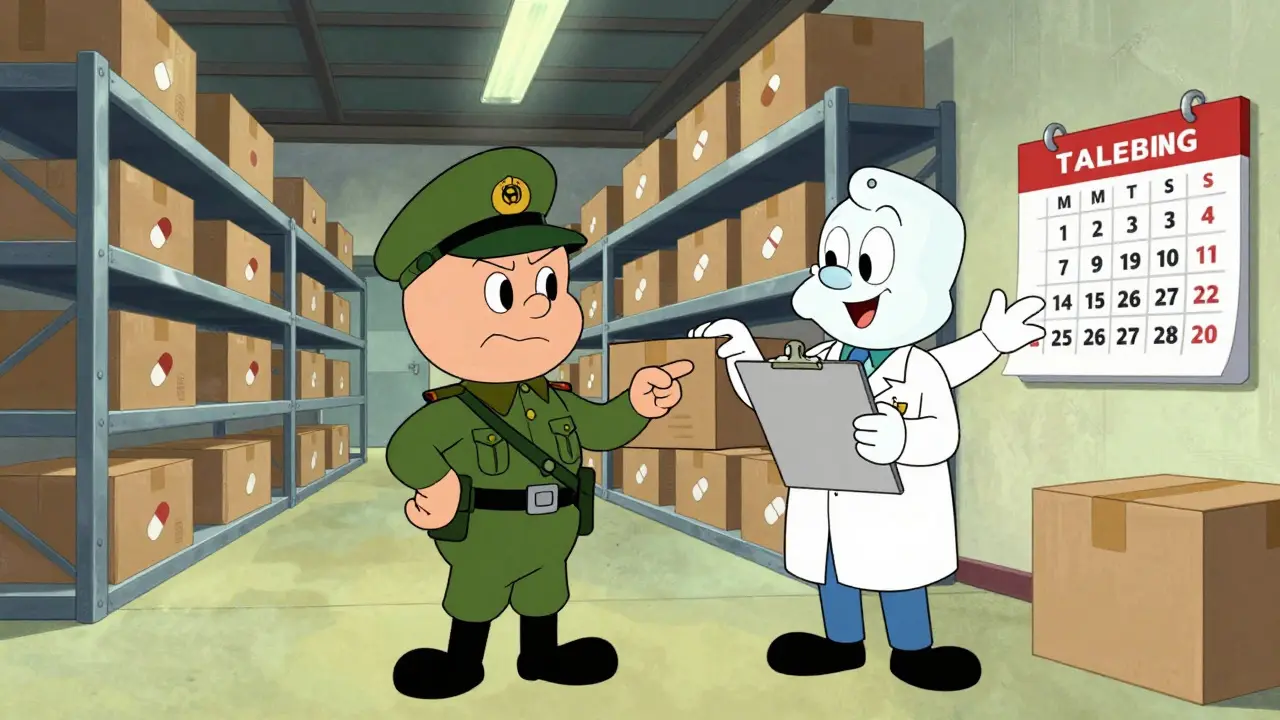
The SLEP flips this script. Established in 1986, this program allows the U.S. Department of Defense and other federal agencies to extend the labeled shelf life of certain stockpiled medicines after rigorous testing. Unlike commercial pharmacies that discard products at the drop of a hat, the military uses a scientific approach to determine if a drug is still good. The result? Many medications remain stable well beyond their original dates, provided they’ve been stored correctly.
How the Military Tests Drug Stability
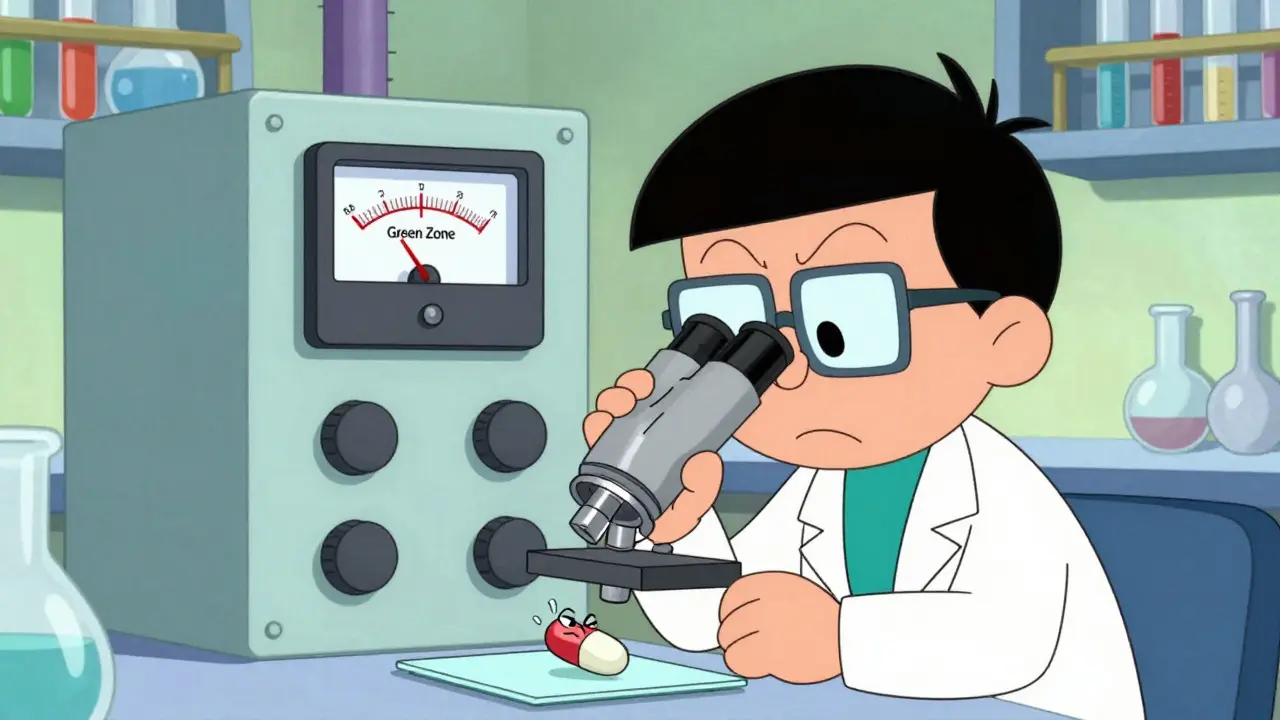
You might wonder how they do this without risking soldiers’ health. The process is surprisingly methodical. Administered by the DoD but executed with heavy involvement from the Food and Drug Administration (FDA), the program relies on periodic sampling. When a batch of medication nears its expiration, samples are pulled from the stockpile and sent to FDA laboratories. Scientists then analyze these samples using high-precision techniques to measure potency and degradation.
The bar for passing is high. A product must retain at least 85% of its original potency to qualify for an extension. This isn’t a casual glance; it’s a deep chemical dive. If the drug meets this threshold, the FDA issues a new expiration date, often adding one to three years to the original timeline. This cycle can repeat, meaning some lots have received multiple extensions, pushing their usable life far into the future.
What the Data Actually Says
Let’s look at the numbers, because they are striking. A landmark study published in the Journal of Pharmaceutical Sciences in 2006 analyzed 122 different drug products tested under SLEP protocols. The findings were counterintuitive to the average consumer: 88% of those drugs remained stable beyond their labeled expiration dates. Some held up for more than 15 years past the date on the box.
This isn’t an isolated incident. According to Government Accountability Office reports, SLEP has extended the shelf life of approximately 2,500 different drug products. Between 2005 and 2015 alone, this saved the federal government an estimated $2.1 billion. Contrast that with the civilian sector, where roughly $1.7 billion worth of pharmaceuticals are discarded annually due to rigid expiration adherence. The military proves that proper storage matters more than the calendar.
| Feature | Commercial Practice | Military SLEP Approach |
|---|---|---|
| Expiration Basis | Manufacturer stability studies with safety buffers | Periodic laboratory testing of actual stockpile samples |
| Typical Shelf Life | 2-3 years | Can extend by 1-3 years per cycle, repeatedly |
| Action at Expiry | Discard product | Test sample; extend if >85% potency remains |
| Storage Control | Varies widely (home, pharmacy shelves) | Tightly controlled depot conditions (temperature/humidity) |
| Cost Impact | High waste ($1.7B+ annually in US) | Significant savings ($2.1B saved 2005-2015) |
Why You Can’t Just Ignore Your Own Expiration Dates
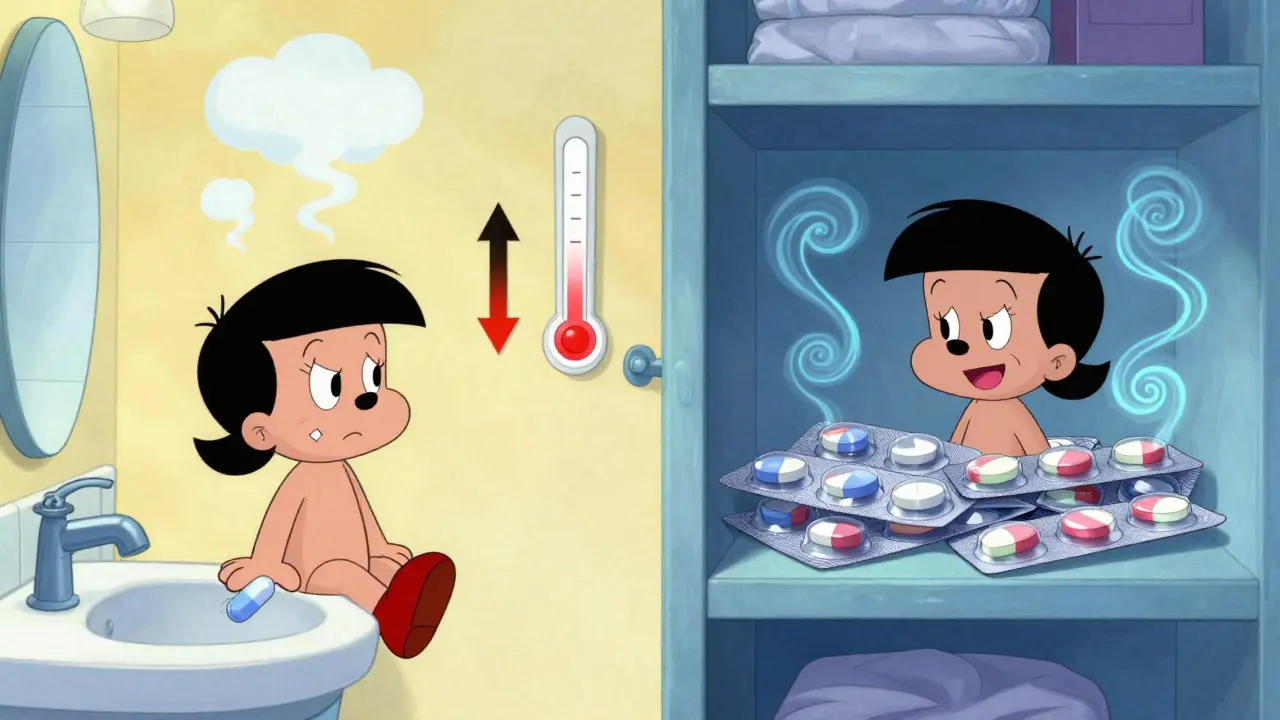
Before you start hoarding old aspirin, there’s a huge caveat. The SLEP results apply specifically to drugs stored in ideal, controlled environments. Military depots maintain precise temperature and humidity levels 24/7. Your bathroom medicine cabinet? Not so much. Fluctuating temperatures from showers and humidity spikes degrade active ingredients faster.
Furthermore, not all drugs behave the same way. Solid dosage forms like tablets and capsules tend to be more stable than liquids, creams, or injectables. Antibiotics, nitroglycerin, and insulin are notoriously sensitive and degrade quickly once opened or exposed to air. The FDA explicitly states that SLEP extensions cannot be extrapolated to other lots or uncontrolled conditions. So, while the science shows potential longevity, your home environment introduces variables the military avoids.
The Role of Storage Conditions
If you want to mimic the stability seen in military stockpiles, you need to treat your medications like precious cargo. The Materiel Quality Control Storage Standards (MQCSS) used by the DoD emphasize consistent cool, dry conditions. Most medications should be kept between 68°F and 77°F (20°C-25°C), with excursions permitted between 59°F and 86°F (15°C-30°C).
Avoid storing meds in the bathroom or kitchen. Instead, use a bedroom closet or a dedicated drawer away from direct sunlight. Keep them in their original packaging until the moment you take them, as blister packs and bottles provide necessary barriers against moisture and light. If a liquid antibiotic comes with instructions to refrigerate, follow them strictly; room temperature storage will kill its efficacy within days, regardless of what the general "stable for years" rule suggests for solids.
Implications for Personal Medicine Cabinets
So, what does this mean for you? It doesn’t mean you should ignore expiration dates entirely. It means you should understand that the date is a guarantee of full potency and safety, not a hard stop for effectiveness. For critical medications like heart drugs or antibiotics, sticking to the date is wise because partial potency can lead to treatment failure or resistance.
However, for non-critical items like occasional pain relievers or antihistamines, a few months past the date likely won’t hurt you, though they may be slightly less effective. The key takeaway from SLEP is that degradation is gradual, not sudden. It’s a slow fade, not a cliff edge. By managing storage better, you can ensure your meds stay closer to their peak performance for longer, reducing waste and saving money.
Frequently Asked Questions
Is it safe to take expired medication?
Generally, yes, for most solid oral medications stored properly. Studies show they retain significant potency past expiration. However, efficacy may decrease, which is risky for critical treatments like blood thinners or antibiotics. Always consult a pharmacist if unsure.
Why don’t regular pharmacies use the SLEP model?
The SLEP is designed for large, centrally managed federal stockpiles with controlled storage. Regular pharmacies handle thousands of individual prescriptions with variable patient storage habits. Testing every lot commercially would be prohibitively expensive and logistically complex compared to simply replacing stock.
Do all drugs expire at the same rate?
No. Stability varies greatly by formulation. Tablets and capsules are generally more stable than liquids, suspensions, or injectables. Drugs like tetracycline can become toxic when degraded, while others just lose strength. Specific chemical properties dictate degradation speed.
Does refrigeration help extend drug life?
For specific medications marked "refrigerate," yes. Lower temperatures slow down chemical degradation. However, freezing can ruin many liquid formulations. Always follow the label instructions; improper refrigeration can sometimes cause precipitation or separation that renders the drug unusable.
Can I trust the color change of my pills?
Not always. While discoloration can indicate degradation, some drugs change color harmlessly due to oxidation, while others may degrade without visible changes. Visual inspection is a rough guide but not a definitive test for potency or safety.