
Athlete Medication & Anti-Doping Compliance Checker
| Medication ↕ | Condition ↕ | Anti-Doping Status ↕ | TUE Required? ↕ | Key Side Effect Risk ↕ |
|---|
Therapeutic Use Exemption allows you to use a banned substance for legitimate medical reasons.
- ✓ Documented condition
- ✓ No performance enhancement
- ✓ No reasonable alternative
- ✓ Approved before use
*Average processing time: ~18 days. Plan ahead!
If a prohibited substance is found in your sample, you are guilty regardless of intent.
Common pitfalls include:
- ⚠ Unchecked OTC supplements
- ⚠ Contaminated products
- ⚠ Doctors unaware of bans
Action: Check every new prescription against the WADA list.
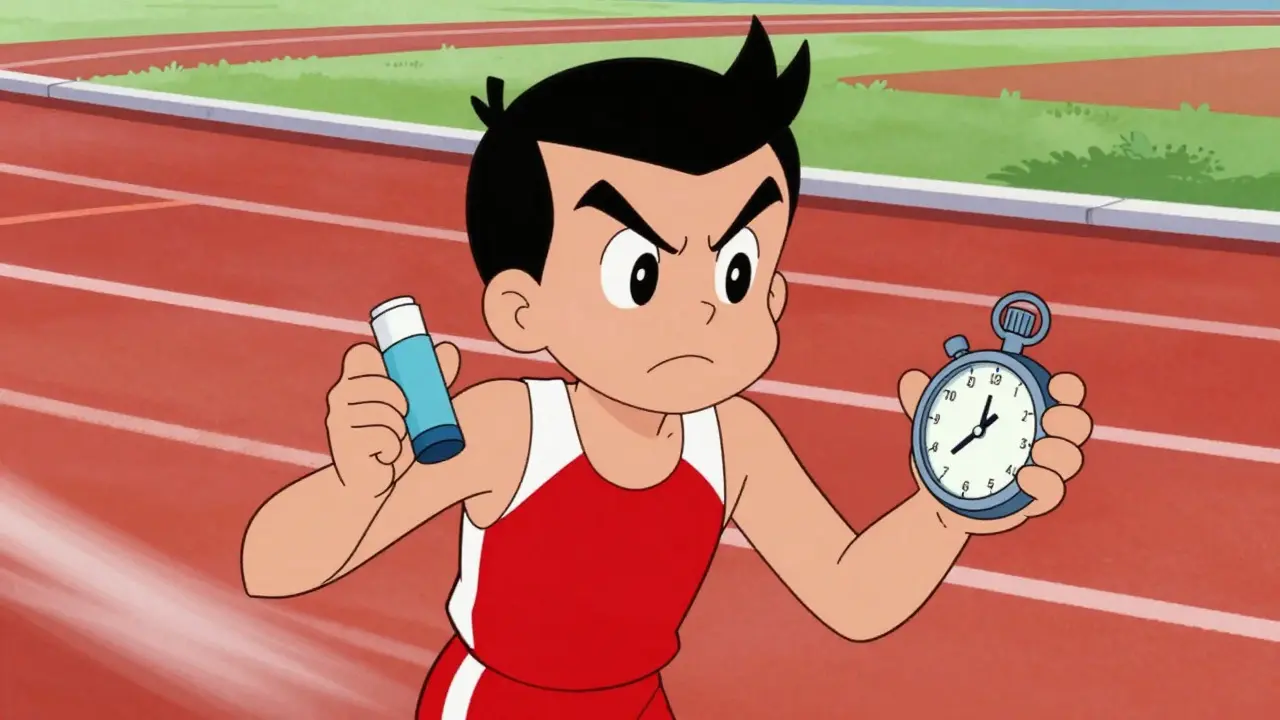
Imagine you’re an elite runner with severe asthma. Your doctor prescribes a standard inhaler. You pop it in your bag before a race, feeling ready to perform. But what if that tiny canister contains a substance banned by the World Anti-Doping Agency is the international body responsible for setting global standards for anti-doping in sport? Under strict liability rules, it doesn’t matter if you knew better or not. If it’s in your system during testing, you’ve committed a violation. This isn't just a theoretical risk; it's a daily reality for thousands of athletes who rely on Prescription Medications are drugs prescribed by healthcare professionals to treat specific medical conditions to stay healthy and competitive.
The tension between staying healthy and staying clean is real. Many athletes delay treatment or stop necessary meds out of fear, leading to worsened health outcomes. Others navigate a bureaucratic maze to get permission, only to face delays that jeopardize their season. Understanding how these rules work, specifically regarding side effects and approval processes, is no longer optional-it’s essential for anyone competing under regulated sports bodies.
How the Strict Liability Rule Changes Everything
To understand why medication management is so high-stakes, you have to grasp the concept of "strict liability." In legal terms, this means you are responsible for the outcome regardless of intent. In anti-doping, this translates to a simple, harsh truth: if a prohibited substance is found in your sample, you are guilty. It doesn’t matter if you took a cold medicine without checking the label, if a supplement was contaminated, or if your doctor didn’t know about the ban. The World Anti-Doping Code is the foundational document that establishes the rules and regulations for fair play in sport explicitly states that athletes bear sole responsibility for any prohibited substance entering their body.
This rule exists to protect the integrity of competition, but it places a massive burden on the athlete. You are essentially your own compliance officer. For example, a cyclist might take a common painkiller for a back injury. If that painkiller contains a stimulant banned in-competition, they are in trouble. The system assumes you did your homework. If you didn’t, the penalty falls on you, not the pharmacist or the manufacturer. This shifts the focus from policing doctors to empowering athletes with knowledge and tools to verify their own health choices.
Navigating the Prohibited List and Therapeutic Use Exemptions
So, how do you know what’s allowed? The answer lies in the Prohibited List is a comprehensive document published annually by WADA listing substances and methods banned in sport. Updated every year, typically effective January 1st, this list categorizes substances into groups like anabolic agents, hormone modulators, and beta-2 agonists. As of the 2024 update, there are over 250 specific substances listed. Some are banned at all times (in and out of competition), while others are only banned during events. This distinction is critical. A substance might be fine for daily use but dangerous if detected during a race.
But what if you *need* a banned drug? That’s where the Therapeutic Use Exemption is a formal authorization allowing an athlete to use a prohibited substance for legitimate medical reasons (TUE) comes in. A TUE is a legal pass that lets you use a banned medication without penalty. However, getting one isn't as simple as asking your doctor for a note. You must meet four strict criteria:
- You have a documented medical condition requiring the treatment.
- The medication will not enhance performance beyond restoring normal health.
- There is no reasonable alternative medication that is allowed.
- The TUE is approved *before* you take the medication (with rare emergency exceptions).
For instance, if you need insulin for diabetes, you likely qualify because insulin is banned but medically necessary. If you need a strong steroid for a knee injury, you might not qualify if a non-banned anti-inflammatory works just as well. The process involves submitting detailed medical records to your National Anti-Doping Organization (NADO) or International Federation. Delays are common, with average processing times hovering around 18 days, which is why early application is crucial.

Side Effects and Health Risks: The Hidden Cost
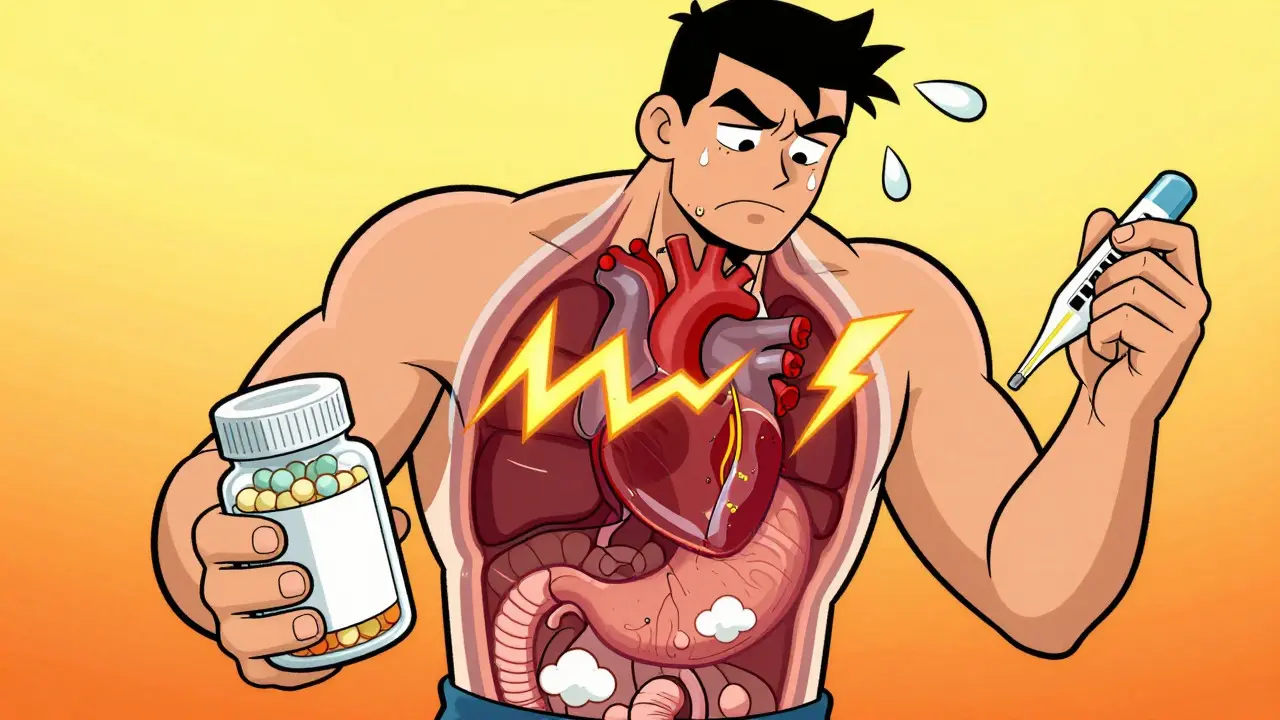
We often talk about the rules, but we rarely discuss the physiological toll of managing these medications under pressure. Athletes aren't just dealing with bureaucracy; they're dealing with potent drugs that have significant side effects. When you combine the stress of competition with high-dose medications, the risks multiply.
Consider corticosteroids, commonly used for inflammation. While effective, long-term use can lead to adrenal suppression, where your body stops producing its own natural hormones. This can cause fatigue, weight gain, and bone density loss. For an athlete, this is a double-edged sword: the drug helps you compete now, but it might weaken you later. Similarly, beta-2 agonists used for asthma can cause cardiac arrhythmias if misused or taken in excess. The World Anti-Doping Agency’s Medical Director has noted that improper use of these common TUE drugs can lead to serious health complications.
Then there are stimulants, often prescribed for ADHD. While they help with focus, they can increase heart rate and blood pressure. In a hot environment or during intense exertion, this adds strain to the cardiovascular system. The key takeaway here is that "allowed" doesn't always mean "safe" in the context of extreme physical demand. Athletes need to monitor their bodies closely, watching for signs of overuse or adverse reactions that might go unnoticed in a sedentary person.
Practical Steps for Safe Medication Management
So, what should you actually do? Don’t guess. Use the tools designed for you. The most reliable resource is the Global Drug Reference Online (Global DRO). This platform allows you to check over 1,200 medications across multiple countries. You select your sport, your location, and the drug name, and it tells you if it’s banned, allowed, or requires a TUE. It’s free, accessible, and updated regularly. Make it a habit to check every new prescription, including over-the-counter supplements, against this database.
Communication is your second line of defense. Tell your doctor you are a tested athlete. Ask them to check the WADA Prohibited List before prescribing. Unfortunately, many physicians are unaware of these rules. A study found that nearly 70% of athletes reported their doctors lacked adequate anti-doping knowledge. Bring a printed copy of the relevant section of the Prohibited List to your appointment if needed. This ensures everyone is on the same page.
Finally, plan ahead. If you are taking a medication that is banned in-competition but allowed out-of-competition, calculate the clearance time. Some substances leave your system quickly, while others linger for days. Work with your sports scientist or doctor to determine when you should stop taking the medication before a major event. Keep a log of everything you take, including doses and dates. This record can be invaluable if you ever need to explain a positive test result.
| Medication Type | Common Use | Anti-Doping Status | Key Side Effect Risk |
|---|---|---|---|
| Salmeterol | Asthma Maintenance | Banned In-Competition (High Dose) | Tremors, Headache |
| Prednisone | Inflammation/Autoimmune | Banned At All Times (Oral) | Adrenal Suppression, Weight Gain |
| Methylphenidate | ADHD Treatment | Banned In-Competition | Increased Heart Rate, Appetite Loss |
| Insulin | Diabetes Management | Banned At All Times | Hypoglycemia |
Frequently Asked Questions
Do I need a TUE for every prescription?
No, only if the medication contains a substance on the WADA Prohibited List. Most common antibiotics and painkillers are allowed. Always check the specific ingredient against the current list using a tool like Global DRO.
What happens if I forget to apply for a TUE?
If you test positive for a prohibited substance without an active TUE, you commit an Anti-Doping Rule Violation. Sanctions can range from a warning to a four-year ban, depending on whether you can prove the error was not intentional.
Can my doctor prescribe me a banned drug directly?
Technically yes, but it is risky. The responsibility remains with the athlete. It is best practice for the doctor to assist in filing the TUE application to ensure the paperwork meets the strict medical evidence requirements.
Are supplements subject to anti-doping rules?
Yes. Supplements are not regulated like pharmaceuticals and can contain hidden banned substances. You must check every supplement brand against the Prohibited List, as contamination or mislabeling is a common cause of inadvertent violations.
How long does a TUE last?
TUEs are typically valid for one year, though some may be granted for shorter periods based on the condition. You must renew the application before it expires to maintain continuous coverage.