

What an Asthma Action Plan Really Does
Most people with asthma think they know how to handle a flare-up-until they’re gasping for air and can’t remember what to do next. That’s where an asthma action plan comes in. It’s not just a piece of paper. It’s your personal emergency guide, written in plain language, designed to tell you exactly what to do when your asthma starts acting up. Unlike vague advice like "take your inhaler if you feel wheezy," a real action plan breaks it down into clear, color-coded zones: green, yellow, and red. These aren’t just labels-they’re your roadmap to staying in control, avoiding the ER, and living without fear.
According to the National Heart, Lung, and Blood Institute, people who follow a written asthma action plan cut their emergency visits by up to 70%. That’s not a guess. That’s data from real patients who used their plans consistently. The plan works because it removes guesswork. When your chest feels tight, you don’t have to wonder if it’s bad enough to act. You check your symptoms, match them to the zone, and follow the steps. No hesitation. No panic.
The Three Zones: Green, Yellow, Red
Every asthma action plan uses the same three-zone system, and for good reason-it’s simple, visual, and works across ages and backgrounds. Think of it like a traffic light.
- Green Zone (Go): This is your normal. You feel fine. No coughing, no wheezing, no waking up at night. You can run, laugh, sleep, and play without limits. Your peak flow reading is 80-100% of your personal best. In this zone, you do nothing different. Just keep taking your daily controller meds-usually an inhaled corticosteroid like fluticasone-as prescribed. No extras. No skipping. Consistency is what keeps you here.
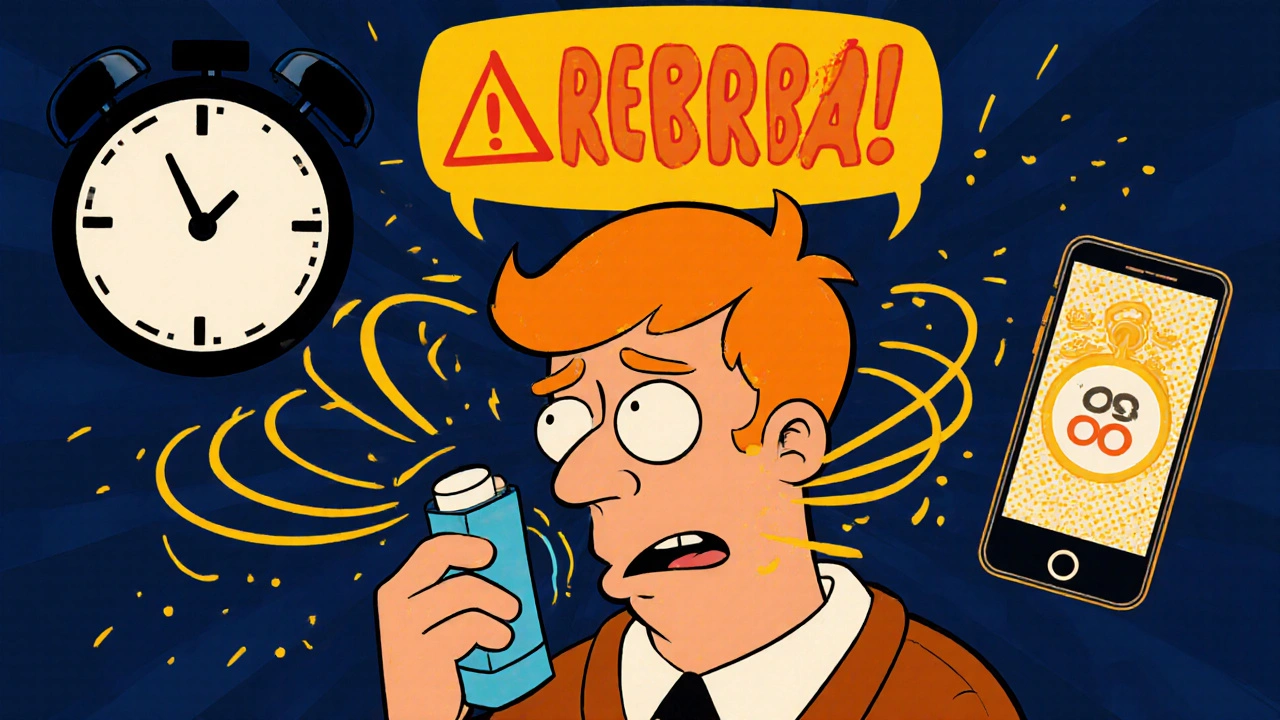
- Yellow Zone (Caution): This is your warning sign. You’re starting to feel off. Maybe you’re coughing more, especially at night. Your chest feels tight. You’re short of breath climbing stairs. Your peak flow drops to 50-79% of your personal best. This isn’t an emergency yet, but it’s not normal either. You’ve slipped out of control. The plan tells you: take your rescue inhaler (like albuterol), 2-4 puffs, every 4-6 hours. Keep taking your daily controller. Monitor symptoms every hour. If you don’t improve in 24 hours, call your doctor. This is where most people fail-they wait too long. Catching it early is everything.
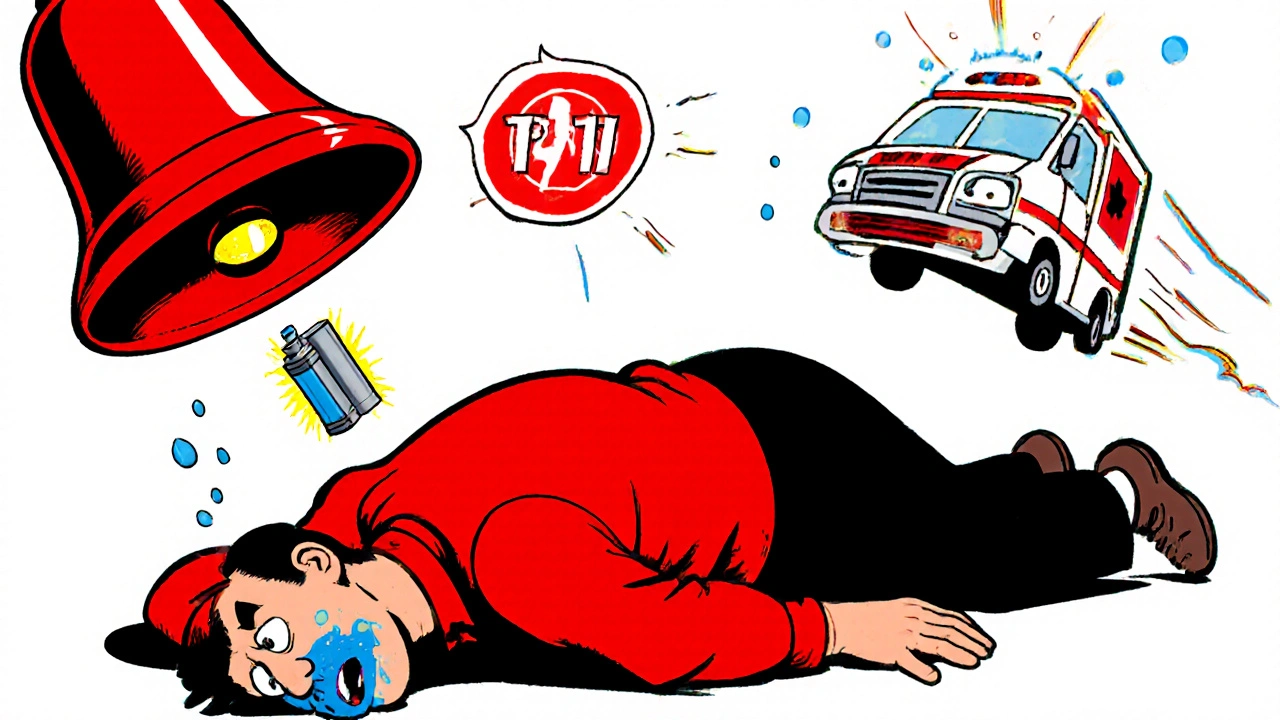
- Red Zone (Danger): This is your emergency signal. You can’t speak in full sentences. Your lips or fingernails are turning blue. Your rescue inhaler gives you no relief. Your peak flow is below 50%. This is not a time to wait. Follow your plan: take your rescue inhaler, call 911 or go to the ER immediately. Don’t drive yourself. Don’t wait for a friend. Get help now. This zone saves lives because it removes doubt. If your plan says "call 911," you do it. No second-guessing.
How to Set Up Your Personal Best
Here’s where most asthma action plans fall apart: people don’t know their personal best. The plan is useless if you don’t know what 80% or 50% of your best looks like. So how do you find it?
For two to four weeks, when you’re feeling completely well-no symptoms, no meds needed-take your peak flow reading twice a day: morning and evening. Write them down. After two weeks, find the highest number you got. That’s your personal best. This number is the foundation of your plan. It’s what turns vague feelings into measurable data.
Many people skip this step. They get a plan from their doctor, but it says "peak flow: 400 L/min" without knowing if that’s even close to their real number. If your doctor didn’t help you find your personal best, ask for a follow-up appointment. Bring your peak flow diary. Don’t accept a generic number. Your lungs are unique. Your best is yours alone.
Peak flow meters need annual calibration. If yours is older than a year, get it checked. A faulty meter gives false readings-and false confidence.
Medications: What to Take, When, and Why
Your plan isn’t just about symptoms. It’s about medications. And it must spell out exactly what to use and when.
- Controller Medications (Daily): These are your long-term defense. Inhaled corticosteroids like fluticasone (Flovent), budesonide (Pulmicort), or mometasone (Asmanex) reduce inflammation in your airways. You take them every day-even when you feel fine. Skipping them because you’re "not wheezing" is like not brushing your teeth because your mouth doesn’t hurt. They prevent attacks before they start.
- Rescue Medications (As Needed): These are your quick fix. Albuterol (ProAir, Ventolin, Proventil) opens your airways in minutes. You use it in the yellow and red zones. But don’t overuse it. If you’re using your rescue inhaler more than twice a week (outside of exercise), your asthma isn’t controlled. That’s a sign your controller meds need adjusting.
Your plan should list exact doses: "Take 2 puffs of albuterol every 4 hours." Not "use your inhaler if needed." Vague instructions lead to under-treatment. Be specific. Write it down. Keep a copy in your wallet, on your fridge, and in your phone.
Why People Don’t Follow Their Plans (And How to Fix It)
Studies show only 30% of asthma patients use their action plans regularly. Why?
One big reason: they forget where they put it. Another: they think it’s only for kids. But adults need it just as much. A 2022 survey found 41% of adults didn’t follow their plan because they couldn’t find it. Simple fix: put it where you’ll see it. Tape it to your bathroom mirror. Save it as a photo on your phone. Set a weekly reminder: "Review my asthma plan."
Another issue: the plan wasn’t personalized. If your doctor gave you a generic template without asking about your triggers, your daily routine, or your biggest fears, it won’t stick. A good plan includes your specific triggers-like pollen, cold air, or smoke-and tells you what to do when those show up. If yours doesn’t, ask for an update.
And don’t forget your environment. If you have a child with asthma, share their plan with teachers, coaches, and babysitters. Schools are legally required to keep a copy on file under Section 504 of the Rehabilitation Act. Same goes for workplaces if your job exposes you to dust, fumes, or allergens.
Digital Tools That Make It Easier
You don’t have to rely on paper anymore. There are apps and smart devices that turn your plan into a living system.
The Asthma and Allergy Foundation of America offers a free app that lets you log symptoms, track peak flow, and set medication reminders. It even syncs with smart inhalers like Propeller Health, which detects when you use your inhaler and sends alerts if you’re overusing your rescue meds. A 2022 study found users of these devices improved adherence by 35%.
Some clinics now use digital templates that auto-generate your plan based on your symptoms and test results. The NHLBI updated their free downloadable templates in March 2023, with versions in English and Spanish. You can find them online. Print one. Fill it out with your doctor. Keep it updated.
Even better? AI tools are being tested to predict when you’re about to enter the yellow zone. A trial at UC San Francisco uses your symptom diary and local air quality data to send you a warning before you feel sick. It’s not mainstream yet-but it’s coming.
When and How to Update Your Plan
Your asthma changes. So should your plan.
Seasonal shifts matter. If you’re a pollen-triggered asthmatic, your plan should change in spring and fall. If you’ve gained weight, started a new job, or moved to a city with worse air quality, your plan needs a refresh. Even if you’ve been stable for months, review it every six months. Bring it to every doctor visit-even if you feel fine.
Dr. Catherine Fuller, an allergist in Los Angeles, says: "If your child has asthma, you should share their action plan with their school, coaches, and parents of friends." That advice applies to adults too. Your partner, your roommate, your coworker-they should know what to do if you collapse.
Don’t wait for a crisis to update your plan. Make it part of your routine. Like checking your car’s oil. Like changing your smoke detector batteries. It’s not optional. It’s what keeps you alive.
Real Stories: What Works
One Reddit user, "WheezingWarrior87," shared how her daughter’s plan saved them last winter. The child started coughing at night-classic yellow zone. They followed the plan: albuterol, rest, monitor. By morning, she was back in green. No ER visit.
Another user, "BreathlessInBoston," admitted his plan was useless because his doctor never set his personal best. He didn’t know what 50% looked like. He was flying blind. After getting his numbers right, he cut his rescue inhaler use in half.
Sarah J., 32, realized she’d been living in the yellow zone for months. She thought her daily wheezing was "normal." Her plan showed her it wasn’t. She got her controller dose adjusted-and finally breathed easy.
These aren’t rare cases. They’re the rule. People who use their plans live better. Longer. Freer.
Final Thought: Your Plan Is Your Power
An asthma action plan isn’t a doctor’s suggestion. It’s your legal right and your best tool for survival. You don’t need to be perfect. You just need to be prepared.
Start today. If you don’t have a plan, ask your doctor for one. If you have one but haven’t used it in months, pull it out. Check your personal best. Update your meds. Share it with someone who cares about you. Then keep it close.
Asthma doesn’t disappear. But with a solid plan, it doesn’t control you either.
Do I really need an asthma action plan if I only have mild asthma?
Yes. Even mild asthma can turn dangerous quickly. Many people who end up in the ER thought their asthma was "just a little"-until they couldn’t breathe. An action plan isn’t for severe cases only. It’s for anyone who has asthma. It helps you catch small changes before they become emergencies. The NHLBI recommends a plan for every asthma patient, no matter how mild.
What if I can’t tell the difference between green and yellow zones?
Symptoms matter more than colors. If you’re coughing at night, wheezing during activity, or waking up gasping, you’re in the yellow zone-even if you can’t see the color. Use your peak flow meter as your backup. If your reading is below 80% of your personal best, treat it as yellow. If you have color vision issues, ask your doctor for a plan with symbols (like ! for yellow, !!!! for red) instead of colors. Many organizations offer these versions.
Can I use my asthma action plan at school or work?
Absolutely. Under U.S. law, schools must keep a copy of a student’s asthma action plan under Section 504. Employers are also required to make reasonable accommodations for employees with asthma under the ADA. Share your plan with teachers, coaches, HR, or your manager. It’s not just helpful-it’s your right.
How often should I update my asthma action plan?
Review it every 6 months, or sooner if your symptoms change. If you’ve had a flare-up, moved to a new city, started a new medication, or noticed your triggers shifting (like worse pollen seasons), update your plan immediately. Don’t wait for your next appointment. A plan that doesn’t change is a plan that’s falling behind.
What if my doctor won’t give me an asthma action plan?
Ask again. The NHLBI guidelines say every asthma patient should have one. If your doctor refuses, ask why. If they still won’t help, go to an allergist or asthma specialist. You can also download a free, official template from the NHLBI or Asthma and Allergy Foundation of America websites. Fill it out yourself, bring it to your next visit, and ask them to sign and date it. Your health is your responsibility-don’t let a lack of initiative from your provider stop you.




Latrisha M.
November 16, 2025 AT 04:42Just got my asthma action plan updated last week. Took me three years to finally do it. I had been using my rescue inhaler 5-6 times a week and thought that was normal. Turns out, I was stuck in yellow zone the whole time. Now I’m on a lower dose of fluticasone and only use albuterol once every two weeks. Game changer. Write it down. Keep it visible. Share it with someone.
John Mwalwala
November 16, 2025 AT 19:16Bro, have you heard about the pharma-industrial complex’s secret asthma control agenda? They don’t want you to know that peak flow meters are calibrated to suppress natural lung adaptation. The green-yellow-red system? Designed by Big Inhaler to keep you dependent. My cousin in Oregon stopped using his plan and started doing breathwork + turmeric shots. He hasn’t used albuterol in 14 months. Coincidence? I think not.
Deepak Mishra
November 17, 2025 AT 17:54OMG I JUST REALIZED I’VE BEEN USING MY PEAK FLOW METER WRONG!!! 😱 I’ve been taking readings after coffee and after running 😭 I thought I was doing great but my numbers were all over the place!!! I’m going to start fresh tomorrow morning on an empty stomach!!
Jamie Watts
November 18, 2025 AT 06:31You people are overcomplicating this. You don't need a plan. You don't need a meter. You just need to know your body. If you're wheezing you use your inhaler. If you're still wheezing you go to the hospital. Simple. The whole zone thing is just doctor jargon to make you feel like you're doing something. My dad had asthma for 40 years and never had a plan. Still breathing.
Oyejobi Olufemi
November 20, 2025 AT 06:02Let’s be real - the entire asthma action plan framework is a colonial construct imposed by Western medicine to pathologize natural respiratory variation. In Nigeria, we don’t have peak flow meters. We have intuition. We have elders. We have herbal steam baths and the wisdom of the soil. You think your 80% personal best is sacred? Your lungs evolved in a world without fluticasone. You’re not managing asthma - you’re surrendering to pharmaceutical hegemony. The red zone? That’s just your body screaming for liberation.
Daniel Stewart
November 21, 2025 AT 07:43There’s a quiet existential weight to the asthma action plan - it’s not merely medical, it’s ontological. The green zone represents the illusion of control. The yellow, the creeping awareness of fragility. The red - the confrontation with mortality itself. We treat it as a checklist, but it’s a mirror. What does it mean to be ‘in control’ when your breath is governed by a color-coded algorithm? The plan doesn’t save you - it merely gives you a script for your panic.
Rachel Wusowicz
November 23, 2025 AT 03:55Okay, but have you considered that the color-coded zones are designed to trigger subconscious anxiety in people with color vision deficiencies? And what if the ‘personal best’ is actually influenced by atmospheric pressure anomalies caused by HAARP? I’ve been tracking my peak flow alongside satellite weather data and I swear, every time there’s a solar flare, my numbers drop 12% - even when I’m symptom-free!! I’ve printed my plan in high-contrast black-and-white with emoji symbols (🟢 = go, 🟡 = maybe call 911???, 🔴 = RUN) and taped it to my fridge next to my EMF shield. I’m not paranoid - I’m PREPARED.
ZAK SCHADER
November 23, 2025 AT 17:38USA has the best asthma care in the world. Why are you wasting time with apps and templates? Just go to the ER when you can't breathe. They'll fix you. No need for all this overthinking. My cousin in Texas just uses his inhaler and prays. Works fine. Stop making it a project. America doesn't need another spreadsheet.
Dan Angles
November 25, 2025 AT 09:08As a healthcare professional with over 18 years of clinical experience, I must emphasize that the documented efficacy of written asthma action plans is supported by over 47 peer-reviewed studies published between 2010 and 2023. The reduction in emergency department utilization is statistically significant (p<0.001) and reproducible across demographic strata. Furthermore, the American Thoracic Society and Global Initiative for Asthma both classify personalized action plans as a standard of care. This is not optional. This is evidence-based medicine.
Diane Tomaszewski
November 26, 2025 AT 02:19I used to think I didn’t need a plan because my asthma was mild. Then I had a night where I couldn’t sleep and my husband had to drive me to urgent care. I didn’t know what to do. I didn’t even know my own peak flow number. Since then, I made a plan with my doctor. I keep it on my phone. I showed it to my kids. It’s not complicated. It’s just… peace of mind.
Ankit Right-hand for this but 2 qty HK 21
November 26, 2025 AT 04:21Are you serious? You're talking about asthma plans like they're some kind of spiritual guide? In India, we have 1.2 billion people. Most don't even have access to a doctor, let alone a peak flow meter. You think your 80% personal best matters when you're breathing smog 12 hours a day? This is a luxury problem for the privileged. Your plan won't save you from Delhi's air. Your inhaler won't fix a government that ignores pollution. Stop pretending this is about control - it's about survival in a broken world.