
Antidepressant Weight Impact Estimator
Select Medication & Duration
Projected Outcome
Comparison to Average
Visualizing impact against other common antidepressants.
It’s a frustrating catch-22 that millions of people face every day. You start taking medication to lift your mood and get your life back on track, but then you look in the mirror and notice your clothes fitting tighter. Weight gain is one of the most common-and most discouraging-side effects of antidepressants, which are psychiatric medications used to treat major depressive disorder and anxiety disorders by altering neurotransmitter levels in the brain. According to recent critical evaluations published in PMC (2023), between 55% and 65% of patients on long-term treatment experience some degree of metabolic change. This isn’t just about vanity; it’s a serious medical concern that contributes to treatment discontinuation in up to 20% of patients, often leading to relapse.
If you’re worried about the scale, you aren’t alone. But here is the good news: not all antidepressants affect your weight the same way. Some cause significant gain, while others might even help you lose a few pounds. Understanding the specific mechanisms behind these changes can empower you to work with your doctor to find a balance between mental health stability and physical well-being.
Why Do Antidepressants Make You Hungry?
To understand why this happens, we have to look at what’s going on inside your brain. Antidepressants primarily target serotonin, a neurotransmitter that regulates mood, sleep, and appetite. In the short term-usually the first few weeks or months-increased serotonin can actually reduce impulsivity and increase feelings of fullness (satiety). Many people report losing a little weight initially because their depression lifts, and they start eating normally again after a period of appetite suppression caused by the illness itself.
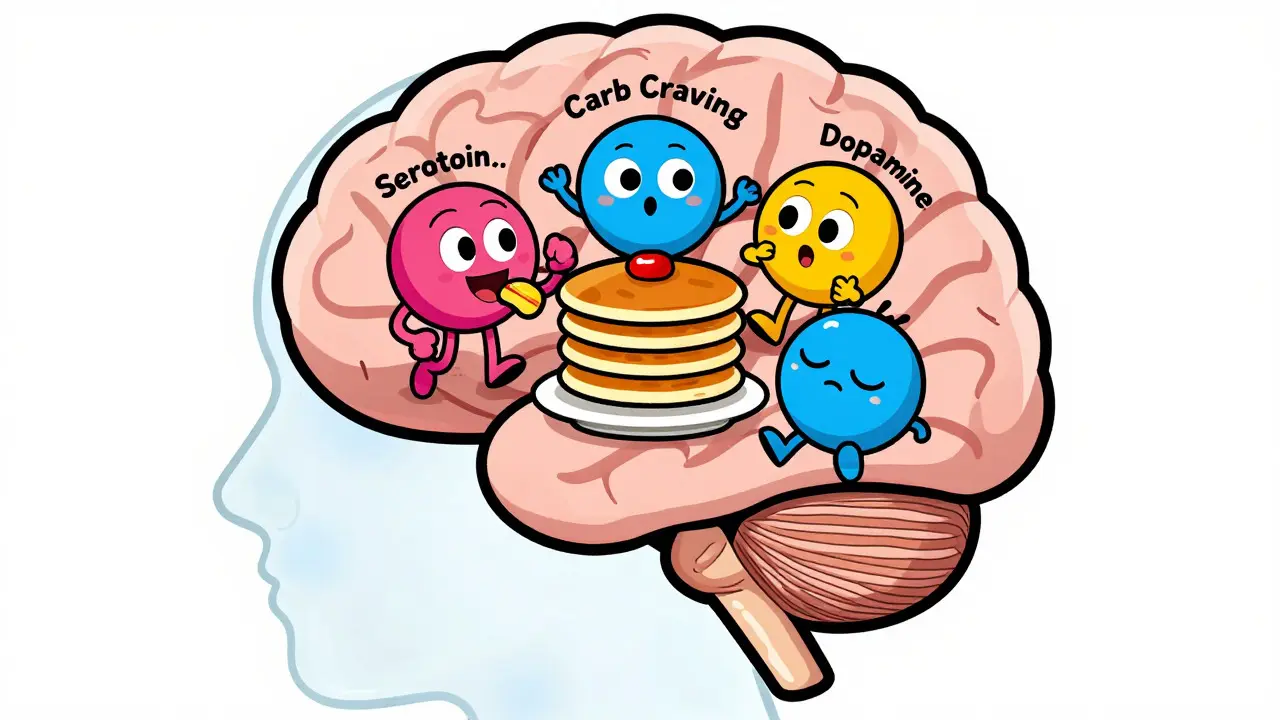
However, the body is adaptive. Over time, specifically with long-term use (often longer than one year), your brain receptors may downregulate or desensitize. A key mechanism involves the 5-HT2 receptor. When these receptors become less sensitive, the signal for "I’m full" gets weaker. Simultaneously, dopamine pathways involved in reward processing can be inhibited, making high-carbohydrate foods feel more rewarding. You crave carbs not just because you’re hungry, but because your brain is seeking a chemical boost that the medication has subtly altered.
Additionally, some classes of antidepressants interact with histamine receptors. Histamine plays a role in wakefulness and appetite suppression. When certain drugs block these receptors, you might feel sleepier and hungrier, similar to the effect of antihistamines like diphenhydramine. Research also points to alterations in insulin sensitivity and hormones like leptin and ghrelin, which regulate hunger signals, further complicating the metabolic landscape.
Which Antidepressants Are Most Likely to Cause Weight Gain?
Not all psychiatric medications are created equal when it comes to metabolism. The risk varies significantly depending on the class of drug and the specific molecule. Generally, older classes of drugs tend to have higher metabolic risks than newer ones, though exceptions exist.
| Medication Name | Class | Average Weight Change (6 Months) | Average Weight Change (24 Months) | Risk Level |
|---|---|---|---|---|
| Mirtazapine | Tetracyclic | +3.0 lbs | +7.5 lbs | High |
| Paroxetine (Paxil) | SSRI | +1.4 lbs | +2.9 lbs | Moderate-High |
| Amitriptyline | TCA | +2.5 lbs | +6.0 lbs | High |
| Escitalopram (Lexapro) | SSRI | +1.4 lbs | +3.6 lbs | Moderate |
| Sertraline (Zoloft) | SSRI | +0.5 lbs | +3.2 lbs | Moderate |
| Bupropion (Wellbutrin) | NDRI | -0.25 lbs | +1.2 lbs | Low/Neutral |
The data above, drawn from a comprehensive 2024 Harvard Health study, highlights a crucial distinction. Tricyclic antidepressants (TCAs) like amitriptyline and nortriptyline, along with mirtazapine, are consistently associated with the most substantial weight increases. These drugs have strong affinity for histamine and other receptors that directly stimulate appetite.
Among the popular Selective Serotonin Reuptake Inhibitors (SSRIs), paroxetine stands out as having a higher propensity for weight gain compared to sertraline or fluoxetine. Interestingly, while SSRIs might cause slight weight loss initially, the trend reverses over two years. Escitalopram, for example, leads to an average gain of 3.6 pounds at the 24-month mark.
Then there is Bupropion, a norepinephrine-dopamine reuptake inhibitor (NDRI) that works differently from SSRIs. Bupropion is unique. It is the only commonly prescribed antidepressant consistently associated with weight neutrality or modest weight loss. At six months, users lost an average of 0.25 pounds. Even at 24 months, the gain was only 1.2 pounds, significantly lower than its peers. This makes it a prime candidate for patients concerned about metabolic side effects, provided it doesn’t trigger seizures or severe anxiety in the individual.
Is the Weight Gain Real, or Just Improved Appetite?
This is a nuanced question that doctors grapple with. Depression itself is a catabolic state; many people lose weight because they stop eating, forget meals, or feel nauseous. When an antidepressant works, your appetite returns. As Mayo Clinic experts note, "some people lose weight as part of their depression. In turn, an improved appetite that's linked with improved mood may result in weight gain."
So, how do you tell the difference? If you were severely underweight due to depression, regaining weight is a sign of healing. However, if you were at a healthy weight before starting medication and continue to gain despite mindful eating, the pharmacological effect is likely dominant. Studies show that even after accounting for mood improvement, the drug-induced changes in insulin sensitivity and leptin resistance persist. This means the medication itself alters how your body stores fat, independent of calorie intake.
How to Manage Antidepressant-Induced Weight Gain
If you are experiencing unwanted weight gain, don’t panic, and definitely don’t stop your medication cold turkey. Abrupt discontinuation can lead to severe withdrawal symptoms and relapse. Instead, consider these evidence-based strategies:
- Switch Medications: If you are on a high-risk drug like paroxetine or mirtazapine, ask your psychiatrist about switching to a weight-neutral option like bupropion, venlafaxine, or fluoxetine. Cross-tapering allows you to transition smoothly without losing mental health gains.
- Add Metformin: For patients who cannot switch antidepressants, adding metformin-a diabetes medication that improves insulin sensitivity-has shown promise in mitigating weight gain. It helps your body process glucose more efficiently, reducing fat storage.
- Consider GLP-1 Agonists: Emerging research identifies GLP-1 receptor agonists like semaglutide as effective tools for managing antidepressant-induced obesity. Clinical trials indicate these drugs can produce a 5-7% average weight reduction in patients also taking antidepressants by targeting the same satiety centers in the brain that antidepressants disrupt.
- Monitor Carbohydrate Intake: Since serotonin dysregulation often triggers carb cravings, focus on high-protein, high-fiber meals. Protein stabilizes blood sugar and keeps you fuller longer, counteracting the drug-induced hunger spikes.
- Regular Exercise: While diet controls weight, exercise preserves muscle mass and improves insulin sensitivity. Aim for a mix of cardio and resistance training to combat the metabolic slowdown associated with some antidepressants.
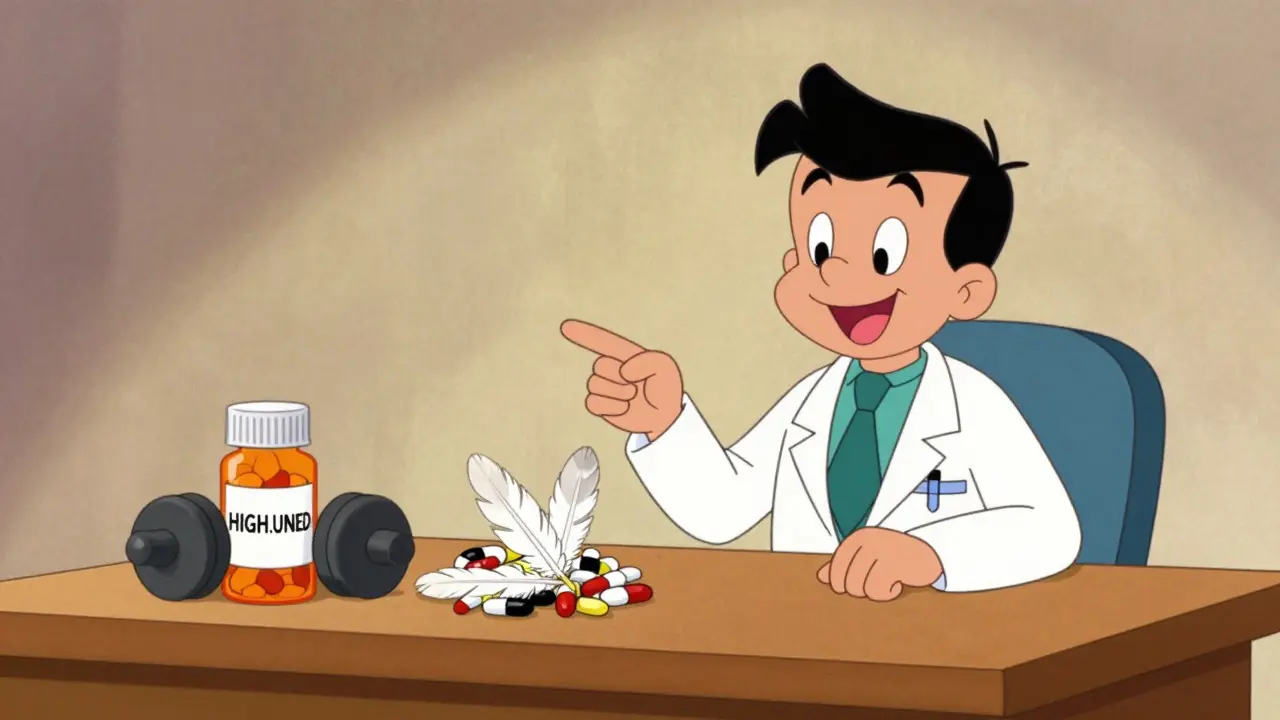
Genetic Factors and Personalized Medicine
Your genes play a bigger role than you might think. Variations in the CYP2C19 enzyme, which metabolizes many SSRIs, determine whether you are a "fast" or "slow" metabolizer. Slow metabolizers have higher blood levels of the drug, which can intensify side effects, including weight gain. Pharmacogenomic testing can reveal these predispositions, allowing your doctor to choose a medication that aligns with your biological profile, potentially avoiding weight issues altogether.
Frequently Asked Questions
Will I lose the weight if I stop taking antidepressants?
Often, yes. Many patients see a reversal of weight gain within a few months of discontinuing the medication, especially if they maintain a healthy diet and exercise routine. However, preclinical research suggests that long-term use combined with stress and poor diet can lead to persistent metabolic changes. Therefore, lifestyle interventions should continue even after stopping the drug to ensure the weight stays off.
Which antidepressant is best for someone trying to lose weight?
Bupropion (Wellbutrin) is widely considered the best option for weight management. It is the only commonly prescribed antidepressant associated with weight loss or neutrality. Venlafaxine (Effexor) and fluoxetine (Prozac) are also generally considered weight-neutral alternatives to heavier options like paroxetine or mirtazapine.
Can antidepressants cause diabetes?
Antidepressants themselves do not directly cause type 2 diabetes, but they can increase the risk by promoting weight gain and insulin resistance. Long-term use of high-risk antidepressants like TCAs and mirtazapine has been linked to worsened metabolic health outcomes. Monitoring blood sugar levels is recommended for patients on long-term therapy.
How much weight do people typically gain on Zoloft?
According to a 2024 Harvard Health study, patients taking sertraline (Zoloft) gain an average of 0.5 pounds at six months and approximately 3.2 pounds at 24 months. Individual results vary based on genetics, diet, and activity level.
Should I avoid carbohydrates while on antidepressants?
You don't need to eliminate them entirely, but you should be mindful of refined carbs. Antidepressants can increase cravings for carbohydrate-rich foods due to changes in serotonin and dopamine signaling. Opting for complex carbohydrates like whole grains, vegetables, and legumes can help stabilize blood sugar and reduce intense cravings compared to sugary snacks.