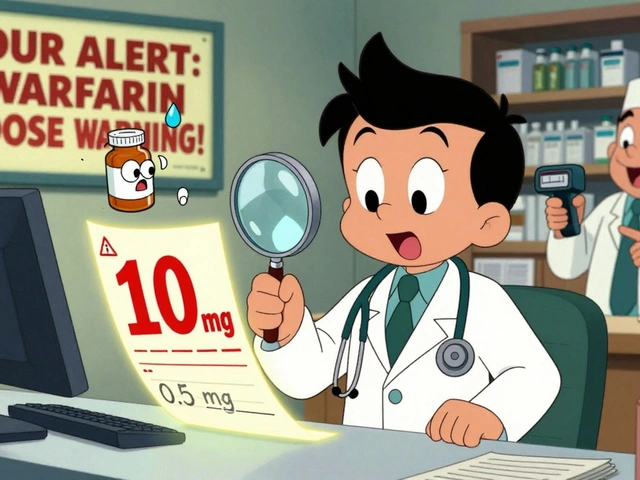
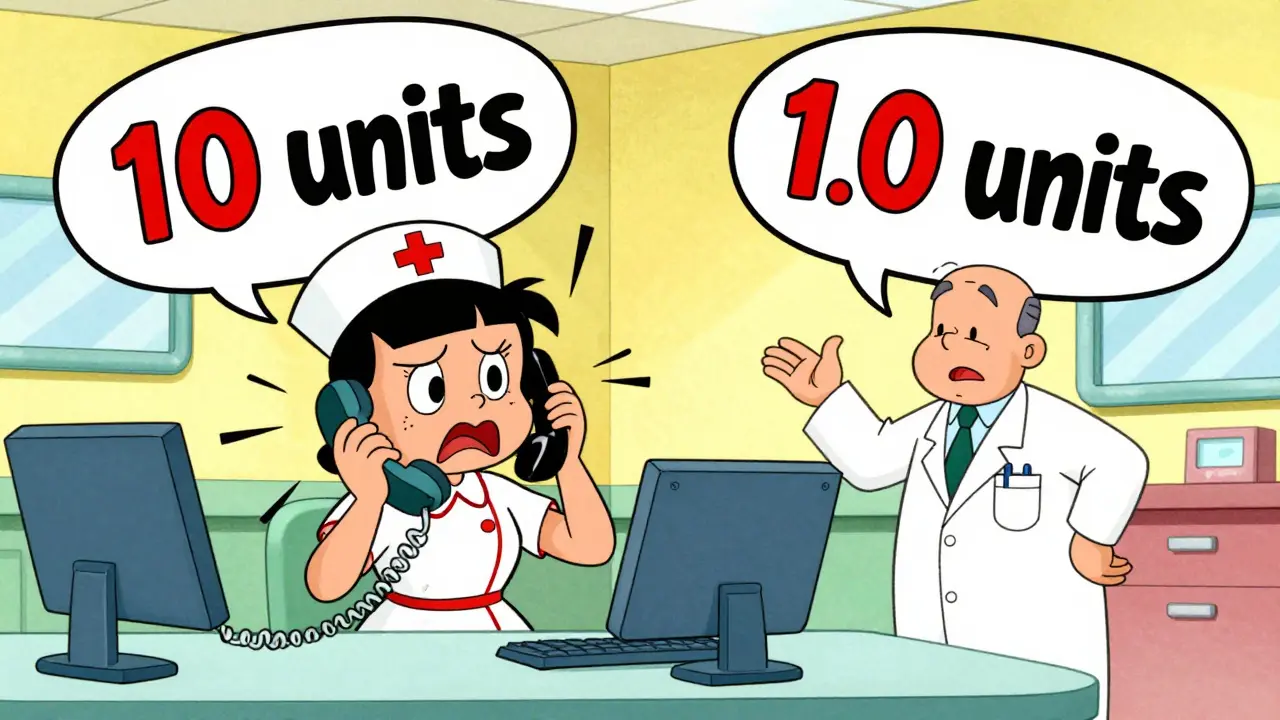
Imagine this: a physician calls the nursing station to adjust a patient's insulin dose. The nurse hears "10 units" but the doctor meant "1.0 units." By the time the error is caught, the patient has already received ten times the intended amount. This isn't just a hypothetical nightmare; it’s a scenario that plays out in healthcare settings daily, often with devastating consequences. According to the Institute for Safe Medication Practices (ISMP), miscommunication during dose changes is a root cause in 65% of medication error sentinel events. The stakes are incredibly high, and the margin for error is virtually nonexistent.
Verifying dose changes isn't just about checking a box on a chart. It’s a critical safety protocol designed to prevent harm in an environment where fatigue, distraction, and system flaws collide. Whether you’re a nurse, pharmacist, or provider, understanding how to verify these changes effectively-and avoiding the pitfalls of poor communication-can mean the difference between a routine shift and a life-altering incident. Let’s look at how we can build robust safeguards into our daily workflows.
The Core Problem: Why Dose Verification Fails
To fix the problem, we first need to understand why it happens. Research by Lucian Leape in 1994 showed that healthcare workers make approximately 1-3 errors per day, with 1 in 100 causing actual harm. Fast forward to today, and while technology has improved, human factors remain the biggest vulnerability. The ECRI Institute ranked "Inadequate verification of dose changes" as the #3 health technology hazard in 2023, citing over 1,200 reported incidents in a single year.
Why do these failures occur? Often, it’s not malice or incompetence-it’s workflow design. Nurses report skipping verification steps due to time pressure, with 73% admitting they bypass protocols during busy shifts. When you’re managing five patients simultaneously, the mental load required to calculate a weight-based pediatric dose or cross-reference renal function labs becomes overwhelming. Furthermore, alert fatigue from electronic systems means that many warnings go unnoticed. Studies show nurses acknowledge only 15% of Barcode Medication Administration (BCMA) alerts during a 12-hour shift because they’ve learned to ignore what they perceive as false positives.
The core issue is that verification is often treated as an administrative task rather than a clinical intervention. If the process adds friction without adding value, clinicians will find ways around it. To change this, we need to focus on high-alert medications and specific high-risk moments, rather than trying to verify every single dose change universally.
Independent Double Checks: Right Tool, Wrong Job?
For decades, the "independent double check" has been the gold standard for verifying high-risk medications. The concept is simple: two qualified practitioners independently verify the "5 rights" (right patient, drug, dose, route, time) without consulting each other. But does it actually work?
The data is mixed. On one hand, studies show that properly implemented double checks can detect dosing errors up to 33% of the time and catch wrong-vial errors 100% of the time in sepsis simulations. However, the resource intensity is significant. Manual double checks require 15-20% more nursing time, and adherence rates drop to 45% during peak workload periods. Dr. Michael Cohen, President of ISMP, warns that "overuse of double checks creates complacency and reduces effectiveness." When everything requires a second signature, nothing gets scrutinized carefully.
Independent Double Check is a safety protocol where two practitioners separately verify medication details to catch errors before administration. While effective for certain tasks like infusion pump programming, it is less reliable for verifying correct patient selection compared to technological solutions.
The key takeaway here is strategic placement. Don’t use double checks for every medication. Reserve them for the highest-risk scenarios: complex calculations, unfamiliar drugs, or situations where technology fails. For example, a nurse practitioner shared a story on AllNurses.com where a double check caught a critical insulin error (10U vs 1.0U) that the barcode scanner missed because the concentration was entered correctly but the total dose was wrong. In that case, human verification saved the day.
Leveraging Technology: BCMA and Smart Pumps
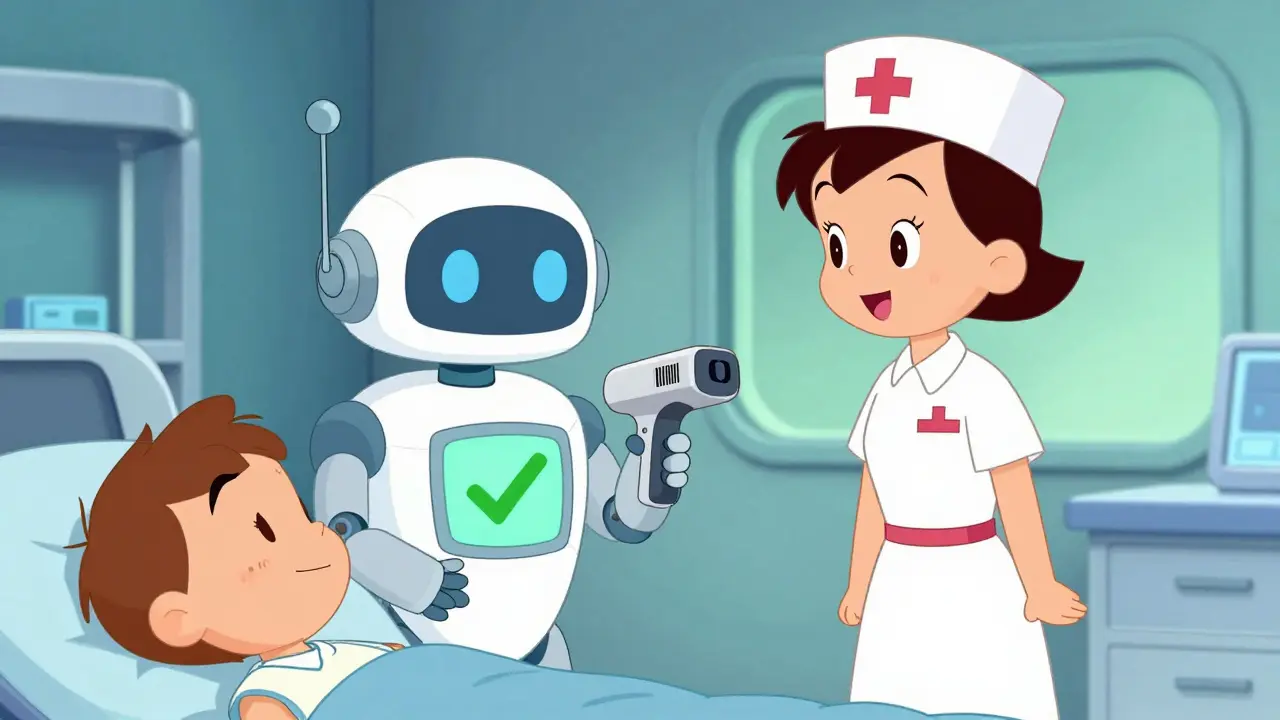
Technology offers powerful tools for verification, but they come with their own set of challenges. Barcode Medication Administration (BCMA) systems are now adopted in nearly 80% of US hospitals. When used correctly, they prevent 86% of potential medication errors related to drug, dose, and patient selection. However, they require 95-99% scanning compliance to be effective. If staff skip scanning because it slows them down, the safety net disappears.
Smart infusion pumps with Dose Error Reduction Software (DERS) are another game-changer. These devices reduce overdose errors by 85% by flagging doses outside established parameters. But they have a blind spot: they cannot detect wrong-patient errors. If you program the right dose for the wrong person, the pump won’t stop you. This is why technology must complement, not replace, human judgment.
| Method | Error Detection Rate | Time Impact | Best Use Case |
|---|---|---|---|
| Barcode Scanning (BCMA) | 86% for drug/patient/dose | Low (30-60 seconds) | Routine administrations, patient identification |
| Independent Double Check | 33-100% depending on error type | High (15-20% more time) | High-alert meds, complex infusions, pediatric doses |
| Smart Infusion Pumps | 85% for overdose errors | Medium | Continuous infusions, titration drips |
The most effective approach combines these methods. ASHP guidelines specify that verification of high-alert medication dose changes should include both independent double checks and barcode scanning. This redundancy ensures that if one layer fails, another catches the error.

Communication Protocols: SBAR and Read-Backs
Even the best technology can’t fix poor communication. Misunderstandings during verbal orders or handoffs are a leading cause of dose errors. Enter SBAR (Situation-Background-Assessment-Recommendation). This structured communication tool reduces miscommunication-related errors by 41% during dose change handoffs, according to research by Dr. Patricia Trangenstein at Duke University.
Here’s how SBAR works in practice:
- Situation: "I’m calling about Mr. Smith in Room 302. His blood sugar is 280 mg/dL."
- Background: "He’s on sliding scale insulin, last dose given at 0800."
- Assessment: "His renal function is stable, no new contraindications."
- Recommendation: "I recommend increasing his basal insulin from 10 units to 12 units."
Another critical technique is the "read-back." When receiving a verbal order, the listener repeats the entire order back to the sender, including the drug name, dose, route, and frequency. The sender then confirms accuracy. This simple step catches errors caused by similar-sounding drug names or ambiguous numbers. For instance, hearing "ten" versus "one" can be fatal if not clarified immediately.
Dr. Patrica Trangenstein’s research highlights that structured tools aren’t just bureaucratic hurdles-they’re cognitive aids. They reduce the mental load on both parties, ensuring that critical information isn’t lost in the noise of a busy hospital floor.
Implementing a 3-Step Verification Protocol
So, how do you put all this together into a practical workflow? The ISMP recommends a 3-step verification process for dose changes, particularly for high-alert medications:
- Independent Calculation: Two practitioners independently calculate the dose based on patient-specific factors (weight, renal function, etc.). This takes 2-3 minutes.
- Cross-Referencing: Verify the calculated dose against clinical guidelines and patient history. Add 1-2 minutes for this step.
- Bedside Verification: Perform final verification using barcode scanning at the patient’s bedside. This takes 30-60 seconds.
Training is essential for success. Initial education should take 4-6 hours, followed by quarterly competency assessments. Simulation training improves adherence rates to 89%, making it far more effective than classroom-only instruction. Hospitals like Johns Hopkins have dedicated "safety time" of 15-20 minutes per shift specifically for these verifications, resulting in a 37% reduction in dose verification errors.
Documentation must also be precise. Record the time of verification, the credentials of the verifiers, and confirmation of patient-specific factors. Incomplete documentation contributes to 29% of verification failures, so don’t treat it as an afterthought.
Navigating Challenges: Alert Fatigue and Workload
Let’s address the elephant in the room: workload. With nurse-to-patient ratios often exceeding 1:5, verification adherence drops by 43%. This isn’t a failure of character; it’s a failure of staffing models. Facilities must recognize that safety protocols require time. Cutting corners to save minutes can cost lives later.
Alert fatigue is another major hurdle. When systems generate too many irrelevant warnings, clinicians tune them out. To combat this, customize alerts to your specific patient population. Suppress low-risk warnings and prioritize those that truly matter. Regularly review alert logs to identify and eliminate unnecessary noise.
Shift changes are particularly vulnerable. ECRI reports that 61% of verification failures occur between 6:00-8:00 AM and PM. During these times, implement strict handoff protocols. Ensure that all pending dose changes are documented clearly and communicated verbally, not just through electronic records.
The Future: AI and Risk-Stratified Verification
Looking ahead, artificial intelligence is transforming verification. Epic’s DoseRange Advisor, launched in 2023, uses historical data to predict high-risk dose changes, reducing inappropriate adjustments by 52% in a 12-hospital study. Voice recognition tools are cutting documentation time by 65%, allowing clinicians to focus more on patient care and less on paperwork.
The trend is shifting from universal double checks to risk-stratified verification. Instead of verifying every dose, facilities are identifying high-risk patients and medications and applying enhanced scrutiny only where needed. Johns Hopkins’ Targeted Medication Verification protocol reduced nurse workload by 18% while decreasing errors by 22%. This approach aligns with the NASEM report’s conclusion that verification protocols must be designed around human factors to be sustainable.
Blockchain-based systems are also emerging, creating immutable audit trails for dose changes. While still in pilot phases, these technologies promise greater transparency and accountability in medication management.
What are high-alert medications?
High-alert medications are drugs that bear a heightened risk of causing significant patient harm when they are used in error. Examples include insulin, heparin, opioids, and concentrated electrolytes. The ISMP identifies 19 such medications in community pharmacy settings, requiring additional verification protocols.
How does SBAR improve communication?
SBAR (Situation-Background-Assessment-Recommendation) provides a structured framework for communication. By organizing information logically, it reduces ambiguity and ensures that all critical details are conveyed. Studies show it reduces miscommunication-related errors by 41% during dose change handoffs.
When should I use an independent double check?
Use independent double checks strategically for high-risk situations, such as administering high-alert medications, complex pediatric doses, or when technology fails. Avoid using them for routine tasks, as this leads to complacency and increased workload without proportional safety benefits.
What is the role of barcode scanning in dose verification?
Barcode Medication Administration (BCMA) systems verify the right patient, drug, dose, route, and time by scanning barcodes. They prevent 86% of potential errors related to these factors but require high compliance rates (95-99%) to be effective. They cannot detect wrong-patient errors if the wrong barcode is scanned.
How can hospitals reduce alert fatigue?
Hospitals can reduce alert fatigue by customizing alerts to suppress low-risk warnings and prioritizing critical ones. Regularly reviewing alert logs helps identify and eliminate unnecessary noise. Additionally, integrating smart infusion pumps with Dose Error Reduction Software (DERS) can help filter out irrelevant alerts.