
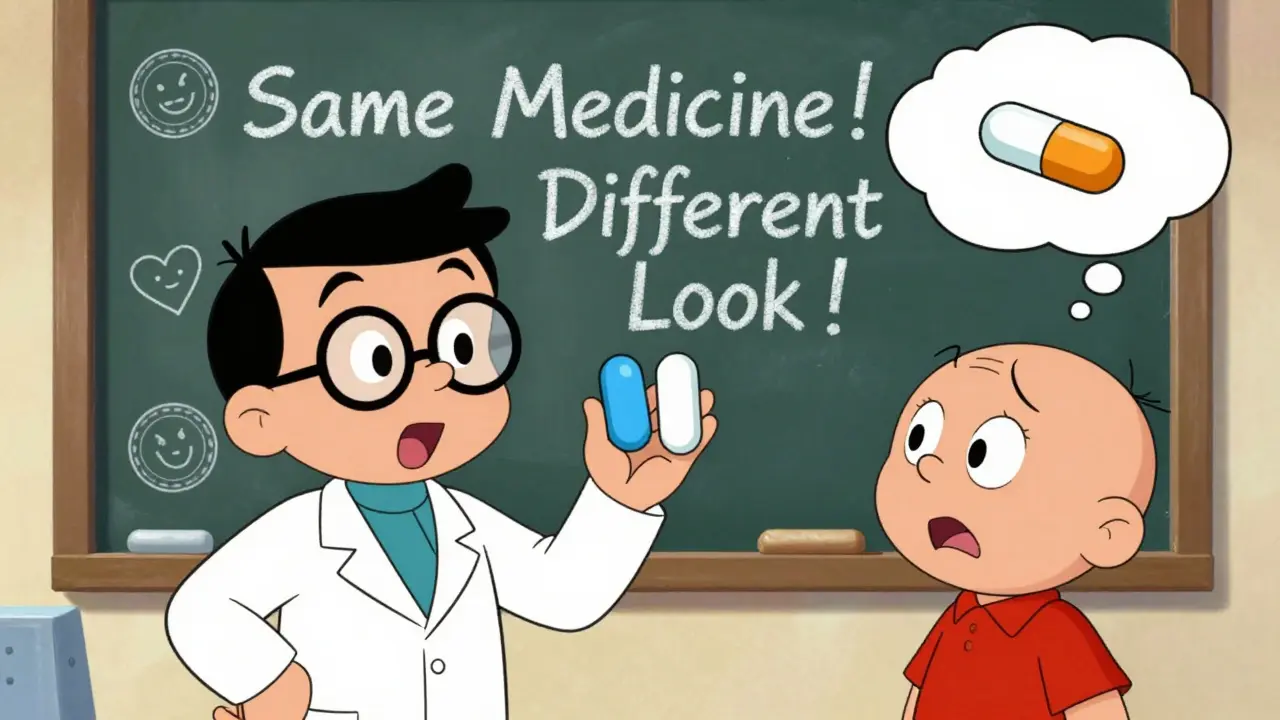
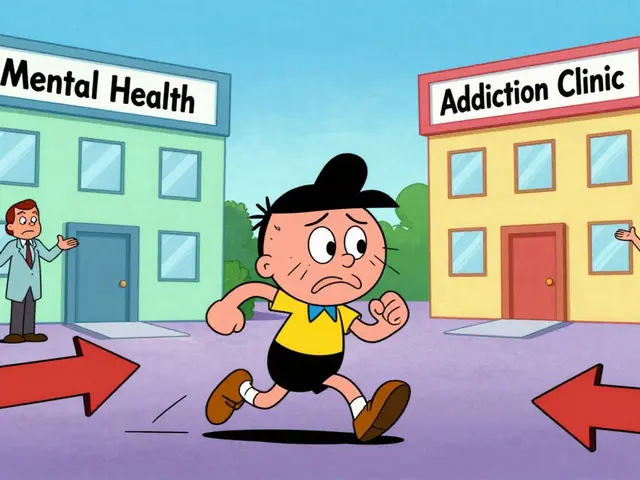
When a patient picks up their prescription and sees a pill that looks completely different from what they’re used to, their first thought isn’t always, "This saves me money."" It’s often, "Is this even the same drug?" That hesitation isn’t irrational-it’s rooted in real experiences, misinformation, and a system that rarely takes the time to explain.
Here’s the hard truth: 27% of patients in the U.S. are unsure or skeptical about generic medications. And it’s not because they’re stubborn. It’s because they’ve been handed a white rectangle instead of a blue oval, told it’s "the same," and left to wonder if they’ve been swapped out for something weaker. The problem isn’t the drug. It’s the conversation.
Why Patients Doubt Generics-And Why "It’s the Same" Doesn’t Work
Patients aren’t confused because they’re uneducated. They’re confused because they’ve been given incomplete or misleading information. A 2021 FDA survey found that 43% of patients believe generics contain only 80% of the active ingredient. That’s not a rumor-it’s a widespread misconception, and it’s dangerous. If someone thinks their blood pressure pill is 20% weaker, they might skip doses, switch back to the brand, or stop taking it altogether.
Appearance changes are the biggest trigger. One patient on Reddit described switching from a blue oval pill to a white rectangle and thinking, "I thought it was a different medication entirely." That’s not paranoia. That’s a normal human reaction to an unexplained change. And when the pharmacist says, "It’s cheaper," it doesn’t reassure them-it makes them feel like they’re getting the discount bin version of their health.
Worse, telling patients it’s "just cheaper" can backfire. A 2021 JAMA Internal Medicine study showed that when cost is the only justification, trust drops by 22%. Patients interpret that as: "They don’t think this is good enough for me." The goal isn’t to sell a cheaper product. It’s to restore confidence in the medicine.
The Communication Mistake Most Pharmacists Make
Too often, the interaction goes like this:
- Pharmacist: "This is the generic version. It’s the same thing, just less expensive."
- Patient: "But it looks different."
- Pharmacist: "It’s FDA-approved. It’s fine."
- Patient: (walks out, calls doctor, refuses to fill)
This isn’t counseling. It’s a script. And it fails because it skips the most important step: listening.
The American College of Clinical Pharmacy recommends a method called VALUE:
- Validate their concern: "I get why you’d notice the difference."
- Acknowledge their feelings: "It’s unsettling when something you’ve relied on changes."
- Listen actively: Let them finish. Don’t interrupt. Don’t jump to fix it.
- Understand their perspective: Ask, "What’s been your experience with generics before?"
- Educate with empathy: Now, share facts-not as a lecture, but as a response to their worry.
This approach works. Studies show it leads to 76% acceptance rates, compared to 58% with standard counseling. Why? Because patients don’t need more facts-they need to feel heard.
The Most Powerful Phrase in Generic Communication
There’s one line that consistently moves the needle: "I prescribe this generic for my own family."
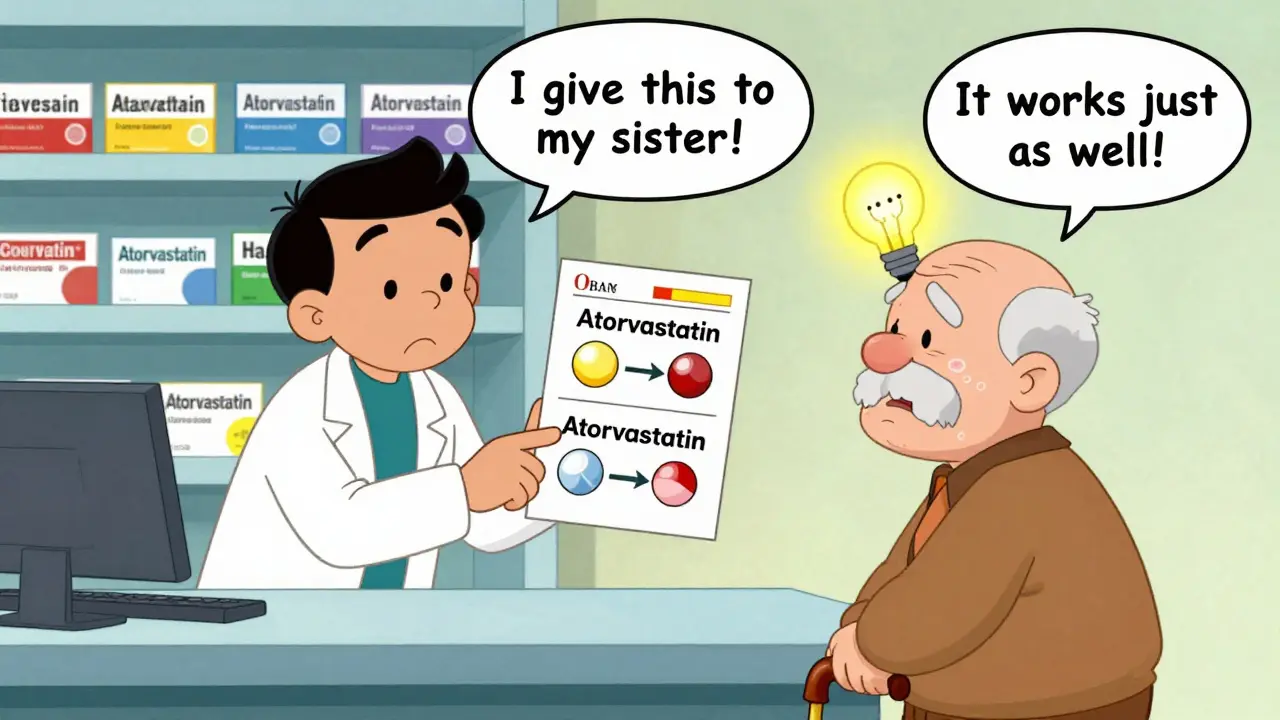
A 2020 study in the Journal of General Internal Medicine found that when providers used this personal endorsement, generic acceptance jumped by 37 percentage points. That’s not magic. It’s trust. Patients don’t trust the FDA. They don’t trust the manufacturer. They trust the person who’s been there with them through illness, side effects, and bad days.
That’s why the best pharmacists don’t just dispense-they personalize. Instead of saying, "This is bioequivalent," say, "This is the exact same active ingredient as the brand. The only difference is the name on the bottle. I give this to my sister for her cholesterol. It works just as well."
And if you’ve never taken a generic yourself? That’s okay. Say, "I’ve seen hundreds of patients take this exact medication, and their labs and symptoms haven’t changed. That’s why I feel confident recommending it."
Timing Matters More Than You Think
Most patients first hear about a generic substitution when they get to the pharmacy. That’s too late.
The FDA’s 2022 report showed that 89% of patients accept generics when they’re told about the switch at the time of prescribing. Only 63% accept it when told at the counter. Why? Because when the doctor says, "We’re switching you to the generic to save money," the patient feels like the decision was made together. When the pharmacist says it, it feels like a surprise.
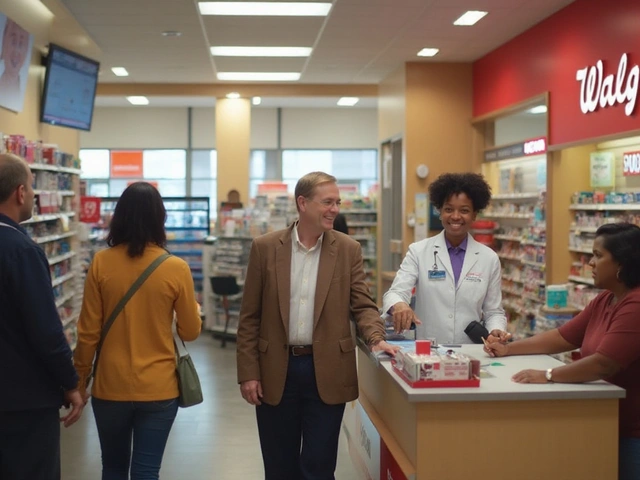
That’s why team-based care works best. When the prescriber and pharmacist are aligned, acceptance jumps to 85%. The doctor says, "I’m switching you to this generic because it’s just as effective and will help you save." Then the pharmacist says, "Yes, and here’s what to expect with the new pill-and here’s why it’s safe."
If your pharmacy doesn’t have direct communication with prescribers, start a simple practice: When a brand-name prescription comes in, call the office and say, "I see this is a brand-name prescription. Would you like me to switch to the generic? I can explain it to the patient if you’re okay with it." Most doctors will say yes.
Use Visuals-Not Just Words
Words alone can’t fix the visual shock of a pill change. But visuals can.
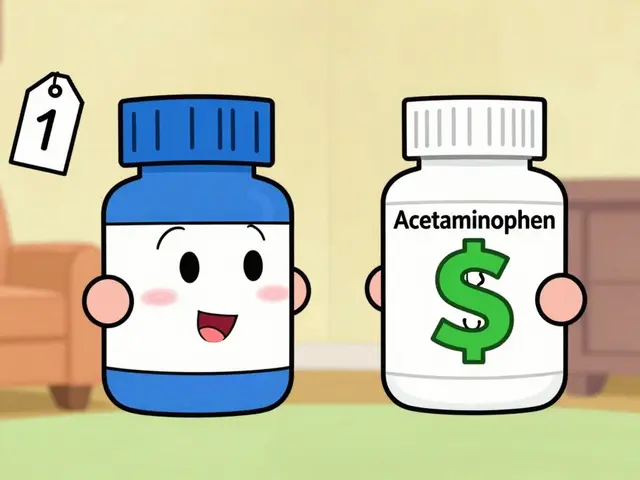
A Healthcare Hotline survey found that 68% of patients would accept a generic if they could see a side-by-side image of the brand and generic pill. That’s why Kaiser Permanente started using pill comparison cards in their pharmacies. They showed the shape, color, and imprint of both versions, with a simple label: "Same active ingredient. Different look."
The FDA now offers free digital tools, including 3D pill comparison tools and videos that show how generics are tested. You don’t need fancy tech. A printed image on a counter mat, a tablet with a simple photo, or even a hand-drawn sketch can make all the difference.
One patient told me, "I didn’t believe it was the same until I saw the pill side by side. Then I realized-oh, it’s just the same thing with a different coat."
Teach Back: The Secret to Real Understanding
Don’t just tell. Ask them to repeat it back.
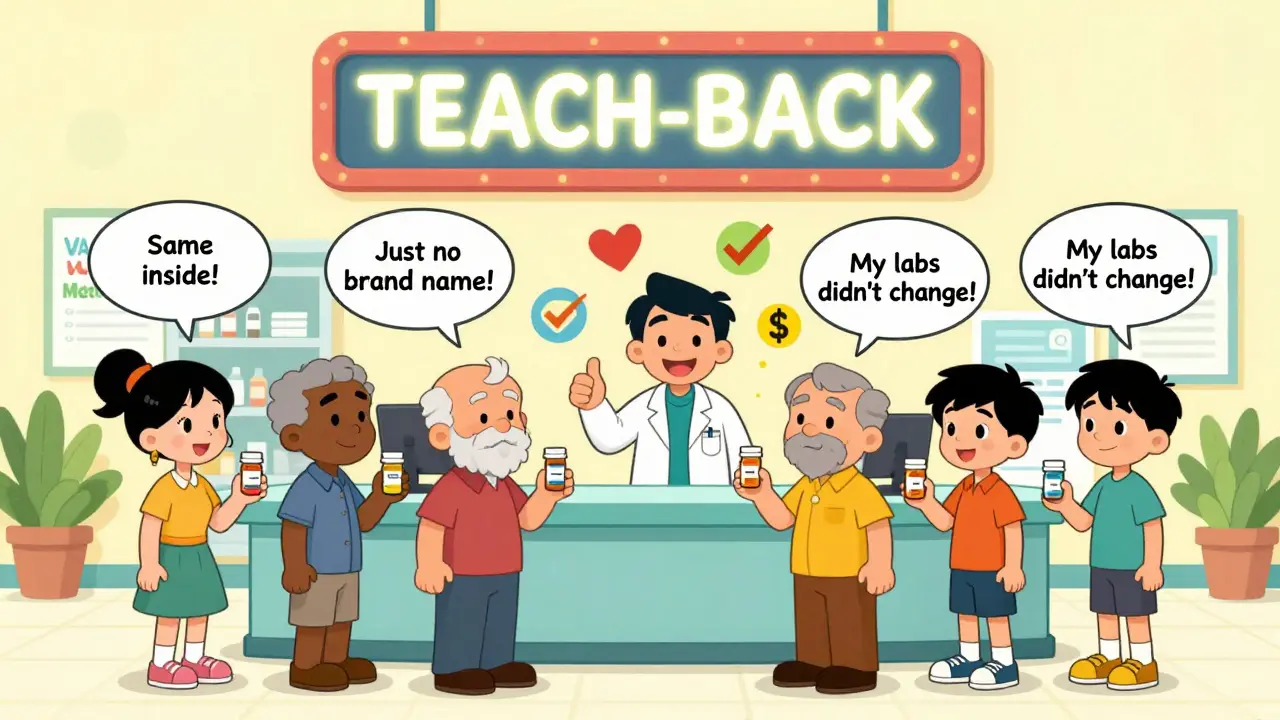
That’s the "teach-back" method. After explaining, say: "Just to make sure I explained this clearly-can you tell me in your own words why this generic is safe to take?"
This isn’t a test. It’s a safety net. If they say, "It’s cheaper so it must be weaker," you know you need to go back. If they say, "It has the same medicine inside, just no brand name," you know they get it.
Kaiser Permanente used teach-back with 12,000 patients. Acceptance rose from 54% to 81%. Why? Because teach-back turns passive listeners into active participants. It turns confusion into confidence.
What to Say When Patients Say, "It Didn’t Work for Me Before"
This is the toughest objection. Patients often blame the generic when their symptoms change-but the real culprit might be stress, diet, other meds, or even the placebo effect wearing off.
Don’t dismiss it. Don’t say, "That’s not possible." Say:
- "I hear you. That must have been frustrating."
- "Sometimes, when we switch from a brand to a generic, the body adjusts to a slightly different filler or coating. That can cause temporary side effects."
- "Let’s check your labs in a couple of weeks. If things aren’t stable, we can go back to the brand. But I want to give this a fair shot first."
That approach builds trust. It says: I believe you. I’m not ignoring your experience. And I’m here to help.
Why This Isn’t Just About Savings-It’s About Equity
Generics make up 90.9% of all prescriptions in the U.S., but they cost only 22.9% of the total drug spend. That’s $313 billion saved every year. But behind those numbers are real people-older adults on fixed incomes, rural patients driving miles to refill, families choosing between meds and groceries.
Patients over 65 are 38% more likely to hesitate about generics. Rural patients are 47% more likely. These aren’t random trends. They’re signs of a system that doesn’t always meet people where they are.
When you take the time to explain, you’re not just improving adherence. You’re reducing disparities. You’re helping someone keep their medication-not because they can afford the brand, but because they finally understand it’s safe.
What You Can Do Tomorrow
You don’t need a big budget or new software. Start with these three steps:
- Keep a printed pill comparison sheet on your counter. Show it to every patient who gets a generic for the first time.
- Use the VALUE method in your next five conversations. Validate. Acknowledge. Listen. Understand. Educate.
- Ask one patient: "Can you tell me back what I just explained about this pill?" Then adjust your explanation based on their answer.
And if you’re ever unsure what to say, remember this: Patients don’t need a pharmacy textbook. They need to know you’re on their side. That’s what turns hesitation into trust.
Why do patients think generics are less effective?
Many patients believe generics contain less active ingredient because of misinformation. A 2021 FDA survey found 43% of patients think generics have only 80% of the active drug. In reality, generics must deliver 80-125% of the brand’s effect to be approved by the FDA. The difference in pill shape or color doesn’t change the medicine inside-it’s just a different manufacturer’s version of the same drug.
Is it true that generics are made in lower-quality factories?
No. The FDA inspects all generic manufacturing facilities to the same standards as brand-name ones. In fact, many brand-name companies also make generic versions of their own drugs. The FDA requires identical quality controls, testing, and documentation for both. There’s no such thing as a "lower-tier" generic factory under U.S. law.
How can I tell if a generic is really the same as the brand?
Check the active ingredient on the label-it must match exactly. For example, if the brand is Lipitor (atorvastatin), the generic will say "atorvastatin calcium." The FDA requires bioequivalence testing to prove the generic delivers the same amount of medicine into the bloodstream at the same rate. You can also use the FDA’s online Drug Database or ask your pharmacist for a printed comparison sheet showing both pills side by side.
What should I say if a patient says, "My doctor prescribed the brand for a reason"?
Acknowledge their concern: "It’s smart to ask that." Then explain: "Most of the time, the brand was chosen because it was the first option listed or because insurance covered it. But the generic has the same active ingredient, same dose, and same safety profile. If your doctor had a specific reason to avoid the generic-like a known allergy to a filler-they would have noted it. Otherwise, the generic is just as safe and effective."
Can I switch back to the brand if the generic doesn’t seem to work?
Yes. If you notice a change in how you feel-like new side effects or reduced effectiveness-contact your prescriber. It’s rare, but sometimes a patient’s body responds differently to a different filler or coating in the generic. Your doctor can switch you back, or try a different generic manufacturer. The key is not to stop the medication on your own. Always talk to your provider first.
Why do some generics look so different from others?
Different manufacturers use different shapes, colors, and coatings to distinguish their products. These changes don’t affect the medicine inside. Think of it like different brands of bottled water-they look different, but the water is the same. The FDA requires the active ingredient to be identical, but allows manufacturers to vary the non-active parts, like dyes or binders, for practical or patent reasons.
Does insurance always require me to use generics?
Not always, but many plans require you to try the generic first before covering the brand. This is called "step therapy." If the generic doesn’t work for you, your doctor can file a prior authorization to get the brand covered. You’re not stuck with the generic if it’s not right for you-just asked to try it first, which is a standard practice for cost-effective care.
anggit marga
December 31, 2025 AT 21:34Why do we even care what patients think they know about pills
They don't know how their phone works but they think they know medicine
Give them the cheap pill and shut up
Marilyn Ferrera
January 1, 2026 AT 19:56Validating concerns isn't fluff-it's clinical necessity. The FDA's bioequivalence standards are rigorous, but trust isn't built on data sheets. It's built on tone, eye contact, and saying, 'I get why you're scared.' That's not counseling-it's medicine.
Robb Rice
January 1, 2026 AT 20:38I appreciate the emphasis on VALUE, but I think we're missing a critical point: many patients have never seen a pill comparison chart. I work in a rural clinic, and when I show them side-by-side images of brand vs. generic, their faces light up. It's not about education-it's about visualization. The brain believes what it sees.
Harriet Hollingsworth
January 2, 2026 AT 17:43Pharmacists are just glorified cashiers now. They don't care about your health-they care about their bonus. They push generics because they get kickbacks. I've seen it. And now they want us to believe their 'personal endorsement' is genuine? Please.
Deepika D
January 4, 2026 AT 16:28Let me tell you something-when I was working in a community pharmacy in Delhi, we had patients who would cry because they couldn't afford their brand-name meds. One woman said, 'My husband takes this for his heart, and I don't want him to die because I'm poor.' So we started using handwritten notes on the pill bottle: 'Same medicine. Just no fancy label.' We used pictures from the internet, printed them on cardstock, and taped them to the bottle. Within three months, refill rates went up by 60%. It wasn't about the science-it was about dignity. You don't need fancy tools. You need to see people as human beings, not insurance claims. And if you're not doing that, you're not a pharmacist-you're a vending machine.
Darren Pearson
January 4, 2026 AT 23:59The VALUE framework is an elegant construct, but its efficacy is contingent upon the sociocultural capital of the patient population. In contexts where epistemic authority is centralized in the physician, pharmacist-led education may be perceived as encroachment rather than collaboration. The 76% acceptance rate cited is statistically significant, yet it fails to account for stratification by education, health literacy, and institutional trust. One must interrogate the epistemology of compliance before prescribing communication strategies.
Stewart Smith
January 5, 2026 AT 04:50So let me get this straight… the solution to patients doubting generics is to have pharmacists lie and say they prescribe them for their own family? Brilliant. Next we’ll have nurses say they eat the same hospital food as the patients. At least the pill comparison charts are real. The rest is just theater.
Retha Dungga
January 7, 2026 AT 01:25OMG this is so real 😭 I had a friend who stopped her meds because the pill looked different and now she's in the hospital… I just told her 'it's the same stuff honey' and she looked at me like I was crazy 🤦♀️
we need more visuals and less jargon 🙏
Jenny Salmingo
January 7, 2026 AT 08:00I'm from the Philippines and we don't even have brand names there. Everyone takes generics. No one questions it. We just take the pill. Maybe we're not overthinking it. Maybe the problem isn't the patient-it's the system that made them think their medicine is a luxury.