Dry Eye Risk Assessment Tool
Assess Your Dry Eye Risk & Get Personalized Recommendations
Answer the following questions about your current medications and eye care routine to determine your risk level and receive tailored recommendations.
Personalized Recommendations:
Note: This assessment provides general guidance based on common patterns associated with medication-induced dry eye. It does not replace professional medical advice. Always consult with your healthcare provider before making changes to your medication regimen or treatment plan.
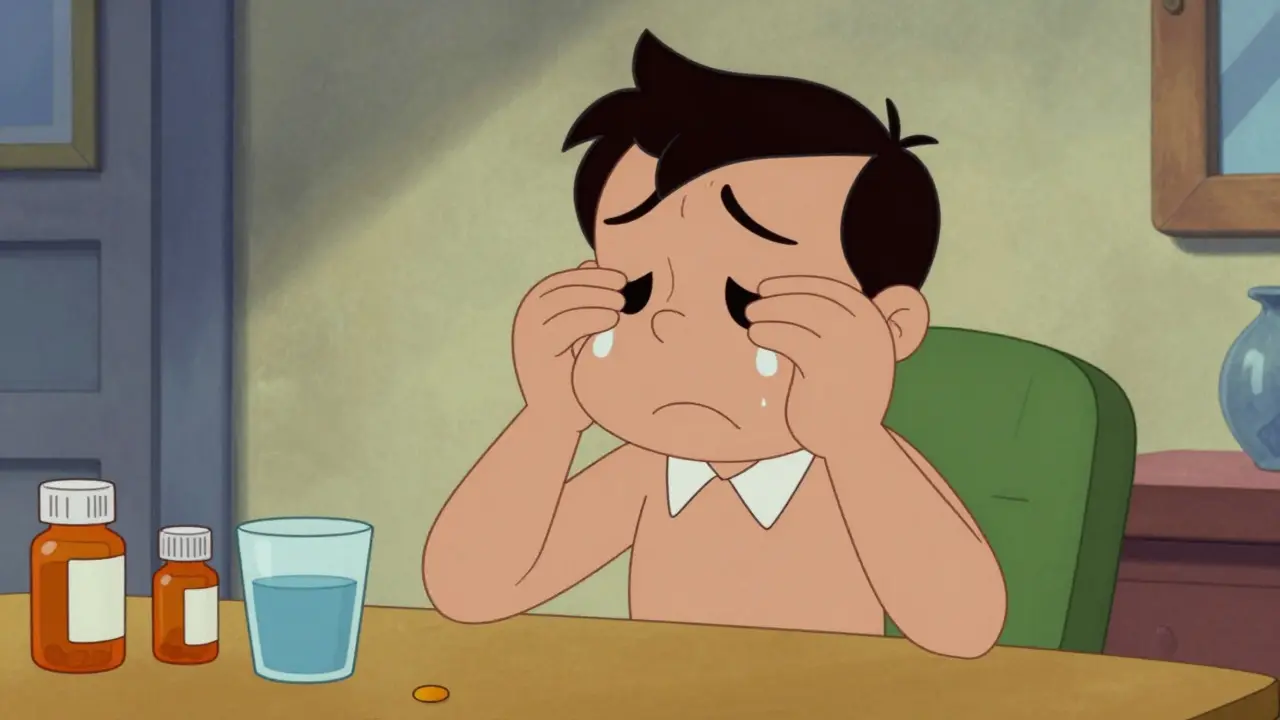
Does your vision feel gritty, burning, or blurry after starting a new prescription? You might not be imagining it. For millions of people, the cure for one health problem is causing another right in front of their eyes. Medication-induced dry eye is a common ocular condition where pharmaceutical treatments disrupt natural tear production or composition, leading to discomfort that can make reading, driving, or even blinking painful. This isn't just a minor annoyance; it's a significant side effect affecting up to 30% of all dry eye cases globally. If you are over 65, that risk jumps to 40%. The good news? You don't have to suffer through it. By understanding which drugs cause this issue and applying targeted lubrication strategies and lifestyle tweaks, you can restore comfort without necessarily stopping your essential medications.
Why Your Medications Are Drying Out Your Eyes
To fix the problem, we first need to understand what's happening under the surface. Your eyes rely on a delicate balance of water, oil, and mucus to stay healthy. When certain drugs enter your system, they interfere with this balance in four main ways:
- Anticholinergic effects: These block the nervous system signals that tell your lacrimal glands to produce tears. Think of it like cutting the power cord to a faucet.
- Glandular changes: Some meds impair the meibomian glands located in your eyelids. These glands produce the oily layer that prevents tears from evaporating too quickly.
- Systemic dehydration: Drugs like diuretics pull fluid from your entire body, leaving your eyes parched as a secondary effect.
- Tear film instability: Certain chemicals alter the composition of your tears or introduce irritants that break down the protective layer on your eye surface.
The most common culprits include antihistamines (like diphenhydramine), antidepressants (such as sertraline or fluoxetine), blood pressure medications (like metoprolol), and acne treatments like isotretinoin. Even glaucoma drops can be problematic due to preservatives like benzalkonium chloride, which cause irritation in nearly half of users.
The Gold Standard: Lubrication Strategies That Actually Work
When it comes to treating medication-induced dry eye, not all eye drops are created equal. In fact, using the wrong kind can make things worse. Here is how to approach lubrication correctly.
Switch to Preservative-Free Artificial Tears
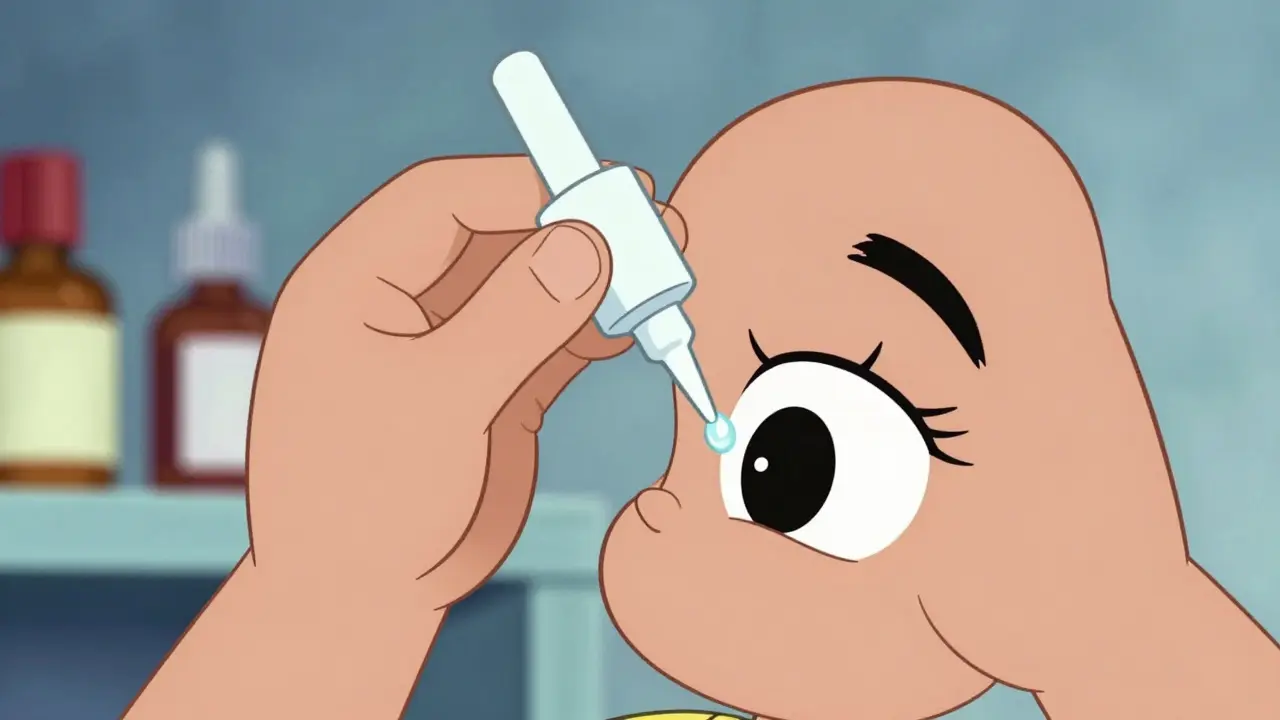
If you are using drops more than four times a day, standard bottled tears are likely hurting you. They contain preservatives to prevent bacterial growth in the bottle, but these chemicals build up on your eye surface and cause toxicity over time. Preservative-free artificial tears come in single-use vials, eliminating this risk entirely. Ophthalmologists recommend these for frequent use because they soothe without irritating.
Timing Is Everything
How you apply your drops matters as much as the drops themselves. If you use glaucoma medication, wait at least 15 minutes before applying artificial tears. Applying them immediately can wash away the therapeutic drug, reducing its effectiveness. Studies show that spacing out applications by 15 minutes improves symptom relief by 78%.
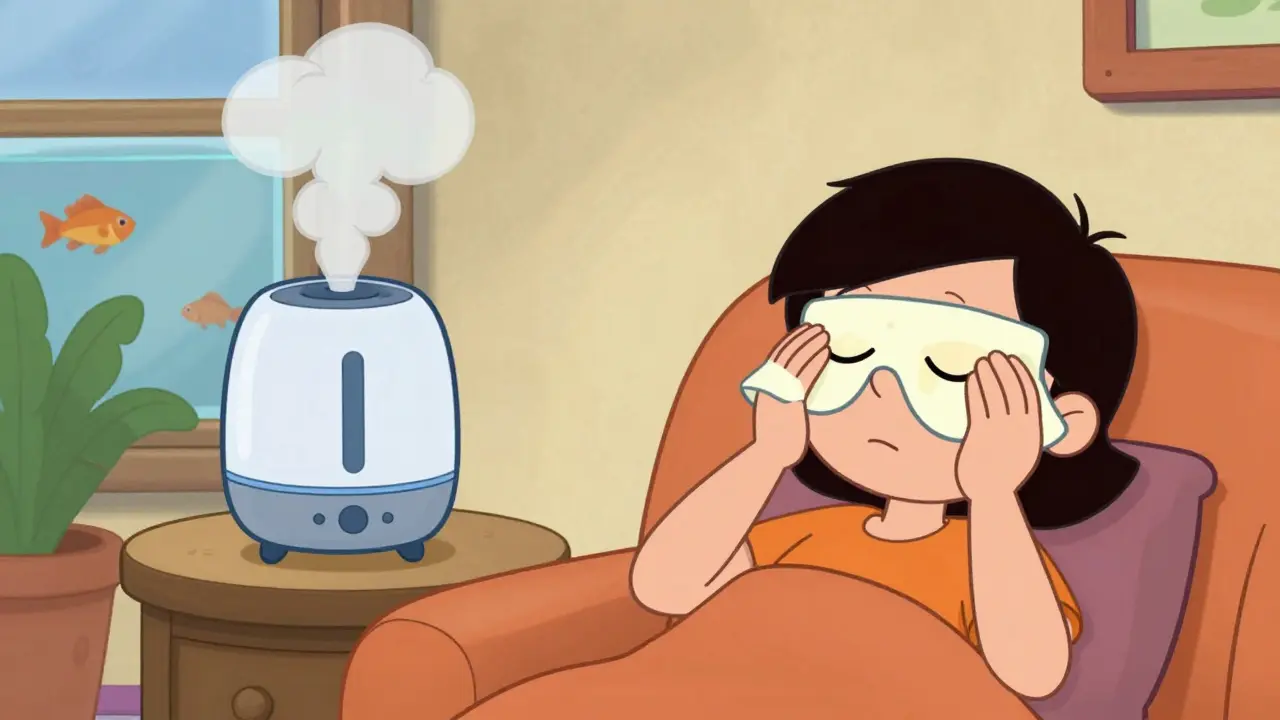
Warm Compresses for Gland Health
If your medication affects your oil glands (like isotretinoin does), drops alone won't cut it. Apply a warm compress to your closed eyelids for 10-15 minutes twice daily. Follow this with a gentle lid massage to help unclog the meibomian glands. This simple routine improves gland function in 65% of cases involving glandular blockage.
Lifestyle Tweaks to Reduce Tear Evaporation
Lubrication treats the symptoms, but lifestyle changes address the environment. Since your eyes are already compromised by medication, you need to create a buffer against factors that speed up tear evaporation.
| Action | Why It Helps | Target Metric |
|---|---|---|
| Use a Humidifier | Adds moisture to dry indoor air, preventing rapid tear evaporation. | Maintain humidity between 40-60% |
| Follow the 20-20-20 Rule | Reduces digital eye strain by encouraging full blinks. | Every 20 mins, look 20 feet away for 20 seconds |
| Avoid Direct Airflow | Fans and car vents accelerate tear loss. | Keep airflow below 0.15 m/s near face |
| Take Omega-3 Supplements | Improves the quality of the oil layer in tears. | 1,000-2,000 mg EPA/DHA daily |
| Quit Smoking | Tobacco smoke exacerbates inflammation and dryness. | 45% reduction in symptom severity |
One often overlooked tip is the "blink fully" technique. When we stare at screens, our blink rate drops by half, and we often perform incomplete blinks. Make a conscious effort to squeeze your eyes shut gently every few minutes to spread the tear film evenly across the cornea.
When Over-the-Counter Isn't Enough: Prescription Options
If lifestyle changes and preservative-free drops don't bring relief within 2-4 weeks, it’s time to talk to your doctor about stronger interventions. There are effective prescription treatments designed specifically for chronic dry eye.
- Cyclosporine ophthalmic emulsion (Restasis): This anti-inflammatory drop increases tear production by 15-20% after six months of consistent use. It targets the root cause-ocular surface inflammation-rather than just adding moisture.
- Lifitegrast ophthalmic solution (Xiidra): Clinical trials show this reduces dry eye symptoms by 30% by blocking specific immune pathways involved in inflammation.
- Punctal Plugs: For severe cases, tiny plugs can be inserted into your tear ducts to block drainage. This keeps your natural tears on the eye longer, increasing tear volume by 40-50%. Temporary collagen plugs dissolve in a few months, while silicone plugs are permanent.
Newer innovations, such as nanomicellar cyclosporine formulations (like Cequa), offer faster absorption and less stinging upon application, making adherence easier for patients who previously struggled with traditional prescriptions.
The Critical Step: Reviewing Your Medication List
Here is the hard truth: no amount of eye drops will fully fix the problem if the underlying cause remains unchecked. However, do not stop taking your prescribed medications abruptly. Stopping blood pressure meds or antidepressants suddenly can be dangerous.
Instead, schedule a review with both your prescribing physician and an eye care specialist. Ask these specific questions:
- Is there an alternative medication with fewer anticholinergic or drying side effects?
- Can my dosage be reduced while still managing my primary condition?
- Are there non-pharmacological alternatives I haven't tried?
In 55% of cases, simply adjusting the dose or switching to a different class of drug alleviates dry eye symptoms significantly. For example, switching from a first-generation antihistamine to a second-generation one often resolves eye dryness without sacrificing allergy relief.
What to Expect: Timeline and Adherence
Managing medication-induced dry eye is a marathon, not a sprint. Most patients see initial improvement within 2-4 weeks of consistent lubrication therapy. However, prescription anti-inflammatories like Restasis take 3-6 months to reach full efficacy. Consistency is key-missing doses or skipping warm compresses can set back progress.
Remember that 60% of treatment success depends on patient adherence. Create a routine: keep your preservative-free vials visible on your desk, set phone reminders for warm compresses, and integrate the 20-20-20 rule into your workday. With the right combination of medical oversight and daily habits, you can reclaim clear, comfortable vision despite your medication regimen.
Which medications are most likely to cause dry eyes?
The most common offenders include antihistamines (like Benadryl), antidepressants (such as Zoloft and Prozac), blood pressure medications (like beta-blockers and diuretics), acne treatments (isotretinoin/Accutane), and certain glaucoma eye drops containing preservatives.
Should I stop taking my medication if it causes dry eyes?
No, never stop prescribed medication abruptly without consulting your doctor. Instead, ask your physician if there are alternative drugs with fewer side effects or if a dosage adjustment is possible. Coordinated care between your primary doctor and an eye specialist is essential.
What is the difference between preserved and preservative-free eye drops?
Preserved drops contain chemicals to prevent bacterial growth in multi-dose bottles, which can irritate the eye surface with frequent use. Preservative-free drops come in single-use vials, making them safer for use more than four times a day and ideal for sensitive or medicated eyes.
How long does it take for dry eye treatments to work?
Over-the-counter lubricants provide immediate but temporary relief. Prescription anti-inflammatories like cyclosporine typically take 3-6 months of consistent use to show full benefits. Warm compresses and lifestyle changes may show improvement within 2-4 weeks.
Can diet help with medication-induced dry eye?
Yes. Supplementing with omega-3 fatty acids (1,000-2,000 mg of EPA/DHA daily) has been shown to improve tear film stability in 60% of patients within three months. Staying well-hydrated also supports overall tear production.