

Imagine your heart suddenly starts racing. Your hands begin to shake so hard you can’t hold your coffee cup. You feel a cold sweat breaking out on your forehead, and the room seems to tilt slightly. If you have diabetes, a chronic condition affecting how your body processes blood sugar, this isn’t just stress-it’s likely hypoglycemia, a medical condition characterized by abnormally low blood glucose levels. This happens when your blood sugar drops below 70 milligrams per deciliter (mg/dL) or 3.9 millimoles per liter (mmol/L). For people without diabetes, the threshold is lower, typically below 55 mg/dL (3.1 mmol/L).
Hypoglycemia is not just an inconvenience; it is a serious metabolic event. According to the American Diabetes Association (ADA), the leading professional organization for diabetes research and advocacy in the United States, it is the most frequent acute complication of diabetes treatment. About 47% of people with Type 1 diabetes and 33% of those with insulin-treated Type 2 diabetes experience these episodes annually. If left untreated, severe hypoglycemia can lead to seizures, unconsciousness, or even death within 15 to 20 minutes. The good news? It is highly preventable if you know what to look for and how to react.
Understanding the Warning Signs
Your body sends distress signals when glucose runs low. These symptoms fall into two categories: adrenergic (fight-or-flight) and neuroglycopenic (brain starvation). Knowing the difference helps you act before things get dangerous.
Adrenergic Symptoms: These are caused by the release of epinephrine (adrenaline) as your body tries to raise blood sugar. They usually appear first and include:
- Rapid heartbeat (palpitations exceeding 100 beats per minute)
- Shaking or tremors in the hands
- Sudden sweating (diaphoresis)
- Anxiety or irritability
- Hunger pangs
Neuroglycopenic Symptoms: These occur when the brain doesn't get enough fuel. They signal that your blood sugar is dropping further and require immediate action:
- Blurred vision (often appearing at 55-60 mg/dL)
- Confusion or difficulty concentrating
- Dizziness or weakness
- Slurred speech
- In severe cases, seizures or loss of consciousness (below 45 mg/dL)
A critical issue many long-term diabetics face is hypoglycemia unawareness, a condition where individuals no longer feel the early warning signs of low blood sugar. After years of frequent lows, the body stops releasing adrenaline effectively. This affects about 25% of Type 1 diabetes patients after 15+ years. Without those early shakes or sweats, you might skip straight to confusion or fainting, which is incredibly dangerous.
Immediate Treatment: The 15-15 Rule
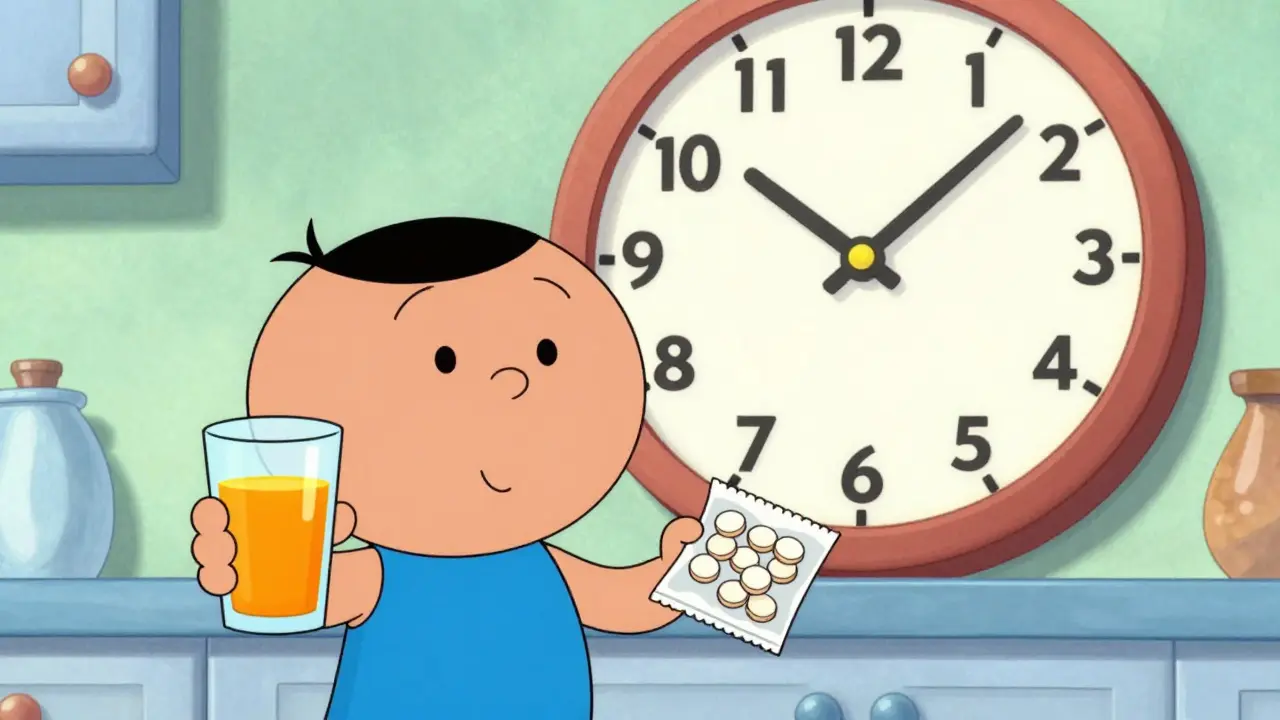
If you suspect low blood sugar, don’t guess-test if you can. If you can’t test but have classic symptoms, treat it anyway. The gold standard for treating mild to moderate hypoglycemia is the 15-15 Rule, a clinical protocol for raising blood sugar safely and effectively.
- Eat 15 grams of fast-acting carbohydrates. Good options include:
- 4 ounces (1/2 cup) of fruit juice or regular soda (not diet)
- 1 tablespoon of honey or sugar
- 3-4 glucose tablets
- 1 tube of glucose gel
- Wait 15 minutes. Do not eat more yet. Give your body time to absorb the sugar.
- Recheck your blood sugar. If it is still below 70 mg/dL, repeat step 1.
- Once above 70 mg/dL, eat a snack or meal. If your next meal is more than an hour away, pair carbs with protein or fat (like crackers with cheese) to keep levels stable.
This method works in about 78% of mild-to-moderate cases. However, avoid "over-treating" by eating a massive amount of candy. This causes a spike followed by another crash, creating a rollercoaster effect that makes management harder.
Handling Severe Hypoglycemia
What if the person is confused, seizing, or unconscious? They cannot swallow safely. Do not put food or drink in their mouth-they could choke. In these Level 3 events, you need glucagon, a hormone that raises blood glucose levels by signaling the liver to release stored sugar.
Glucagon kits are available by prescription. Recent advancements have made them much easier to use:
- Nasal Powder (e.g., Baqsimi, Zegalogue): These FDA-approved options (cleared in 2023) offer a needle-free alternative. Studies show they achieve a response rate of up to 94% within 15 minutes.
- Injectable Glucagon: Traditional injectables remain effective, with intramuscular administration achieving recovery in 85% of cases within 15 minutes.
If someone collapses due to suspected hypoglycemia, call emergency services immediately while administering glucagon if available. Place them in the recovery position (on their side) to keep their airway clear.
Why Does Hypoglycemia Happen?
For diabetics, hypoglycemia is usually an imbalance between medication, food, and activity. Here are the main culprits:
- Too Much Insulin or Medication: Approximately 73% of episodes result from insulin overdose or incorrect dosing.
- Delayed or Skipped Meals: Not eating enough carbohydrates relative to your medication dose accounts for about 19% of cases.
- Unplanned Physical Activity: Exercise increases glucose uptake by muscles. Unexpected exertion exceeding 6 METs (Metabolic Equivalents of Task) without adjusting carbs or insulin can trigger a drop.
- Alcohol Consumption: Alcohol inhibits the liver’s ability to release glucose, increasing risk for hours after drinking.
Non-diabetic hypoglycemia is rarer but can occur due to reactive issues (post-meal drops, often after bariatric surgery) or fasting issues (indicating underlying conditions like insulinoma or organ failure).
Prevention Strategies That Work
Treatment is necessary, but prevention is better. Here is how to reduce your risk:
1. Monitor Consistently
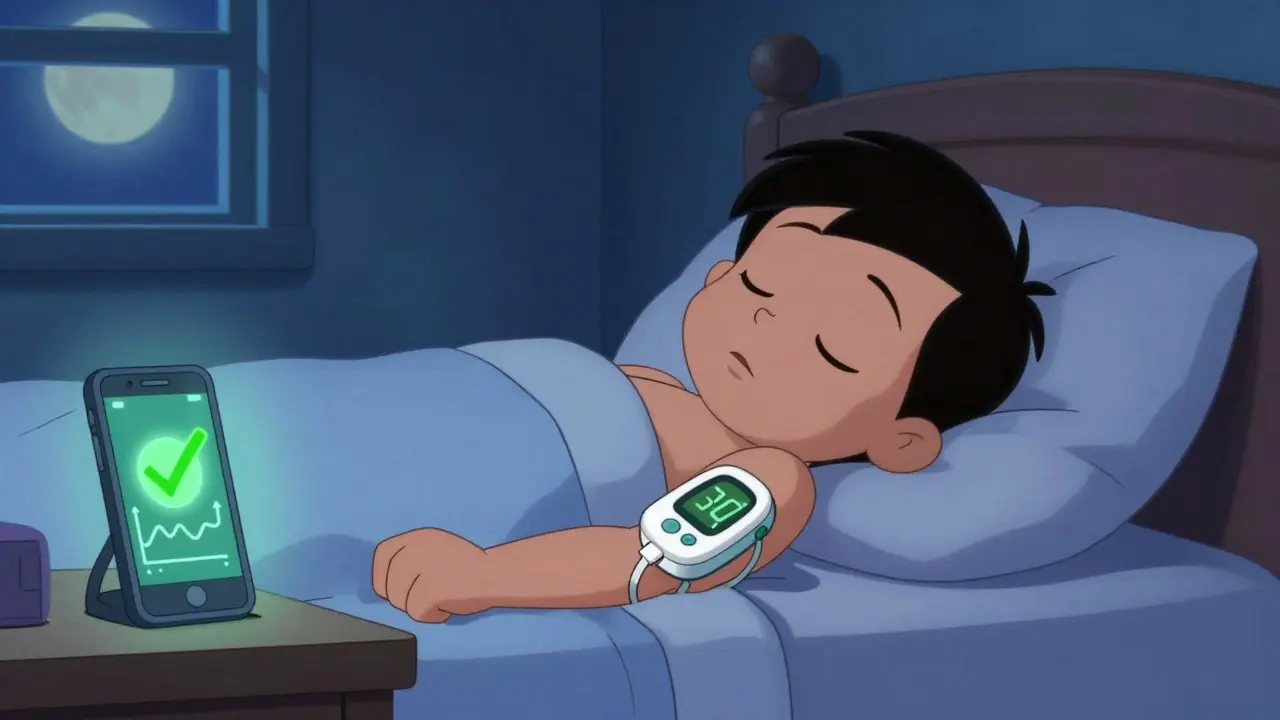
Regular monitoring is non-negotiable. Continuous Glucose Monitors (CGMs), wearable devices that track blood sugar levels in real-time via interstitial fluid have revolutionized care. CGM usage among insulin-treated diabetics has risen from 12% in 2017 to 67% in 2023. These devices reduce hypoglycemia duration by 35% and provide alarms before levels get critically low. Look for features like "low-glucose suspend" which automatically pause insulin delivery in hybrid closed-loop systems.
2. Adjust for Exercise
If you plan to exercise for more than 45 minutes, consider reducing your basal insulin by 20-50% beforehand, depending on intensity. Always carry fast-acting carbs during workouts. Check your blood sugar before, during, and after activity.
3. Manage Nocturnal Hypoglycemia
Nighttime lows are particularly dangerous because you can’t wake up to treat them. "Dead-in-bed" syndrome, though rare, is linked to nocturnal hypoglycemia. To prevent this:
- Check blood sugar before bed. If it’s trending down, have a small snack.
- Use CGM alarms set to 70 mg/dL or higher.
- Avoid alcohol close to bedtime.
4. Educate Your Circle
Misdiagnosis is common. Family, friends, and coworkers often mistake hypoglycemia for drunkenness or anger. Wear medical ID jewelry. Teach loved ones how to recognize symptoms and administer glucagon. A simple card in your wallet stating "I have diabetes and may become confused if my blood sugar drops" can save lives.
| Tool/Method | Best For | Key Benefit | Limitation |
|---|---|---|---|
| Blood Glucose Meter | All diabetics | Instant, accurate spot check | No trend data or alerts |
| Continuous Glucose Monitor (CGM) | Insulin users | Real-time trends & alarms | Cost & potential alarm fatigue |
| Nasal Glucagon | Emergency rescue | Needle-free, easy for bystanders | Requires prescription |
| Glucose Tablets | Daily correction | Precise 15g dose | Must be carried everywhere |
When to See a Doctor
You should consult your healthcare provider if:
- You experience more than one hypoglycemic episode per week.
- You notice symptoms changing or disappearing (signs of unawareness).
- You have frequent nighttime lows despite adjustments.
- You are starting new medications or changing exercise routines.
Your doctor may adjust your insulin regimen, switch you to newer medications with lower hypoglycemia risk, or recommend advanced technology like an artificial pancreas system.
How quickly does hypoglycemia develop?
Hypoglycemia can develop rapidly, especially with rapid-acting insulin. Symptoms often appear within 10-20 minutes of a significant drop in blood glucose. However, there is often a lag between actual blood glucose changes and symptom onset, which is why regular monitoring is crucial.
Can you have hypoglycemia without diabetes?
Yes, though it is less common. Non-diabetic hypoglycemia can be reactive (occurring 2-4 hours after meals) or fasting-related. Causes include certain medications, hormonal deficiencies, liver or kidney disease, and rare tumors like insulinomas. If you experience recurrent low blood sugar without diabetes, seek medical evaluation.
Is chocolate good for treating low blood sugar?
Chocolate is not ideal for immediate treatment because the fat content slows down sugar absorption. While it contains sugar, it takes longer to raise blood glucose levels compared to glucose tablets, fruit juice, or regular soda. Use fast-acting carbs first, then you can enjoy chocolate as part of a stabilizing snack later.
What is hypoglycemia unawareness?
Hypoglycemia unawareness is a condition where the body stops producing the adrenaline surge that causes typical warning signs like shaking or sweating. This means a person may not realize their blood sugar is dangerously low until they experience confusion or lose consciousness. It is more common in long-term diabetics and requires strict glucose management and possibly CGM use to mitigate risks.
How does alcohol affect blood sugar?
Alcohol inhibits the liver's ability to release stored glucose, which can cause blood sugar to drop hours after drinking, even overnight. It also masks hypoglycemia symptoms, making them resemble intoxication. Diabetics should always consume alcohol with food, monitor blood sugar closely, and avoid binge drinking.


Chris Munton
July 4, 2026 AT 17:34Paul Diamond
July 6, 2026 AT 03:20Peter Sverla
July 7, 2026 AT 23:42Sydney Jarrett
July 8, 2026 AT 12:45Lorena Suarez
July 9, 2026 AT 00:48Isis Fleming
July 9, 2026 AT 00:56Ben Murphy
July 9, 2026 AT 23:57