
Most people think cochlear implants are only for those who are completely deaf. That’s not true anymore. If you’re still struggling to understand conversations-even with hearing aids-you might be a candidate. The rules changed in 2023, and thousands of people who were told "you’re not ready yet" are now being offered a life-changing solution.
What Cochlear Implant Candidacy Really Means
Cochlear implant candidacy isn’t about how loud you can hear. It’s about how clearly you understand speech. You don’t need to be totally deaf. You don’t even need to have lost your hearing for decades. If you’re getting less than 50% of words right when wearing properly fitted hearing aids, you’re likely a candidate.The old standard-requiring a pure-tone average of 70 dB or worse and sentence recognition under 40%-is outdated. That cutoff excluded people who still had some hearing but couldn’t make sense of conversations. Think of it like this: if your hearing aids are turning up the volume but the words are still muffled, blurry, or disappearing in noise, your brain isn’t getting the signal it needs. That’s not a hearing aid problem. That’s a neural one. And that’s where a cochlear implant helps.
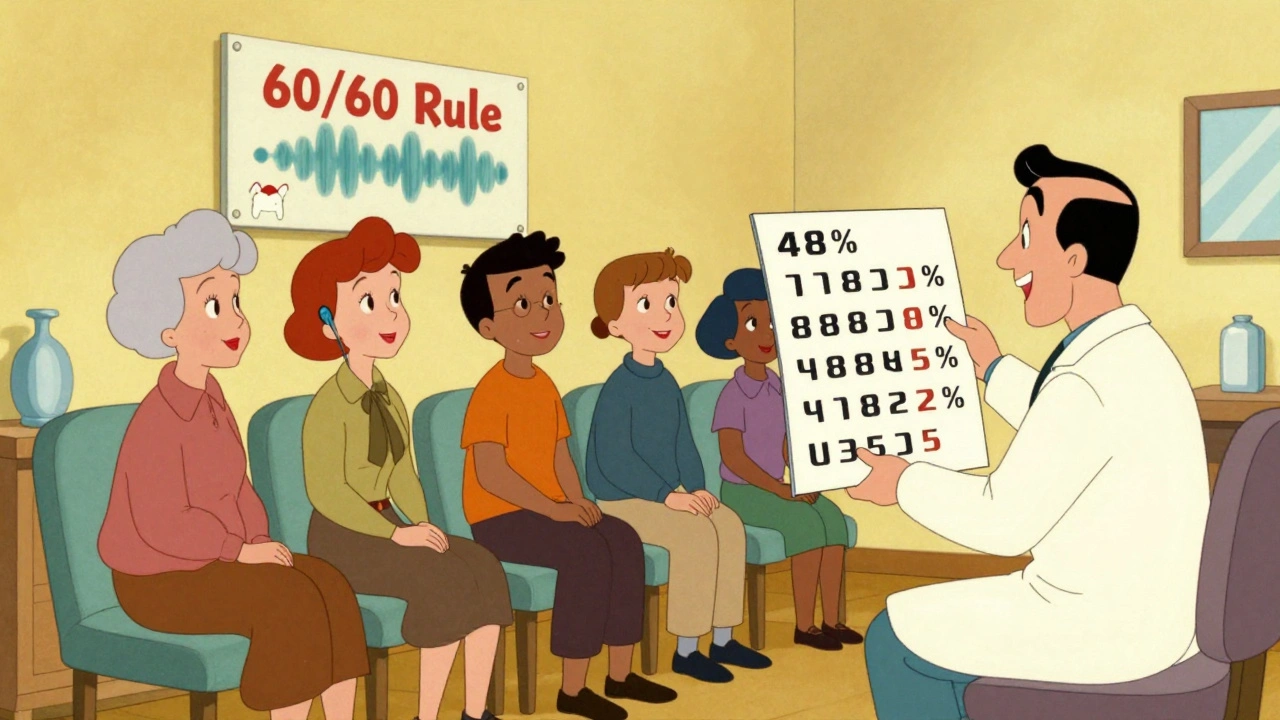
Today, experts use the "60/60 rule" as a practical starting point: if your better ear has a speech recognition score of 60% or lower with hearing aids, you should be referred for evaluation. That’s not a final decision-it’s a trigger to get you in front of the right team. Even if you score 55%, or 48%, or 40%, you still deserve to know what’s possible.
The Evaluation Process: More Than Just a Hearing Test
A full candidacy evaluation takes several appointments and involves more than a standard audiogram. Here’s what it actually looks like:- Hearing aid verification: Your hearing aids must be checked with real-ear measurements. Too many people are turned away because their aids aren’t programmed correctly. If your aids aren’t working right, you’re not being tested fairly.
- Unaided and aided speech testing: You’ll repeat words and sentences in quiet and in noise. The gold standard is the AzBio sentence test-it mimics real-life listening better than older word lists like CNC.
- Functional assessment: Tools like the SSQ (Speech, Spatial, and Qualities of Hearing Scale) ask how you actually experience listening: Can you follow a group conversation? Do you avoid restaurants? Do you feel exhausted after a family dinner? These real-world struggles matter more than booth scores.
- Medical imaging: A CT scan checks the structure of your inner ear. An MRI rules out tumors or nerve damage. These aren’t just routine-they’re essential to know if the implant can be safely placed.
- Psychological and motivation check: Are you ready to commit to rehabilitation? Cochlear implants aren’t magic. They require time, patience, and active listening practice. But if you’re motivated, outcomes improve dramatically.
One of the biggest mistakes clinics make? Skipping the functional assessment. Someone might score 60% on a word test in a quiet room but still can’t talk on the phone, follow TV dialogue, or hear their grandchild say "I love you." That’s not normal. That’s a red flag.
Who Was Left Out Before-and Who’s Included Now
The old rules excluded a lot of people:- People with asymmetric hearing loss-one ear good, one ear bad. Many were told they didn’t qualify because their "better ear" worked okay. Now, if your bad ear is failing, it can be implanted.
- People with single-sided deafness. Before, they were told to "just use your good ear." Now, implants can restore balance and spatial hearing.
- People with residual hearing. If you still hear some low tones, you might be a candidate for a hybrid implant that combines electric and acoustic stimulation.
- People with long-standing hearing loss. You don’t need to get an implant within a year of losing your hearing. Studies show people implanted after 15 or even 20 years of deafness can still do well-if they’re motivated and get proper rehab.
Here’s the hard truth: 80% of people who could benefit from a cochlear implant never even get referred. Why? Because primary care doctors, ENTs, and even audiologists still think it’s a last-resort option. The 2023 guidelines say: There is no bad referral. If you’re unsure, refer them. The evaluation will tell you if they’re a match.
What Happens After the Implant
Getting the device is just the beginning. The surgery itself is outpatient, takes 1.5-3 hours, and most people go home the same day. The implant is turned on 2-6 weeks later. That first activation is emotional-some hear beeps, others hear voices. It’s not instant.Rehabilitation is where real progress happens. You’ll work with an audiologist and speech-language pathologist for months. You’ll practice listening in noise, on the phone, in the car. You’ll learn to interpret new sounds. It’s hard work. But the results are powerful.
Studies show:
- Average improvement of 47 percentage points in sentence understanding.
- 89% of recipients report substantial improvement in daily communication.
- 92% say phone conversations became possible again.
- 87% report less listening fatigue.
It’s not perfect. Music still sounds robotic to many. Background noise remains challenging. But compared to struggling through every conversation, the trade-off is worth it.
Why So Few People Get Them
In the U.S., 38 million adults have disabling hearing loss. Only 128,000 have cochlear implants. That’s less than 1%.Why the gap?
- Low awareness: Only 32% of primary care doctors know the current referral criteria.
- Delayed referrals: Many wait until patients are completely unable to hear. By then, the brain has adapted to silence-and recovery takes longer.
- Cost and coverage: Medicare and most insurers cover implants now, but prior authorization is still a hurdle. Some clinics don’t have the staff to navigate it.
- Disparities: Only 18% of recipients are from minority groups, even though they make up 40% of the hearing-impaired population. Language barriers, mistrust in the medical system, and lack of culturally competent care play a role.
The economic case is clear: untreated hearing loss costs the U.S. $56 billion a year in lost productivity and increased dementia risk. Cochlear implants pay for themselves in three years through improved employment, reduced healthcare use, and better quality of life.
What’s Next for Cochlear Implants
The FDA is reviewing new labeling that would officially adopt the 50% word recognition threshold as a qualifying criterion. That’s expected to happen in 2026. Research is also moving toward objective tests-like brainwave measurements-that could predict success before surgery. This could make evaluations faster and more accurate.By 2030, experts predict cochlear implants will be considered standard care for anyone with bilateral hearing loss over 55 dB and speech understanding under 60% with hearing aids. That could open the door to over 7 million more adults in the U.S. alone.
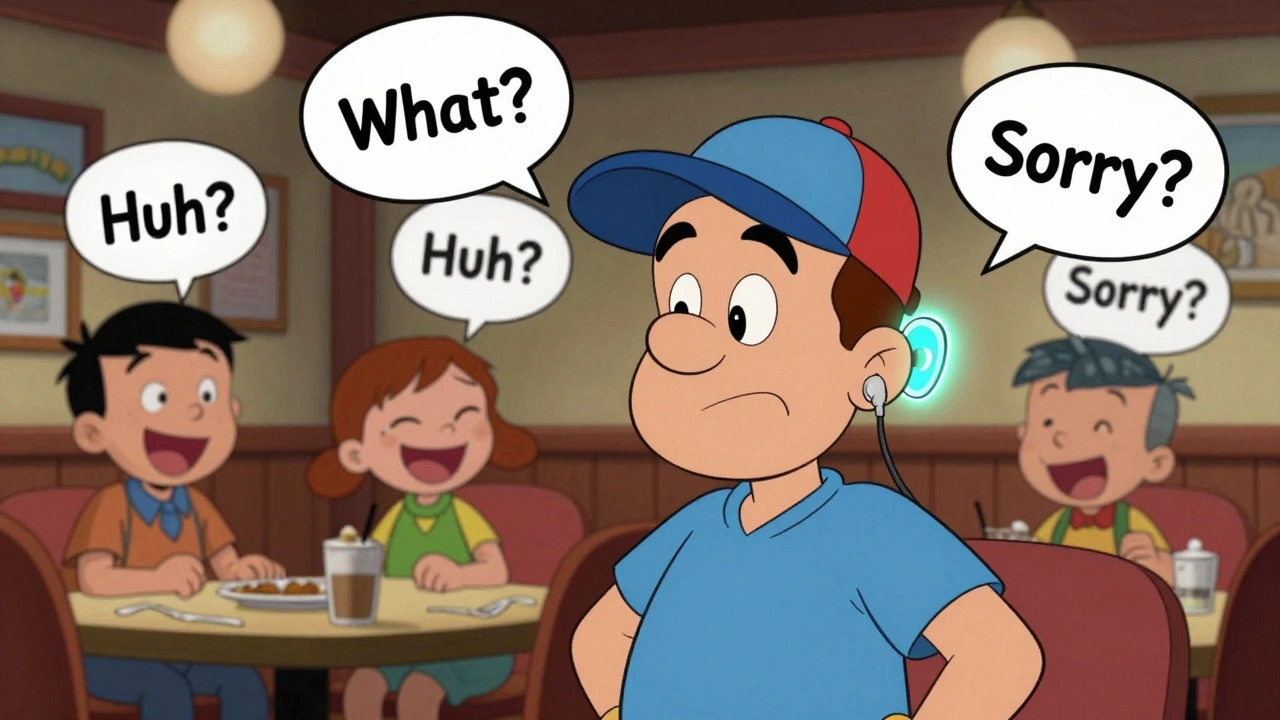
The message is simple: If you’re tired of saying "what?" all the time, if you’re avoiding social events, if you’re exhausted from trying to hear-it’s not too late. You don’t need to wait until you’re completely deaf. You don’t need to be perfect. You just need to be ready to try.
Can I still get a cochlear implant if I have some natural hearing left?
Yes. Many people with residual low-frequency hearing are excellent candidates for hybrid implants, which combine a cochlear implant with acoustic amplification. These devices preserve natural hearing while adding electric stimulation for higher pitches. The key is whether your speech understanding is poor despite using hearing aids-not whether you hear some sounds.
Is there an age limit for cochlear implants?
No. There’s no upper age limit. People in their 80s and 90s have successfully received implants and seen major improvements in communication and quality of life. The deciding factor isn’t age-it’s cognitive health, motivation, and overall medical fitness. Many older adults report regaining independence and reconnecting with family after implantation.
How long does it take to get results after surgery?
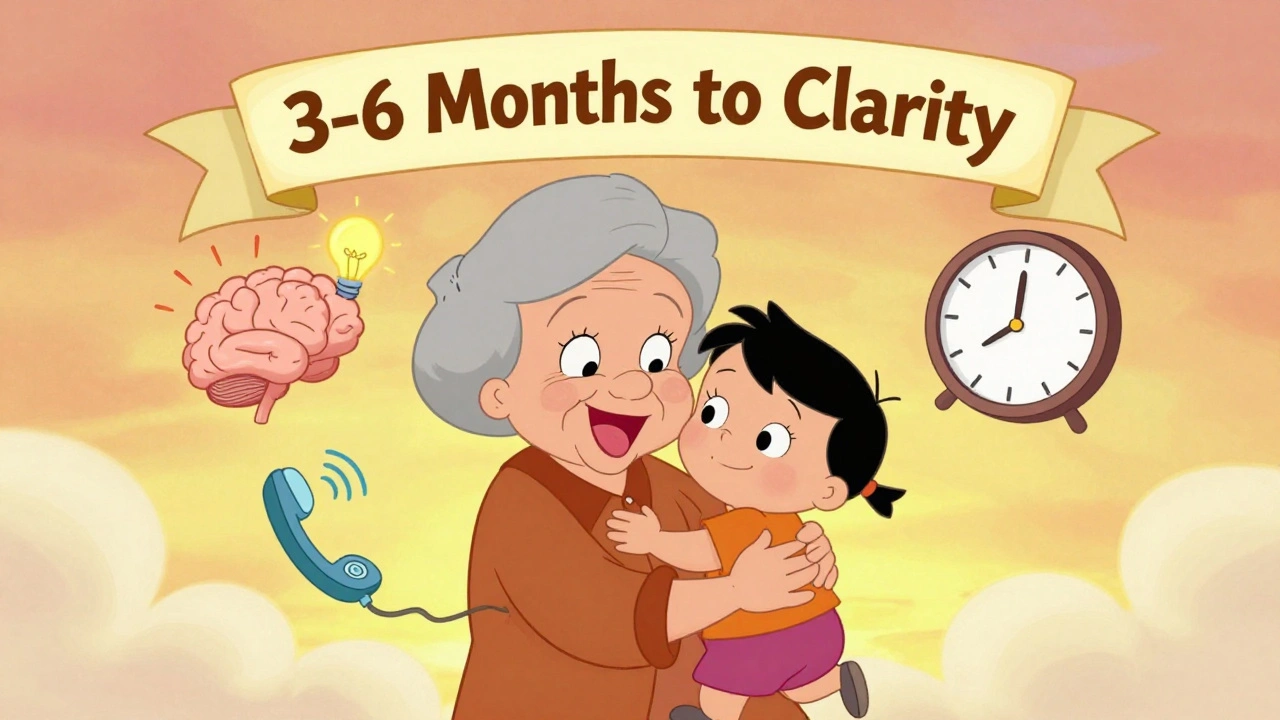
Most people notice improvements within the first few weeks after activation, but full adaptation takes 3-6 months. The brain needs time to learn how to interpret the new signals. Consistent listening practice is critical. People who do daily listening exercises-like watching TV with subtitles, talking with family, or using apps designed for CI users-progress faster than those who wait for improvement to happen on its own.
Will a cochlear implant help me hear music better?
Music perception is still a challenge for most implant users. While speech understanding improves dramatically, music often sounds flat, robotic, or unfamiliar. Some people learn to enjoy it again with time and training, especially with newer sound processing strategies. But don’t expect the same emotional experience you had before hearing loss. The goal is communication-not perfect music.
What if I’m told I’m not a candidate?
Get a second opinion. Many people are turned away because their hearing aids weren’t properly fitted or because the clinic uses outdated criteria. Ask for a full evaluation using the 2023 ACIA guidelines. If you’re struggling with speech understanding-even if you have some hearing-you deserve to know your options. There’s no harm in being evaluated.
If you’ve been told you’re not a candidate, or if you’ve been holding off because you think you need to wait until you’re completely deaf-don’t wait. The technology has changed. The guidelines have changed. And your quality of life doesn’t have to wait any longer.

Saket Modi
December 2, 2025 AT 14:52Chris Wallace
December 2, 2025 AT 23:49william tao
December 3, 2025 AT 05:56John Webber
December 3, 2025 AT 14:14Shubham Pandey
December 4, 2025 AT 19:26Elizabeth Farrell
December 6, 2025 AT 14:25Sheryl Lynn
December 7, 2025 AT 17:50Paul Santos
December 9, 2025 AT 12:02Eddy Kimani
December 11, 2025 AT 00:46Chelsea Moore
December 12, 2025 AT 11:00